

TL;DR:
- Scotch must be produced and aged entirely in Scotland, adhering to strict legal regulations.
- Bourbon is made mainly from corn in the U.S., aged in new charred oak barrels with no additives.
- Flavour differences stem from ingredients, cask types, and maturation styles, creating regionally distinct profiles.
Most whisky lovers in Australia know bourbon comes from the United States and Scotch comes from Scotland. That much is common knowledge. But stop there and you miss almost everything that matters. The real differences between these two spirits run far deeper than passports and geography. They stem from centuries of tradition, strict legal frameworks, contrasting ingredients, and wildly different production philosophies. Whether you’re building a home collection, exploring tasting nights, or simply trying to order with confidence at a bar, understanding what separates bourbon from Scotch will fundamentally change how you experience whisky.
Table of Contents
- Origins and regulations: A matter of tradition
- Ingredients and distillation: The science behind the spirit
- Flavour profiles and maturation: How taste evolves
- Exploring styles: How regions and styles affect your palate
- Why knowing the difference matters for Australians
- Taste the difference: Explore premium Scotch and bourbon in Australia
- Frequently asked questions
Key Takeaways
| Point | Details |
|---|---|
| Regulation matters | Bourbon and Scotch are governed by strict regional laws that shape their character and authenticity. |
| Ingredients dictate flavour | Scotch uses barley and peat, bourbon uses mostly corn and new oak, resulting in key taste differences. |
| Maturation changes everything | New oak barrels accelerate bourbon ageing, while Scotch develops slowly in used casks. |
| Explore regional styles | Tasting different Scotch and bourbon types by region enhances your whisky knowledge and enjoyment. |
Origins and regulations: A matter of tradition
Every bottle of Scotch whisky carries the weight of Scottish law behind it. To earn that label, a spirit must be distilled and matured in Scotland, aged in oak casks no larger than 700 litres for a minimum of three years, and bottled at no less than 40% ABV. These aren’t loose guidelines. They’re enforceable regulations that protect the integrity of one of Scotland’s most valued exports. No shortcuts, no workarounds.
Bourbon plays by an equally firm rulebook, just an American one. To qualify as bourbon, the spirit must be made in the United States from a grain mixture that’s at least 51% corn, aged in new, charred oak barrels, and contain no added flavouring, colouring, or other additives. While Kentucky produces the vast majority of bourbon, it can technically be made anywhere in the USA. The difference between whiskey types often starts right here, at the legal definition.
For Australian enthusiasts, these regulations matter because they set a baseline quality guarantee. When you buy a bottle labelled Scotch or bourbon, you know exactly what production standards it met before reaching your glass.
Quick comparison: Scotch vs bourbon regulations
| Feature | Scotch | Bourbon |
|---|---|---|
| Country of origin | Scotland | United States |
| Minimum ageing | 3 years | No minimum (2 years for ‘straight’) |
| Cask type | Used or new oak (≤700L) | New charred oak only |
| Additives allowed | Caramel colouring only | None |
| Minimum bottling ABV | 40% | 40% |
| Primary grain | Malted barley | Corn (min. 51%) |
Key regulatory facts worth remembering:
- Scotch must be produced entirely within Scotland, from distillation through maturation
- Bourbon requires a new barrel for every batch, which directly shapes its flavour
- Straight bourbon needs a minimum of two years ageing in those new oak barrels
- The differences in Scotch and bourbon extend well beyond country of origin into every stage of production
Ingredients and distillation: The science behind the spirit
Once you understand the rules, look at what goes into each spirit. Scotch single malt is made from 100% malted barley, distilled in traditional copper pot stills to no more than 94.8% ABV. That relatively low distillation ceiling preserves more of the grain’s natural flavour compounds, which is why single malts can taste so complex and regionally distinctive.
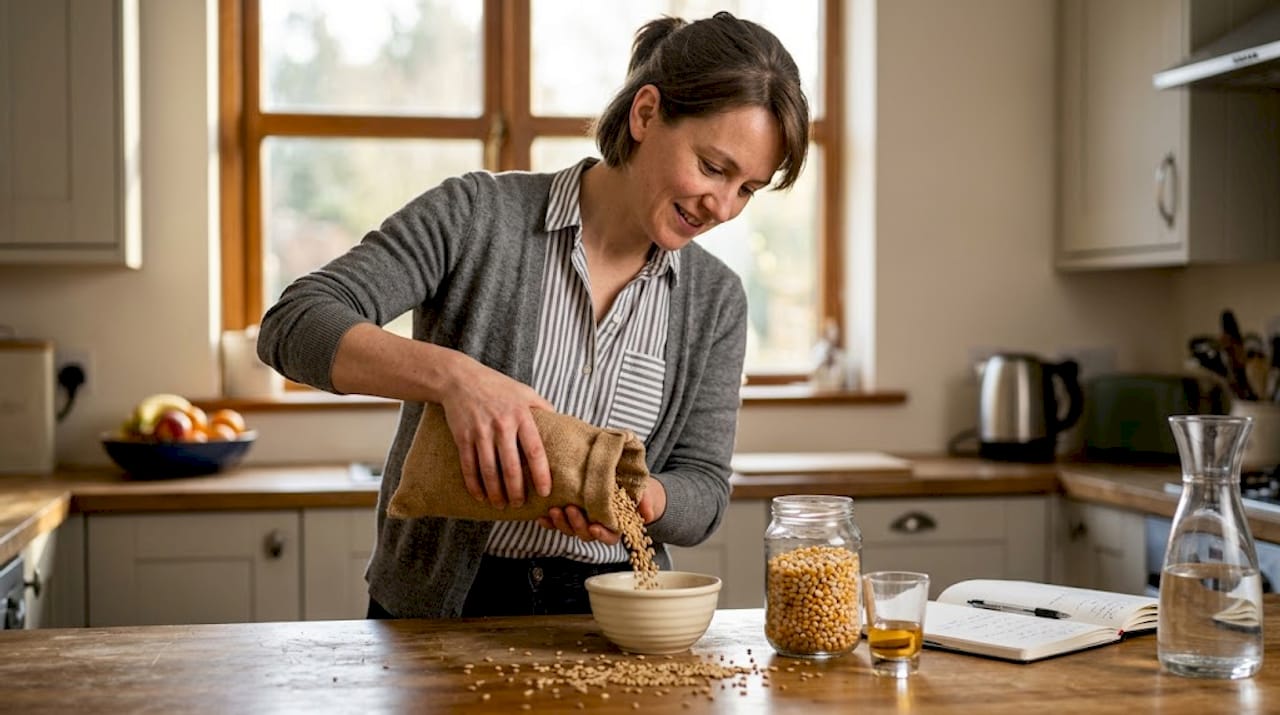
Bourbon leans heavily on corn, which gives it an inherently sweeter base. The mash bill often includes rye or wheat alongside corn, plus a small amount of malted barley for fermentation. Critically, bourbon regulations prohibit any additives whatsoever. What goes into the barrel is what ends up in your glass, full stop.
Scotch grain whisky adds a wrinkle that confuses many people. Grain whisky can use column stills up to 94.8% ABV, a process that’s closer to bourbon production in style. The big difference is that Scotch grain whisky often goes into blended Scotch expressions, while bourbon never blends in neutral grain spirit.
Peat is another ingredient unique to Scotch. Distilleries in Islay and parts of the Highlands dry their malted barley over burning peat, infusing the grain with smoky, earthy characteristics before distillation even begins. Bourbon has no equivalent process. You simply won’t find that medicinal, campfire character in any American whiskey.
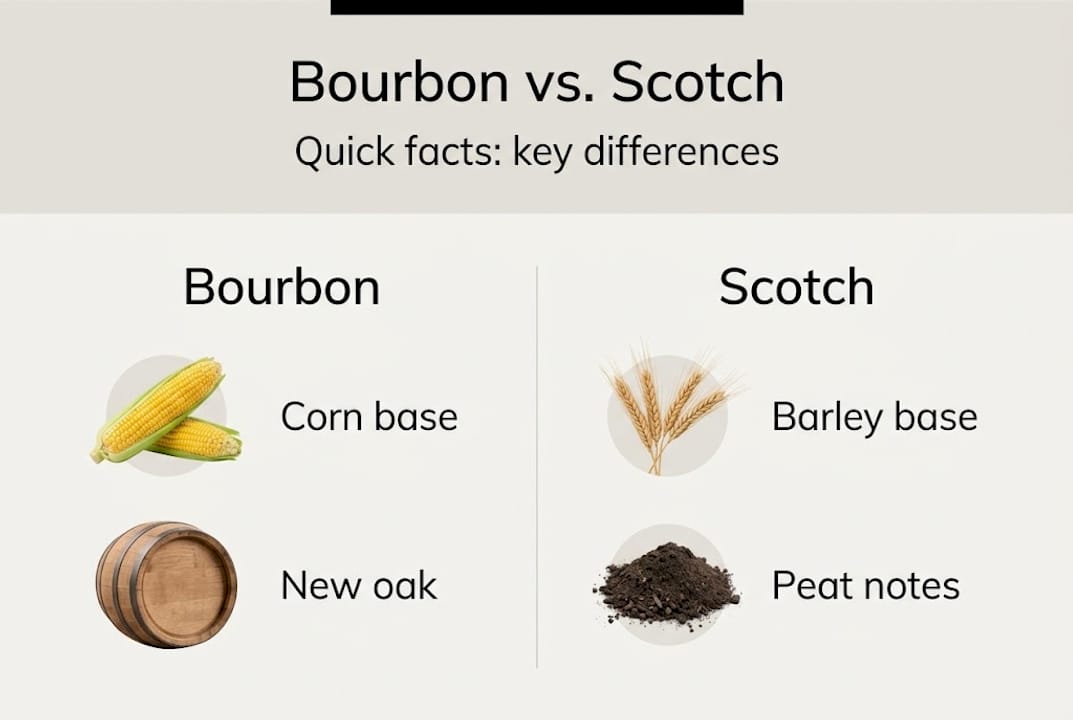
Distillation at a glance
| Factor | Scotch single malt | Bourbon |
|---|---|---|
| Primary ingredient | 100% malted barley | Corn (51%+) |
| Still type | Copper pot still | Column still |
| Max distillation ABV | 94.8% | 80% |
| Peat smoking | Yes (regional) | No |
| Additives | None (except caramel colour) | Strictly none |
How to identify your distillation style:
- Check the label for ‘single malt’ (pot still, barley only) or ‘blended’ (mix of grain and malt)
- Look for Islay or Highland origin on Scotch if you want peated expressions
- Seek out ‘wheated bourbon’ for a softer, gentler American style
- Notice the cask influence on whisky flavour by comparing the same distillery’s releases aged in different barrels
Pro Tip: If you see ‘grain whisky’ on a Scotch label and think it must be similar to bourbon because both use column stills, you’re half right on process. But the grain mix, ageing rules, and flavour goals are quite different. The end result in your glass will tell the story.
Flavour profiles and maturation: How taste evolves
Cask choice might be the single biggest driver of flavour in both styles, yet Scotch and bourbon take opposite approaches. Bourbon must use a new charred oak barrel every single time, which means the wood interacts intensely with the spirit right from the start. This accelerates maturation and pushes vanilla, caramel, and toasted oak notes into the foreground relatively quickly.
Scotch distilleries mostly use secondhand casks, often ex-bourbon barrels, but also ex-sherry, ex-port, and ex-wine casks. Because these barrels have already given up their most aggressive wood compounds to a previous spirit, they impart flavour more gently and gradually. This is partly why many premium Scotch expressions carry long age statements.
“Scotch allows caramel colouring for consistency across batches, while bourbon’s colour comes entirely from the barrel and the ageing environment.”
Colour is another telling distinction. Because Scotch allows caramel colouring for consistency, two bottles with similar hues might have had quite different cask histories. Bourbon’s colour is always purely natural, shaped by climate, warehouse position, and time in oak. For many Australian collectors, this makes bourbon colour a more reliable flavour indicator.
Regional flavour highlights worth knowing:
- Speyside Scotch: Light, fruity, often floral with honey and green apple notes
- Islay Scotch: Boldly peaty, smoky, sometimes briny with iodine character
- Highland Scotch: Varied, ranging from rich and full to light and floral
- Kentucky bourbon: Sweet vanilla, caramel, toasted oak, often with spice on the finish
- Tennessee whiskey: Similar to bourbon but charcoal filtered, slightly smoother profile
Pro Tip: When reading a Scotch label, look for cask finish details. A bottle that says ‘sherry cask finish’ tells you the spirit spent its final months in an ex-sherry barrel, adding dried fruit and spice. Understanding this will help you explore whisky maturation details and make smarter choices at every price point.
The whisky ageing benefits for both styles are real, but they play out differently depending on cask activity and climate.
Exploring styles: How regions and styles affect your palate
Both Scotch and bourbon offer more internal variety than most beginners expect. Treating all Scotch as one flavour, or all bourbon as interchangeable, is like saying all Australian wine tastes the same. The regional and stylistic range within each category is genuinely vast.
For Scotch, the five main regions each bring something distinct. Islay Scotch is peaty and smoky, Speyside tends to be light and fruity, and the Highlands produce everything from delicate coastal malts to rich, sherried expressions. Campbeltown offers briny, robust character, and the Lowlands lean toward gentle, approachable styles perfect for beginners.
Bourbon has its own style divisions. Single barrel releases showcase one specific cask’s character, making each bottle unique. Small batch bourbon blends a limited number of barrels for consistency with craft character. Straight bourbon carries the two-year minimum ageing guarantee. Blended straight bourbon allows some mixing of age statements but no added neutral spirit.
Practical regional flavour guide:
- Islay Scotch: For those who love smoky, bold, savoury experiences
- Speyside Scotch: Ideal for fruit lovers and those new to single malt
- Highland Scotch: A good middle ground with wide stylistic range
- Single barrel bourbon: Best for collectors seeking uniqueness in every bottle
- Small batch bourbon: Reliable flavour with artisan production values
How to explore bourbon and Scotch styles practically:
- Start with a Speyside single malt and a small batch bourbon to establish a baseline contrast
- Move toward Islay Scotch once you’re comfortable with peated expressions
- Try a Scotch single malt styles tasting flight to compare regions side by side
- Explore how whisky region impact shapes your personal flavour preferences
- Revisit your first bottle after six months of broader tasting. The difference in what you notice will surprise you.
If you’re wondering whether to start with rye or go straight to bourbon, understanding how to choose rye or bourbon can save you time and money at the bottle shop.
Why knowing the difference matters for Australians
Here’s a perspective that doesn’t get said often enough: relying purely on personal taste, without any framework for understanding what you’re drinking, actually limits your enjoyment rather than freeing it. Many Australian whisky drinkers settle into a comfort zone early, either a familiar Scotch or a reliable bourbon, and never push beyond it. That’s a genuine loss.
Australia’s whisky market in 2026 is more sophisticated than ever. Local distilleries are producing world-class spirits that draw on both Scotch and bourbon traditions. Internationally, both categories are seeing serious innovation, from experimental cask finishes to ultra-aged expressions that challenge every assumption about flavour. Understanding the rulebook behind each style lets you recognise when a producer is breaking new ground and appreciate why that matters.
Knowing the whisky distinctions between bourbon and Scotch also makes you a sharper buyer. You’ll spot value where others see only price tags.
Pro Tip: Keep an open mind across both categories. The most rewarding whisky experience often comes from the bottle you least expected to love.
Taste the difference: Explore premium Scotch and bourbon in Australia
Now that you understand what separates these two great spirits, you’re in the best possible position to make genuinely rewarding choices. At Uisuki, we source rare and classic expressions from Scotland, the United States, Japan, and beyond, so every bottle in our range represents something worth your attention.

For those ready to explore something truly special, the exclusive Glenglassaugh Scotch is a 48-year-old, 1974 Australia-exclusive expression finished in Pedro Ximenez sherry cask. It’s the kind of bottle that turns a knowledge framework into a visceral, memorable experience. When you’re ready to browse our premium whisky range, you’ll find curated selections that reward the understanding you’ve built here.
Frequently asked questions
Is bourbon always sweeter than Scotch?
Bourbon tends to be sweeter due to its high corn content and new oak maturation, but Scotch from Speyside or sherry-influenced expressions can also deliver rich, sweet fruit character.
Can Scotch whisky be made outside Scotland?
No. Authentic Scotch must be distilled and matured in Scotland by legal definition, with no exceptions permitted under Scottish whisky regulations.
Why does bourbon mature faster than Scotch?
Bourbon uses new charred oak barrels that interact much more aggressively with the spirit, extracting vanilla and caramel compounds quickly compared to the gentler action of Scotch’s used casks.
Is caramel colouring allowed in bourbon?
No. Bourbon must contain no added colour or flavouring of any kind, while Scotch regulations do permit caramel colouring to maintain visual consistency across batches.