

Whisky ageing transforms raw spirit into a complex, balanced drink that captivates enthusiasts worldwide. Yet many collectors mistakenly believe older always means better. The truth is far more nuanced: optimal ageing depends on cask type, climate, and distillery character. This article breaks down how ageing develops flavour, when whiskies peak, and what collectors should prioritise when evaluating aged expressions. You’ll learn to look beyond age statements and focus on the factors that truly elevate whisky quality.
Table of Contents
- Key takeaways
- How whisky ageing transforms flavour profiles
- The impact of environment and cask type on ageing benefits
- Balancing ageing duration: understanding peak quality and risks
- How ageing benefits whisky collectors and enthusiasts
- Explore premium aged whiskies with Uisuki
- Frequently asked questions about whisky ageing benefits
Key Takeaways
| Point | Details |
|---|---|
| Ageing adds complexity | Ageing adds complexity through controlled oxidation and wood extraction, but the cask type and storage environment matter as much as time. |
| Cask and climate matter | The wood species, char level and previous cask contents shape flavour development, with American oak delivering vanilla and coconut and European oak adding dried fruit and spicy tannins. |
| Optimal ageing varies by style | Optimal ageing depends on whisky style, climate, and distillery character, so peak quality does not always align with the oldest bottle. |
| Over ageing risk | Over ageing can cause loss of balance and the development of harsh wood tannins, reducing overall harmony. |
How whisky ageing transforms flavour profiles
When new-make spirit enters an oak barrel, a remarkable series of chemical reactions begins. The wood itself becomes an active ingredient, not just a container. Aging in oak barrels extracts vanillin, lignin breakdown spices, and ellagitannins, whilst oxidation creates esters that add fruity and floral complexity to the spirit.
Three primary processes drive flavour development during maturation. First, extraction pulls compounds from the wood itself: vanillin delivers vanilla notes, whilst lignin breakdown produces spicy phenols and aromatic aldehydes. Second, the char layer filters impurities and harsh congeners through activated carbon-like action, mellowing the spirit’s rough edges. Third, slow oxidation through the barrel staves creates new flavour compounds, particularly esters that contribute fruity characteristics ranging from apple to tropical notes.
The angel’s share, that romantic term for evaporation loss, plays a crucial concentrating role. As water and alcohol escape through the wood, remaining flavours intensify. This natural reduction creates depth you cannot replicate through artificial means. The whisky aging process involves continuous interaction between spirit, wood, and air, with each element contributing to the final sensory experience.
Key flavour compounds develop at different rates:
- Vanillin and oak lactones emerge early, providing foundational sweetness and coconut notes
- Tannins extract gradually, adding structure and astringency that balances sweetness
- Esters form through oxidation over years, contributing complex fruit and floral characteristics
- Furfural and other caramelised sugar compounds develop from toasted wood, adding nutty depth
“The magic of whisky maturation lies not in time alone, but in the delicate balance between extraction, oxidation, and evaporation. Each barrel tells its own story through the compounds it shares with the spirit.”
This multi-layered transformation explains why well-aged whisky offers such a rich tasting experience. Every sip reveals different facets as your palate encounters vanilla, then spice, then fruit, then wood tannins in succession. Understanding these barrel age and flavor science principles helps you appreciate what you’re tasting and why certain expressions command premium prices.
The impact of environment and cask type on ageing benefits
Whilst time matters, where and how whisky ages often determines quality more than the number on the label. Cask characteristics and storage conditions create dramatic differences in maturation outcomes, even for spirits from the same distillery.
The wood species, char level, and previous cask contents fundamentally shape flavour development. American oak imparts vanilla and coconut through high vanillin content, whilst European oak delivers dried fruit and spicy tannins. A heavily charred barrel filters more aggressively and contributes caramel notes, whereas light toast preserves delicate fruit esters. Sherry casks add rich, dried fruit complexity, bourbon barrels bring vanilla sweetness, and wine casks introduce subtle grape characteristics. Cask history and warehouse conditions affect whisky complexity more profoundly than age statement alone.
Climate dramatically influences maturation speed and character. Scotland’s cool, damp conditions produce slow, gentle maturation with minimal angel’s share, typically around 2% annually. Kentucky’s hot summers and cold winters create rapid extraction and higher evaporation rates, sometimes exceeding 5% per year. This explains why bourbon gets stronger whilst Scotch gets weaker through the ageing process: hot climates evaporate more water than alcohol, concentrating ABV, whilst cool climates lose alcohol preferentially.
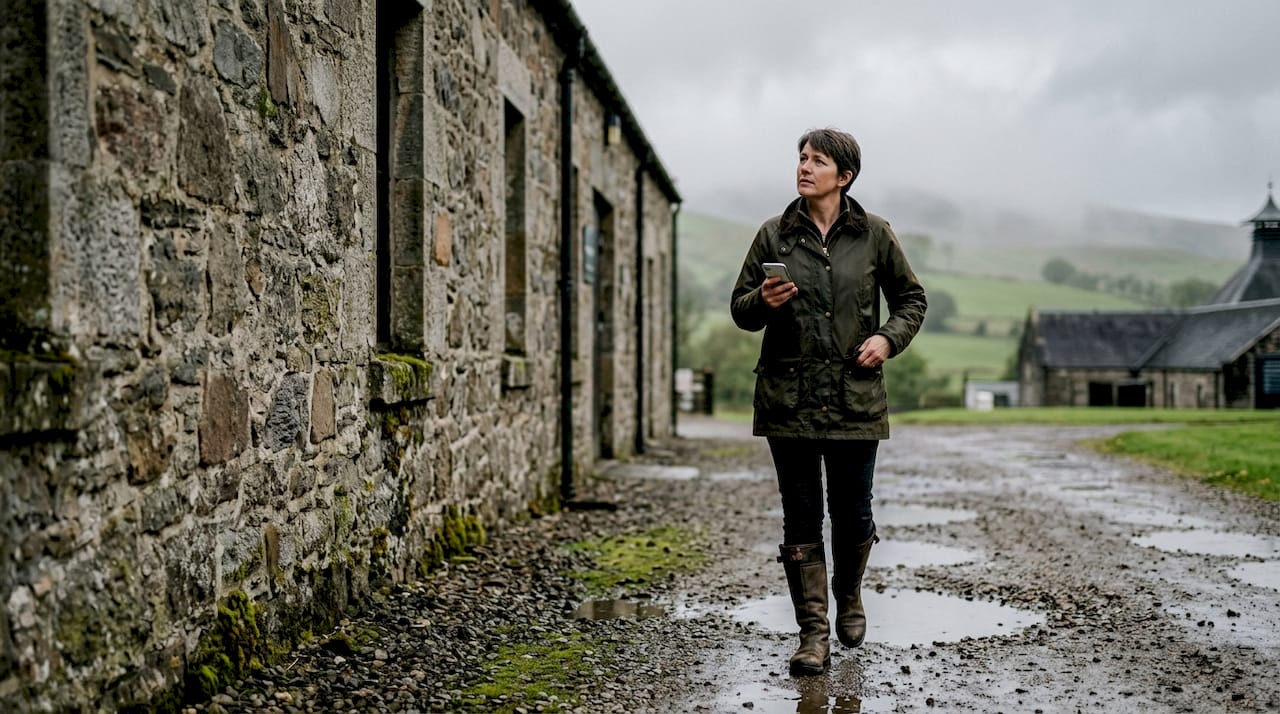
Warehouse location within a facility matters too. Upper floors experience greater temperature fluctuation, accelerating maturation, whilst ground-level storage provides consistency. Coastal warehouses expose whisky to salt air, adding maritime character, whereas inland locations produce cleaner, wood-focused profiles. These variables mean two barrels filled on the same day can taste remarkably different after a decade.
Small casks present a special case. With higher surface-area-to-volume ratios, they accelerate wood contact and extraction. A 10-litre cask might produce similar extraction to a standard barrel in half the time. However, this speed creates risks: rapid tannin extraction can overwhelm delicate spirit character, and accelerated oxidation sometimes produces harsh notes rather than refined complexity.
Consider these environmental factors:
- Temperature cycling drives spirit in and out of wood pores, enhancing extraction
- Humidity levels determine whether water or alcohol evaporates preferentially
- Air quality introduces subtle regional characteristics through oxidation
- Warehouse construction affects airflow and temperature stability
Pro Tip: When evaluating aged whiskies, research the distillery’s warehouse locations and cask sourcing practices. A 12-year-old from a quality cask in ideal conditions often surpasses a poorly-stored 18-year-old. Understanding whisky cask influence helps you look beyond age statements to assess true quality.
Experienced collectors increasingly focus on cask provenance over raw age. They ask which cooperage supplied the barrels, what the previous contents were, and where the whisky matured. These details reveal far more about potential flavour than a number alone. The angel’s share evaporation effects and scotch ageing myths demonstrate why context matters more than simple age declarations.
Balancing ageing duration: understanding peak quality and risks
Every whisky style has an optimal maturation window where complexity peaks before wood dominance takes over. Recognising these ranges helps you select expressions at their flavour zenith rather than chasing arbitrary age milestones.
Light, delicate malts typically peak between 6-12 years. Their subtle fruit and floral notes require wood influence for structure but can’t withstand prolonged cask contact. Beyond 12 years, oak tannins often overwhelm the spirit’s inherent character. Heavily peated whiskies, conversely, benefit from 12-18 years of maturation. The robust smoke and phenolic compounds need time to integrate with wood sweetness, creating balanced complexity. Whiskies often peak in flavour between 8-18 years, with older expressions sometimes losing fruity esters and developing excessive wood character.
Very old whiskies, those exceeding 18 years, face diminishing returns. Extended cask contact extracts increasingly bitter tannins whilst volatile fruity esters dissipate. The vibrant apple and pear notes that characterise younger spirits fade, replaced by leather, tobacco, and sometimes astringent wood. Some distilleries combat this through cask rotation or finishing in fresh barrels, but the fundamental challenge remains: wood eventually dominates.
| Whisky style | Optimal age range | Peak characteristics | Over-ageing risks |
|---|---|---|---|
| Light Speyside | 8-12 years | Fruit, honey, floral balance | Loss of delicate esters, wood dominance |
| Peated Islay | 12-18 years | Integrated smoke, vanilla sweetness | Bitter tannins, flat smoke |
| Sherried Highland | 12-15 years | Rich fruit, spice complexity | Excessive sulphur, tannic bitterness |
| Bourbon cask Lowland | 6-10 years | Vanilla, grass, citrus | Oak overwhelms subtle spirit |
Over-ageing risks include over-oaking, bitterness, and loss of distillery character. The spirit’s unique fingerprint, those characteristics that identify its origin, gradually fades beneath layers of wood influence. A 25-year-old whisky might taste magnificent, but it often resembles the cask more than the distillery.
Balanced ageing enhances complexity without masking origin. The best-aged whiskies present harmonious layers: you taste the distillery character first, then wood spices, then fruit esters, then subtle tannins. Each element supports the others rather than competing. This balance explains why blind tastings frequently favour well-executed 12-15 year expressions over prestigious 25-year-old bottlings.
Pro Tip: Sample whiskies from the same distillery at different ages to understand how maturation affects that specific spirit. You’ll develop intuition for when wood complements versus overwhelms, helping you identify age statement whisky quality regardless of marketing claims.
The scotch whisky peak age varies by individual preference too. Some enthusiasts adore the robust wood influence of very old expressions, whilst others prefer the vibrant fruit of younger spirits. Neither approach is wrong, but understanding the trade-offs helps you spend wisely and build a collection that matches your palate rather than following trends.
How ageing benefits whisky collectors and enthusiasts
Beyond flavour development, maturation offers collectors and enthusiasts distinct advantages that extend from sensory pleasure to investment potential. Understanding these benefits helps you appreciate why certain aged expressions command premium prices and collector attention.
Well-aged whisky develops multi-layered complexity that rewards contemplative tasting. Each sip reveals new facets as your palate adjusts: initial sweetness gives way to spice, then fruit emerges, followed by subtle wood tannins and a long, evolving finish. This depth creates a meditative tasting experience impossible to achieve with young spirits. Hyper-aged whiskies bring unique sensory depth like wax and leather from meticulous cask management, offering flavours that only decades of maturation can produce.
Matured whisky offers refined balance that appeals to experienced palates. The harsh alcohol burn of new-make spirit mellows into smooth warmth. Aggressive tannins soften into pleasant structure. Disparate flavour elements integrate into a cohesive whole. This refinement represents craftsmanship and patience, qualities that resonate with collectors who value artisanal production.
The five key benefits for collectors and enthusiasts:
- Enhanced flavour complexity: Decades of maturation create hundreds of flavour compounds interacting in sophisticated ways, offering endless discovery with each tasting.
- Unique tasting experience: Well-aged expressions provide sensory journeys unavailable in younger spirits, with evolving flavours that change as the whisky opens in the glass.
- Collector prestige and value: Rare aged bottlings from closed distilleries or exceptional vintages appreciate significantly, making them both pleasure and investment.
- Story and provenance: Each aged bottle carries history, from the cask’s previous contents to the warehouse location to the master blender’s decisions, adding narrative depth to the tasting experience.
- Appreciation of craftsmanship: Understanding the skill required to select casks, monitor maturation, and bottle at the perfect moment deepens respect for the distiller’s art.
Well-aged bottles can carry premium investment value when properly stored and from respected distilleries. Scarcity drives demand: as angels claim their share year after year, fewer bottles remain from any given vintage. Limited releases from closed distilleries become particularly valuable, sometimes appreciating 10-20% annually. However, investment potential depends on provenance, storage conditions, and market trends.
Collectors increasingly prioritise cask history alongside age statements. They seek detailed information about cooperage, previous cask contents, warehouse location, and bottling date. This focus reflects growing sophistication: experienced enthusiasts recognise that a thoughtfully-selected 15-year-old can surpass a mediocre 25-year-old in both flavour and collecting merit.
The whisky collecting tips emphasise building a diverse collection that represents different ages, regions, and maturation approaches. This diversity lets you explore how ageing affects various spirit styles whilst hedging against market fluctuations in any single category.
Authenticity matters enormously in the aged whisky market. Counterfeit bottles plague high-value segments, making provenance documentation essential. Reputable retailers provide detailed sourcing information and authenticity guarantees, protecting collectors from costly mistakes. The hyper aged whisky benefits justify premium prices only when you can verify the bottle’s legitimacy and storage history.
For enthusiasts focused purely on flavour rather than investment, aged whisky offers unmatched sensory rewards. The patience required to mature spirit for decades mirrors the patience required to truly appreciate the result. Sitting with a glass of well-aged whisky, discovering new notes with each sip, connects you to a tradition spanning centuries and continents.
Explore premium aged whiskies with Uisuki
Now that you understand how ageing develops complexity and when whiskies reach their peak, you’re ready to experience these principles firsthand. Uisuki offers a curated selection of premium aged whiskies from Scotland, Japan, Australia, and beyond, each chosen for exceptional cask management and balanced maturation.

Our collection includes both age-statement expressions and carefully-crafted non-age-statement releases that prioritise flavour over arbitrary numbers. You’ll find detailed cask information, tasting notes, and provenance details for every bottle, helping you make informed decisions based on the criteria discussed throughout this article. Whether you’re seeking a perfectly-aged Speyside malt or exploring the depth of heavily-peated Islay expressions, Uisuki’s expert curation ensures quality at every age range.
Pro Tip: Don’t overlook non-age statement whisky options. Master blenders often create exceptional complexity by combining whiskies of different ages, delivering flavour profiles impossible to achieve with single-age bottlings.
Frequently asked questions about whisky ageing benefits
These common questions address the most important aspects of how ageing affects whisky quality and collecting decisions.
Why does whisky age in oak barrels?
Oak barrels impart essential flavour compounds including vanillin, tannins, and spices whilst allowing controlled oxidation. The wood’s porous structure permits gradual air exchange that develops esters and mellows harsh alcohol notes. Barrels also filter impurities through the char layer, removing sulphur compounds and other undesirable elements that would create off-flavours in the finished spirit.
How does the angel’s share affect whisky quality?
Evaporation during ageing concentrates remaining flavours, intensifying the whisky’s character and complexity. This natural reduction cannot be replicated artificially. Regional climate determines whether water or alcohol evaporates preferentially: hot climates lose more water, increasing ABV, whilst cool climates lose alcohol, reducing strength. The angel’s share also affects economics, as distilleries lose 2-5% of volume annually depending on location.
Is older whisky always better?
Older doesn’t always mean better due to diminishing returns and over-ageing risks. Most whiskies peak between 8-18 years, after which wood tannins can overwhelm spirit character. Balanced mid-age expressions often win blind tastings against very old bottlings because they preserve distillery character whilst adding complexity. Age indicates time, not quality, and poorly-managed old whisky tastes worse than well-crafted young spirit.
What impacts whisky flavour more: age or cask type?
Cask type, history, and storage conditions often influence flavour more profoundly than age alone. A 10-year-old from an exceptional sherry cask can show more complexity than a 20-year-old from a tired bourbon barrel. Previous cask contents, wood species, char level, and warehouse location all shape the final profile. Smart collectors evaluate the complete maturation story rather than fixating on age statements.
Can whisky be over-aged?
Over-ageing causes wood dominance, excessive tannins, and bitter astringency that masks distillery character. Extended cask contact extracts increasingly harsh compounds whilst delicate fruit esters dissipate. Optimal ageing balances flavour development with harmony, stopping before wood overwhelms the spirit. Some distilleries combat over-ageing through cask rotation or finishing, but eventually, time works against quality rather than enhancing it.