

TL;DR:
- Mastering appearance, nose, palate, and balance helps assess whisky quality accurately.
- Age, cask type, and distillery reputation influence whisky’s flavor and value.
- Personal tasting and notes are more reliable than awards or labels for judging whisky excellence.
The whisky market has never been more crowded. With thousands of bottles competing for shelf space and collector budgets, it’s genuinely difficult to separate authentic quality from clever branding and inflated price tags. Labels shout about heritage, awards, and limited releases, yet none of that guarantees what’s actually in the glass. Seasoned collectors know that identifying a truly great whisky requires a systematic approach, one built on sensory evaluation, production knowledge, and a healthy scepticism toward hype. This guide walks you through the exact criteria experts and collectors use to assess whisky with confidence, so your next purchase is driven by knowledge rather than marketing.
Table of Contents
- The four pillars of whisky evaluation
- Understanding age, cask, and distillery influence
- Mastering the scoring and awards system
- Key benchmarks: Texture, finish, and complexity
- A collector’s perspective: Why personal tasting still reigns supreme
- Elevate your collection with trusted selections
- Frequently asked questions
Key Takeaways
| Point | Details |
|---|---|
| Sensory-based evaluation | Rely on appearance, aroma, taste, and balance as professional tasters do. |
| Age isn’t everything | Cask quality, reputation, and your taste matter as much as the years on the label. |
| Check awards carefully | Competition results can help but always balance with personal preference. |
| Trust your palate | Blind tastings and hands-on experience reveal true whisky quality for collectors. |
The four pillars of whisky evaluation
The primary methodology for quality whisky involves systematic sensory evaluation using four pillars: appearance, nose, palate, and balance. Mastering each one gives you a repeatable framework you can apply to any bottle, anywhere.
Appearance is where most people start, but it’s also where the most myths live. Hold the glass up to a light source and assess colour, clarity, and what tasters call “legs” — the slow rivulets that run down the inside of the glass after swirling. Thicker, slower legs suggest higher viscosity and often more body. However, colour alone is unreliable. Many producers add E150a caramel colouring to standardise appearance, so a deep amber doesn’t automatically signal quality or age. Clarity matters more: a brilliant, clear spirit typically indicates good filtration and careful production.
Nose is where whisky truly reveals itself. Experienced tasters identify three layers of aroma:
- Primary aromas: grain, fruit, or floral notes that come directly from the spirit itself
- Secondary aromas: oak, vanilla, spice, or smoke introduced through cask maturation
- Tertiary aromas: complex, evolved notes like dried fruit, leather, or earthiness that develop over long maturation
For flavour nuance explained in more detail, it helps to nose the whisky in stages rather than one deep inhale.
Pro Tip: Swirl the whisky gently, then smell with your mouth slightly open. This warms the vapours and allows subtler aromatic compounds to reach your olfactory receptors more effectively.
Palate is the full tasting experience, from first arrival on the tongue through mid-palate development to the finish. Quality whisky evolves. A flat, one-dimensional spirit that tastes the same from first sip to swallow is rarely exceptional. Track how flavours shift and build.
Balance is the hardest pillar to define but the easiest to feel. No single element — sweetness, smoke, oak, or alcohol heat — should overpower the rest. When you’re mastering whisky tasting notes, balance is the quality that separates a good dram from a truly memorable one.
| Pillar | What to assess | Common pitfall |
|---|---|---|
| Appearance | Colour, clarity, legs | Trusting colour as a quality indicator |
| Nose | Primary, secondary, tertiary aromas | Rushing the nose without layering |
| Palate | Arrival, development, finish | Judging on first sip alone |
| Balance | Harmony of all elements | Mistaking intensity for quality |
Understanding age, cask, and distillery influence
Having covered how whisky is evaluated in the glass, let’s explore how production factors influence quality and perception.
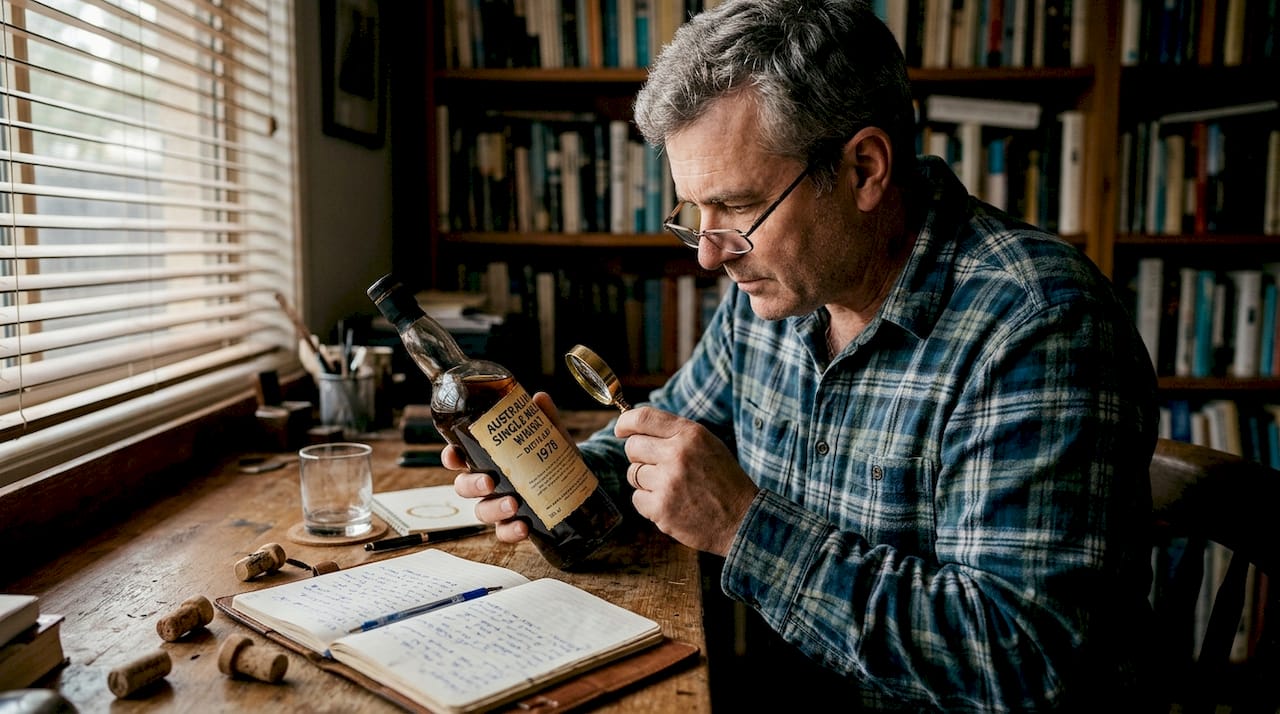
Key production factors include distillery origin and reputation, age statement, cask type, and ABV or cask strength. Each shapes the final character of the spirit in distinct ways.
The age statement importance is often overstated by newcomers. Older whisky has spent more time interacting with wood, which can add depth and complexity, but it can also tip into over-oaked territory if the cask quality is poor or the barrel is too active. The value of age-statement whiskies lies in transparency, not in a guarantee of superiority. A 12-year expression from an exceptional distillery can outperform a 25-year release from a mediocre one.
No-age-statement (NAS) whiskies challenge the assumption that older equals better. When buying NAS whisky, look for distilleries with strong track records and detailed production notes rather than relying on age as a proxy for quality.
Cask type is one of the most powerful variables in whisky production:
- Ex-bourbon barrels: Impart vanilla, caramel, and lighter fruit notes. Common in Scotch and American whisky.
- Ex-sherry casks: Deliver dried fruit, chocolate, and spice. Highly sought after by collectors.
- Experimental casks: Wine, rum, or port finishes add layered complexity and collector interest.
Distillery and region also shape profile significantly. Speyside expressions tend toward fruit and honey. Islay malts are known for peat and brine. Japanese distilleries often produce elegant, restrained spirits with precise grain selection. These regional signatures are reliable starting points, though individual distilleries within each region vary widely.
Pro Tip: For collectors, authenticity and provenance are non-negotiable. Counterfeits exist, particularly for rare and high-value bottles. Always purchase from reputable retailers and request documentation for significant acquisitions.
| Production factor | Effect on quality perception | Collector relevance |
|---|---|---|
| Age statement | Transparency, not superiority | High — affects resale value |
| Cask type | Flavour profile, complexity | High — sherry casks command premiums |
| Distillery reputation | Consistency, craftsmanship | Critical — underpins long-term value |
| ABV/cask strength | Intensity, dilution potential | Medium — personal preference varies |
Mastering the scoring and awards system
Beyond production details, objective ratings and competitions offer another lens for evaluating whisky.
Professional scoring systems use 100-point scales, with blind tastings at key competitions ensuring judges assess the spirit without label bias. Understanding how these scores are constructed helps you use them more intelligently.
A typical 100-point breakdown looks like this:
- Nose (25 points): Complexity, clarity, and layering of aromas
- Palate (35 points): Flavour development, texture, and accuracy to nose
- Finish (25 points): Length, evolution, and pleasantness of aftertaste
- Balance (15 points): Overall harmony and integration of all elements
Major competitions like the World Whiskies Awards and the International Wine and Spirit Competition (IWSC) award medals across Bronze, Silver, Gold, and Double Gold or Trophy tiers. A Gold or above from a reputable competition is a meaningful signal, though not infallible. Judges are human, and palate fatigue across hundreds of entries is real.
Understanding the whisky awards’ impact on buying decisions is important for collectors. Awards can validate a purchase, support resale value, and highlight underrated expressions that haven’t yet caught mainstream attention.
“Collectors value rarity, drinkers prioritise balance and complexity.”
For your own evaluation, tasting notes for collectors provide a structured record that builds over time. Pair this with blind tasting techniques to strip away label influence and train your palate to assess purely on sensory merit. Side-by-side comparisons of similar expressions from different distilleries or vintages sharpen your ability to identify genuine quality quickly.
Key benchmarks: Texture, finish, and complexity
Once you know what awards and numbers say, focus your own senses on the unmistakable hallmarks of excellence in the glass.
Empirical benchmarks for quality whisky include a long finish, thick viscosity, layered complexity, and overall balance. These are the sensory markers that separate good from genuinely great.
Finish length is one of the clearest indicators of depth. A finish that lingers beyond 30 seconds, shifting and evolving as it fades, signals a whisky with real substance. A finish that disappears in seconds suggests a lighter, simpler spirit, which isn’t necessarily bad, but rarely qualifies as exceptional.
Texture and mouthfeel are underrated by beginners. A quality whisky often feels rich and coating, not thin or watery. The essential tasting note tips for capturing texture include words like oily, creamy, silky, or grippy. These descriptors matter because mouthfeel directly affects how flavour is delivered and perceived.
Complexity is about how many distinct flavour layers you can identify, and how they shift from arrival through to finish. A complex whisky doesn’t just taste of one thing. It evolves. You might notice citrus on arrival, dark fruit through the mid-palate, and a long finish of warm spice and oak. Exploring whisky flavour profiles in depth helps you build the vocabulary to track this evolution accurately.
Key sensory benchmarks to test yourself:
- Does the finish last longer than 30 seconds?
- Can you identify at least three distinct flavour layers?
- Does the mouthfeel feel rich and coating rather than thin?
- Does the whisky smell and taste different after 10 minutes in the glass?
- Does balance hold across nose, palate, and finish?
Pro Tip: Add two or three drops of still water to high-ABV expressions before nosing. This reduces alcohol vapour and opens up aromatic compounds that would otherwise be masked by heat.
A collector’s perspective: Why personal tasting still reigns supreme
With all these criteria in mind, it’s worth reflecting on the most important judge — yourself. We’ve seen collectors spend considerable sums on 30-year-old single malts with gold medals and glowing reviews, only to find the experience underwhelming. We’ve also seen people discover their favourite dram in a humble NAS expression that cost a fraction of the price.
Ratings, awards, and production credentials are useful tools, not verdicts. They guide you toward the glass, but they can’t tell you what happens once the whisky meets your specific palate, your mood, or the context of the occasion. Build your own library of tasting notes. Practise blind comparisons. Trust what you actually taste rather than what you’re told to taste.
For collectors, authenticity and story sometimes carry as much weight as flavour. A bottle with clear provenance, a known distillery history, and genuine rarity has value beyond the liquid. But never let that overshadow the most fundamental question: does it taste extraordinary to you? For ordering whisky safely and building a collection you’ll genuinely love, your own informed palate is the most reliable tool you have.
Elevate your collection with trusted selections
Ready to apply expert criteria to your next addition? At Uisuki, every bottle in our range is sourced directly for authenticity and collector value, with detailed tasting notes and production information on each listing.

Explore expressions that reward the benchmarks you’ve just learnt. The Hobart Single Malt Bourbon Matured showcases exceptional Australian craftsmanship with a complex rum-finished profile. For Japanese precision, the Ichiros Limited Edition Blended offers layered complexity at its finest. And for classic Scotch character, the Ardnamurchan Blended Scotch delivers balance and regional authenticity in every pour.
Frequently asked questions
What are the best whisky characteristics to look for?
Seek layered aroma, long finish, complexity, balance, and a rich, coating texture as the core indicators of genuine quality in any whisky.
Does an older age statement always mean better whisky?
Not always. Cask quality and distillery reputation often matter more than age, and exceptional NAS whiskies regularly outperform older expressions.
Is colour a good indicator of quality whisky?
No. Many whiskies use E150a caramel colouring, so colour is unreliable as a quality signal. Judge by nose and palate instead.
How can I spot counterfeit or low-quality bottles when collecting?
Buy from reputable sources with provenance, inspect packaging and seals carefully, and request documentation for rare or high-value acquisitions.
Do whisky awards guarantee a better dram?
Awards can guide your shortlist, but collectors and drinkers weigh rarity and sensory balance differently. Your own palate remains the final authority.