

Choosing the right whisky from hundreds of bottles can feel overwhelming, especially when you want to make confident, informed decisions that enhance your collection. Whether you’re hunting rare Japanese malts or exploring Australian distilleries, a structured approach transforms confusion into clarity. This expert checklist equips you with proven criteria to evaluate provenance, flavour profiles, cask finishes, and collectability, ensuring every purchase adds genuine value to your whisky journey.
Table of Contents
- Essential Criteria For Evaluating Whisky Purchases
- Popular Whisky Types And Finishes Explained
- Comparing Popular Whiskies: A Side-By-Side Checklist
- Final Decision Framework For Confident Whisky Purchases
- Explore Exclusive Whiskies At Uisuki Australia
- Whisky Buying Checklist Frequently Asked Questions
Key takeaways
| Point | Details |
|---|---|
| Master label evaluation | Assess distillery origin, age statements, cask types, and ABV to verify authenticity and quality before purchasing. |
| Compare whisky styles systematically | Use tasting notes, regional characteristics, and finish types to match bottles with your personal flavour preferences. |
| Apply decision frameworks | Follow structured steps to evaluate price against rarity, collectability potential, and storage requirements confidently. |
| Leverage expert comparisons | Review side-by-side whisky features to spot value, identify hidden gems, and avoid common buying mistakes. |
Essential criteria for evaluating whisky purchases
Before committing to any bottle, savvy collectors examine specific label details that reveal quality and authenticity. The distillery name, age statement, and cask information tell you exactly what you’re getting. A 12-year-old single malt matured in ex-sherry casks delivers vastly different flavours than a bourbon barrel finish, even from the same distillery.
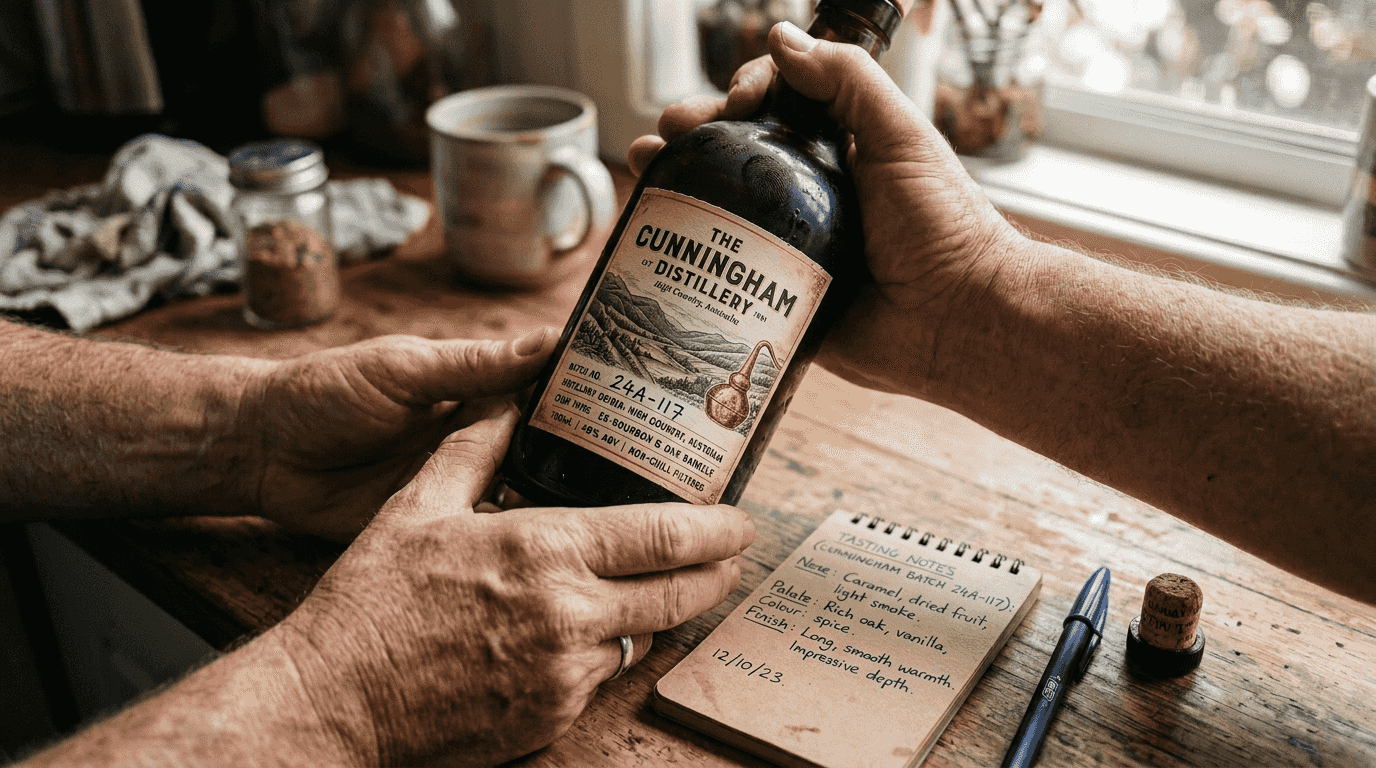
Understanding whisky labels and tasting notes helps you anticipate whether a bottle suits your palate. Look for descriptors like “peated,” “honeyed,” or “spicy” to gauge flavour intensity. ABV percentage matters too: higher alcohol content often indicates fuller body and more complex aromatics, particularly in cask-strength releases.
Provenance verification protects you from counterfeit bottles that plague the secondary market. Check for clear batch numbers, bottling dates, and distillery seals. Authentic bottles display consistent labelling, proper closure stamps, and verifiable production details.
Rarity elevates both drinking pleasure and investment potential. Limited releases, discontinued expressions, and single-cask bottlings typically appreciate over time. However, rarity alone doesn’t guarantee quality, assess flavour reputation through trusted reviews and tasting communities first.
Pro Tip: Always photograph bottle labels and batch codes when purchasing premium whiskies. This documentation proves authenticity if you later decide to sell or trade, and helps you track your collection’s evolution systematically.
Production methods reveal craftsmanship levels that justify price premiums. Traditional floor malting, copper pot stills, and natural colour preservation indicate distilleries committed to quality over mass production. These details separate exceptional whiskies from ordinary commercial bottlings.
Popular whisky types and finishes explained
Different whisky categories offer distinct characteristics that appeal to varied tastes and collecting strategies. Scotch whisky encompasses single malts, blended malts, and grain whiskies, each governed by strict regional regulations. Bourbon delivers sweeter profiles from corn-based mashes and new charred oak ageing, while rye brings spicier, drier notes perfect for adventurous palates.
Australian whisky has emerged as a serious contender, with Tasmanian distilleries earning international acclaim for innovative maturation techniques. These producers often experiment with local timber and unique cask finishes, creating flavour profiles unavailable elsewhere. The category’s youth allows collectors to acquire bottles that may become highly sought tomorrow.
Cask finishing transforms base spirits into complex, layered experiences worth exploring. Sherry cask maturation imparts dried fruit, nutty sweetness, and rich colour. Bourbon barrel finishing adds vanilla, caramel, and subtle spice notes that appeal to newcomers and veterans alike. Rum cask finishes deliver tropical fruit and molasses undertones that create surprising depth.
Port, Madeira, and wine cask finishes introduce fruity complexity and tannin structure rarely found in traditional maturation. These adventurous finishes often command premium prices but reward collectors with unique tasting experiences. Understanding how each finish influences the final spirit helps you predict flavour outcomes before purchasing.
Blended whiskies combine multiple distillates to achieve consistent flavour profiles year after year. While purists sometimes dismiss blends, master blenders create remarkable complexity by balancing grain and malt whiskies skillfully. Many exceptional blends offer outstanding value compared to equivalent-quality single malts.
- Scotch single malts showcase individual distillery character and regional terroir
- Bourbon’s high corn content and new oak requirement create distinctive sweetness
- Rye whisky delivers bold spice and dry finish preferred by cocktail enthusiasts
- Australian distilleries pioneer experimental cask finishes using native timbers
- Blended whiskies provide consistency and accessibility at competitive price points
Comparing popular whiskies: a side-by-side checklist
Practical comparison reveals how different bottles stack up across critical evaluation criteria. This approach clarifies which expressions deliver best value for your specific preferences and budget constraints. The following table examines diverse options representing multiple regions and price tiers.
| Whisky | Region | Age | ABV | Cask Finish | Price Range | Best For |
|---|---|---|---|---|---|---|
| Hobart Bourbon Matured | Tasmania | NAS | 56.4% | Rum Finished | $$$ | Bold collectors seeking unique Australian craft |
| Ichiro’s Malt & Grain | Japan | NAS | 48% | Blended | $$$$ | Japanese whisky enthusiasts wanting limited editions |
| Ardnamurchan MacLean’s Nose | Scotland | NAS | 46% | Blended Scotch | $$ | Value seekers exploring quality Scotch blends |
| Typical Speyside 12yr | Scotland | 12yr | 43% | Sherry | $$ | Traditional single malt lovers |
Budget-conscious collectors should prioritise bottles offering exceptional quality-to-price ratios rather than chasing expensive names. Many non-age-statement releases from respected distilleries outperform mediocre aged expressions costing twice as much. Identifying best-value whiskies requires comparing tasting reviews against retail prices systematically.
Premium selections justify higher costs through provenance, rarity, or extraordinary flavour complexity. Limited batches from cult distilleries appreciate quickly, making them sound investments beyond drinking pleasure. However, verify secondary market demand before assuming every expensive bottle will gain value.
Hidden gems emerge when you research smaller distilleries experimenting with innovative techniques. These producers often price competitively while delivering quality matching established names. Australian distilleries particularly offer undiscovered potential, as international collectors increasingly recognise Southern Hemisphere excellence.
Pro Tip: Create a personal rating system tracking flavour intensity, finish length, and value perception for each bottle you try. This reference makes future purchases more targeted and reduces impulse buying that doesn’t align with your collection goals.
- Compare ABV percentages to gauge flavour intensity and mouthfeel expectations
- Evaluate cask finish impact on sweetness, spice, and fruit characteristics
- Assess regional styles against your proven flavour preferences
- Research distillery reputation through community reviews and awards
- Calculate cost per year aged only when age statements provide genuine quality indicators
Matching bottles to storage conditions matters more than collectors often realise. High-ABV cask-strength releases withstand temperature fluctuations better than delicate 40% expressions. If you lack climate-controlled storage, prioritise robust, heavily-peated, or higher-proof bottles that maintain integrity despite environmental variation.
Final decision framework for confident whisky purchases
Systematic decision-making eliminates regret and builds collection coherence over time. Following this structured approach ensures each purchase aligns with your taste profile, budget constraints, and long-term collecting objectives. These five steps synthesise everything covered in the comprehensive checklist.
-
Review label details including distillery provenance, batch numbers, and bottling information to verify authenticity and production quality standards.
-
Compare published tasting notes against your known flavour preferences, focusing on descriptors that previously delivered satisfaction in similar bottles.
-
Evaluate how cask finish and ageing duration influence the final spirit, considering whether these factors justify the asking price premium.
-
Assess current retail pricing against rarity, collectability potential, and comparable bottles to determine fair value and investment merit.
-
Consider practical storage requirements, drinking timeline, and whether the bottle serves collecting, investing, or immediate enjoyment purposes.
Interpreting tasting notes accurately prevents disappointment from mismatched expectations. Descriptors like “subtle” or “delicate” often indicate lighter styles that disappoint drinkers seeking bold flavours. Conversely, “assertive” and “robust” signal intensity that may overwhelm those preferring gentler profiles.
This framework works equally well for first-bottle beginners and seasoned collectors adding to established libraries. New enthusiasts should weight personal taste alignment heavily, while experienced collectors can emphasise rarity and appreciation potential. Both groups benefit from disciplined evaluation that prevents emotional impulse purchases.
Reassess your criteria quarterly as your palate evolves and collection matures. What excited you initially may bore you later, while previously overlooked styles might suddenly resonate. Flexibility within structured decision-making keeps your collection dynamic and personally meaningful rather than rigidly formulaic.
Document your decisions and outcomes to refine future purchases. Note which bottles exceeded expectations and which disappointed, identifying patterns that improve your selection accuracy. This personal database becomes invaluable when expanding into unfamiliar regions or styles.
Explore exclusive whiskies at Uisuki Australia
Now that you’ve mastered the expert checklist, discover bottles that exemplify these quality criteria perfectly. Hobart bourbon matured whisky showcases Australian innovation with its bold 56.4% ABV and distinctive rum finish, delivering complexity that serious collectors appreciate.
Japanese whisky enthusiasts will value Ichiro’s malt and grain limited edition, a masterfully balanced blend demonstrating why Japanese distilling commands global respect. For those exploring quality Scotch without premium pricing, Ardnamurchan MacLean’s Nose proves blended whiskies can deliver exceptional value. Each bottle in Uisuki’s curated range meets the rigorous standards outlined throughout this checklist, ensuring your investment enhances both collection and palate.
Whisky buying checklist frequently asked questions
How often should I update my whisky buying checklist?
Review your checklist every three to six months as your palate develops and collecting priorities shift. Market conditions, new distillery releases, and personal taste evolution all warrant periodic adjustments to your evaluation criteria.
What are signs of a whisky bottle’s authenticity?
Authentic bottles display consistent label printing, intact closure seals, clear batch codes, and verifiable distillery markings. Purchase from reputable retailers, verify liquid levels match stated volumes, and research typical packaging for specific releases before buying rare bottles.
Are there Australian whisky brands worth collecting?
Tasmanian distilleries like Lark, Sullivan’s Cove, and Nant have earned international recognition with award-winning releases. These producers offer genuine collectability potential as Australian whisky gains global prestige, often at more accessible prices than equivalent Scottish counterparts.
How do storage conditions affect whisky quality after purchase?
Upright storage in cool, dark locations preserves whisky indefinitely once bottled. Avoid temperature fluctuations above 20°C, direct sunlight exposure, and prolonged cork contact with liquid. Proper storage maintains flavour integrity for decades, protecting your investment.
Should I prioritise age statements when selecting whiskies?
Age indicates maturation time but doesn’t guarantee quality. Many exceptional non-age-statement releases outperform mediocre older whiskies. Focus on distillery reputation, cask quality, and tasting reviews rather than assuming older automatically means better.
What’s the ideal starting budget for building a quality collection?
Allocate $200-$400 monthly to acquire diverse, quality bottles without financial stress. This budget allows mixing premium purchases with value discoveries, building collection breadth while exploring personal preferences systematically over time.