

Most whisky lovers are surprised to learn that over 200 distinct flavour compounds can be found in a single malt bottle. This complexity shapes how whisky enthusiasts from every region, including Australian collectors, experience aroma and taste. Many people still believe all whisky from Scotland tastes smoky, missing out on incredible diversity shaped by grain, production, and even climate. Discover what separates one whisky’s profile from another and learn how personal perception and tradition influence the enjoyment of every sip.
Table of Contents
- Defining Whisky Flavour Profiles And Misconceptions
- Regional Styles And Their Signature Flavours
- Distilling, Maturation And Influences On Taste
- Tasting Whisky: Assessing Flavour Like A Pro
- Common Traps When Decoding Notes And Aromas
Key Takeaways
| Point | Details |
|---|---|
| Understanding Whisky Flavour Profiles | Whisky’s flavour is influenced by numerous factors, including the grain used, distillation process, and barrel type, creating a complex sensory experience beyond simple classifications. |
| Diversity Across Regions | Different whisky-producing regions, such as Islay and Speyside, showcase unique flavour identities, emphasising the importance of geographical and cultural influences on taste. |
| The Role of Maturation | The maturation process in oak barrels significantly impacts flavour, with the wood’s previous history introducing complex layers of taste to the final spirit. |
| Tasting Techniques | Developing whisky tasting skills involves a systematic approach, where careful observation and personal flavour vocabulary enhance the understanding of a whisky’s unique story. |
Defining Whisky Flavour Profiles and Misconceptions
Whisky represents a complex sensory experience far beyond simple taste classifications. Exploring whisky flavor profiles reveals an intricate world where hundreds of chemical compounds interact to create distinctive sensations. Scientific research indicates that malted whisky contains approximately 200 unique flavor compounds, with esters contributing substantial fruity and aromatic characteristics.
Contrary to popular belief, not all whiskies share identical flavor characteristics. The misconception that every Scotch whisky tastes smoky fails to recognise the remarkable diversity across different regions and production techniques. While Islay whiskies are renowned for their intense peated profiles, other Scottish regions like Speyside produce lighter, more delicate expressions with pronounced fruity and floral notes.
Understanding whisky flavour profiles requires appreciating several critical factors. These include the grain used, distillation process, aging environment, barrel type, and geographical origin. Each element contributes subtle nuances that transform a simple spirit into a complex sensory journey. Professional tasters typically identify core flavor categories such as fruity, woody, spicy, smoky, and sweet - but the true magic lies in the intricate interactions between these fundamental taste dimensions.
Whisky enthusiasts should approach flavor exploration with an open mind, recognising that personal perception plays a significant role. What one person experiences as a robust peated whisky, another might describe as delicately balanced. Developing a sophisticated palate involves continuous tasting, careful observation, and a willingness to challenge preconceived notions about what whisky can represent.
Regional Styles and Their Signature Flavours
Whisky regions represent unique landscapes of flavour, each contributing distinctive characteristics that reflect their geographical and cultural heritage. Exploring regional whisky styles reveals a complex tapestry of taste profiles influenced by local production techniques, environmental conditions, and traditional methodologies.
In Scotland, regional variations create remarkable diversity. Islay whiskies are renowned for their intense, smoky profiles characterised by heavy peat influence, while Speyside produces elegantly refined spirits with prominent fruity and floral notes. Highland whiskies offer a more robust and complex flavour spectrum, often presenting a balanced combination of maritime saltiness and rich, warming undertones. Lowland whiskies tend to be lighter and more delicate, with gentle grassy and herbal characteristics that set them apart from their more assertive regional counterparts.
Beyond Scotland, other whisky-producing regions showcase their unique signatures. Japanese whiskies typically demonstrate precision and refinement, with meticulous production processes resulting in extraordinarily balanced and subtle flavour profiles. American bourbon, by legal definition, delivers robust sweetness from its corn-based mash, often presenting caramel, vanilla, and oak-driven notes that distinguish it from other global styles. Australian whisky producers have emerged as innovative craftspeople, creating spirits that blend traditional techniques with local terroir, producing expressions that challenge established regional expectations.
Understanding regional styles requires more than simple categorisation. Whisky flavour exploration demands an appreciation of the nuanced interactions between environment, tradition, and craftsmanship. Professional tasters recognise that while regional characteristics provide a helpful framework, individual distilleries within these regions can produce remarkable variations that defy simple geographic stereotypes. The true joy of whisky appreciation lies in recognising both the broad regional signatures and the unique expressions that emerge from skilled distillation.
Distilling, Maturation and Influences on Taste
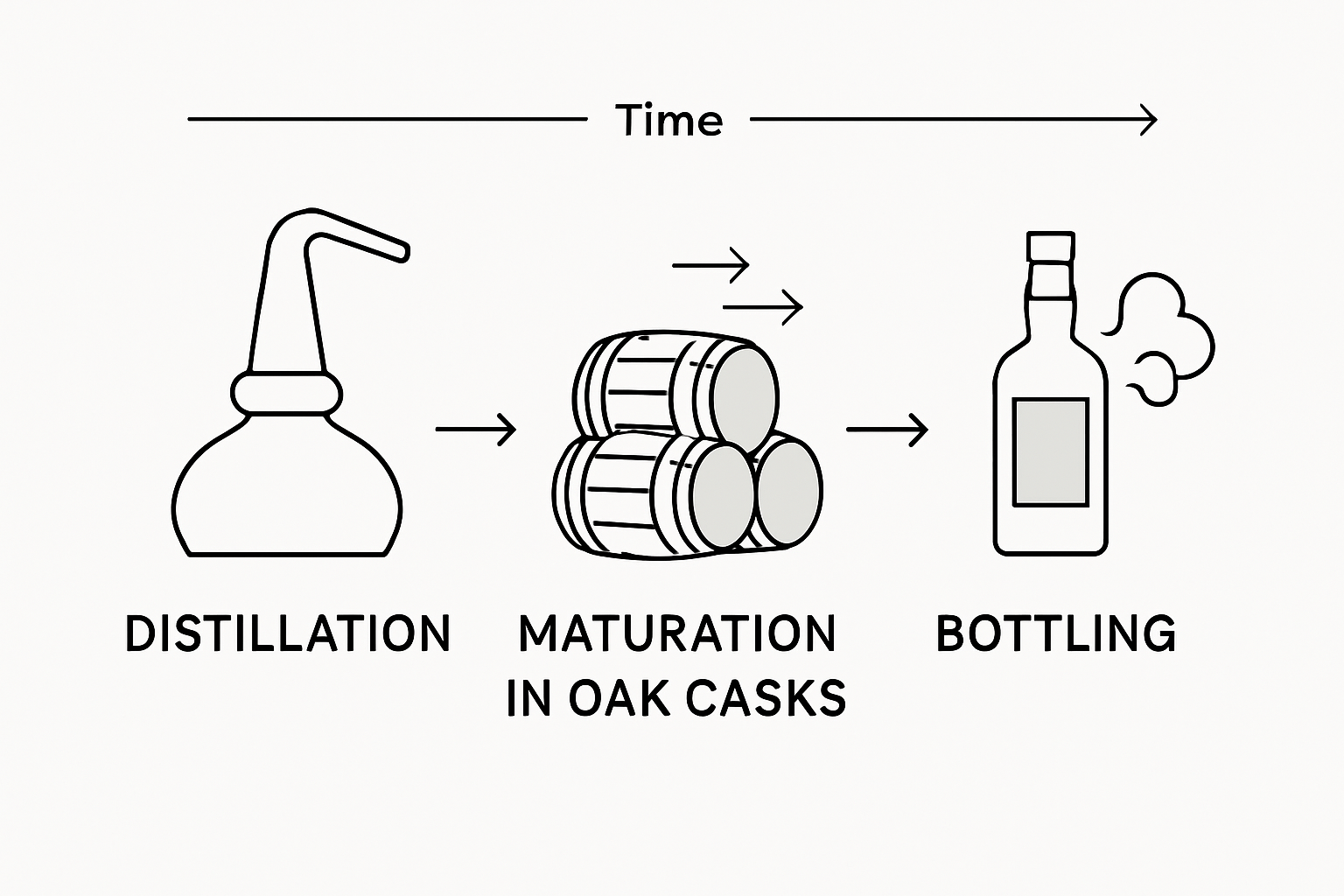
The transformation of raw ingredients into refined whisky represents a complex journey where science and artistry intersect. Understanding whisky maturation reveals the intricate processes that fundamentally shape a spirit’s character, with each stage contributing unique flavour nuances that define the final product.
Distillation represents the crucial first stage of whisky creation, where fermented grain mash is heated and transformed. Copper stills play a critical role in this process, removing unwanted compounds and concentrating flavour elements. The shape, size, and material of the still dramatically influence the spirit’s character, with narrower necks typically producing more refined, delicate spirits and wider necks creating fuller-bodied expressions.
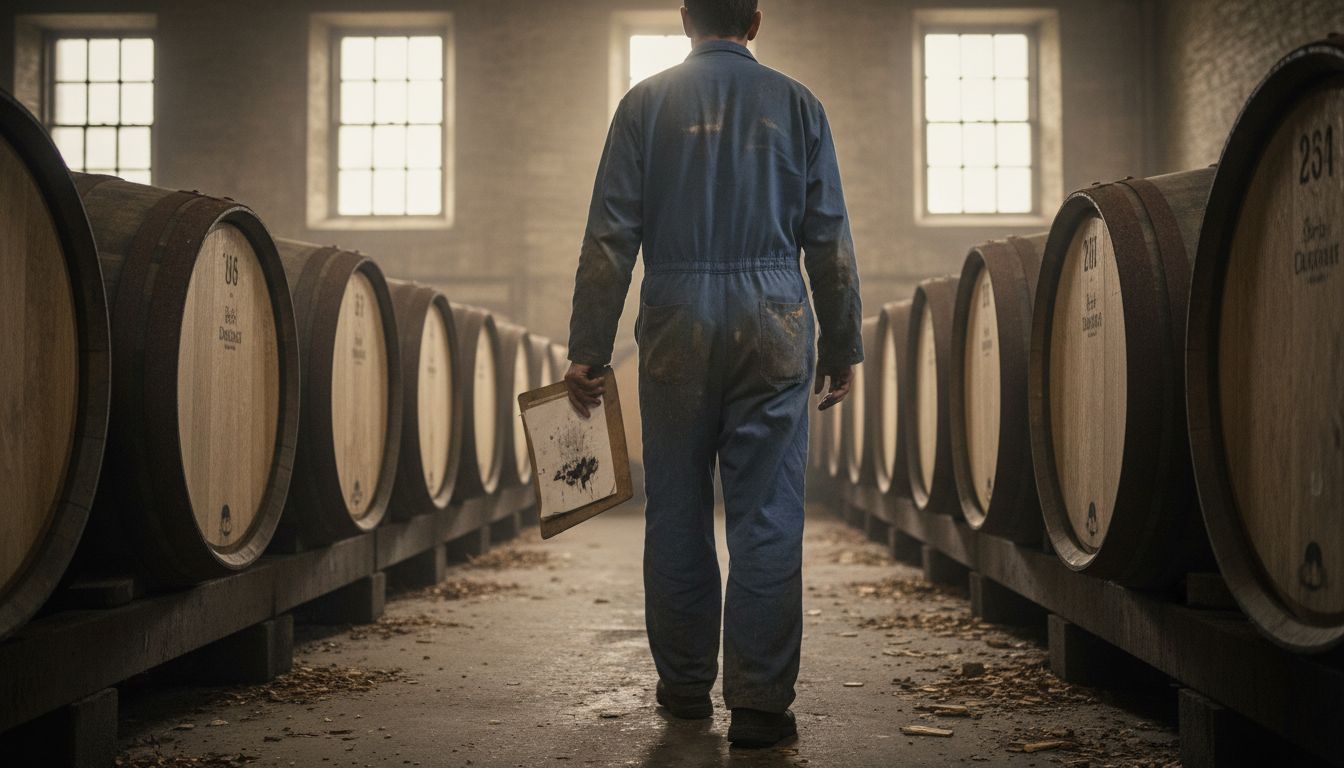
Maturation emerges as the most transformative phase in whisky development. Scientific research demonstrates that oak cask selection profoundly impacts flavour profiles, with the wood’s previous history creating remarkable chemical interactions. During the first three years of maturation, wood-derived compounds gradually integrate with the spirit, introducing complex layers of vanilla, caramel, and spice. Factors such as cask size, previous contents, toasting level, and wood type each contribute subtle yet significant flavour characteristics that distinguish one whisky from another.
While technical processes drive whisky’s evolution, the human element remains paramount. Master distillers carefully monitor and adjust maturation conditions, understanding that whisky represents both a scientific procedure and an art form. Temperature, humidity, cask positioning, and environmental conditions all interact to create unique sensory experiences. The true magic of whisky lies not just in its production but in the subtle, almost alchemical transformation that occurs during its patient aging process.
Tasting Whisky: Assessing Flavour Like a Pro
Whisky tasting represents a nuanced art form that transforms casual drinking into a sophisticated sensory experience. Comparing whisky types requires developing a systematic approach that engages all senses and goes beyond simple consumption.
The professional tasting process begins with visual assessment, examining the whisky’s colour, viscosity, and clarity. Experienced tasters observe how the liquid moves within the glass, noting its legs or tears - the droplets that form and descend along the glass walls. These visual cues provide initial insights into the whisky’s age, alcohol content, and potential flavour concentration. Swirling the glass gently releases volatile aromatic compounds, allowing a complex bouquet of scents to emerge.
Aroma and flavour exploration demands methodical attention. Professionals recommend breaking down the tasting experience into distinct stages: initial nose, first sip, mid-palate experience, and finish. Each stage reveals different layers of complexity, from initial sweet or fruity notes to deeper, more nuanced undertones of wood, spice, or smoke. Blind tasting experiments demonstrate that both expert and novice tasters can discern subtle differences between whisky styles, challenging preconceived notions about sensory perception.
Mastering whisky tasting requires practice, patience, and an open mind. Developing a personal flavour vocabulary helps articulate the intricate sensations experienced during tasting. Professional tasters often maintain tasting journals, documenting their observations and tracking the evolution of their palate. The ultimate goal transcends simple classification - it’s about understanding the story each whisky tells, appreciating the craftsmanship, and discovering personal preferences through mindful, intentional exploration.
Common Traps When Decoding Notes and Aromas
Flavour perception represents a complex psychological and sensory experience that can easily mislead even experienced whisky enthusiasts. Exploring whisky flavour profiles requires understanding the subtle psychological traps that can distort authentic tasting experiences.
One of the most significant challenges in whisky tasting involves overcoming personal bias and preconceived expectations. Tasters often unconsciously project anticipated flavours based on prior experiences, region of origin, or price point. This cognitive bias can dramatically influence sensory perception, causing individuals to taste what they expect rather than experiencing the whisky’s genuine characteristics. Scientific research demonstrates that visual cues, packaging, and even ambient environment can substantially modify flavour interpretation.
Temperature and serving method emerge as critical factors that can dramatically alter whisky’s sensory profile. Common misconceptions about whisky consumption include rigid beliefs about adding water or ice, which can actually transform the spirit’s aromatic and flavour complexity. While traditionalists might argue against dilution, professional tasters recognise that slight water addition can unlock hidden flavour compounds, releasing nuanced aromas that remain trapped at higher alcohol concentrations.
Experienced whisky enthusiasts develop strategies to counteract these perceptual traps. Blind tasting represents the most effective method of neutralising cognitive bias, allowing pure sensory evaluation without external influences. Systematic approaches like maintaining a consistent tasting environment, using neutral glassware, and practicing palate calibration through regular comparative tastings help develop a more objective sensory understanding. The ultimate goal is cultivating a flexible, open-minded approach that celebrates whisky’s profound complexity while remaining critically aware of personal perceptual limitations.
Discover Your Perfect Whisky Match and Master Every Distinct Note
Unlocking the intricate flavour profiles of whisky requires access to a diverse and expertly curated collection that showcases the unique characteristics of each spirit. Whether you are captivated by the smoky intensity of Islay malts or the refined balance of Japanese expressions, the challenge lies in exploring and appreciating these subtle nuances with confidence. At Uisuki.com.au, we understand your passion for complex flavours and the desire to develop a sophisticated palate through quality selections and insightful guidance.

Dive into our extensive range of premium whiskies including Scotch Whisky (all) - Glenglassaugh and World Whiskies to experience the full spectrum of tastes from different regions and maturation styles. Now is the time to elevate your whisky tasting journey with hard-to-find bottles and expert support that unveil every flavour note and aroma. Visit Uisuki.com.au today and start exploring with confidence to deepen your whisky knowledge and enjoyment.
Frequently Asked Questions
What are whisky flavor profiles?
Whisky flavor profiles refer to the unique combinations of taste and aroma in whisky, influenced by factors such as grain type, distillation process, aging environment, and barrel type.
How do the distillation and maturation processes affect whisky flavor?
Distillation concentrates flavor elements and removes unwanted compounds, while maturation in oak casks introduces complex flavors from the wood, such as vanilla, caramel, and spice, significantly shaping the spirit’s character.
What should I consider when tasting whisky for the first time?
Begin by observing the whisky’s color and clarity, then engage your sense of smell and taste. Break down the experience into stages: initial nose, first sip, mid-palate, and finish to fully appreciate the complexities of the whisky.
How can I overcome biases while tasting whisky?
Blind tasting is a great method to eliminate cognitive bias, allowing for objective assessment of flavors. Additionally, use consistent tasting conditions and neutral glassware to enhance sensory evaluation.