

Many whisky enthusiasts find themselves puzzled by the terms bourbon and whiskey, often using them interchangeably without recognising the crucial distinctions that separate these spirits. Understanding these differences goes beyond mere semantics; it deepens your appreciation for the craftsmanship behind each bottle and informs smarter collecting and gifting decisions. This guide clarifies the key characteristics that define bourbon as a distinct category within the broader whiskey family, helping you navigate labels, flavour profiles, and regional traditions with confidence.
Table of Contents
- Key takeaways
- What is whiskey? Origins and general characteristics
- Bourbon: What makes it unique in the whiskey family
- Key differences between bourbon and other types of whiskey
- How to apply bourbon and whiskey knowledge for collecting and gifting
- Explore premium bourbon and whiskey at Uisuki
- FAQ
Key Takeaways
| Point | Details |
|---|---|
| Bourbon basics | Bourbon is a distinctly American whiskey governed by legal rules such as a mash containing at least 51 per cent corn and ageing in new charred oak for flavour. |
| Whiskey family explained | Whiskey is a broad category that covers many regional styles such as Irish, Scotch, Canadian and American varieties, with grain mix and production rules shaping flavour. |
| Origins and spelling | Spelling hints origin, with whisky used in Scotland and Canada and whiskey in Ireland and America. |
| Barrel and grain influence | Barrel selection and grain composition drive colour, aroma and flavour intensity across styles including bourbon. |
What is whiskey? Origins and general characteristics
Whiskey is a distilled spirit made from fermented grain mash, encompassing numerous regional styles that have evolved over centuries. The grain composition varies widely, with common ingredients including barley, corn, rye, and wheat, each contributing distinct flavour characteristics to the final product. Different regions have developed unique production methods and legal frameworks that govern their whiskey styles.
Irish whiskey typically undergoes triple distillation, creating a smoother, lighter spirit compared to its counterparts. Scotch whisky, protected by strict geographic and production regulations, often features peated malted barley that imparts smoky, earthy notes. Canadian whisky tends toward lighter, blended styles, whilst American whiskey encompasses bourbon, rye, and Tennessee whiskey, each with specific requirements.
The spelling variation between “whisky” and “whiskey” generally follows geographic lines. Scottish and Canadian producers typically use “whisky” without the “e”, whilst Irish and American distillers favour “whiskey” with the “e”. This distinction, whilst not absolute, provides a helpful initial clue about a bottle’s origin.
Understanding whiskey as a broad category helps you appreciate the diversity within your collection:
- Grain composition affects sweetness, spiciness, and body
- Regional water sources contribute mineral characteristics
- Climate influences ageing speed and flavour development
- Distillation methods determine alcohol concentration and purity
- Barrel selection shapes colour, aroma, and taste complexity
“The beauty of whiskey lies in its regional diversity. Each style reflects the terroir, tradition, and innovation of its birthplace, creating a spirit category rich with exploration opportunities for collectors.”
Recognising these foundational elements allows you to approach whisky varieties with informed curiosity rather than confusion. The category’s breadth means there’s genuinely something for every palate, from delicate floral notes to robust, spicy finishes.
Bourbon: What makes it unique in the whiskey family
Bourbon stands apart as a distinctly American whiskey style governed by strict legal requirements that protect its authenticity and quality. The federal standards ensure consistency whilst allowing distillers creative freedom within defined parameters, resulting in a recognisable flavour profile that appeals to collectors worldwide.
The legal framework for bourbon production includes several non-negotiable requirements. It must contain at least 51% corn in the grain mash, distinguishing it immediately from barley-heavy Scotch or rye-forward Canadian whiskies. This corn dominance creates bourbon’s characteristic sweetness and full body. The spirit must be distilled to no more than 160 proof, preserving flavour compounds that would otherwise be stripped away at higher alcohol concentrations.
New charred oak barrels are mandatory for bourbon ageing, a requirement that significantly impacts both flavour and economics. Unlike Scotch producers who often use previously-filled barrels, bourbon distillers must use fresh cooperage for each batch. The charring process caramelises wood sugars, imparting vanilla, caramel, and toasted notes whilst the new wood contributes tannins and colour. Bourbon enters these barrels at no more than 125 proof, allowing optimal interaction between spirit and wood.
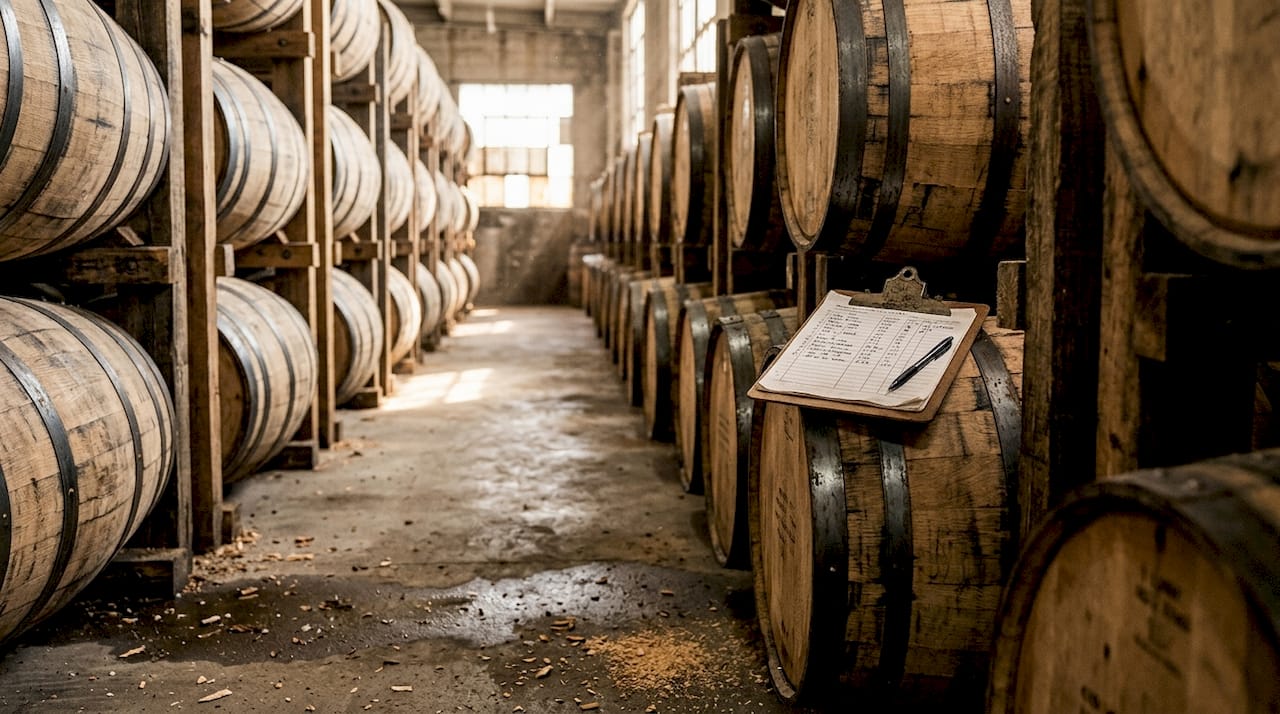
Whilst Kentucky produces roughly 95% of the world’s bourbon, the spirit can legally be made anywhere in the United States. The “Kentucky bourbon” designation simply indicates geographic origin, not superior quality, though the region’s limestone-filtered water and established distilling expertise contribute to its reputation.
Key bourbon characteristics include:
- Minimum 51% corn mash bill creates inherent sweetness
- New charred oak barrels develop vanilla, caramel, and spice notes
- No minimum ageing period required, though “straight bourbon” needs two years
- No additives permitted beyond water to adjust proof
- Distillation and barrelling proof limits preserve flavour complexity
| Bourbon requirement | Specification | Impact on flavour |
|---|---|---|
| Corn content | Minimum 51% | Sweet, full-bodied character |
| Barrel type | New charred oak | Vanilla, caramel, wood spice |
| Distillation proof | Maximum 160 | Retains grain flavours |
| Barrel entry proof | Maximum 125 | Optimal wood interaction |
| Geographic origin | United States | Varies by regional water, climate |
Pro Tip: When building a bourbon collection, look beyond Kentucky. Craft distilleries in Texas, New York, and Colorado produce distinctive limited edition bourbons that reflect their unique climates and water sources, offering flavour profiles unavailable from traditional producers.
Understanding these bourbon requirements helps you identify authentic bottles and appreciate the craftsmanship behind each sip. The legal protections ensure that when you purchase bourbon, you’re getting a product that meets rigorous standards developed over centuries of American distilling tradition.
Key differences between bourbon and other types of whiskey
The distinctions between bourbon and other whiskey styles extend far beyond simple labelling, encompassing fundamental differences in ingredients, production methods, and regional traditions that shape each spirit’s unique character. Understanding these contrasts transforms casual appreciation into informed connoisseurship.
Grain composition represents the most immediate difference. Bourbon’s minimum 51% corn content contrasts sharply with Scotch whisky, which typically uses predominantly malted barley. Irish whiskey often blends malted and unmalted barley, whilst rye whiskey must contain at least 51% rye grain, creating a spicier, drier profile than bourbon’s sweetness. These grain bills aren’t arbitrary choices but deliberate decisions that define each whiskey’s foundational flavour.
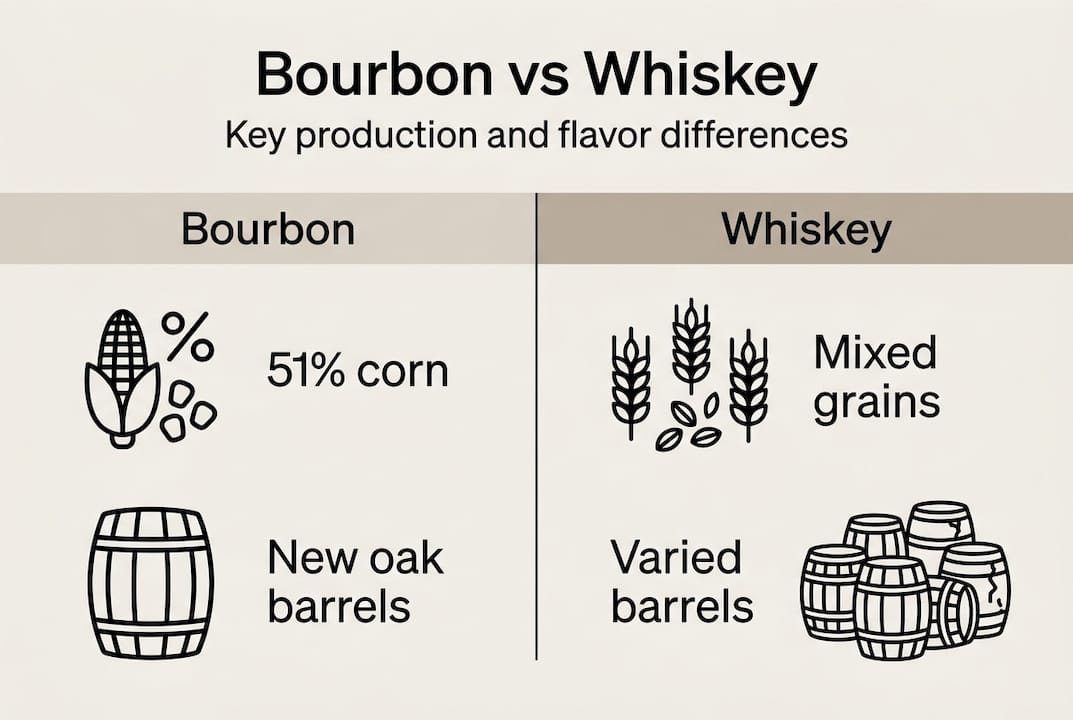
Barrel requirements create perhaps the most significant production distinction. Bourbon’s mandate for new charred oak barrels means distillers cannot reuse cooperage, whilst Scotch producers often employ barrels previously used for bourbon, sherry, or wine. This practice allows Scotch to develop complex layered flavours from multiple wood influences, whereas bourbon derives its character primarily from fresh oak interaction. Japanese whisky producers similarly use diverse barrel types, including Mizunara oak, which imparts distinctive sandalwood and incense notes impossible to achieve with American oak alone.
Geographic origin carries legal weight beyond marketing. Scotch whisky must be distilled and matured in Scotland for a minimum of three years. Irish whiskey requires production in Ireland with similar ageing mandates. Bourbon must be American-made but has no minimum ageing requirement, though “straight bourbon” needs two years. These geographic protections ensure authenticity and preserve traditional production methods.
| Whiskey type | Minimum grain requirement | Barrel type | Minimum ageing | Geographic requirement |
|---|---|---|---|---|
| Bourbon | 51% corn | New charred oak | None (2 years for “straight”) | United States |
| Scotch | Malted barley (varies) | Often used barrels | 3 years | Scotland |
| Irish whiskey | Barley (malted/unmalted) | Various, often used | 3 years | Ireland |
| Rye whiskey | 51% rye | New charred oak (American) | None (2 years for “straight”) | USA or Canada |
| Canadian whisky | No specific requirement | Various | 3 years | Canada |
Flavour profiles reflect these production differences dramatically. Bourbon typically presents sweet vanilla, caramel, and corn notes with oak spice. Scotch ranges from light, floral Speyside malts to heavily peated Islay expressions with medicinal, smoky characteristics. Irish whiskey often shows smooth, approachable fruit and grain notes. Rye whiskey brings peppery spice and dry, grainy flavours.
Proof regulations vary by jurisdiction and style. American bourbon cannot exceed 160 proof at distillation or 125 proof entering barrels, whilst Scotch has different standards focused on final bottling strength. These technical specifications influence flavour concentration and mouthfeel.
Key contrasts for collectors:
- Bourbon’s sweetness versus Scotch’s potential for smoke and peat
- New oak’s bold vanilla notes versus used barrels’ subtle complexity
- American climate’s faster ageing versus Scotland’s slower maturation
- Corn’s full body versus barley’s lighter, more delicate character
- Legal protections ensuring regional authenticity and production standards
Pro Tip: When comparing whiskey, Scotch, and bourbon side by side, start with bourbon’s sweetness, move to Irish whiskey’s smoothness, then explore Scotch’s complexity. This progression trains your palate to detect subtle differences in grain character, wood influence, and regional water profiles.
These distinctions aren’t merely academic. They directly impact which bottles suit specific occasions, food pairings, and personal preferences. A peated Islay Scotch overwhelms delicate seafood, whilst bourbon’s sweetness complements barbecue beautifully. Understanding these differences helps you select appropriately for any situation.
How to apply bourbon and whiskey knowledge for collecting and gifting
Transforming knowledge into practical collecting and gifting strategies requires understanding how production differences translate into bottle selection, storage, and presentation decisions that honour both the spirit and the recipient.
Matching gifts to recipient preferences starts with recognising flavour profile tendencies. Understanding bourbon and whiskey differences allows you to select bottles that align with established tastes rather than guessing blindly. Someone who enjoys sweet cocktails likely appreciates bourbon’s caramel notes, whilst adventurous drinkers might embrace peated Scotch’s challenging smoke. Consider their existing collection for clues about preferred regions, proof ranges, and age statements.
Authenticity verification becomes crucial with premium and limited edition bottles. Check for proper labelling that confirms bourbon’s American origin and grain requirements, or Scotch’s Scottish production and minimum ageing. Counterfeit bottles plague the secondary market, particularly for rare releases. Purchase from reputable retailers who provide provenance documentation and proper storage history.
Building a diverse collection requires strategic thinking about representation across categories, regions, and styles. Balance bourbon’s sweetness with Scotch’s complexity, include Irish whiskey’s approachability, and explore craft American distilleries pushing traditional boundaries. Consider ageing statements, cask finishes, and proof variations to create depth within each category.
Steps for thoughtful whisky gift selection:
- Identify recipient’s current preferences through conversation or observation of their existing collection
- Choose bourbon for sweet-leaning palates, Scotch for complexity seekers, Irish for smooth-drinking preferences
- Verify bottle authenticity through retailer reputation, proper labelling, and reasonable pricing that reflects true market value
- Package attractively with tasting notes, production details, or food pairing suggestions that demonstrate thoughtfulness
- Arrange secure shipping with proper insurance if sending interstate or internationally, ensuring temperature-controlled transport
Storage and display considerations protect your investment whilst showcasing your collection. Keep bottles upright to prevent cork deterioration, away from direct sunlight that degrades flavour compounds, and in temperature-stable environments between 15-20°C. Opened bottles oxidise over time, so consume higher-proof spirits within one to two years for optimal flavour preservation.
Collection building strategies:
- Start with representative examples from major categories before pursuing rare bottles
- Document tasting notes to track flavour preferences and guide future purchases
- Rotate displayed bottles seasonally to prevent light damage whilst maintaining visual interest
- Consider investment potential alongside drinking pleasure for limited releases
- Join tasting groups to sample before committing to full bottle purchases
- Store backup bottles of discontinued favourites as distillery portfolios change
For Australian collectors, consider import regulations and shipping costs when sourcing international bottles. Local retailers often provide better value than international shipping once duties and freight are calculated. Supporting Australian distilleries also builds unique collections unavailable elsewhere whilst contributing to the domestic craft spirits movement.
Gifting occasions benefit from matching whiskey type to context. Bourbon suits celebrations with its approachable sweetness, whilst aged Scotch marks significant milestones with gravitas. Corporate gifts benefit from recognisable prestige brands, whilst personal gifts allow more adventurous craft selections that demonstrate intimate knowledge of recipient preferences.
Understanding these practical applications ensures your bourbon and whiskey knowledge translates into meaningful collecting decisions and thoughtful gifts that genuinely delight recipients rather than gathering dust on shelves.
Explore premium bourbon and whiskey at Uisuki
Applying your newfound understanding of bourbon and whiskey distinctions becomes effortless when exploring Uisuki’s curated selection of premium spirits tailored for Australian collectors and enthusiasts. Our range showcases the diversity discussed throughout this guide, from bourbon-matured innovations to limited edition blends and traditional Scotch expressions.

Discover unique expressions like Hobart Whisky bourbon matured rum finished single malt, which bridges bourbon and whisky traditions through innovative cask finishing. Explore Ichiro’s Malt and Grain limited edition for world-class Japanese blending artistry, or experience Ardnamurchan Maclean’s Nose blended Scotch showcasing traditional Scottish craftsmanship. Each bottle includes detailed tasting notes, production specifications, and provenance information to inform your selection.
Whether building a comprehensive collection or selecting the perfect gift, our team provides expert guidance matching bottles to your specific requirements and taste preferences.
FAQ
What is the main legal requirement that distinguishes bourbon from other whiskeys?
Bourbon must be produced in the United States using a grain mash containing at least 51% corn and aged in new charred oak barrels. These legal standards, enforced by federal regulations, separate bourbon from other whiskey styles that may use different grains, reused barrels, or originate from other countries. The new barrel requirement particularly distinguishes bourbon from Scotch, which typically uses previously-filled casks.
Can whisky spelled without the ‘e’ be a bourbon?
Whisky spelled without the “e” typically refers to Scottish or Canadian varieties following their regional spelling conventions. Bourbon, being an American whiskey style, conventionally uses the “whiskey” spelling with an “e” in accordance with American distilling tradition. However, the spelling itself doesn’t determine bourbon status; the production requirements and American origin define the category regardless of how individual producers choose to spell the word.
How can I identify a quality bourbon for my collection?
Examine the label for proof compliance, age statements, and verification of American production meeting legal bourbon standards. Limited edition releases often indicate higher collectibility through restricted production runs, special cask finishes, or unique mash bills. Research the distillery’s reputation, read professional reviews, and when possible, sample before purchasing full bottles. Quality indicators include detailed provenance information, appropriate pricing that reflects production costs, and transparent disclosure of ageing and proof specifications.
Is the ageing process for bourbon different from other whiskeys?
Bourbon must be aged in new charred oak barrels, whilst many other whiskey styles use previously-filled barrels that have held bourbon, sherry, wine, or other spirits. This fundamental difference significantly impacts flavour development, with new oak imparting bold vanilla, caramel, and wood spice notes to bourbon. Scotch and other whiskies using seasoned barrels develop more subtle, layered complexity from residual flavours in the wood. Additionally, bourbon has no minimum ageing requirement, though “straight bourbon” must age at least two years, whereas Scotch requires three years minimum maturation.