

For most drinkers, The GlenAllachie 12 Year Old is the best Speyside single malt on the market right now. It took out Best Scotch Speyside Single Malt at the World Whiskies Awards 2025, sits at a robust 46% ABV with no colouring or chill filtration, and delivers stewed apple, cocoa and sweet spice for a price that undercuts most of its sherry-bomb rivals. If you want a lighter, fruitier everyday dram, Speyburn 10 is the pick. If you’re after full-throttle sherry intensity at cask strength, go straight to Aberlour A’Bunadh.
- Best overall: The GlenAllachie 12 Year Old, award-winning, bottled at a robust strength
- Best value: Aberlour 12, sherry and bourbon cask blend, widely stocked
- Best sherry-led: Tamdhu 12, 100% Oloroso sherry cask maturation
Pro Tip: Buy the 12 Year Old before the older expressions if you’re new to Speyside. Age statements above 15 years add complexity, but they rarely change the region’s fruit-and-honey character enough to justify the jump in price for a first bottle.
Key Takeaways
| Point | Details |
|---|---|
| Top overall pick | The GlenAllachie 12 Year Old won Best Scotch Speyside Single Malt at WWA 2025. |
| Cask type drives flavour | Sherry casks bring dried fruit and spice; bourbon casks keep things lighter and fruitier. |
| Value doesn’t mean compromise | Glenfarclas 15 and Aberlour 12 repeatedly rank among the best under $100. |
| Check provenance before buying rare bottles | Verify batch numbers, seals and pricing history, especially on limited or older releases. |
| Where to buy with confidence | Uisuki lists full batch, ABV and cask details on every Speyside product page, with sourcing help for rare bottles. |
Table of Contents
- What are the best Speyside single malts right now?
- How do you choose the right Speyside malt for your taste?
- How should you taste a Speyside single malt properly?
- How were these Speyside picks chosen?
- What makes Speyside significant within Scotch whisky?
- Which distilleries define Speyside’s flagship single malts?
- How does Speyside differ from other Scotch whisky regions?
- Where should you buy authentic Speyside whisky?
- Buy your next Speyside single malt through Uisuki
- Frequently asked questions
- Sources
What are the best Speyside single malts right now?
Ranking Speyside malts isn’t just about age or price. It’s about how well cask type, maturation length and distillery style line up with what’s actually in the glass, and whether independent judges back that up. The list below leans on the World Whiskies Awards, International Spirits Challenge results, and repeat mentions in specialist value roundups, cross-checked against producer tasting notes.
1. The GlenAllachie 12 Year Old — Best for: overall/first-time buyers. Bottled at 46% ABV with no chill filtration, it won Best Scotch Speyside Single Malt at WWA 2025. Expect stewed apples, cocoa powder and a slow build of sweet spice.
2. Aberlour 12 Year Old — Best for: value and everyday drinking. Matured across ex-sherry and ex-bourbon barrels, it’s consistently rated as one of the best price-to-quality Scotches available, with candy apple, honey and dark chocolate on the palate.
3. Tamdhu 12 Year Old — Best for: sherry lovers. Matured entirely in Oloroso sherry oak, it carries dried fruit and spice with a faint smoky edge, and has picked up medals at both the San Francisco World Spirits Competition and International Spirits Challenge.
4. Aberlour A’Bunadh — Best for: cask-strength sherry fans.
5. Glenfarclas 15-Year-Old — Best for: traditionalists on a budget. Sherry-forward but drier than Tamdhu, with orange peel and toasted oak; regularly named among the best Speyside malts under €100.
6. Glenfiddich 12 Year Old — Best for: newcomers to single malt. Bourbon-cask led, pear and subtle oak, the most widely available bottle on this list.
7. The Macallan 12 Year Old (Sherry Oak) — Best for: gifting and special occasions. Full sherry maturation, dried fruit and ginger; read our Macallan 12 tasting notes and buying tips before you buy.
8. The Balvenie 12 Year Old DoubleWood — Best for: balance seekers. Bourbon cask followed by a sherry cask finish, honey and vanilla with a light spiced finish.
9. Benromach 10 Year Old — Best for: those who want a hint of smoke. Light peating alongside classic orchard fruit, a genuine outlier in the region.
10. Speyburn 10 Year Old — Best for: budget-friendly, fruit-forward drams. Orange, cinnamon and butterscotch at 40% ABV, an accessible entry point into the lighter Speyside style.
| Bottle | Best for | Age / NAS | Cask type | ABV | Price band | Awards / signal |
|---|---|---|---|---|---|---|
| GlenAllachie 12 | Overall pick | 12 years | Bourbon & sherry | 46% | Mid | WWA 2025 winner |
| Aberlour 12 | Value | 12 years | Sherry & bourbon | 40% | Value | Repeat price-to-quality pick |
| Tamdhu 12 | Sherry lovers | 12 years | 100% Oloroso sherry | 43% | Mid | SFWSC / ISC medals |
| Aberlour A’Bunadh | Cask strength | NAS | Sherry (batch) | ~59-61% | Mid to premium | Cult following |
| Glenfarclas 15 | Traditionalists | 15 years | Sherry | 46% | Value | Under €100 roundups |
| Glenfiddich 12 | Beginners | 12 years | Bourbon | 40% | Value | Widest availability |
| Macallan 12 Sherry Oak | Gifting | 12 years | Sherry | 40% | Premium | Flagship prestige |
| Balvenie 12 DoubleWood | Balance | 12 years | Bourbon + sherry finish | 40% | Mid | Long-standing reputation |
| Benromach 10 | Peated Speyside | 10 years | Bourbon | 43% | Value to mid | Regional outlier |
| Speyburn 10 | Budget/fruity | 10 years | Bourbon | 40% | Value | Entry-level favourite |
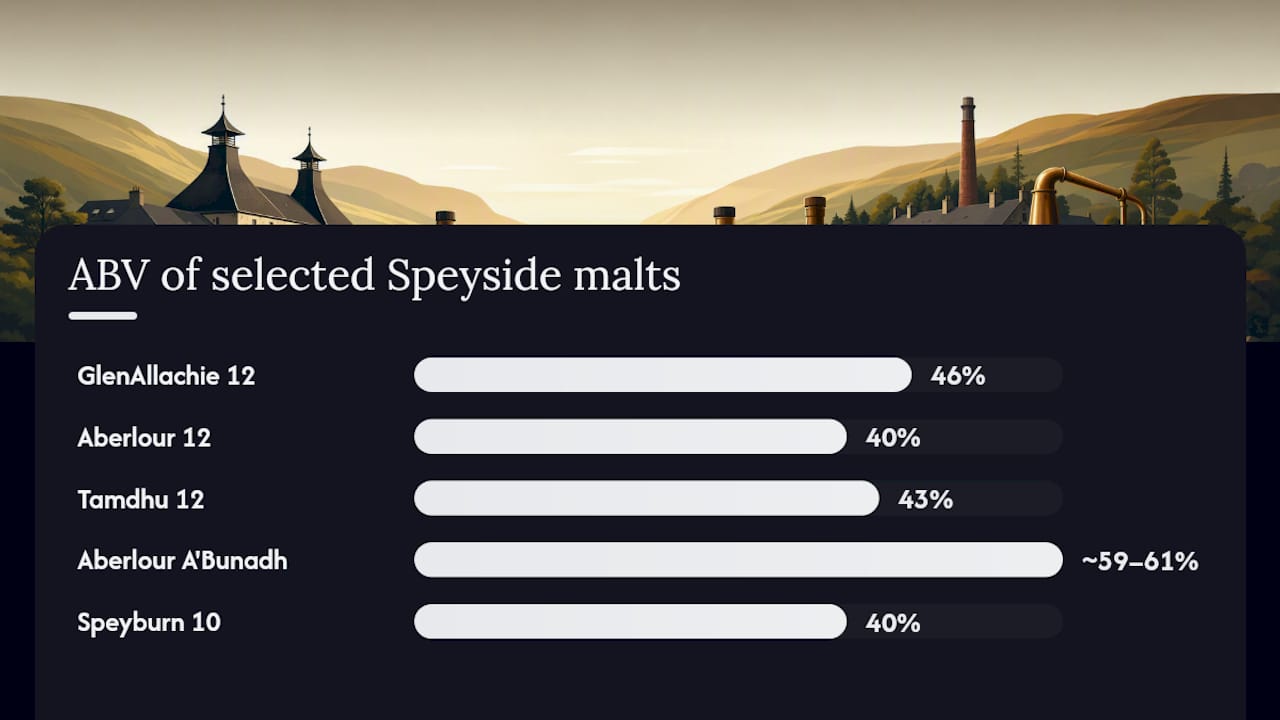
The value cluster is worth pausing on. Specialist roundups keep pointing to the same handful of bottles under €100, including Glenfarclas 15 and The GlenAllachie 12, which suggests these aren’t one-off bargains but consistent performers across release batches. Meanwhile, judging trends at WWA 2026 show accessible core-range bottlings regularly beating pricier limited editions, which tells you something: age statements and rarity don’t automatically translate to better whisky in the glass.
How do you choose the right Speyside malt for your taste?
Start with cask type, because it’s the single biggest driver of flavour direction. Sherry-matured malts (Tamdhu, A’Bunadh, Macallan) lean toward dried fruit, spice and richness. Bourbon-cask malts (Glenfiddich, Speyburn) stay lighter, with orchard fruit and honey. A “sherry finish” bottle like Balvenie DoubleWood sits between the two.
Work through this before buying:
- Do you want sherry richness or light orchard fruit and honey?
- Does an age statement matter to you, or would you accept a no-age-statement (NAS) release with a stronger cask story?
- Is cask strength (55%+ ABV) something you’ll actually enjoy, or would a standard 40-46% suit your palate better?
- What’s your ceiling, value under $100, mid-range, or a genuine splurge bottle?
Then run a quick sense check on the bottle itself:
- Full, legible label with distillery name, age (if stated) and ABV clearly printed
- Consistent fill level and an intact seal with no signs of tampering
- A price that roughly matches recent sales for that exact expression and batch, not a “too good to be true” discount on a rare bottling
Pro Tip: If a rare or older Speyside bottle is priced well below every other listing you can find for it, treat that as a red flag rather than a bargain. Provenance gaps are the most common warning sign in secondary-market whisky sales.
How should you taste a Speyside single malt properly?
Speyside’s signature is fruit and honey, but you’ll miss most of it if you rush the glass. Use a tulip-shaped nosing glass, not a tumbler, so the aromas concentrate rather than scatter.
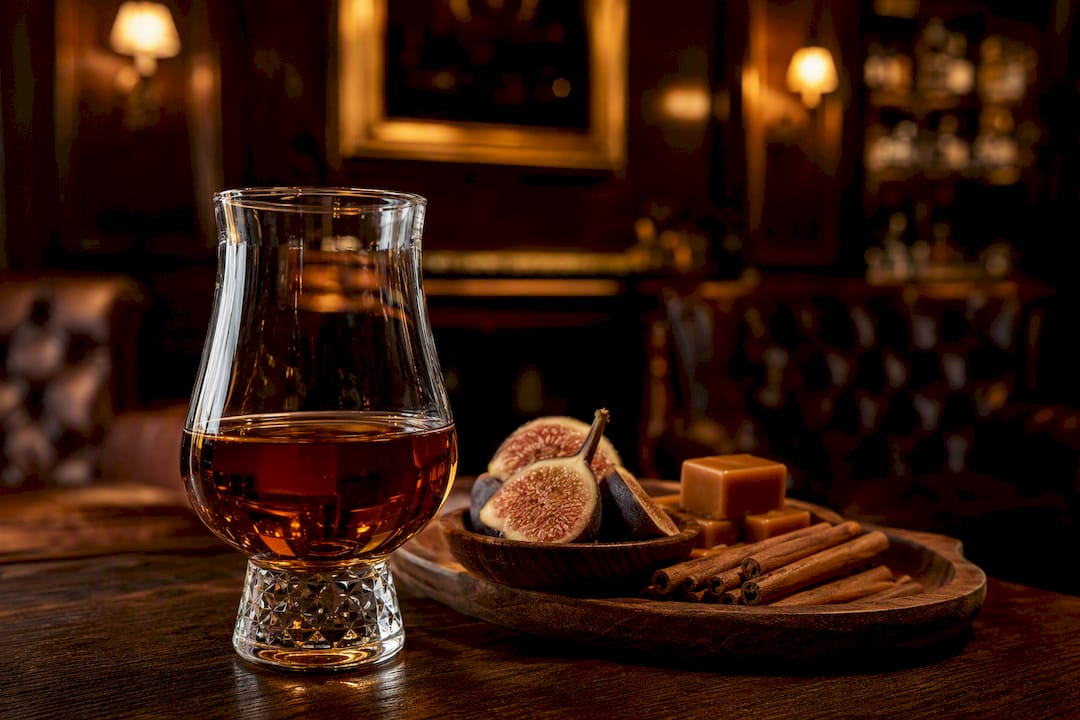
- See: Hold it to the light. Deeper amber usually signals sherry cask influence; pale gold points to bourbon casks.
- Nose: Rest the glass under your nose with your mouth slightly open. Look for apple, pear, honey and heather in bourbon-led malts, or raisin, fig and clove in sherry-led ones.
- Palate: Take a small sip and let it sit before swallowing. Note where the sweetness sits, front, middle or the finish.
- Finish: Time how long the flavour lingers. Sherry casks tend to leave a longer, spicier tail than bourbon casks.
Serve at room temperature, neutral tap or filtered water works fine for opening it up. A splash, no more than a teaspoon for a standard 30ml pour, softens the alcohol and often reveals notes the neat spirit was hiding.
Pro Tip: Let the whisky sit in the glass for two or three minutes before your first sip. Cask-strength releases like Aberlour A’Bunadh change dramatically once they’ve had a moment to breathe.
How were these Speyside picks chosen?
Every bottle on this list had to clear four hurdles: recognition at a credible competition, transparent cask information, a defensible price-to-quality ratio, and reasonable availability. We weighed results from the World Whiskies Awards across 2024 and 2025, alongside International Spirits Challenge and San Francisco World Spirits Competition medal lists, plus producer-published tasting notes.
Award consistency across multiple years matters more than a single win. A distillery that keeps placing across 2024 and 2025 WWA categories is a stronger signal than one standout year.
- Competition results (WWA, ISC, SFWSC)
- Published cask and maturation transparency
- Price-to-quality relative to comparable expressions
- Batch and availability variability, since independent bottlings and single-cask releases can shift year to year
What makes Speyside significant within Scotch whisky?
Speyside is Scotland’s most densely populated whisky region, clustered around the River Spey in the north east Highlands. It’s home to roughly half of all operating Scotch distilleries, despite covering a fraction of the country’s landmass.
That density exists because of geography: soft river water, ready access to barley, and a naturally sheltered valley made it the logical place for distilling to concentrate, especially once the 1823 Excise Act made legal production viable at scale. Over two centuries, that concentration turned Speyside into the reference point for a whole flavour category, the fruity, honeyed, often sherry-finished style most drinkers picture when they hear “single malt”.
Its significance isn’t just historical. Speyside anchors most major blended Scotch recipes, and its flagship distilleries, GlenAllachie, Glenfiddich, The Macallan, Aberlour, among them, produce some of the highest-volume and highest-value single malts sold worldwide. When whisky writers and awards bodies talk about “the Speyside style”, they’re really describing the commercial and stylistic backbone of the entire Scotch category.
Understanding Speyside gives you a baseline. Once you know what “typical” Speyside tastes like, orchard fruit, honey, sherry spice in varying intensity, you can spot when a bottle deliberately breaks from that pattern, which is often where the most interesting drams sit.
Which distilleries define Speyside’s flagship single malts?
A handful of names carry disproportionate weight in Speyside’s reputation, each with a distinct signature.
The GlenAllachie built its modern reputation on cask experimentation under distillery owner Billy Walker, favouring the 12 and 15 year expressions for their sherry and bourbon cask blending. Glenfiddich is the world’s best-selling single malt, and its 12, 15 and older core range defines what most people first encounter as “Scotch”. The Macallan built a prestige identity almost entirely around sherry-matured core bottlings, making it the default gifting and collector’s choice in the region.
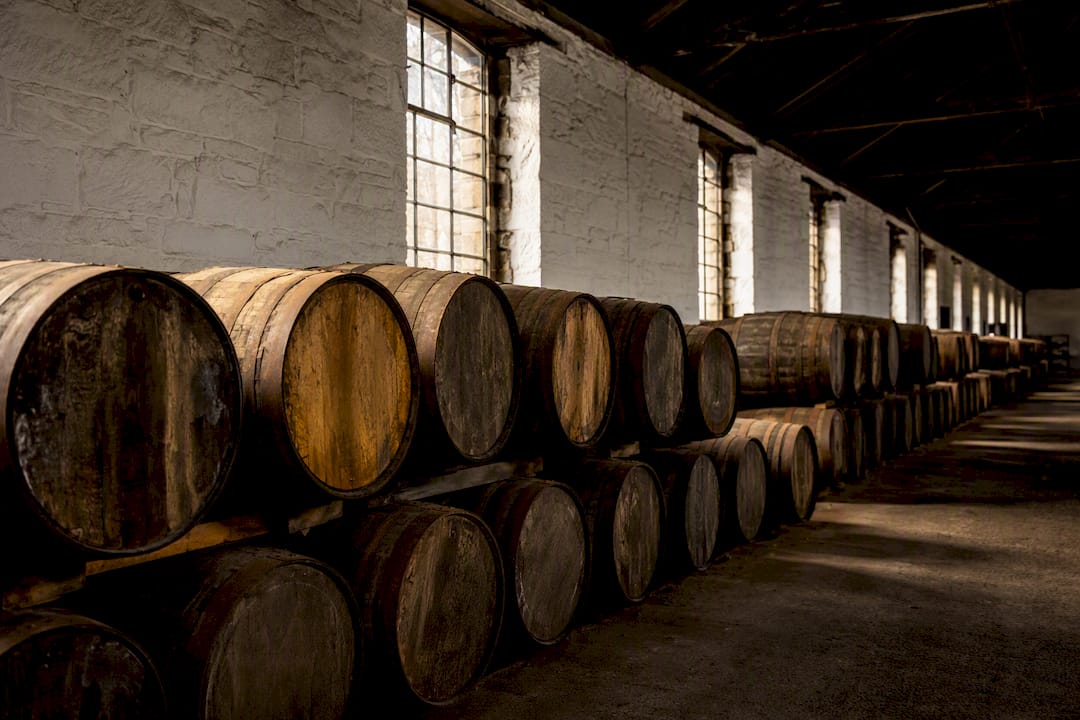
Aberlour splits its lineup between the approachable 12 Year Old and the cask-strength A’Bunadh, giving it range across both casual and serious drinkers. The Balvenie leans on cask finishing techniques, with its 12 to 15 year expressions showcasing how a second cask can reshape a whisky’s back half. Glenfarclas stays defiantly traditional and family-owned, with its sherry-led 15 and 25 year releases prized for consistency.
Smaller but respected names round out the picture. Tamdhu commits entirely to Oloroso sherry casks. Benromach is the region’s peating outlier. Benriach and The Glenrothes both draw praise for cask transparency and vintage-dated releases that let drinkers track how a specific year’s spirit matured.
How does Speyside differ from other Scotch whisky regions?
Speyside’s calling card is balance: fruit, honey and moderate sherry influence, rarely dominated by smoke or heavy salinity. That puts it in direct contrast with its neighbours.
Islay whiskies (Laphroaig, Ardbeg) lean hard into peat smoke and maritime brine, a world away from Speyside’s orchard-fruit softness. Highland malts cover more ground stylistically, from light and floral to heather-honeyed, but rarely hit Speyside’s density of sherry-cask expressions. Lowland whiskies tend lighter and grassier again, often triple-distilled for extra smoothness. Campbeltown, now down to a handful of working distilleries, produces a distinctly briny, oily style that shares more with Islay than Speyside.
Part of what separates Speyside is technical, not just geographic. Distilleries using traditional worm-tub condensers instead of modern shell-and-tube condensers tend to produce a heavier, waxier spirit, closer to the texture you’d associate with Campbeltown or parts of Islay. Most Speyside distilleries have shifted to shell-and-tube systems, which produce a cleaner, lighter spirit, reinforcing the fruit-forward character the region is known for. Where a Speyside distillery has kept worm tubs, expect a noticeably different mouthfeel from the regional norm.
Where should you buy authentic Speyside whisky?
Provenance is the whole game once you move past supermarket-shelf bottles. Buy from established retailers with clear sourcing, verifiable stock and transparent pricing history, rather than chasing the cheapest listing on a marketplace you’ve never used before.
Watch for these warning signs before you commit:
- A price well under the going rate for that exact bottle and batch, especially on older or limited releases
- Vague or missing details about where the bottle has been stored, particularly for anything described as “vintage” or “rare”
- Damaged, faded or mismatched labels, or a seal that doesn’t sit flush
- A seller unwilling to answer basic questions about the bottle’s origin or batch number
For everyday drinking bottles, this matters less, a GlenAllachie 12 or Aberlour 12 from any reputable retailer is going to be genuine. It matters most with limited editions, cask-strength batches and older age statements, where counterfeiting and grey-market resale are real risks. A specialist retailer that lists batch numbers, ABV and full provenance on every product page gives you a paper trail if anything ever needs verifying.
A publisher’s note on Speyside and personal favourites
Speyside is where most of us cut our teeth on single malt, and it rewards revisiting once you’ve tasted more widely. My own shelf leans toward Tamdhu 12 and The GlenAllachie 12, sherry depth without losing the region’s fruit. Uisuki’s curated Speyside range reflects that same bias toward cask transparency overhype.
Buy your next Speyside single malt through Uisuki
Uisuki gives you what a bottle shop shelf usually can’t: full batch details, ABV and cask information on every listing, plus access to limited GlenAllachie releases that sell out fast elsewhere.

Browse the range from the approachable GlenAllachie 8 Year Old through to cask-strength batch releases like the GlenAllachie 10 Year Old Batch 4, or step up to sherry-forward picks such as the Glendronach 12 Year Old. Uisuki ships locally and internationally, with free shipping thresholds clearly listed at checkout, so you know landed cost before you commit. Chasing a specific vintage, an independent bottling, or an older GlenAllachie expression like the 35 Year Old? Submit a sourcing request and the team will track it down. Head to the Uisuki whisky range to check current stock and place an order today.
Frequently asked questions
What is the best Speyside malt for a beginner? Glenfiddich 12 or Aberlour 12 are the easiest entry points, both bourbon-cask led (Aberlour blends in sherry), light on the palate, and widely available at a value price point.
What’s the difference between Speyside and Highland whisky? Speyside sits inside the wider Highland region but has developed its own distinct style, fruitier and more consistently sherry-influenced than the broader Highland category, which ranges from light and floral to smoky.
Are Speyside whiskies always sweet? Not always, but sweetness is common. Sherry-cask expressions like Tamdhu 12 and Aberlour A’Bunadh lean rich and sweet, while bourbon-cask malts like Speyburn 10 are lighter, with less residual sweetness on the finish.
Is The GlenAllachie 12 worth the hype? Yes, based on both award results and tasting profile. It won Best Scotch Speyside Single Malt at WWA 2025, and its 46% ABV, uncoloured, non-chill-filtered production gives it more texture than many bottles at a similar price.
Can I find good Speyside single malts under $100? Yes. Glenfarclas 15, The GlenAllachie 12 and Aberlour 12 all regularly appear in value roundups under €100, and all three are backed by consistent competition results across recent years.
Sources
- World Whiskies Awards 2025 - Winners
- The Best Speyside Single Malts Under €100 in 2026
- Worm tubs vs shell‑tube condensers — how they shape single malt whisky flavour