

TL;DR:
- Choosing a single malt whisky involves understanding regional styles, ABV, and cask type to match personal preferences. Regions like Speyside and Lowland are ideal for beginners due to their lighter, approachable flavors, while ABV impacts the spirit’s intensity and aromatic release. Age statements are less indicative of quality than cask quality and distillery style, making a structured selection process essential for confident buying.
Selecting a single malt whisky means choosing a spirit produced at one distillery from malted barley, aged in oak casks, and bottled without blending from multiple distilleries. The process requires you to weigh flavour preference, regional style, ABV, and age statement together. Get one of those factors wrong and a $120 bottle can disappoint. Get them right and you discover exactly why distilleries like Glenfiddich, Laphroaig, and Auchentoshan have loyal followings across decades. This guide gives you a practical single malt selection framework built around the criteria that actually matter in 2026.
How do whisky regions influence single malt flavour and selection?
Region is the fastest shortcut to flavour prediction when choosing single malt whisky. Scotland’s six recognised whisky regions each produce a distinct style, shaped by local water, climate, and distillery tradition. Understanding them saves you from buying a bottle that tastes nothing like what you expected.
Here is what each region typically delivers:
- Speyside (Glenfiddich, Macallan, Glenlivet): fruity, honeyed, and approachable. Speyside is the friendliest region for beginners, with light sweetness and minimal smoke.
- Highland (Dalmore, Glenmorangie, Oban): broad and diverse. Expect dried fruit, heather, and occasional coastal brine depending on the distillery’s location.
- Lowland (Auchentoshan, Glenkinchie): light, grassy, and gentle. Triple distillation at Auchentoshan produces a delicate spirit that suits those new to Scotch.
- Islay (Laphroaig, Ardbeg, Bowmore): heavily peated, medicinal, and smoky. Islay suits experienced drinkers who already know they enjoy bold, smoky flavours.
- Campbeltown (Springbank, Glen Scotia): briny, oily, and complex. A small region with a distinctive maritime character.
- Islands (Highland Park, Talisker, Jura): variable, often combining smoke with sweetness and sea salt.
Regions are a useful guide to flavour expectations, not a strict rulebook. Diversity exists within every region, and some distilleries deliberately break from type. Glenmorangie, technically Highland, produces some of the most delicate and floral expressions in all of Scotland.
Pro Tip: Start with a Speyside or Lowland expression before moving to Islay. Glenfiddich 12 and Auchentoshan Three Wood are both widely available in Australia and give you a clean reference point for comparing other styles.
Exploring whisky regions and palate development is worth doing methodically. Buy one bottle from two different regions, taste them side by side, and the differences become immediately obvious.
What role does ABV and cask strength play in selecting single malt?
ABV is not just a number on a label. It directly shapes how a whisky feels in your mouth, how aromas are released, and how much water you should add before tasting.

Single malts typically range between 40–60% ABV. Lower ABV expressions around 40–43% are smoother and more approachable. Higher ABV expressions above 50% deliver greater flavour concentration and a longer finish. Cask strength bottlings sit at the top of the range, often between 52–65% ABV, and are bottled without dilution to preserve the spirit’s natural intensity.
| Strength type | Typical ABV range | Best suited to |
|---|---|---|
| Standard bottling | 40–43% | Beginners and everyday drinking |
| Higher strength | 46–50% | Intermediate drinkers seeking more depth |
| Cask strength | 52–65% | Experienced drinkers, collectors |
Standard bottlings are diluted to 40–43% ABV before release. That dilution smooths the spirit but can reduce complexity. Cask strength bottles skip that step entirely, giving you the whisky as it came from the barrel. The trade-off is intensity that can overwhelm if you are not prepared for it.
Adding water to cask strength whisky changes how aromatics are released. A single drop can open up floral or fruity notes that were masked by alcohol at full strength. Always try a cask strength expression neat first, then add water gradually to find your preferred balance.
Pro Tip: If you are buying your first cask strength bottle, look for one bottled around 55–58% ABV. Expressions like Springbank 10 Cask Strength sit in that range and reward careful water addition without punishing you for going neat.
Understanding the role of ABV in whisky helps you make a more confident purchase decision, especially when comparing bottles at similar price points.
How do age statements and NAS labels affect quality and selection?
Age statements are one of the most misread pieces of information on a whisky label. A 12-year age statement means no spirit younger than 12 years is included in that bottle. It is a legal minimum, not an average. Age statements denote production philosophy and inventory choices, not a direct verdict on quality.
The standard milestones you will encounter most often are:
| Age statement | Common examples | General character |
|---|---|---|
| 12 years | Glenfiddich 12, Glenlivet 12 | Accessible, fruit-forward, good entry point |
| 18 years | Macallan 18, Dalmore 18 | Richer, more developed, often sherried |
| 25 years | Glenfarclas 25, Springbank 25 | Complex, rare, premium pricing |
Non-age-stated (NAS) whiskies carry no age declaration on the label. Producers use NAS releases to blend spirits of different ages for consistency of flavour rather than age. Laphroaig Select and Ardbeg An Oa are both NAS expressions with strong reputations. The absence of an age statement does not mean the whisky is young or inferior.
Cask quality often matters more to flavour than age alone. A 12-year-old whisky matured in a first-fill sherry cask can outperform a 21-year-old from a tired refill barrel. Warehouse conditions, the type of oak used, and the distillery’s house style all shape the final product more than the number on the label.
The economic reality is also worth knowing. Each year a whisky matures, a small percentage evaporates through the cask. This loss, called the angel’s share, means older stocks are genuinely scarcer and more expensive to produce. A 25-year-old bottle costs more partly because less of it exists.
What practical steps can help you choose the best single malt?
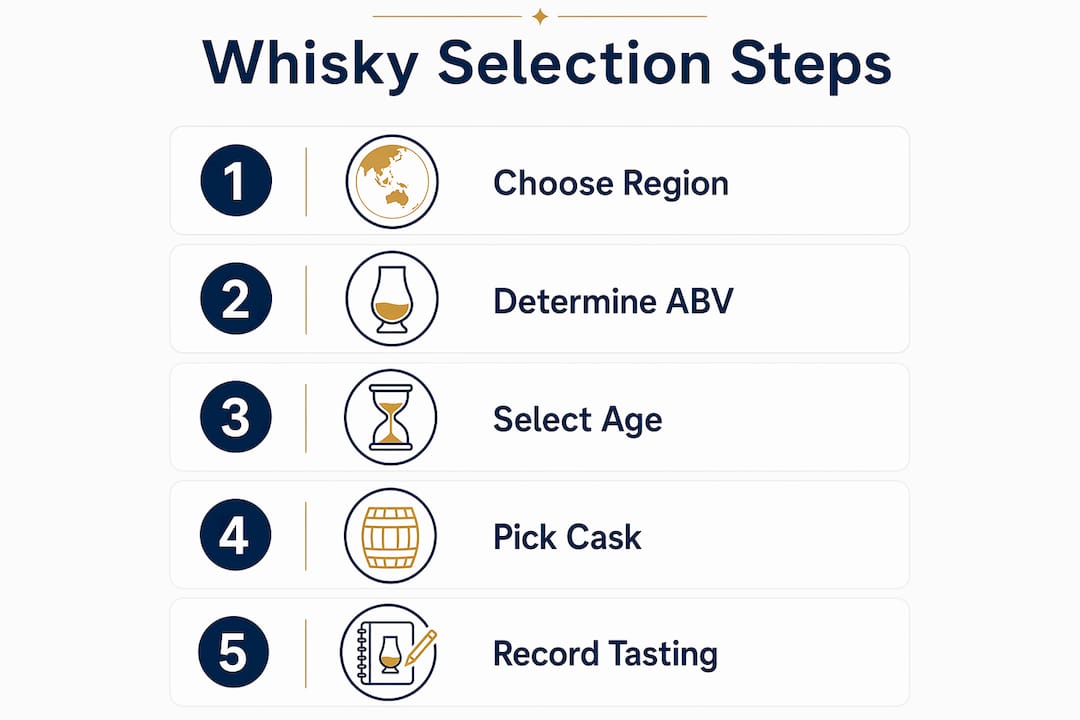
A structured approach to choosing single malt whisky removes guesswork and reduces the chance of an expensive mistake. Follow these steps in order.
- Identify your flavour preferences. Do you prefer sweet, fruity, smoky, or dry? Use a whisky flavour profile guide to map your existing taste preferences before you buy.
- Choose a region that matches those preferences. Speyside for fruit and honey, Islay for smoke, Lowland for lightness. This narrows your shortlist immediately.
- Set an ABV range based on your experience. Beginners should start at 40–46%. Experienced drinkers can explore cask strength expressions with confidence.
- Read expert tasting notes and ratings. Resources like Whisky Advocate, Jim Murray’s Whisky Bible, and the Scotch Whisky Authority publish detailed reviews. Cross-reference at least two sources before committing to a bottle.
- Check the label for cask type and bottling details. First-fill bourbon casks produce vanilla and caramel notes. Sherry casks deliver dried fruit and spice. Peated malt adds smoke regardless of region.
Beyond the steps, a few practical habits separate confident buyers from frustrated ones:
- Try a whisky flight or sample pack before buying a full bottle. Many specialist retailers offer 30ml or 50ml samples.
- Entry-level single malts around £25–35 like Glenfiddich 12 deliver genuine quality and value. Do not assume a higher price always means a better experience.
- Selecting by flavour clusters combined with producer reputation leads to more satisfying purchases than selecting by price alone.
- Avoid confusing packaging or marketing language with quality. Phrases like “rare” or “limited” describe availability, not taste.
Pro Tip: Keep a tasting notebook. Write down the distillery, age, ABV, cask type, and your impressions after each dram. After ten bottles, patterns emerge that tell you exactly what to look for next.
For beginners who want a curated starting point, the best whiskies for beginners list at Uisuki covers approachable bottles across multiple regions and price points.
Key takeaways
Selecting a single malt with confidence requires matching your flavour preferences to the right region, ABV, and cask type before you read a single rating or price tag.
| Point | Details |
|---|---|
| Region sets flavour expectations | Start with Speyside or Lowland for approachability; move to Islay once your palate develops. |
| ABV shapes intensity | Standard 40–43% suits beginners; cask strength 52–65% rewards experienced drinkers who add water carefully. |
| Age is not quality | Cask type and distillery house style influence flavour more than the number on the label. |
| NAS whiskies can be excellent | Laphroaig Select and Ardbeg An Oa prove that no age statement does not mean low quality. |
| Use a structured selection process | Match flavour profile, then region, then ABV, then verify with expert tasting notes before buying. |
Why I think most people overcomplicate single malt selection
Most whisky guides send you down a rabbit hole of tasting notes, scores, and collector jargon before you have even opened your first bottle. That approach creates anxiety, not enjoyment.
My honest experience is that the two most important decisions you make are region and ABV. Get those right and almost any bottle from a reputable distillery will satisfy you. I have watched people spend $200 on a heavily peated Islay expression because it scored 94 points in a magazine, only to find they genuinely dislike smoke. That is an expensive lesson that a $45 Glenfiddich 12 could have prevented.
I recommend starting with Auchentoshan Three Wood or Glenfiddich 12 if you are new to single malt. Both are widely available in Australia, both are honest representations of their regional styles, and both give you a clear baseline for comparison. Once you know you enjoy the category, move to a Highland expression like Glenmorangie Original, then try a lightly peated Island whisky like Highland Park 12 before committing to full Islay peat.
For experienced drinkers, cask strength bottles are where the real reward sits. The expanding palate over time is the whole point of the exercise. A Springbank 10 Cask Strength or a Laphroaig 10 Cask Strength Edition, tasted with a few drops of water, delivers complexity that no standard bottling can match at the same price point.
Patience matters more than budget. Buy fewer bottles, taste them carefully, and take notes. That habit builds a personal reference library faster than any rating database.
— Brendan
Explore curated single malts at Uisuki
Uisuki stocks a carefully selected range of single malt whiskies from Scotland, Japan, Australia, and the USA, covering every region and strength profile discussed in this guide.
If you want to put this selection framework into practice immediately, the Hobart Whisky Bourbon Matured Rum Finished Single Malt is a standout Australian expression bottled at 56.4% ABV. It combines bourbon cask sweetness with rum finish complexity, making it an ideal next step for drinkers ready to move beyond standard Scotch. Browse the full range at Uisuki.com.au to find bottles matched to the criteria covered above.
FAQ
What is the best region for beginners choosing single malt?
Speyside and Lowland are the most approachable regions for beginners. Distilleries like Glenfiddich and Auchentoshan produce light, fruity, and gentle expressions that build confidence before you explore smokier styles.
Does a higher age statement mean better quality?
Not necessarily. A 12-year-old whisky from a first-fill sherry cask can outperform a 21-year-old from a tired refill barrel. Cask quality and distillery house style influence flavour more than age alone.
What ABV should I look for when buying single malt?
Beginners should start at 40–46% ABV for a smoother experience. Experienced drinkers can explore cask strength expressions between 52–65% ABV, which offer greater flavour complexity when tasted with a small addition of water.
What does NAS mean on a whisky label?
NAS stands for non-age-stated. It means the producer has not declared a minimum maturation age on the label. NAS whiskies like Ardbeg An Oa and Laphroaig Select are blended for flavour consistency rather than age, and many are highly regarded by critics.
How do I taste single malt whisky properly?
Pour a small measure, nose it before tasting, then sip slowly and let the spirit coat your palate. For cask strength expressions, add water drop by drop after your first neat taste to observe how the flavour profile changes.