

Finding the right whisky for your collection can be challenging when every bottle promises a different character. Understanding what truly defines a whisky expression is crucial for Australian collectors aiming to make informed choices and discover the unique stories behind each pour. This article brings clarity to the concept of a whisky expression, helping you identify how grain selection, distillation methods, and maturation shape the rich variety available from Scottish, Japanese, Canadian, and American producers.
Table of Contents
- What Defines A Whisky Expression
- Types And Variations In Whisky Expressions
- Key Ingredients And Maturation Processes
- How Expressions Impact Flavour And Character
- Choosing The Right Expression For Your Collection
Key Takeaways
| Point | Details |
|---|---|
| Whisky Expressions Defined | A whisky expression is a reflection of a distillery’s craftsmanship, shaped by factors like grain selection, water source, and maturation process. |
| Types of Whisky | Whisky expressions come in various types, including Single Malt, Single Grain, and Blended Whisky, each offering unique characteristics influenced by their production methods. |
| Key Ingredients Impact | The primary ingredients—malted barley, water, and yeast—play crucial roles in flavour development, while oak casks significantly enhance maturation and sensory profiles. |
| Curating a Collection | A thoughtful whisky collection should reflect diverse flavour profiles and regions, with attention to age statements and production methods enhancing both enjoyment and value. |
What Defines A Whisky Expression
A whisky expression represents the unique identity of a specific whisky variant produced by a distillery. Each expression emerges from a complex interplay of factors that shape its distinctive character and flavour profile. Whisky distilleries craft unique expressions through carefully selected ingredients and meticulous production techniques.
The defining characteristics of a whisky expression typically include several critical elements:
- Grain Selection: The specific types of malted and unmalted grains used in the mash
- Water Source: The mineral composition and origin of water used in distillation
- Fermentation Yeasts: Unique yeast strains that influence flavour development
- Distillation Method: Copper pot still configuration and distillation approach
- Maturation Process: Cask types, aging duration, and storage conditions
Each of these components contributes nuanced characteristics that transform a basic whisky into a distinctive expression. The wood of the aging cask, for instance, can impart remarkable flavour notes ranging from vanilla and caramel to deep woody undertones.
A whisky expression is more than just a drink - it’s a liquid narrative of craftsmanship, telling the story of its origin through every subtle flavour note.
Proof levels and maturation duration further refine the expression’s profile, creating variations that can dramatically differ even within the same distillery’s range. Experienced whisky collectors understand that these subtle differences represent the true artistry of whisky production.
Pro tip: Always examine the specific details of a whisky expression, as even minor variations in production can create profoundly different tasting experiences.
Types And Variations In Whisky Expressions
Whisky enthusiasts encounter a fascinating world of whisky types and regional variations, each offering unique characteristics and flavour profiles. Understanding these variations is crucial for appreciating the nuanced art of whisky production across different traditions and styles.
The primary categories of whisky expressions include:
- Single Malt Whisky: Produced at a single distillery using only malted barley
- Single Grain Whisky: Created using grains other than malted barley
- Blended Malt Whisky: Combines malts from multiple distilleries
- Blended Grain Whisky: Mixes grain whiskies from different distilleries
- Blended Whisky: Combines multiple types of whiskies
Each whisky type presents distinct characteristics influenced by its production method. Regional styles play a significant role in defining these expressions, with notable variations emerging from Scotland, Ireland, the United States, Canada, and Japan. These regions have developed unique production standards that profoundly impact the final product’s flavour, aroma, and texture.
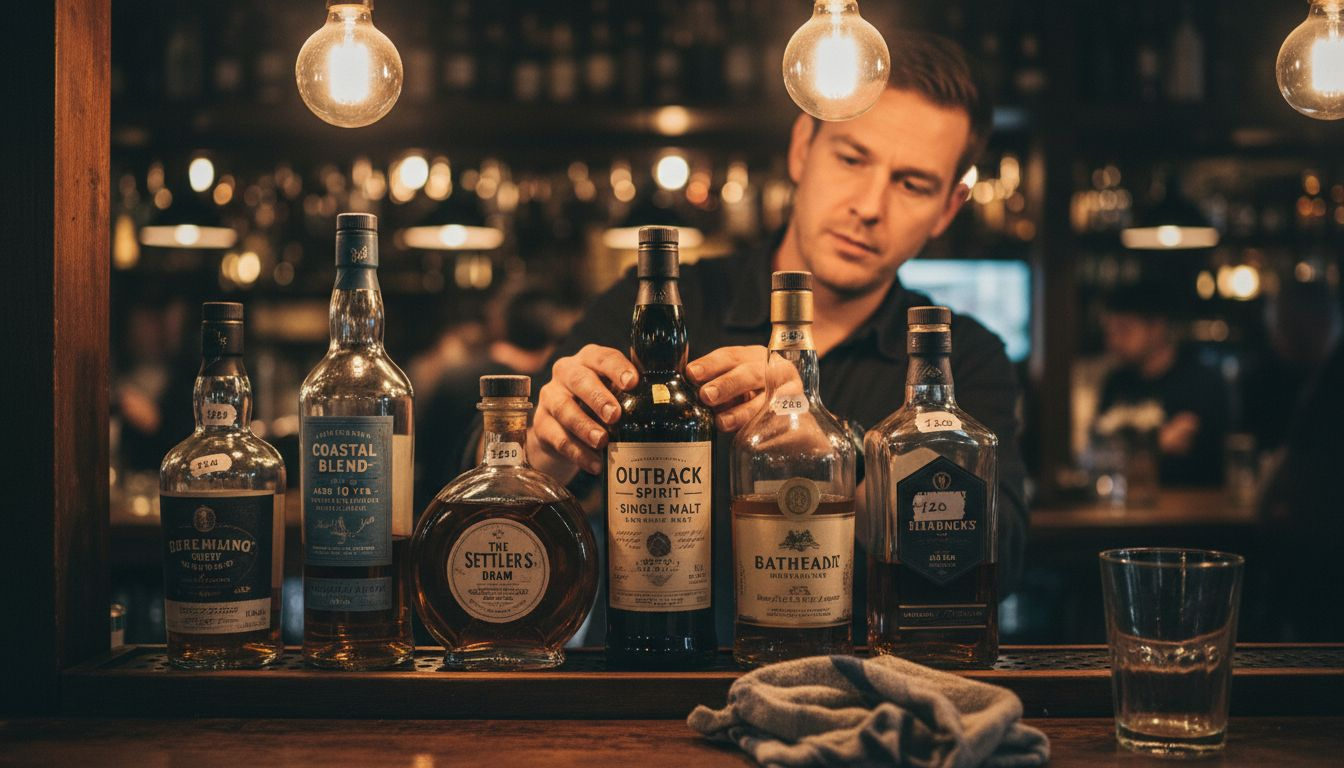
Here is a summary comparing the key whisky expression types and their unique attributes:
| Expression Type | Distinctive Traits | Typical Flavour Profile |
|---|---|---|
| Single Malt | Single distillery, malted barley | Complex, often fruity or malty |
| Single Grain | Non-malted grains permitted | Light-bodied, delicate |
| Blended Malt | Mix of various single malts | Balanced, layered complexity |
| Blended Grain | Multiple grain whiskies blended | Smooth, subtly sweet |
| Blended Whisky | Malt and grain whiskies combined | Accessible, versatile flavour |
Regional whisky expressions are more than just beverages - they’re liquid narratives that capture the essence of their geographical and cultural origins.
The complexity of whisky expressions extends beyond basic categorisation. Factors like maturation duration, cask type, and local ingredients contribute to the intricate flavour profiles that distinguish one expression from another. Experienced collectors appreciate these subtle differences, understanding that each whisky tells a unique story of craftsmanship and tradition.
Pro tip: Explore whisky expressions from different regions to develop a comprehensive understanding of the diverse flavour profiles and production techniques.
Key Ingredients And Maturation Processes
The art of whisky creation begins with three fundamental ingredients: malted barley, water, and yeast. Complex chemical interactions between these components form the foundation of every exceptional whisky expression, each playing a critical role in developing the final spirit’s character.
Key ingredients contribute uniquely to whisky production:
- Malted Barley: Provides fermentable sugars and foundational flavour
- Water: Impacts taste, mineral profile, and fermentation quality
- Yeast: Converts sugars to alcohol and generates complex flavour compounds
- Oak Casks: Crucial for maturation and flavour development
The maturation process represents a transformative journey where raw spirit evolves into refined whisky. Oak casks play a pivotal role, with their internal chemistry initiating complex interactions that soften the spirit, extract flavourful compounds, and develop nuanced aromatic profiles.
Whisky maturation is a delicate dance between spirit, wood, and time - each element contributing to the liquid’s ultimate expression.
Multiple factors influence the maturation process, including cask history, charring levels, storage conditions, and aging duration. Distillers meticulously control these variables to craft whiskies with distinctive character. The interaction between spirit and wood creates a unique sensory experience, with different cask types imparting specific flavour notes ranging from vanilla and caramel to rich woody undertones.
Pro tip: Examine the cask details when selecting a whisky, as the wood’s history can dramatically influence the final flavour profile.
How Expressions Impact Flavour And Character
Whisky expressions are complex symphonies of taste, with intricate flavour profiles emerging from production processes. Each expression represents a unique sensory journey, shaped by meticulous craftsmanship and nuanced techniques that transform simple ingredients into liquid art.
The primary flavour categories in whisky expressions include:
- Woody Notes: Derived from oak cask interactions
- Cereal Undertones: Originating from malted barley
- Fruity Characteristics: Developed during fermentation
- Peaty Influences: Contributing smoky dimensions
- Floral Hints: Emerging from specific yeast and distillation methods
Malt selection and production techniques dramatically influence a whisky’s final character. Different grain types, water sources, and distillation approaches create remarkable variations, transforming seemingly simple ingredients into complex sensory experiences.
Each whisky expression tells a unique story - a narrative of place, tradition, and craftsmanship captured in a single glass.
Regional traditions further distinguish whisky expressions, with Scottish, Irish, and Japanese distilleries each bringing distinctive techniques that impart unique flavour profiles. Peat levels, water mineralisation, and local environmental conditions contribute subtle yet profound characteristics that distinguish one expression from another.
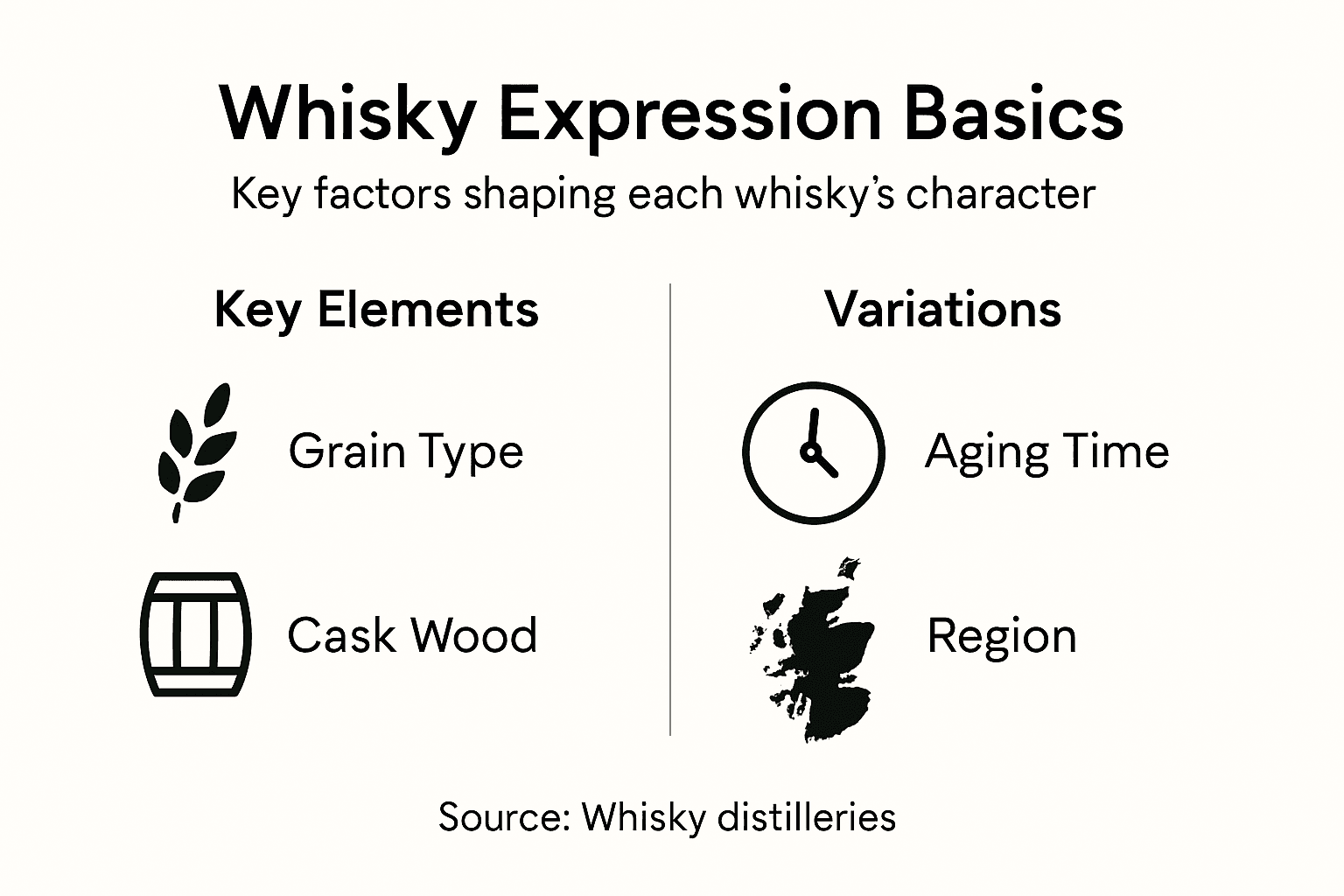
Pro tip: Develop your palate by comparing whisky expressions from different regions, paying close attention to their distinctive flavour nuances.
Choosing The Right Expression For Your Collection
Building a meaningful whisky collection requires more than random acquisition; it demands strategic understanding of flavour profiles. Each expression represents an opportunity to explore the nuanced world of whisky craftsmanship, with careful selection transforming a simple assortment into a curated journey of taste and tradition.
Key considerations when selecting whisky expressions include:
- Flavour Profile: Range from light and fruity to rich and peaty
- Region of Origin: Scottish, Japanese, Irish, American traditions
- Age Statement: Indicating maturation complexity
- Intended Use: Sipping neat, mixing, collecting
- Budget Constraints: Price variations across expressions
Diversity is crucial when developing a comprehensive whisky collection. Experienced collectors understand that a well-rounded selection should include variations that showcase different production techniques, regional characteristics, and flavour spectrums.
To further assist in choosing a whisky, here is a reference table outlining how key factors impact both flavour and collecting potential:
| Factor | Influence on Flavour | Collecting Implications |
|---|---|---|
| Age Statement | Greater maturity, complex notes | Higher value, limited runs |
| Region of Origin | Unique local characteristics | Regional rarity, collectability |
| Cask Type | Distinct flavours from wood | Some casks highly sought |
| Production Method | Influences aroma and palate | Unique processes desirable |
| Bottle Size | Small for tasting, large for value | Smaller bottles for exploring |
A thoughtfully curated whisky collection is a passport to global distilling traditions, telling stories through liquid artistry.
While personal preference remains paramount, exploring lesser-known expressions can uncover hidden gems. Consider purchasing smaller bottles or participating in tasting events to expand your palate without significant financial investment. Rare and limited edition releases can become centrepieces in a discerning collection, offering both sensory pleasure and potential investment value.
Pro tip: Start your collection by purchasing 50ml sample sizes to explore diverse expressions before committing to full bottles.
Elevate Your Whisky Experience With Curated Expressions from Uisuki
Understanding whisky expressions unlocks a deeper appreciation for the craftsmanship that defines each bottle. If you feel overwhelmed by choices or struggle to pinpoint the perfect expression that suits your taste or collection goals explore our extensive range of expertly selected whiskies. From refined Scotch epochs to rich global flavours discover the subtle nuances created by unique maturation techniques and regional artistry.

Dive into our collection of Scotch Whisky (all) - Glenglassaugh or broaden your palate with diverse offerings from World Whiskies – Uisuki.com.au. Browse now at Uisuki.com.au and seize the moment to transform your whisky journey with rare bottles, trusted guidance, and free shipping options. Start building a collection that tells your story today.
Frequently Asked Questions
What is a whisky expression?
A whisky expression refers to the unique identity of a specific variant of whisky made by a distillery, shaped by factors like grain selection, water source, fermentation yeasts, distillation methods, and maturation processes.
How do ingredients affect whisky expressions?
Key ingredients such as malted barley, water, and yeast play critical roles in developing a whisky’s flavour profile. The interaction between these ingredients during fermentation and maturation influences the whisky’s final taste and character.
What are the main types of whisky expressions?
The primary types of whisky expressions include single malt, single grain, blended malt, blended grain, and blended whisky. Each type has distinctive traits and flavour profiles depending on its production methods and ingredients.
How can I choose the right whisky expression for my collection?
To choose the right whisky expression, consider factors like flavour profile, region, age statement, intended use, and budget. A diverse collection should showcase different production techniques and flavour characteristics to enhance your appreciation of whisky.