

Exploring premium whisky finishes unlocks a world where every sip reveals new layers of flavour and aftertaste. For Australian whisky lovers, understanding how different cask types and maturation techniques shape a spirit’s complexity can transform casual tastings into memorable experiences. With Scotland’s Scotch whisky industry continually refining both legal standards and innovative finishing methods, whisky enthusiasts gain a richer appreciation for the artistry behind each bottle’s character.
Table of Contents
- Whisky Finish Explained: Flavour and Aftertaste
- Types of Cask Finishes and Their Impact
- How the Finishing Process Works
- Key Examples from Scotland, Japan, and Beyond
- Evaluating Quality: What to Look For
- Avoiding Common Pitfalls When Choosing Finished Whisky
Key Takeaways
| Point | Details |
|---|---|
| Whisky Finishing Enhances Flavour | Transferring mature whisky to alternative casks creates complex flavour profiles that transform the spirit’s character. |
| Different Cask Types Influence Taste | Each cask type, such as Sherry or Port, imparts unique flavour characteristics that elevate the whisky experience. |
| Duration of Finishing Matters | The length of time the whisky spends in the finishing cask significantly impacts its final flavour, with longer periods often leading to more pronounced transformations. |
| Quality Evaluation is Key | Assessing the complexity and technical execution of the cask finish is crucial for identifying exceptional whiskies. |
Whisky Finish Explained: Flavour and Aftertaste
Whisky finish is a crucial element that transforms an ordinary dram into an extraordinary sensory experience. When distillers complete the primary maturation process, they often transfer the whisky into alternative casks, creating complex flavour profiles that elevate the drinking experience. These secondary maturation stages, known as finishing, introduce remarkable nuance and depth to the spirit’s character.
The process of whisky finishing involves transferring mature whisky from its original cask into a different type of wooden barrel, which imparts unique flavour characteristics. These secondary casks might have previously held various distinctive spirits like sherry, port, or even wine. Each alternative cask contributes its own signature taste elements:
- Sherry casks often introduce rich, fruity undertones
- Port casks typically add sweet, berry-like complexity
- Rum casks can contribute caramel and tropical notes
- Wine barrels might bring delicate, tannic characteristics
Understanding whisky finish requires appreciating how different wood types and previous barrel contents dramatically transform a spirit’s final flavour profile. The interaction between the whisky and the new wooden environment creates chemical reactions that develop extraordinary taste dimensions. Factors like wood type, previous contents, and duration of finishing significantly influence the resulting flavour.
Pro tip: When exploring whisky finishes, start with smaller volume bottles to experiment with different flavour profiles without significant financial investment.
Types of Cask Finishes and Their Impact
Whisky cask finishes represent a sophisticated artform where distillers strategically transform flavour profiles through carefully selected secondary maturation techniques. Whisky cask selection dramatically influences the spirit’s final character, creating unique sensory experiences that distinguish premium whiskies.
The most prominent cask finish types include:
- Sherry Cask Finish: Introduces rich, nutty complexity with dried fruit undertones
- Port Cask Finish: Adds sweet, berry-like characteristics with deep ruby notes
- Wine Cask Finish: Brings delicate tannins and subtle grape-derived complexity
- Rum Cask Finish: Contributes caramel, tropical, and molasses-like sweetness
- Madeira Cask Finish: Delivers nuanced dried fruit and subtle oxidative qualities
Each cask finish method involves transferring mature whisky into alternative wooden barrels that have previously held different spirits or wines. The wood’s previous contents create chemical interactions that fundamentally transform the whisky’s flavour profile, introducing remarkable depth and unexpected taste dimensions. Factors like barrel age, previous contents, and wood porosity all play critical roles in developing these extraordinary flavour characteristics.
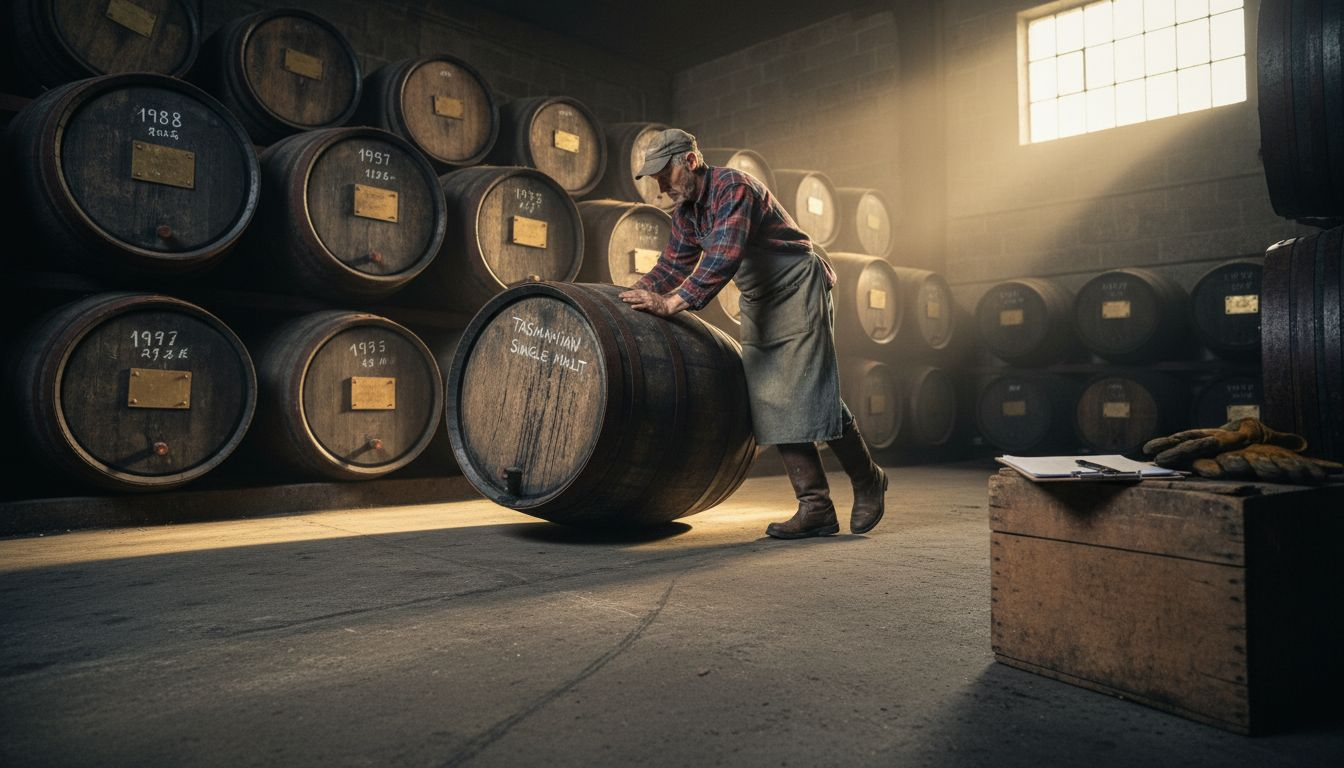
The duration of finishing can range from months to several years, with shorter periods typically introducing subtle hints and longer periods creating more pronounced transformations. Distillers carefully monitor these interactions, understanding that each additional month can dramatically alter the whisky’s ultimate expression.
Here’s a concise comparison of major cask finishes and their unique flavour impacts:
| Cask Type | Typical Flavour Notes | Ideal For |
|---|---|---|
| Sherry | Dried fruits, nutty | Rich, rounded drams |
| Port | Berries, sweet spice | Dessert pairings |
| Wine | Tannins, subtle complexity | Elegant sipping |
| Rum | Caramel, tropical fruit | Lively cocktails |
| Madeira | Oxidative, raisin | Unique expressions |
Pro tip: When exploring cask finishes, taste whiskies side-by-side to appreciate the nuanced differences introduced by alternative barrel treatments.
How the Finishing Process Works
The whisky finishing process is a delicate art of transformation that requires precision, expertise, and deep understanding of whisky maturation techniques. Distillers carefully select secondary casks that will enhance and elevate the spirit’s inherent characteristics, creating a complex sensory journey.
The technical stages of the finishing process typically involve:
- Initial Cask Selection: Choosing wooden barrels with specific previous contents
- Spirit Transfer: Moving mature whisky from primary to secondary casks
- Maturation Monitoring: Tracking flavour development and chemical interactions
- Precise Timing: Determining optimal finishing duration
- Sensory Evaluation: Assessing flavour progression throughout the process
Chemical interactions between the whisky and the new wooden environment play a crucial role in developing extraordinary flavour profiles. The wood’s microscopic pores allow subtle exchanges, where residual spirits or wines previously held in the cask contribute unique molecular compounds that transform the whisky’s fundamental taste structure.
Finishing durations can vary dramatically, ranging from several months to multiple years. Shorter periods typically introduce gentle, nuanced flavour hints, while extended finishing can create profound and complex taste transformations. Masterful distillers understand that each additional month can dramatically reshape the whisky’s ultimate sensory expression.
Pro tip: Request samples from different finishing stages to understand how duration impacts flavour complexity.
Key Examples from Scotland, Japan, and Beyond
Scotland and Japan represent the pinnacle of whisky finishing innovation, with each region bringing unique approaches to cask maturation. Japanese whisky techniques have particularly revolutionised the global understanding of flavour development through creative finishing methods.
Distinctive regional finishing approaches include:
-
Scottish Traditions:
- Sherry cask finishing from Speyside
- Coastal oak barrel treatments
- Experimental wine cask interactions
-
Japanese Innovations:
- Mizunara oak speciality finishes
- Umeshu and sake cask experiments
- Precise wood grain selections
-
Global Emerging Techniques:
- Australian rum cask finishes
- American bourbon barrel innovations
- Canadian maple wood experiments
Each region brings a unique perspective to whisky finishing, transforming traditional maturation processes through meticulous cask selection and innovative techniques. The microscopic interactions between wood, previous spirit residues, and the whisky itself create extraordinary flavour complexities that challenge and expand traditional taste expectations.
For reference, here’s how leading whisky regions approach cask finishing:
| Region | Signature Finishing Techniques | Distinctive Outcome |
|---|---|---|
| Scotland | Sherry casks, coastal oak | Classic depth and maritime nuance |
| Japan | Mizunara oak, umeshu/sake casks | Exotic aromatics, refined woodiness |
| Australia | Rum cask maturation | Spiced sweetness, innovative boldness |
| USA/Canada | Bourbon and maple wood finishes | Robust vanilla, subtle smoky notes |
Pro tip: Explore whisky flights that showcase different regional finishing techniques to develop a sophisticated palate.
Evaluating Quality: What to Look For
Evaluating the quality of a whisky finish requires a nuanced understanding of sensory complexity and craftsmanship. Scotch whisky standards provide an excellent benchmark for assessing the sophistication of cask finishing techniques, offering insights into the subtle art of flavour development.
Key quality indicators for exceptional whisky finishes include:
-
Complexity:
- Layered, evolving flavour profile
- Balanced interaction between original spirit and finish
- Smooth transitions between taste elements
-
Technical Execution:
- Precise cask selection
- Optimal finishing duration
- Controlled wood interaction
-
Sensory Characteristics:
- Harmonious nose and palate
- Clean, well-integrated finish
- Distinctive yet subtle wood influence
Discerning whisky enthusiasts understand that a superior finish transforms the spirit beyond simple maturation, creating a sophisticated sensory narrative. The wood’s previous contents, its grain structure, and the duration of finishing all contribute to the nuanced complexity that distinguishes exceptional whiskies from ordinary expressions.
Tasting techniques can reveal the subtleties of a high-quality finish. Professional tasters recommend examining the whisky’s colour, assessing its aromatic complexity, and evaluating how flavours evolve across the palate, paying particular attention to the lingering finish.
Pro tip: Use a white tasting glass and allow the whisky to rest for 10-15 minutes before tasting to fully appreciate its finishing characteristics.
Avoiding Common Pitfalls When Choosing Finished Whisky
Navigating the world of finished whiskies requires careful consideration and expert knowledge. Single malt selection demands a discerning approach to avoid common mistakes that can compromise your tasting experience.
Common pitfalls to be aware of include:
-
Flavour Mismatches:
- Ignoring personal taste preferences
- Overlooking compatibility with original spirit
- Buying purely based on marketing hype
-
Technical Red Flags:
- Lack of transparency about finishing process
- Inconsistent wood interaction
- Unbalanced flavour profile
-
Purchasing Mistakes:
- Buying without sampling
- Neglecting to research cask provenance
- Assuming higher price equals better quality
Experienced whisky enthusiasts understand that a superior finished whisky requires careful evaluation beyond superficial characteristics. The interaction between the original spirit and the finishing cask creates a delicate balance that separates exceptional expressions from mediocre attempts.
Careful tasters learn to distinguish between genuine innovation and marketing-driven gimmicks. Authentic finishing techniques enhance the whisky’s inherent qualities, creating a harmonious and complex drinking experience that respects the spirit’s original character.
Pro tip: Always request a small sample or taste at a reputable whisky bar before committing to a full bottle of finished whisky.
Discover the Art of Whisky Finishing with Uisuki
Understanding whisky finish can be a game changer for your tasting journey. The article highlights key challenges such as navigating flavour mismatches and recognising quality cask influences like sherry, port, and rum finishes. If you want to explore these nuanced profiles and avoid common pitfalls, browsing expertly curated collections that reflect distinctive finishing techniques is essential. Whether you are drawn to the rich depth of The Balvenie or the innovative expressions found among Scotch Whisky (all) - Glenglassaugh, we provide the perfect starting point for your next dram.

Dive deeper into the world of whisky finishes now by exploring our comprehensive range at Uisuki.com.au. Act today to start experiencing extraordinary flavours crafted through masterful cask selections and precise maturation processes. Your palate deserves the complexity and balance that expertly finished whiskies deliver. Browse, learn, and order with confidence from Australia’s trusted premium whisky store.
Frequently Asked Questions
What is whisky finish?
Whisky finish refers to the secondary maturation process where mature whisky is transferred into different casks to develop unique flavour profiles. This process adds depth and complexity to the whisky’s character.
How does cask type influence whisky finish?
The type of cask used for finishing significantly impacts the whisky’s flavour. Different casks, such as those previously holding sherry, port, or rum, contribute distinct taste elements that enhance the whisky’s overall profile.
What are common flavours associated with different whisky finishes?
Common flavours associated with whisky finishes include rich fruitiness from sherry casks, berry sweetness from port casks, caramel and tropical notes from rum casks, and tannic complexities from wine casks.
How long should whisky be finished for optimal flavour?
The duration for finishing whisky can range from a few months to several years. Generally, shorter periods introduce subtle flavour hints, while longer periods create more pronounced and complex transformations in taste.