

TL;DR:
- Proper Scotch whisky appreciation involves three sensory phases: nosing, palate tasting, and finish analysis. Using the right techniques, tools, and environment enhances your ability to detect complex flavors and develop your palate over time. Beginners should start with approachable, balanced whiskies from regions like Speyside and Highland, and remember that adding water and sharing experiences accelerates learning.
Scotch whisky appreciation is the structured practice of evaluating whisky through three deliberate sensory phases: nosing, palate tasting, and finish. Done properly, it transforms a simple dram into a full sensory experience. About 80% of whisky flavour comes from your sense of smell, which means most of the complexity in a glass of Glenfiddich or Macallan is experienced before a single drop touches your tongue. This guide covers the techniques, styles, and tools that will sharpen your palate and make every pour more rewarding.
What are the key steps for scotch whisky appreciation?
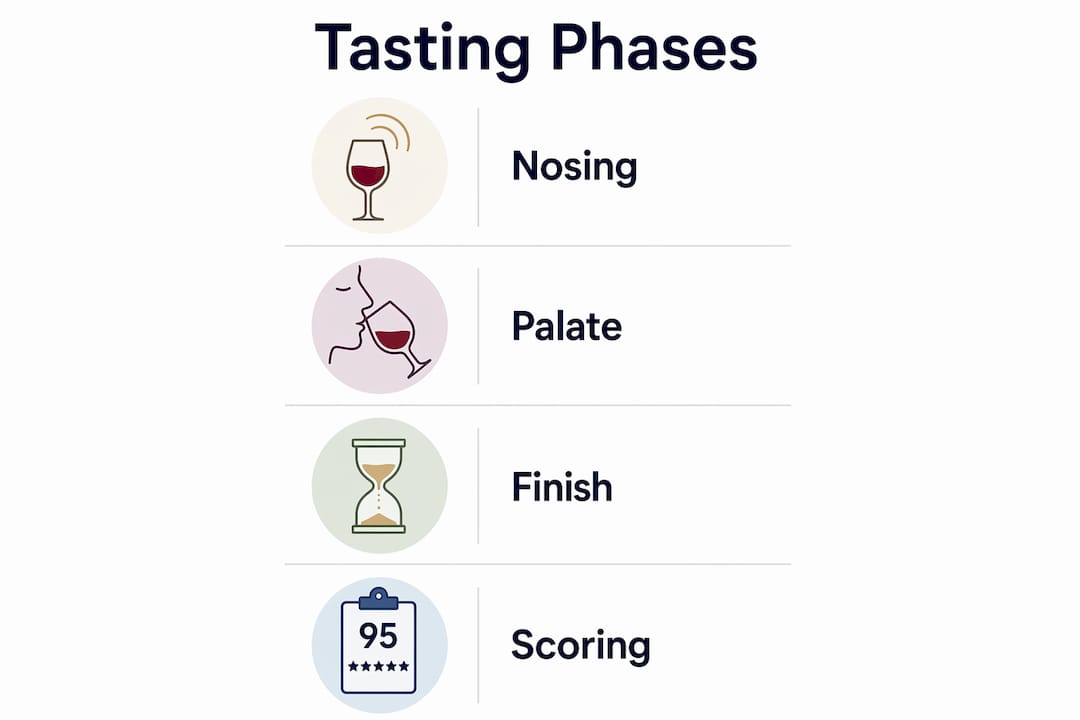
Structured whisky tasting uses four phases: nose, palate, finish, and scoring. Each phase builds on the last, and skipping any one of them means missing a significant layer of the spirit’s character.
Phase one: nosing
Nosing is where appreciation begins. Hold your glass at chin level first, then lower it gradually toward your nose. This gradual approach matters because ethanol is more volatile than the aromatic compounds in whisky. Professionals recommend this gradual approach to avoid ethanol-induced olfactory fatigue, which numbs your receptors and flattens everything you smell afterward. Spend 60–90 seconds nosing before you taste anything.
- Hold the glass at chin height for 10 seconds.
- Raise it slowly to just below your nostrils.
- Breathe in gently through your nose with your mouth slightly open.
- Rest for 30 seconds, then repeat to catch secondary aromas.
The Glencairn tulip-shaped glass concentrates volatile aromatic compounds at the rim better than a wide-mouthed tumbler. This is not a marketing claim. It is basic chemistry. A narrower opening channels aromas directly to your nose instead of letting them disperse into the air.
Phase two: palate tasting
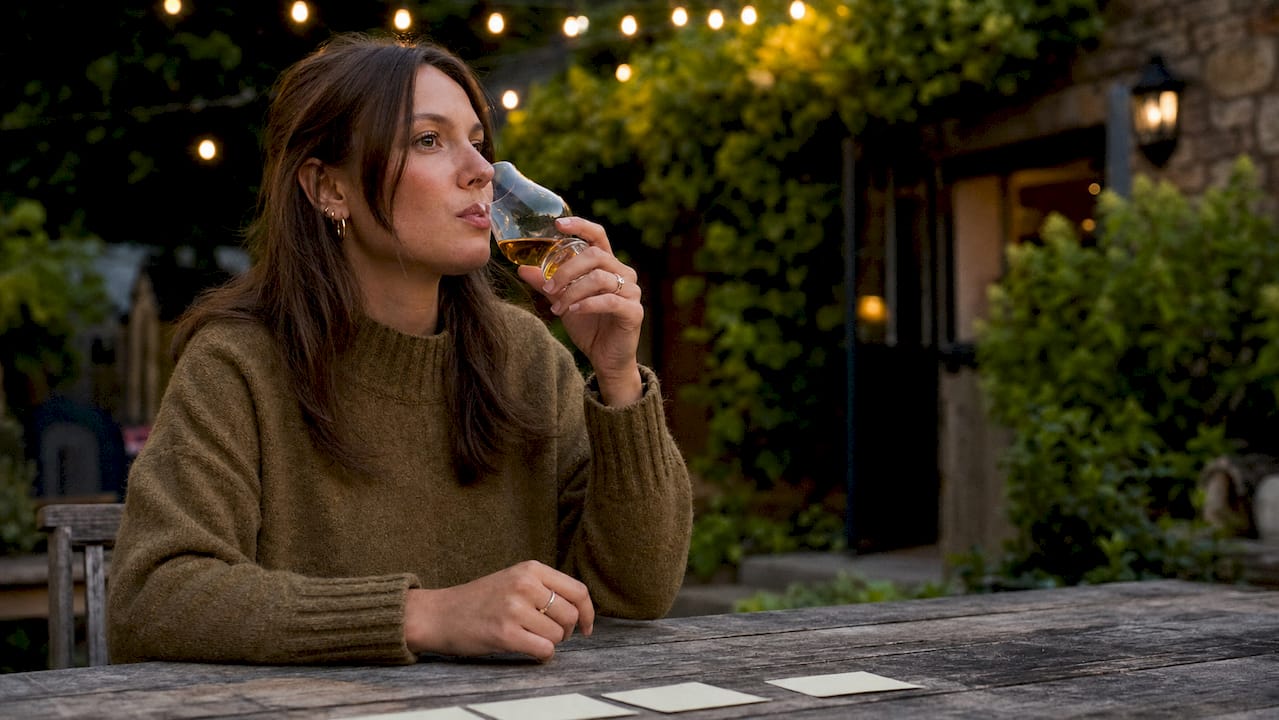
Take a small sip and do not swallow immediately. Chew the whisky in your mouth for 10–15 seconds to engage all tongue receptor zones. This technique exposes sweet, salty, and bitter receptors sequentially, which a quick sip simply cannot achieve. You will notice flavours that were invisible on the first pass.
Pro Tip: Add two or three drops of still water to your dram before tasting. Water chemically releases hydrophobic esters that are otherwise locked in the liquid, opening up floral, fruity, and spice notes that were hidden at full strength.
Phase three: finish
The finish is how long the flavour lingers after you swallow. A short finish fades in under 10 seconds. A long finish can persist for a minute or more, shifting through different flavour notes as it fades. Pay attention to whether the finish is warm, dry, sweet, or spicy. These details separate a good whisky from a great one.
Which scotch styles are best for beginners?
The best scotch for beginners sits in the approachable middle ground: not too peaty, not too sharp, and not too expensive. Beginner-friendly Scotch whiskies are typically priced between USD $30 and $55 for consistent quality and accessible flavour. That price range gives you genuine complexity without the intensity that puts new drinkers off.
Single malt vs. blended scotch
Many newcomers assume single malt is automatically superior to blended Scotch. That assumption is wrong. High-quality blended Scotch often offers more balanced flavour and is better suited to novices than many single malts. Blends like Johnnie Walker Black Label or Chivas Regal 12 Year are crafted by master blenders specifically to achieve consistency and approachability. Single malt is a category designation, not a quality guarantee.
Regional styles worth knowing
Scotland’s whisky regions each produce a distinct flavour character. Here is a quick comparison to help you choose your starting point:
| Region | Flavour Character | Beginner Friendly? |
|---|---|---|
| Speyside | Fruity, honeyed, gentle sweetness | Yes |
| Highland | Heather, dried fruit, light spice | Yes |
| Lowland | Light, floral, easy-drinking | Yes |
| Islay | Heavily peated, smoky, medicinal | No |
| Campbeltown | Briny, oily, complex | Moderate |
Speyside and Highland expressions are the natural starting point for most people. Brands like Glenfiddich 12 Year, Glenlivet 12 Year, and Dalmore 12 Year sit squarely in the beginner sweet spot. Avoid heavily peated whiskies at first, as high phenol levels above 40 ppm can overwhelm a new palate and create a wrongly negative impression of Scotch altogether.
- Glenfiddich 12 Year: Pear, apple, and subtle oak. A reliable first bottle.
- Glenlivet 12 Year: Floral, citrus, and light vanilla. Consistently approachable.
- Dalmore 12 Year: Rich citrus and chocolate notes from sherry cask finishing.
- Ardnamurchan Macleans Nose: A blended Scotch with a distinctive profile that suits developing palates well.
How does a whisky flavour profile actually develop?
A whisky flavour profile is not a fixed list of notes on a label. It is a layered sensory experience that changes as you nose and taste. Understanding how those layers work helps you find more in every glass.
Primary, secondary, and tertiary aromas
Primary aromas come from the grain and fermentation process. These are the foundational notes: cereal, fruit, and floral characters. Secondary aromas develop during distillation and include heavier, more complex notes like vanilla, caramel, and light spice. Tertiary aromas come from cask maturation and are the most complex layer: dried fruit, leather, tobacco, and dark chocolate.
When you nose a whisky for the first time, you typically catch primary aromas first. The secondary and tertiary layers emerge with time and repeated nosing. This is why spending 60–90 seconds on the nose before tasting is not optional. It is the only way to access the full picture.
Training your palate over time
Palate development is a gradual progression. Repeated tastings over weeks reveal complexity that was invisible on first encounter. This is not a flaw in your ability. It is how sensory learning works. Your brain builds a reference library of aromas and tastes, and each new tasting adds to it.
Keep a tasting notebook. Write down what you smell and taste in plain language, not the poetic descriptions on the bottle. “Smells like a fruit cake” is more useful to you than “notes of dried Zante currant.” Comparative tasting accelerates this process. Taste two whiskies side by side from the same region and the differences become obvious in a way they never would in isolation.
Pro Tip: Smell fresh coffee beans between tastings to reset your olfactory receptors. This is a technique used by professional perfumers and works just as well for whisky tasting.
What equipment and environment support good tasting?
The right setup makes a measurable difference to what you detect in a glass. This is not about being precious. It is about removing obstacles between you and the whisky.
Glassware comparison
| Glass Type | Aroma Concentration | Best Use |
|---|---|---|
| Glencairn | Excellent | Serious tasting and daily use |
| Copita (sherry glass) | Very good | Professional evaluation |
| Tumbler (rocks glass) | Poor | Cocktails only |
| Standard wine glass | Moderate | Acceptable substitute |
The Glencairn glass is the industry standard for good reason. Its tulip shape funnels aromas to the rim while the wide bowl allows the whisky to breathe. A tumbler disperses aromatics into the room before they reach your nose. For serious tasting, the tumbler is the wrong tool.
Environment and serving temperature
Serve whisky at room temperature, around 18–20 degrees Celsius. Chilling or adding ice mutes volatile aromatic compounds and suppresses the flavours you are trying to find. A cold dram is a quiet dram.
Choose a neutral-smelling space for tasting. Strong cooking smells, perfume, or cleaning products compete directly with the whisky’s aromas. Good lighting helps you assess colour, which gives early clues about cask type and age. Rinse your glass with cold water before use and allow it to air dry. Detergent residue is a genuine flavour contaminant.
Key takeaways
Scotch whisky appreciation requires deliberate technique, the right glassware, and a willingness to build your palate gradually through repeated, structured tasting.
| Point | Details |
|---|---|
| Nosing comes first | Spend 60–90 seconds nosing before tasting to access the full flavour profile. |
| Use a Glencairn glass | The tulip shape concentrates aromas far better than a tumbler or standard glass. |
| Start with Speyside or Highland | These regions offer approachable, gentle profiles ideal for building confidence. |
| Add water deliberately | A few drops unlock hidden esters and open up the nose and palate significantly. |
| Keep a tasting notebook | Written notes accelerate palate development and reveal complexity over time. |
Appreciation is a practice, not a destination
I have been tasting whisky seriously for years, and the thing that still surprises me is how much a familiar bottle can change. I opened a Glenlivet 12 Year I had tasted a dozen times before, and on that particular evening I caught a distinct note of white peach I had never noticed. Nothing about the whisky had changed. My palate had.
The biggest mistake beginners make is treating appreciation as a test they can pass or fail. You cannot fail at tasting whisky. You can only notice more or less. The technical framework, the Glencairn glass, the gradual nosing, the chewing technique, all of it exists to help you notice more. None of it is gatekeeping.
I also think the single malt obsession does real harm to new drinkers. Some of the most interesting bottles I have tasted in the past two years have been blends. The Ardnamurchan Macleans Nose is a good example. It is a blended Scotch that rewards careful tasting in a way that many single malts at the same price point simply do not. Do not let category labels tell you what to value.
The other thing worth saying is this: share the experience. Tasting whisky with someone else, comparing notes, disagreeing about what you smell, that is where the real learning happens. Your beginner whisky selections matter less than the habit of tasting with intention and curiosity.
— Brendan
Start your tasting journey with Com
Com at Uisuki.com.au stocks a curated range of whiskies suited to every stage of the appreciation journey, from approachable entry-level expressions to rare collector bottles. Whether you are looking for a gentle Speyside to build your palate or a distinctive blended Scotch to challenge it, the range covers both.

The Ardnamurchan Macleans Nose Blended Scotch at 46% ABV is a strong starting point for anyone developing their tasting skills. For those ready to step up, the Hobart Whisky Single Malt offers a bourbon-matured, rum-finished profile that rewards the techniques covered in this guide. Com also stocks Glencairn glasses to complete your setup.
FAQ
What is scotch whisky appreciation?
Scotch whisky appreciation is the structured sensory evaluation of whisky through nosing, palate tasting, and finish assessment. The goal is to identify flavour layers and develop a trained palate over time.
How do i start learning how to taste whisky?
Begin with the nose. Hold a Glencairn glass at chin level, raise it slowly, and spend 60–90 seconds nosing before you taste. Then take a small sip and chew the whisky for 10–15 seconds to engage all taste receptors.
What is the best scotch for beginners?
Speyside and Highland expressions in the USD $30–$55 range are the most approachable starting points. Glenfiddich 12 Year and Glenlivet 12 Year are reliable first bottles with gentle, fruit-forward profiles.
Should i add water to whisky when tasting?
Yes. Adding two or three drops of still water releases hydrophobic esters that are otherwise locked in the liquid, opening up floral, fruity, and spice notes that are difficult to detect at full strength.
Is single malt better than blended scotch?
Single malt is a category designation, not a quality guarantee. High-quality blended Scotch often offers more balanced and approachable flavour for beginners than many single malts at the same price point.