

Selecting collectible whiskies in 2026 requires navigating complex market dynamics, brand reputations, and authentication risks. Market corrections in 2024-2025 created rare opportunities but demand informed selection to capitalize. This checklist empowers Australian collectors to identify valuable bottles with confidence, blending enjoyment and investment potential seamlessly.
Table of Contents
- Understanding Collectible Whisky: Key Selection Criteria
- Authentication and Best Practices for Sourcing Collectible Whisky
- Top Collectible Whisky Brands and Rare Releases to Watch in 2026
- Comparing Collectible Whisky Types: Scotch, Bourbon, Japanese, and Australian Options
- Use Case Mapping: Matching Whisky Collectibles to Collector Goals
- Summary Comparison Table of Collectible Whisky Options
- Explore Premium Collectible Whiskies and Expert Guidance at Uisuki
- Frequently Asked Questions About Collectible Whisky
Key Takeaways
| Point | Details | |-------|---------|| | Rarity and brand reputation drive whisky value | Limited editions and trusted labels command premium prices and collector demand. | | Authentication protects against counterfeit risks | Verify provenance, serial numbers, and purchase from reputable sources to safeguard investments. | | 2026 market trends offer new opportunities | Emerging distilleries and regional releases present fresh avenues for savvy collectors. | | Use case alignment ensures collection matches goals | Tailor bottle selection to personal enjoyment, gifting, or investment objectives. | | Regional whisky types vary in appeal and potential | Scotch, Japanese, Bourbon, and Australian whiskies each offer distinct profiles and growth prospects. |
Understanding Collectible Whisky: Key Selection Criteria
Collectible whisky value hinges on several interrelated factors beyond simple age statements. Rarity stands as the primary driver, encompassing limited production runs, single cask releases, and discontinued expressions. A 500-bottle release from a boutique distillery often outperforms a mass-produced 18-year-old in secondary market appreciation.
Brand reputation and provenance ensure authenticity and sustained collector interest. Well-informed collectors prioritize provenance, scarcity, brand, and bottling details over mere age when evaluating bottles. Established names like Macallan or Yamazaki carry built-in demand, but emerging distilleries can deliver exceptional returns when their quality gains recognition.
Age statements alone don’t guarantee collectibility. A 12-year-old limited cask finish from a respected distillery may eclipse a generic 25-year-old in both flavor complexity and investment trajectory. Cask finishing in sherry, port, or wine barrels adds unique character that appeals to enthusiasts seeking distinctive profiles.
ABV percentages also influence desirability. Cask-strength releases (typically 55-65% ABV) preserve fuller flavor and offer collectors the flexibility to dilute to preference. These bottlings signal minimal intervention and maximum character retention, traits prized by serious collectors.
Pro Tip: Focus on production limits rather than age numbers when targeting acquisitions. A 10-year-old with 300 bottles produced often appreciates faster than a 20-year-old with 50,000 bottles in circulation.
When selecting limited edition whiskies, cross-reference bottling details against distillery records to confirm authenticity. Review expert steps for collectors to refine your evaluation framework and avoid common pitfalls.
Authentication and Best Practices for Sourcing Collectible Whisky
Counterfeit bottles pose a genuine threat in the collectible whisky market, making authentication crucial for protecting your investment. Authentication and provenance verification significantly reduce risks and preserve bottle value over time.
Start by requesting certificates of authenticity and detailed provenance documentation from sellers. Legitimate dealers provide transparent histories including previous ownership, storage conditions, and acquisition sources. Any hesitation or vague responses should trigger caution.
Purchase exclusively from trusted channels:
- Established retailers with verified track records and customer reviews
- Distillery direct sales or official visitor center purchases
- Reputable auction houses specializing in spirits with authentication protocols
- Licensed importers with transparent supply chains
Verify serial numbers and batch codes against distillery databases when possible. Many premium producers maintain online verification systems allowing collectors to confirm bottle legitimacy. Examine packaging for quality markers like embossing, holographic seals, and precise label alignment that counterfeiters struggle to replicate.
Pro Tip: Cross-check seller reputations across multiple platforms before committing to high-value purchases. Request detailed photographs of bottle caps, labels, and base codes to spot inconsistencies before shipping.
When ordering whisky online safely, prioritize vendors offering buyer protection and clear return policies. Review the whisky shipping guide for Australia to understand proper handling and insurance requirements for valuable bottles.
Inspect bottles immediately upon delivery. Check fill levels, seal integrity, and label condition against seller descriptions. Document any discrepancies with photographs and contact the seller promptly to resolve issues.
Top Collectible Whisky Brands and Rare Releases to Watch in 2026
The brand reputation of labels like Macallan, Yamazaki, and Pappy Van Winkle strongly drives price and collectible value. These established names maintain consistent demand regardless of market fluctuations.
The Macallan remains dominant with plans for limited editions, special releases, and anniversary bottlings throughout 2026. Their Anniversary Malt series continues attracting serious collectors, with rumored special editions commemorating distillery milestones. Expect prices ranging from $2,000 to $15,000 depending on age and rarity.
Glenmorangie and Bunnahabhain are releasing limited cask finish expressions in 2026, featuring innovative maturation techniques. Glenmorangie’s experimental wine cask series and Bunnahabhain’s heavily peated limited runs offer collectors diversity beyond standard ranges.
Boutique regional distilleries and new Australian distilleries like Aberargie gain collector attention with inaugural releases. Aberargie’s first commercial bottling in 2026 represents a ground-floor opportunity for collectors seeking emerging talent. These bottles often start affordable but appreciate rapidly as distillery reputations solidify.
Rare bourbon releases maintain strong performance:
- Four Roses 21-Year Vintage releases (limited annual allocations)
- Buffalo Trace Antique Collection special editions
- Heaven Hill Heritage Collection rare age statements
- Wild Turkey Master’s Keep experimental finishes
Japanese whisky continues commanding premiums despite production increases. Yamazaki, Hakushu, and Chichibu limited releases sell out within hours of announcement, driving secondary market prices upward.
Explore whisky collectibility and brand analysis to understand valuation drivers. Review limited edition whisky selections to identify bottles matching your collection goals.
Comparing Collectible Whisky Types: Scotch, Bourbon, Japanese, and Australian Options
Regional whisky types offer distinct characteristics influencing both enjoyment and investment potential. Understanding these differences enables strategic portfolio diversification.
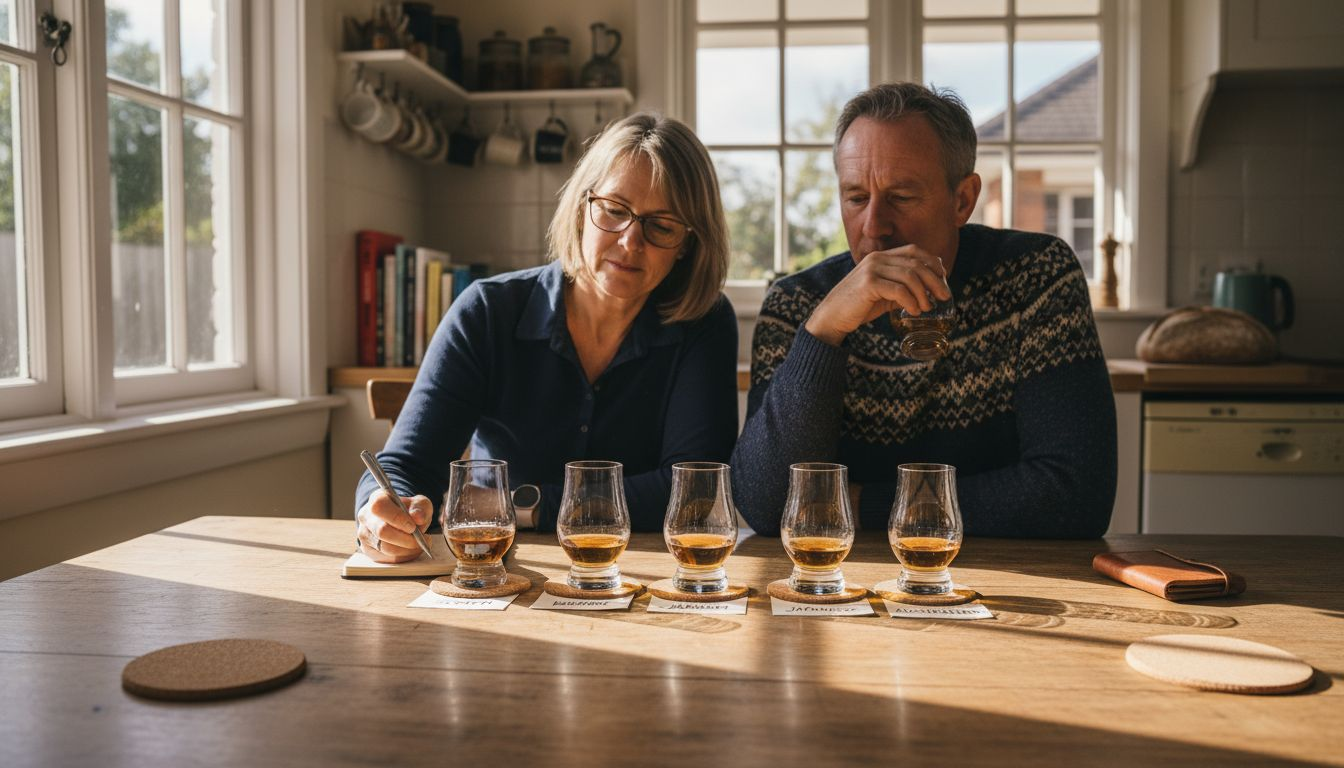
| Region | Taste Profile | Rarity Factor | Price Range | Investment Outlook |
|---|---|---|---|---|
| Scotch | Peat, smoke, maritime notes | High for aged single malts | $150-$5,000+ | Strong historical appreciation |
| Bourbon | Sweet, caramel, vanilla, oak | Moderate for allocated releases | $80-$2,000 | Steady growth with limited editions |
| Japanese | Delicate, refined, subtle fruit | Very high for premium labels | $200-$10,000+ | Rapid appreciation continues |
| Australian | Fruit-forward, innovative finishes | Increasing for boutique bottles | $120-$1,500 | Emerging growth potential |
Scotch whisky taste profiles span from heavily peated Islay malts to smooth Speyside expressions. Collectors favor aged single malts from closed distilleries and limited cask releases. Price premiums for Scotch lead the market due to established global demand.
Bourbon offers accessible entry points with strong flavor profiles. Allocated releases from Buffalo Trace, Heaven Hill, and Four Roses provide solid appreciation without the extreme premiums of rare Scotch. Sweet caramel and vanilla notes appeal to collectors preferring approachable spirits.
Japanese whisky combines meticulous craftsmanship with limited production. Brands like Yamazaki and Hakushu maintain scarcity through controlled releases, driving sustained price growth. Delicate fruit notes and refined balance attract collectors seeking elegance.
Collector demand trends for Australian whiskies rise in 2026, offering new investment upside. Boutique distilleries experiment with native timber cask finishes and innovative maturation techniques. Fruit-forward profiles distinguish Australian malts from traditional Scotch.
Diversification balances enjoyment with value growth:
- Allocate 40-50% to established Scotch and Japanese labels for stability
- Invest 25-30% in rare bourbon for steady appreciation
- Reserve 20-30% for emerging Australian and craft distilleries for growth potential
Review whisky regional differences to understand flavor profiles. Track whisky market trends to identify timing opportunities for acquisitions.
Use Case Mapping: Matching Whisky Collectibles to Collector Goals
Aligning bottle purchases with specific collection goals maximizes satisfaction and return on investment. Different use cases demand distinct selection criteria.
-
Personal Enjoyment and Tasting: Select bottles balancing quality with reasonable pricing ($120-$400). Prioritize interesting cask finishes and unique flavor profiles over extreme rarity. Open and enjoy these bottles to develop your palate. Consider distillery-exclusive releases offering distinctive character without secondary market premiums.
-
Investment and Appreciation: Target limited production runs from established brands ($500-$5,000+). Focus on bottles with documented provenance and strong historical appreciation trends. Store unopened in climate-controlled conditions. Macallan Anniversary Malts, rare Japanese releases, and closed distillery Scotch perform well here.
-
Gift Giving: Choose recognizable brands with elegant presentation ($150-$600). Age statements and attractive packaging matter more than extreme rarity for impressive gifts. Glenmorangie Signet, Yamazaki 12 Year, or premium bourbon like Blanton’s Single Barrel work well.
-
Party and Sharing: Select approachable flavor profiles with good value ($80-$250). Avoid extremely rare bottles for casual consumption. Bourbon like Buffalo Trace or accessible Scotch like Highland Park 12 Year suit group settings.
-
Exclusivity and Novelty Collecting: Pursue first releases, experimental finishes, and distillery milestones regardless of price. Aberargie inaugural bottlings, distillery anniversary editions, and unique cask experiments satisfy collectors seeking conversation pieces.
Balance portfolio allocation across use cases based on personal priorities. Collectors emphasizing enjoyment might allocate 60% to personal tasting bottles, while investment-focused collectors reverse that ratio. Consider novelty and rarity when building collections for exclusivity.
Explore whiskies for different collector goals to refine your acquisition strategy and match bottles to intended purposes.
Summary Comparison Table of Collectible Whisky Options
This comprehensive table summarizes key attributes enabling quick, informed decisions across top collectible options in 2026.
| Brand | Age | Cask Finish | ABV | Rarity Level | Price Range (AUD) | Collector Appeal | Investment Potential | Region |
|---|---|---|---|---|---|---|---|---|
| Macallan Anniversary Malt | 25-30 years | Sherry oak | 43% | Very High | $3,000-$15,000 | Exceptional | Very Strong | Scotland |
| Octomore 17 | 10 years | Ex-bourbon | 59.6% | High | $400-$800 | Strong | Moderate | Scotland |
| Four Roses 21-Year Vintage | 21 years | New oak | 50% | High | $500-$1,200 | Strong | Strong | USA |
| Aberargie First Release | 3-5 years | Australian oak | 46% | Medium | $150-$350 | Growing | High Potential | Australia |
| Yamazaki Limited Edition | 18 years | Mizunara oak | 48% | Very High | $1,500-$8,000 | Exceptional | Very Strong | Japan |
| Bunnahabhain Cask Finish | 15 years | Port pipes | 46.3% | Medium | $300-$600 | Moderate | Moderate | Scotland |
| Buffalo Trace Antique | 15-20 years | New oak | 45-57% | High | $250-$900 | Strong | Strong | USA |
Notable distinctions include Macallan’s established prestige versus Aberargie’s emerging potential. Octomore delivers extreme peat for flavor enthusiasts, while Yamazaki offers refined elegance. Price ranges reflect current market conditions but expect fluctuation based on release allocations and secondary market dynamics.
Cross-reference this table when evaluating acquisition opportunities. Balance rarity, investment potential, and personal taste preferences to build a diversified collection matching your goals.
Explore Premium Collectible Whiskies and Expert Guidance at Uisuki
Building a strategic whisky collection requires access to authentic bottles and reliable expertise. Uisuki curates premium selections specifically for Australian collectors navigating the 2026 market.
Our platform offers rare and limited edition whiskies verified for provenance and authenticity. Browse Scotch, Japanese, Bourbon, and Australian malts selected for collectibility and investment potential. Each listing includes detailed tasting notes, production information, and rarity assessments to inform your decisions.
Uisuki’s blog provides ongoing trend analysis and collector insights. Explore guides on selecting limited edition whiskies and stay current with whisky trends and market insights to time your acquisitions strategically.
We simplify online shopping with transparent pricing, secure shipping across Australia, and expert support answering your questions. Whether you’re starting your collection or adding rare releases, shop premium whiskies at Uisuki to access bottles that balance enjoyment with long-term value appreciation.
Frequently Asked Questions About Collectible Whisky
What makes a whisky collectible beyond age?
Rarity, brand reputation, unique cask finishes, and limited production runs drive collectibility more than age alone. A 10-year-old limited release from a respected distillery often appreciates faster than a common 25-year-old. Provenance documentation and bottling details also significantly impact value.
How can I verify a bottle’s authenticity before buying?
Request certificates of authenticity and check serial numbers against distillery databases. Purchase only from established retailers, auction houses, or direct distillery sources. Examine packaging quality, label precision, and seal integrity for signs of counterfeiting. Review how to select rare whisky for detailed verification steps.
Which whisky brands have strongest long-term appreciation?
Macallan, Yamazaki, and Pappy Van Winkle lead historical appreciation trends due to consistent quality and controlled scarcity. Closed Scottish distilleries like Port Ellen and Brora also perform exceptionally. Emerging Australian boutique distilleries present high growth potential as their reputations solidify.
When is the best time to buy collectible whisky in Australia?
Purchase immediately upon release announcements for limited editions to secure retail pricing before secondary market premiums inflate costs. Monitor distillery release calendars and subscribe to retailer notifications. Market corrections in late 2024 created opportunities that persist into 2026 for savvy buyers.
How should I store and maintain collectible whisky quality?
Store bottles upright in cool, dark locations away from temperature fluctuations and direct sunlight. Maintain consistent temperatures between 15-20°C to preserve liquid quality. Check the whisky shipping guide for proper handling practices. Avoid moving bottles unnecessarily once stored to prevent sediment disturbance in older expressions.