

For many Australian whisky collectors, separating fact from fiction in the world of double cask maturation can be surprisingly tricky. With so much buzz around premium releases, it’s easy to misunderstand how this process truly shapes a whisky’s flavour and value. By demystifying the reality behind double cask maturation, you’ll gain a sharper eye for evaluating what sets these expressions apart and whether they’re worth a prized spot in your collection.
Table of Contents
- Double Cask Maturation Defined and Debunked
- Traditional Casks Versus Double Cask Process
- Types of Double Cask Whisky Finishes
- How Double Cask Influences Flavour and Value
- Choosing Double Cask Whisky for Your Collection
Key Takeaways
| Point | Details |
|---|---|
| Double Cask Maturation Refines Flavour | It enhances existing characteristics rather than creating new flavours, ensuring thoughtful evaluation of whiskies. |
| Age Isn’t Double | Total whisky age is cumulative, not doubled with cask transfers, impacting purchasing perceptions. |
| Cask Type Influences Flavour | The secondary finishing cask type significantly shapes the whisky’s characteristics and complexity. |
| Collector Strategy Matters | Assess distillery reputation and production details to make informed choices that align with investment goals. |
Double Cask Maturation Defined and Debunked
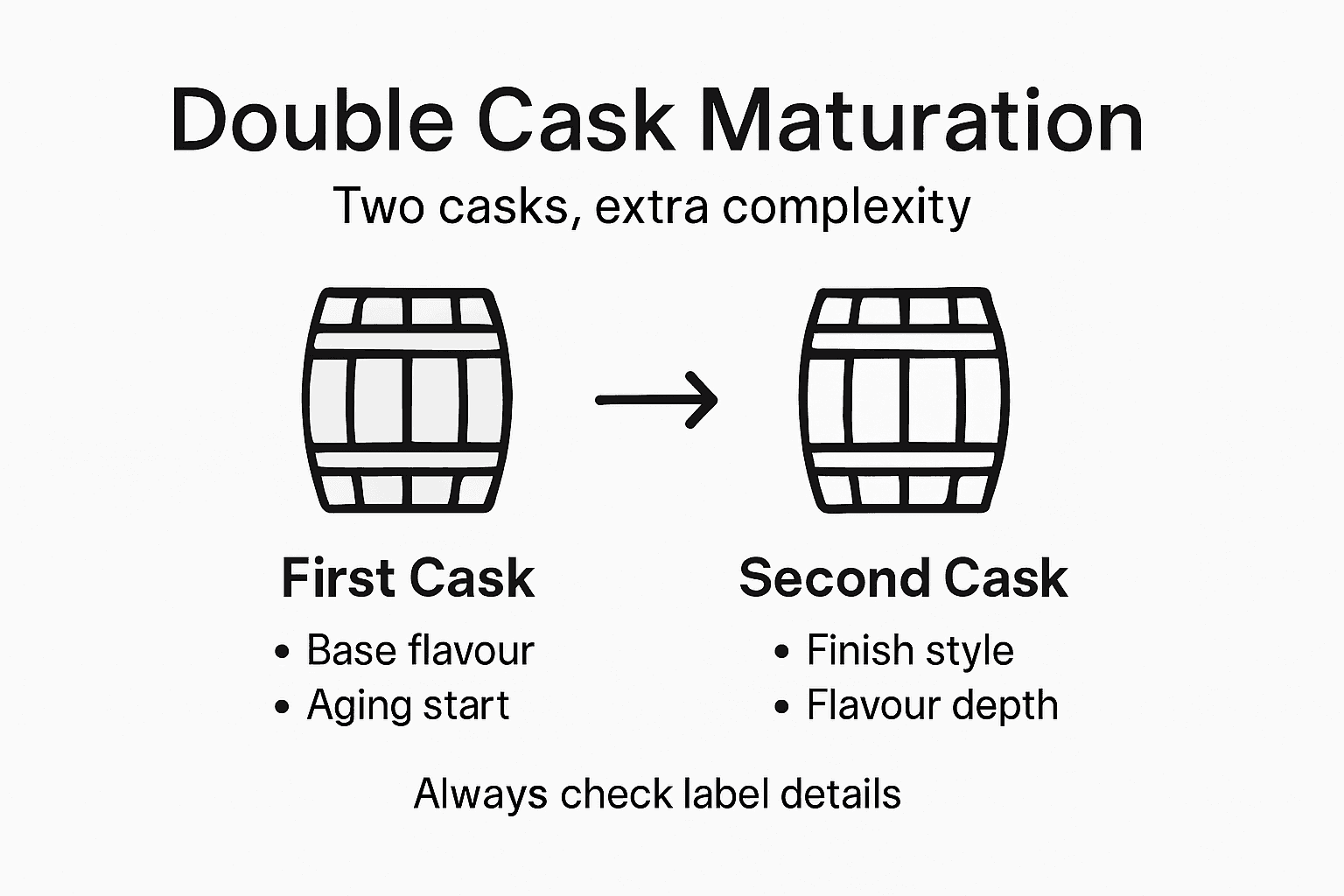
Double cask maturation sounds straightforward, but many Australian whisky collectors misunderstand what actually happens during the process. The concept is simple: a spirit matures in one cask, then transfers to a second cask for additional ageing. Yet this seemingly uncomplicated method generates significant confusion about flavour development and whisky quality.
Here’s what genuinely occurs during double cask maturation:
- The spirit spends time in a first cask (often ex-bourbon or ex-sherry)
- It’s then transferred to a second cask for further maturation
- Each cask stage influences colour, mouthfeel, and flavour characteristics
- The process develops existing flavours rather than creating entirely new ones
What Double Cask Maturation Actually Does
Casks don’t magically inject brand-new flavours into whisky. Instead, they modulate and enhance characteristics already present in the spirit. When you understand how whisky casks shape flavour, you realise the second cask stage primarily refines and rounds out existing notes.
The first cask establishes foundational flavour. The second cask then adds complexity by interacting with those baseline characteristics differently. Think of it as refinement, not transformation.
Common Myths About Double Cask Whisky
Three persistent myths cloud understanding of this maturation style:
Myth 1: Double maturation means twice the age
Incorrect. A whisky matured 5 years in cask one, then 5 years in cask two, is 10 years old total. Distillers calculate total maturation time, not duplicate ageing periods. Labelling reflects actual age, not how many times the spirit was transferred.
Myth 2: The second cask automatically creates superior quality
Not necessarily. Research shows that maturation methods like double cask contribute to complexity, but distillation quality, production techniques, and spirit character matter equally. A poorly executed second cask stage won’t salvage mediocre whisky.
Myth 3: Double cask guarantees vastly different flavour profiles
False. The second cask primarily refines flavours rather than radically transforming them. Expecting dramatic flavour shifts sets unrealistic expectations. Subtle enhancement, not dramatic reinvention, describes what actually happens.
Double cask maturation refines existing characteristics—it doesn’t create entirely new flavours from scratch.
Why Collectors Should Care About This Distinction
Understanding the reality of double cask maturation helps you make informed purchasing decisions. You won’t assume every double cask whisky automatically outperforms single cask expressions. You’ll evaluate each bottling on its own merits, considering distillery reputation, cask quality, and spirit character.
This knowledge prevents overpaying for a label rather than the liquid inside the bottle. Many Australian collectors spend premium prices expecting revolutionary flavours, then feel disappointed when tasting reveals subtle improvements rather than obvious transformation.
Pro tip: When comparing double cask whiskies, taste them side-by-side with single cask expressions from the same distillery—you’ll immediately recognise the refinement differences rather than expecting dramatic flavour shifts.
Traditional Casks Versus Double Cask Process
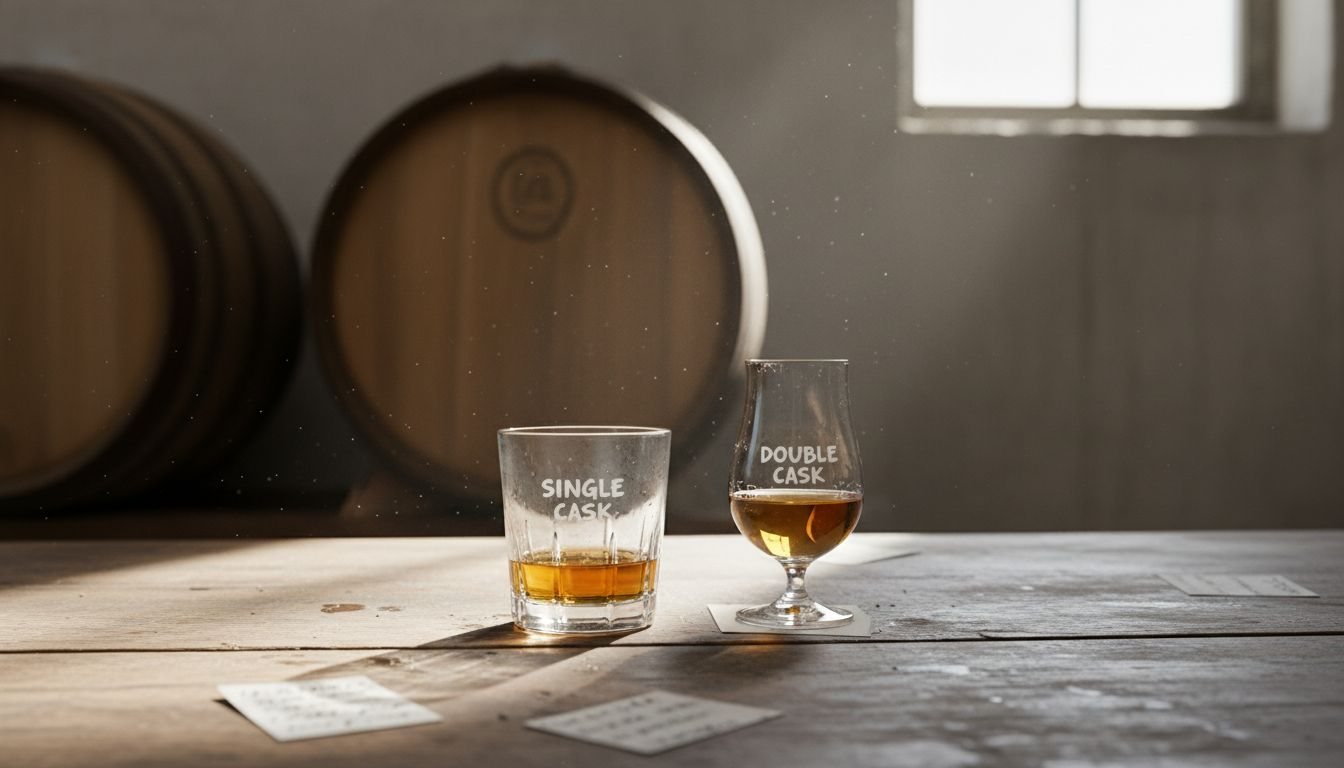
Traditional single cask maturation and double cask maturation represent two fundamentally different approaches to whisky development. Understanding their differences helps Australian collectors appreciate why distilleries choose one method over another, and what flavour outcomes you can expect from each.
Traditional single cask maturation keeps whisky in one barrel throughout the entire ageing period. Double cask introduces a second cask halfway through (or at any planned transfer point), creating layered complexity. The choice between these methods significantly impacts the final spirit.
How Traditional Single Cask Maturation Works
Single cask whisky spends its entire maturation in one vessel, typically ex-bourbon or ex-sherry wood. The spirit develops a consistent profile as it interacts with that single wood source over years.
Key characteristics of traditional maturation:
- Straightforward flavour development from one wood type
- Consistent oak influence throughout the process
- Predictable colour progression
- Distinct character reflecting the original cask history
- Simplicity in production and tracking
This approach produces whiskies with clear identity. You taste the wood influence directly, without secondary layering. Ex-bourbon casks typically impart vanilla and caramel notes. Ex-sherry casks contribute rich, fruity, sometimes spicy characteristics.
The Double Cask Advantage
Double cask maturation introduces complexity by leveraging effects of oak wood on spirit maturation across different cask types. The spirit develops core character in the first cask, then receives finishing touches from the second.
This two-stage approach allows:
- Core flavour development in the primary cask
- Nuanced finishing notes from secondary wood
- Blended complexity without harsh transitions
- Rounded mouthfeel and enhanced depth
- Greater control over final flavour profile
Imagine building layers. The first cask establishes your foundation. The second cask adds sophisticated details on top.
Practical Differences for Collectors
When comparing single cask versus double cask expressions, taste for these distinctions:
Single cask whiskies often showcase bold, singular character. You’ll identify clear wood influence. Flavours feel direct and uncomplicated, which some collectors prefer for its honesty and clarity.
Double cask whiskies typically display smoother transitions between flavours. Complexity feels more integrated. The spirit appears more refined, with secondary notes harmonising rather than competing for attention.
Neither approach guarantees superior quality. Distillery expertise, spirit character, and cask quality matter more than the maturation method itself.
Here’s a concise comparison of single cask versus double cask maturation for collectors:
| Criteria | Single Cask Whisky | Double Cask Whisky |
|---|---|---|
| Flavour Profile | Bold and straightforward | Layered and nuanced complexity |
| Wood Influence | Single consistent oak character | Combined influence from two casks |
| Mouthfeel | Often robust and direct | Typically smoother, more refined |
| Collectibility Impact | Clear provenance, niche appeal | Premium perception, broader demand |
| Investment Potential | Stable, depends on rarity | Higher appreciation, especially rare finishes |
Double cask finishing allows distillers to introduce nuanced notes without overwhelming the spirit’s original character.
Why This Matters for Your Purchasing Decisions
Understanding this distinction prevents assumptions. You won’t assume every double cask expression outperforms single cask whiskies, nor assume single cask means lesser complexity. Both methods serve specific purposes and suit different palates.
Single cask suits collectors seeking straightforward, wood-forward expressions. Double cask appeals to those preferring balanced, layered complexity. Your preference determines which offers better value for your collection.
Pro tip: Purchase one single cask and one double cask expression from the same distillery at similar price points—tasting them back-to-back reveals exactly how maturation method shapes flavour development without other variables confusing the comparison.
Types of Double Cask Whisky Finishes
Double cask finishes define the secondary maturation stage, where whisky transfers from its primary cask into a different vessel for final ageing. The finish cask type dramatically shapes flavour outcome, making this choice one of the most important decisions distillers make when crafting premium whiskies.
Understanding these finish types helps you anticipate flavour profiles before tasting. Each finish imparts distinct sensory characteristics that transform the spirit’s baseline character into something more complex and refined.
Sherry Cask Finishes
Sherry cask finishes remain the most popular double cask option globally. These casks previously held Spanish sherry wine, coating the interior with residual sugars and tannins that leach into maturing whisky.
What you’ll experience in sherry-finished whiskies:
- Enhanced sweetness (dried fruits, honey, sultanas)
- Spiced warmth (cinnamon, nutmeg, clove notes)
- Rich amber to mahogany colour development
- Silky, full-bodied mouthfeel
- Lingering finish with dried fruit undertones
Sherry finishes suit collectors seeking indulgent, sophisticated expressions. The combination of the spirit’s original character plus sherry influence creates noticeable depth without overwhelming the palate.
Port and Madeira Finishes
Port cask finishes contribute richness and fruitiness that appeals to those preferring sweeter profiles. The fortified wine’s natural sweetness melds beautifully with mature whisky, producing decadent results.
Madeira cask finishes occupy a middle ground between sherry and port—less intensely sweet than port, yet richer than traditional sherry. Both options add significant colour and viscosity to the final spirit.
Rum and Wine Cask Finishes
Rum cask finishes introduce tropical notes—banana, pineapple, and coconut characteristics that brighten the spirit. These work exceptionally well in whiskies already displaying fruity baseline notes, creating harmonious layering rather than jarring contrasts.
Wine cask finishes (Burgundy, Bordeaux, or other varietals) impart tannins and complexity. They appeal to collectors familiar with wine appreciation, as the finishing process mirrors wine-aging philosophy.
Understanding What Makes a Whisky Finish
The finish cask’s previous contents directly influence flavour delivery. A cask previously holding dry red wine creates completely different results from one that held sweet fortified wine. Distillery choice here reflects their target audience and brand philosophy.
Finish duration matters equally. Shorter finishes (3-6 months) add subtle notes. Longer finishes (12+ months) create pronounced characteristics that dominate the flavour profile.
The finish cask transforms whisky’s baseline character, adding final layers of complexity rather than replacing original qualities.
Selecting Based on Your Palate
Your preference guides which finishes deserve collection space. Sweet-toothed collectors gravitate toward sherry and port finishes. Those preferring balance explore wine cask options. Adventurous drinkers experiment with rum finishes for tropical brightness.
Consider also how finished whiskies pair with food and occasion. Sherry finishes complement desserts and evening sipping. Rum finishes work beautifully before meals. Wine finishes transition well between courses.
To help collectors anticipate flavour outcomes, here’s a reference table summarising common double cask finishes:
| Finish Type | Typical Flavour Note | Ideal Pairing Occasion |
|---|---|---|
| Sherry | Rich dried fruit, subtle spice | Dessert or evening relaxation |
| Port | Sweet berry, lush mouthfeel | Post-dinner or winter sipping |
| Madeira | Balanced fruit, gentle nuttiness | After meals, social tastings |
| Rum | Tropical fruit brightness | Aperitif or summer gatherings |
| Wine (Bordeaux/Burgundy) | Red fruit, mild tannin | Course transitions, food pairings |
Pro tip: Start with a sherry-finished expression from an established Scottish distillery, then systematically taste port and rum finishes from the same brand—this reveals how finish cask selection influences flavour without brand inconsistency confusing your palate development.
How Double Cask Influences Flavour and Value
Double cask maturation creates two distinct advantages for whisky: enhanced flavour complexity and increased market value. Understanding how these elements connect helps Australian collectors make strategic purchasing decisions that align with both taste preferences and investment potential.
The process directly influences what you taste and what collectors are willing to pay. This relationship between craftsmanship and worth makes double cask whiskies particularly attractive for building serious collections.
Flavour Enhancement Through Layered Maturation
Double cask maturation develops complexity impossible to achieve in single cask expressions. The spirit gains multiple layers of sensory experience, creating depth that evolves across the palate.
Key flavour developments include:
- Initial character from the primary cask establishes foundation notes
- Secondary cask adds nuanced finishing touches
- Wood interaction between stages creates new flavour compounds
- Balance improves as harsh edges smooth during transfer
- Subtle integration of multiple wood influences
Think of it like building flavour in stages. The first cask creates your base. The second cask refines and adds sophistication. Together, they produce something distinctly more interesting than either cask alone could deliver.
Market Value and Collector Appeal
Double cask whiskies command premium prices for good reason. Double cask maturation increases whisky appeal through craftsmanship, making collectors view these expressions as more distinctive and layered.
Value drivers for double cask expressions include:
- Resource investment in two-stage maturation process
- Extended production timeline (typically 2-5 years longer than single cask)
- Perceived quality associated with refinement methodology
- Limited production runs (many distilleries reserve double cask for premium lines)
- Stronger secondary market demand from serious collectors
Australian collectors recognise that double cask whiskies appreciate over time. The craftsmanship investment translates to real market value, making these expressions both enjoyable to drink and sensible portfolio additions.
Why Flavour Translates to Price
Disillers invest considerable time and cask expense into double maturation. Those costs reflect in retail pricing, but they also signal quality commitment. When you purchase double cask whisky, you’re paying for demonstrable complexity development, not just a label.
Consumers and investors both recognise this distinction. Flavour enhancement directly justifies price premiums—something rare in luxury goods markets.
Double cask whiskies gain complexity and appeal simultaneously, making them attractive for both immediate enjoyment and long-term appreciation.
Evaluating Value for Your Collection
Not every double cask expression represents equal value. Distillery reputation, finish cask type, and ageing duration all influence actual worth versus asking price.
Consider these factors when assessing whether a bottle deserves shelf space:
- Does the finish cask align with your flavour preferences?
- What’s the distillery’s track record with this expression?
- How does pricing compare to similar expressions from competitors?
- Does the bottle exist in limited quantities?
- Would you drink it or hold it for appreciation?
Combining flavour quality with strategic thinking creates collections that satisfy your palate whilst building genuine value over time.
Pro tip: Purchase one premium double cask whisky from an established distillery, taste it thoroughly, then compare its complexity to a similarly priced single cask expression—you’ll immediately recognise whether the additional craftsmanship and cost delivers justified flavour enhancement for your preferences.
Choosing Double Cask Whisky for Your Collection
Selecting double cask whiskies for your collection requires more than simply grabbing bottles off shelves. Strategic choices based on cask type, distillery reputation, and your personal palate preferences create collections worth drinking and holding long-term.
Building a double cask collection means understanding what drives quality and rarity. Each bottle should earn its shelf space through genuine appeal and collectability potential.
Understanding Cask Selection
The finishing cask determines your flavour experience more than any other factor in double cask maturation. Sherry and port cask finishes dominate premium releases because they deliver rich, fruity notes collectors actively seek.
Cask types shape collectability:
- Sherry cask finishes offer complexity and colour—deeply desirable for serious collectors
- Port cask finishes provide sweetness and opulence that appeals to broader audiences
- Wine cask finishes deliver elegance and balance—preferred by those with wine appreciation background
- Rum cask finishes introduce tropical brightness—rarer and more experimental
- First-fill casks (never used before) create stronger influence—highly valued
Sherry finishes consistently command higher prices because they develop distinctive character whilst remaining approachable. Understanding this helps you choose expressions aligned with both your taste preferences and collection investment strategy.
Transparency and Maturation Details
How secondary maturation influences flavour development and value matters significantly when evaluating bottles. Distilleries providing transparent information about cask types and maturation periods demonstrate quality commitment.
Look for bottles clearly stating:
- Primary cask type and age
- Secondary (finishing) cask type
- Time spent in each cask stage
- Whether casks were first-fill or refill
- Bottling date and distillery notes
This transparency allows you to assess complexity potential and authenticity. Vague labelling often indicates lower production standards or mediocre cask selection.
Rarity, Production, and Distillery Reputation
Limited edition releases and age statements reflecting prolonged double cask maturation enhance collectability substantially. Whiskies matured longer develop richer character whilst fewer bottles exist—both factors drive value appreciation.
Consider these collection-building elements:
- Distillery track record with double cask expressions (consistency matters)
- Production volume (smaller batches increase rarity)
- Age statements (10+ years typically indicates serious investment)
- Cask rarity (first-fill sherry particularly valuable)
- Secondary market demand (research previous sales)
Established distilleries with proven double cask programs offer safer collection foundations. Newer producers experimenting with double cask may deliver exciting flavours but less investment certainty.
Balance each cask’s influence skilfully—expressions that harmonise both casks offer greater complexity and long-term collection value.
Building Strategic Diversity
Avoid collecting exclusively one finish type. Diverse cask styles create rounded collections reflecting whisky’s full spectrum. A balanced collection might include sherry, port, and wine-finished expressions across multiple distilleries and price points.
This approach satisfies varied occasions and palates whilst protecting against single-market trends. If sherry-finished whiskies fall from favour, your port and wine-finished bottles maintain appeal.
Pro tip: Start with one premium double cask expression from a top-tier Scottish distillery with transparent cask information, taste it thoroughly to understand quality standards, then expand systematically by adding one new distillery or finish type per quarter—this pace prevents expensive mistakes whilst building educated palate appreciation.
Discover the True Depth of Double Cask Whisky
Navigating the complexities of double cask maturation can be challenging for whisky lovers aiming to discern genuine flavour refinement from simple marketing. If you seek to understand how two-stage ageing enhances whisky character and are looking for authentic expressions that truly reflect this craftsmanship, you need a trusted source that offers transparent details about cask finishes and distillery practices. At Uisuki, we specialise in premium whiskies matured in diverse cask types, including expertly finished double cask selections that enrich your collection with nuanced depth and balance.

Explore our curated range where every bottle comes with detailed descriptions explaining the cask influence, aging periods, and flavour profiles. Whether you are comparing single versus double cask whiskies or seeking rare finishes such as sherry, port, or rum casks, you will find expert guidance to help you make informed decisions and build a collection that matches your palate and investment goals. Don’t miss your chance to elevate your whisky experience today by browsing premium whisky selections crafted for discerning Australian collectors.
Frequently Asked Questions
What is double cask maturation in whisky?
Double cask maturation refers to the process where a spirit matures first in one cask, often ex-bourbon or ex-sherry, and is then transferred to a second cask for further ageing. This method enhances the whisky’s existing flavours rather than creating entirely new ones.
How does double cask maturation influence whisky flavour?
The first cask establishes the foundational flavour of the whisky, while the second cask refines and adds complexity by interacting with those baseline characteristics. This process results in a smoother, more integrated flavour profile.
Is double cask whisky always of higher quality than single cask whisky?
Not necessarily. While double cask maturation can add complexity, the quality also depends on distillation methods, production techniques, and the character of the spirit itself. A well-made single cask expression can be superior to a poorly executed double cask.
What types of cask finishes are common in double cask maturation?
Common types of cask finishes include sherry, port, rum, and wine casks. Each type imparts unique flavour characteristics, with sherry cask finishes often providing rich fruit and spice notes, while rum casks contribute tropical fruit flavours.