

Most australian whisky collectors are surprised to learn that sherry cask matured whiskies have surged in value by more than 300 percent over the past decade. This remarkable growth highlights the appeal and complexity of sherry cask maturation, a process that continues to shape both flavour profiles and investment prospects. Discover how these prized Spanish barrels transform raw spirits into layered, collectible treasures and why understanding their unique influence is essential for every australian enthusiast and serious investor.
Table of Contents
- Sherry Casks In Whisky Maturation Explained
- Types Of Sherry Casks And Key Distinctions
- Impact On Whisky Flavour And Aroma Profile
- Investment Value For Collectors In Australia
- Common Misconceptions About Sherry Cask Maturation
Key Takeaways
| Point | Details |
|---|---|
| Sherry Cask Importance | Sherry cask maturation enhances whisky by adding complex flavours from the oak and sherry residues. Distillers prefer custom-made casks for precise flavour profiles. |
| Types of Sherry Casks | Different sherry cask types, such as Oloroso and Pedro Ximénez, impart distinct flavours and aromas, creating diverse whisky experiences. |
| Investment Potential | Sherry cask whiskies are valuable for collectors, especially rare single cask releases. Proper storage and provenance documentation enhance investment value. |
| Misconceptions | Many believe all sherry casks are traditional wine barrels; however, most are purpose-built for whisky age to achieve specific maturation outcomes. |
Sherry casks in whisky maturation explained
Sherry cask maturation represents a sophisticated technique in whisky production that transforms raw spirits into complex, richly flavoured beverages. These specialised wooden containers, traditionally imported from Spain’s sherry-producing regions, play a critical role in developing whisky’s depth and character. Understanding the nuanced process of sherry cask preparation reveals why these barrels are prized by master distillers worldwide.
The journey of a sherry cask begins in Spain, where wine is aged and stored before being repurposed for whisky maturation. Historically, distilleries would purchase used sherry barrels that had transported wine, but modern practices have evolved. Contemporary producers now often commission custom-made casks specifically seasoned with sherry wine to impart precise flavour profiles. These carefully selected oak vessels introduce complex layers of dried fruit, nuts, and warming spice characteristics that distinguish sherry cask whiskies from their traditionally matured counterparts.
Whisky maturation in sherry casks is not merely a storage technique but an intricate art form. The porous oak absorbs and releases compounds from previous sherry contents, creating a unique flavour environment that gradually transforms the spirit. Depending on the specific type of sherry used for seasoning - whether Pedro Ximénez, Oloroso, or Amontillado - the resulting whisky can develop dramatically different flavour profiles ranging from intensely sweet to nutty and complex. Distilleries carefully manage this process to ensure consistent quality and distinctive character in each barrel.
Pro Tip for Whisky Enthusiasts: When exploring sherry cask whiskies, pay attention to the specific type of sherry used in cask seasoning, as this dramatically influences the final flavour profile and can offer a fascinating insight into the craft of whisky making.
Types of sherry casks and key distinctions
The world of sherry cask whisky maturation is remarkably diverse, with each type of cask offering unique flavour characteristics that transform the spirit. Exploring the nuanced differences between sherry cask varieties reveals a complex landscape of flavour potential that goes far beyond simple oak barrel aging.
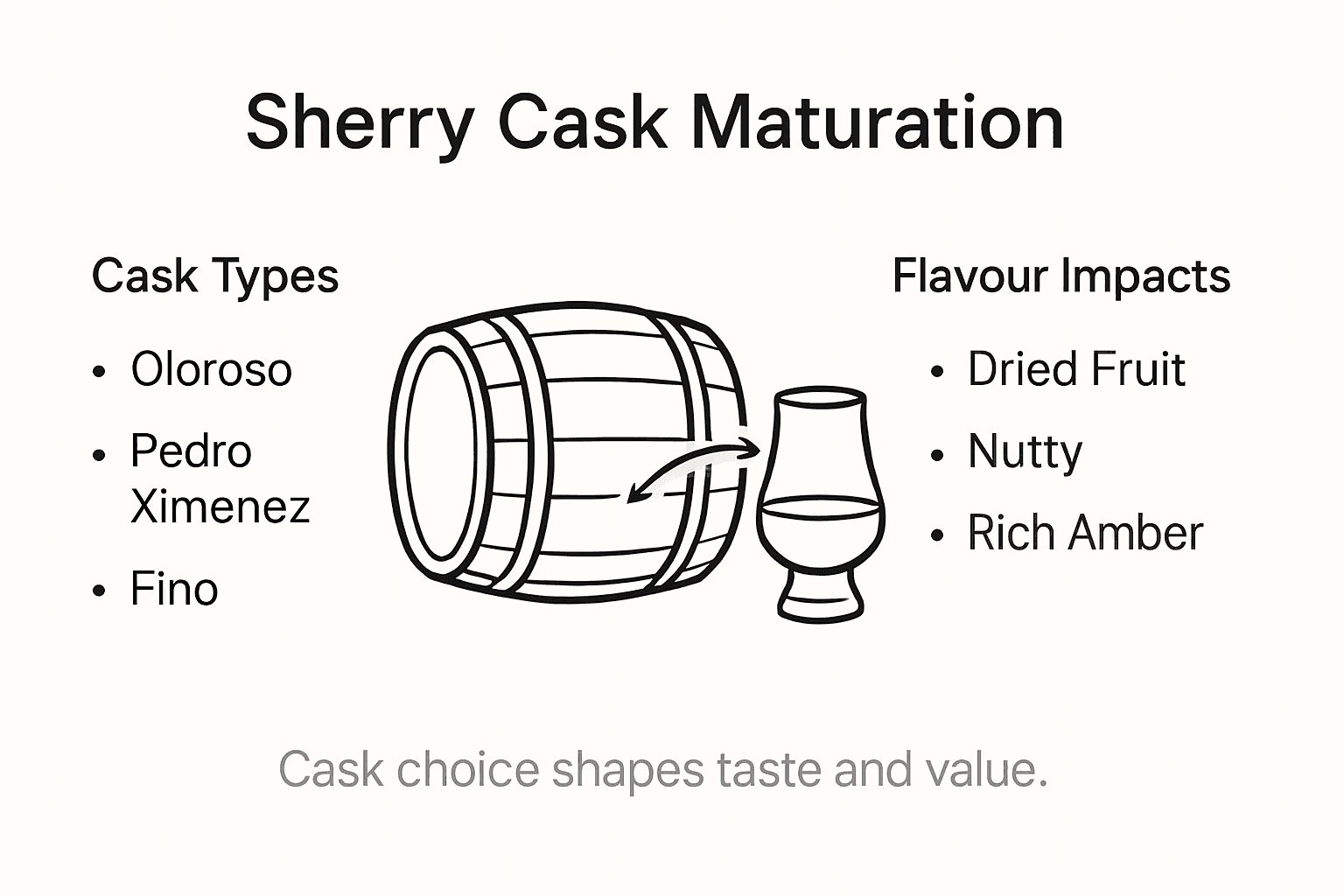
Five primary sherry cask types dominate whisky maturation, each bringing distinct flavour profiles. Oloroso casks, known for their rich, nutty characteristics, typically impart deep mahogany colours and robust dried fruit notes. Pedro Ximénez (PX) casks represent the sweetest option, introducing intense raisin and treacle-like flavours that create exceptionally rich whiskies. Fino casks offer a lighter, more delicate approach, contributing crisp and slightly saline qualities that provide remarkable complexity. Amontillado casks sit between Fino and Oloroso, delivering nuanced flavours with both dry and sweet undertones, while Moscatel casks contribute unique floral and honeyed characteristics.
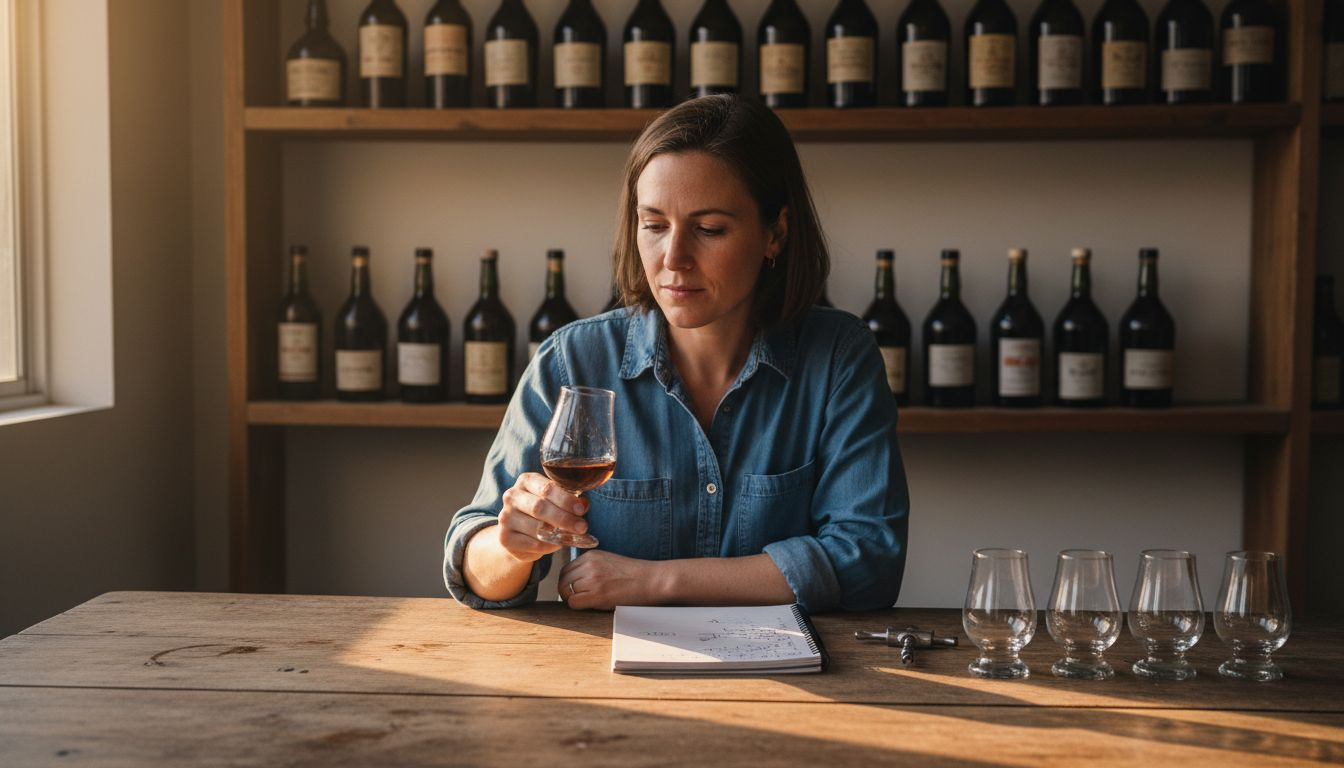
The size and previous seasoning of sherry casks also play crucial roles in whisky development. Traditional Spanish sherry butts, typically holding around 500 litres, differ significantly from smaller hogsheads or puncheons. The wood’s previous contents, seasoning duration, and number of times it has been used all influence the final whisky’s flavour profile. Coopers and distilleries meticulously select and prepare these casks, understanding that each wooden vessel carries its own potential to transform a raw spirit into a complex, memorable whisky.
Pro Tip for Whisky Collectors: When purchasing sherry cask whiskies, pay close attention to the specific type of sherry used in maturation, as this single factor can dramatically alter the whisky’s overall taste experience and collector value.
Here’s a concise comparison of the five main sherry cask types and their influence on whisky character:
| Sherry Cask Type | Typical Flavour Influence | Colour Impact | Notable Whisky Style |
|---|---|---|---|
| Oloroso | Nutty, dried fruit notes | Deep mahogany | Robust, full-bodied |
| Pedro Ximénez | Sweet, raisin, treacle | Dark bronze | Rich, dessert-style |
| Fino | Crisp, delicate, salty | Pale gold | Light, subtle finish |
| Amontillado | Balanced, dry-sweet | Amber | Nuanced complexity |
| Moscatel | Floral, honeyed, fruity | Bright gold | Unique, aromatic |
Impact on whisky flavour and aroma profile
Sherry cask maturation represents a transformative journey that dramatically reshapes a whisky’s sensory experience, introducing extraordinary depth and complexity beyond traditional oak barrel aging. Understanding the nuanced relationship between whisky and cask influence reveals how these remarkable wooden vessels act as alchemical conduits that fundamentally alter a spirit’s character.
The flavour transformation occurs through multiple intricate mechanisms. Phenolic compounds within the sherry-seasoned wood interact with the whisky, releasing intricate molecular combinations that create profound aromatic and gustatory experiences. Oloroso casks typically introduce robust dried fruit notes like dates and figs, while Pedro Ximénez casks contribute intensely sweet characteristics reminiscent of raisins and dark chocolate. The wood’s previous contents - the residual sherry - impart distinctive flavour compounds that penetrate the whisky’s molecular structure, creating layered sensory experiences that range from delicate and nutty to rich and intensely sweet.
Aroma profiles developed through sherry cask maturation are equally complex, with each cask type generating unique olfactory signatures. Fino casks might contribute light, crisp notes with saline undertones, while Amontillado casks create more nuanced aromas bridging dry and sweet spectrums. The wood’s porosity allows gradual oxidation and interaction, enabling subtle flavour compounds to emerge and integrate over time. Distillers carefully monitor this delicate process, understanding that each wooden vessel carries its own potential to transform a raw spirit into a symphonic sensory experience.
Pro Tip for Whisky Enthusiasts: When exploring sherry cask whiskies, train your palate by comparing different sherry cask types side by side, paying close attention to the subtle variations in aroma and flavour introduced by each unique wooden vessel.
Investment value for collectors in Australia
Sherry cask whiskies represent a sophisticated investment avenue for Australian collectors, offering unique opportunities beyond traditional investment assets. Understanding the intricate dynamics of whisky collectibility reveals how specific sherry cask expressions can appreciate significantly over time, particularly those from renowned distilleries with limited production runs.
The investment potential of sherry cask whiskies hinges on several critical factors. Rarity stands as the primary driver of value, with collectors particularly prizing single cask releases or expressions from discontinued production lines. Pedro Ximénez and Oloroso sherry cask whiskies often command premium prices due to their distinctive flavour profiles and limited availability. Australian collectors have demonstrated a growing appetite for unique sherry cask expressions, especially those featuring exceptional wood management techniques and provenance from prestigious Scottish and international distilleries.
Collector considerations extend beyond mere acquisition, encompassing preservation and documentation. Proper storage conditions are paramount, with temperature-controlled environments protecting the whisky’s integrity and potential future value. Serious investors track detailed documentation, including cask numbers, bottling dates, and specific sherry cask details that can dramatically influence a bottle’s collectible status. The Australian market has seen remarkable appreciation rates for well-preserved sherry cask whiskies, with some rare expressions increasing in value by over 300% within a decade.
Pro Tip for Whisky Investors: Prioritise purchasing sherry cask whiskies from limited editions, single cask releases, and distilleries with strong international reputations, ensuring you maintain original packaging and comprehensive provenance documentation to maximise potential future investment returns.
The following table summarises key factors affecting sherry cask whisky investment for Australian collectors:
| Factor | Influence on Value | Collector Consideration |
|---|---|---|
| Rarity | Increases desirability | Seek single casks / limited runs |
| Cask Type | Alters flavour & market demand | Prioritise PX, Oloroso casks |
| Provenance | Verifies authenticity | Document cask/bottle history |
| Storage Conditions | Preserves quality, longevity | Use temperature control |
Common misconceptions about sherry cask maturation
Whisky enthusiasts often harbour numerous misconceptions about sherry cask maturation that can significantly distort their understanding of this complex process. Exploring the nuanced reality behind sherry cask treatments reveals a far more sophisticated landscape than many consumers initially assume, challenging popular narratives about whisky production.
One prevalent misconception involves the assumption that all sherry casks are genuine wine barrels directly imported from Spanish bodegas. In reality, most modern sherry casks are specifically manufactured and seasoned for the whisky industry, often created with the sole purpose of imparting specific flavour profiles. Many distilleries now commission purpose-built casks, carefully seasoning them with sherry for a predetermined period to achieve consistent and predictable maturation characteristics. This industrial approach contrasts sharply with romantic notions of centuries-old barrels being repurposed from traditional wine transportation.
Another significant misunderstanding relates to the uniformity of sherry cask influence. Whisky enthusiasts frequently oversimplify the maturation process, believing that all sherry casks produce identical results. In truth, variables such as the specific type of sherry used for seasoning, the wood’s previous history, the cooper’s craftsmanship, and the precise seasoning duration can dramatically alter the final whisky’s character. Oloroso, Pedro Ximénez, and Fino sherries each contribute dramatically different flavour profiles, creating a complex spectrum of potential outcomes that extends far beyond simplistic generalizations.
Pro Tip for Whisky Learners: Always approach sherry cask whiskies with an open mind, recognising that each expression represents a unique combination of wood, spirit, and maturation techniques rather than a standardised product.
Discover the Extraordinary World of Sherry Cask Whiskies Today
If you have been intrigued by how sherry cask maturation deeply enhances whisky with unique flavours like dried fruit, nutty undertones, and rich sweetness then now is the perfect time to explore exceptional bottles that showcase these characteristics. Understanding the impact of different sherry types such as Oloroso and Pedro Ximénez can elevate your appreciation and collection to new heights. Whether you are aiming to savour complex aromas or invest in rare releases, having access to expertly curated whiskies makes a real difference.

Experience the distinctive charm of sherry cask matured whiskies by browsing our selection including Glendronach – Uisuki.com.au, renowned for their mastery of rich sherry cask expressions. Also, explore premium options from Macallan – Uisuki.com.au, celebrated for exquisite oak influence combined with sherry maturation artistry. Visit Uisuki.com.au now to access detailed product descriptions, expert guidance, and rare bottles with carefully documented provenance. Start your journey into the sophisticated realm of sherry cask whiskies and enrich your collection with truly memorable flavours before these limited editions become unavailable.
Frequently Asked Questions
What is sherry cask maturation in whisky?
Sherry cask maturation is a whisky aging process where spirits are stored in barrels previously used for aging sherry wine. This technique enhances the whisky’s flavour profile, adding complexity and richness through the influence of the sherry residues in the wood.
How do different types of sherry casks affect whisky flavour?
Different types of sherry casks, such as Oloroso, Pedro Ximénez, Fino, Amontillado, and Moscatel, each impart distinct flavour characteristics. For example, Oloroso casks add nutty, dried fruit flavours, while Pedro Ximénez contributes sweet, raisin-like qualities, creating a wide range of possible profiles for the whisky.
Why are sherry casks considered valuable in whisky production?
Sherry casks are valued for their ability to transform whisky through the complex interaction of wood and residual sherry compounds, which deepen the spirit’s flavour and aroma. Additionally, the rarity and provenance of specific sherry cask whiskies can significantly enhance their investment potential.
What are common misconceptions about sherry cask maturation?
A common misconception is that all sherry casks are simply repurposed wine barrels; in reality, many modern sherry casks are specifically constructed and seasoned for whisky maturation. Another misunderstanding is that all sherry casks produce the same results; in fact, numerous factors such as cask type, seasoning duration, and wood history can lead to vastly different flavour outcomes.
Recommended
- The Macallan 12 Year Old Sherry Matured Single Malt Whisky 40% ABV 700 – Uisuki.com.au
- The Macallan 12 Year Old Sherry Matured Single Malt Whisky 40% ABV 700 – Uisuki.com.au
- Macallan 18yo Sherry Oak Cask Single Malt Whisky 2024 Release 43% ABV – Uisuki.com.au
- Arran Sherry Cask ‘The Bodega’ Single Malt Scotch Whisky 55.8% ABV 700 – Uisuki.com.au