

Most whisky collectors underestimate just how much regional environments shape their favourite spirits. Modern research has identified more than 42 distinct flavour compounds in whisky directly influenced by local terroir, challenging the myth that distillation erases environmental origin. For Australian enthusiasts, understanding how microclimate, soil, and water impact the whisky in your glass opens doors to deeper appreciation and smarter collecting decisions. This guide unpacks the science, dispels common myths, and reveals how terroir creates Australia’s most memorable drams.
Table of Contents
- Defining Whisky Terroir And Common Myths
- Regional Terroir: Scotland, Japan, Australia, USA
- Grain, Water Source, And Climate Influence
- Barrel Ageing Versus Terroir: Separating Impact
- Evaluating Terroir: Scientific Findings And Industry Debate
Key Takeaways
| Point | Details |
|---|---|
| Understanding Terroir | Whisky terroir encompasses environmental factors such as soil, climate, and agricultural practices that significantly influence flavour profiles. |
| Regional Variations | Different whisky-producing regions, like Scotland and Japan, showcase unique characteristics shaped by local conditions and traditions. |
| Grain and Water Significance | The type of grain and the local water source play crucial roles in determining the sensory attributes of the whisky. |
| Collaboration of Terroir and Barrel Ageing | The interaction between terroir and barrel ageing creates a complex flavour development, underscoring the balance between environmental conditions and maturation techniques. |
Defining whisky terroir and common myths
Whisky terroir represents far more than a trendy buzzword in spirits production. At its core, terroir describes the unique environmental interactions that profoundly shape a whisky’s character, encompassing the subtle interplay between soil composition, microclimate, and geographical nuances. Landmark academic research conclusively demonstrates that terroir isn’t just marketing hype but a scientifically validated phenomenon influencing whisky’s fundamental flavour profile.
Contrary to widespread misconception, terroir extends well beyond wine production. Researchers have discovered that barley grown in different geographical locations can produce dramatically different flavour compounds, even when processed using identical malting and distillation techniques. A groundbreaking study by Waterford Distillery and Oregon State University identified over 42 distinct flavour compounds, with approximately half directly attributable to the barley’s specific terroir characteristics. This research effectively dismantles the myth that distillation completely erases the raw ingredient’s environmental origins.
The complexity of whisky terroir challenges simplistic interpretations. While some enthusiasts might imagine terroir as a straightforward soil-to-spirit translation, the reality is far more nuanced. Terroir encompasses not just physical environmental factors but also includes biological interactions, agricultural practices, and even subtle microclimatic variations. The peer-reviewed research exploring terroir’s applicability emphasises that these environmental influences interact in intricate ways, creating a unique flavour signature that cannot be replicated elsewhere.
Pro tip: When exploring whiskies, pay attention to the specific region and farming practices, as these can reveal fascinating insights into the spirit’s underlying character and environmental origins.
Regional terroir: Scotland, Japan, Australia, USA
Whisky’s profound connection to its geographical origins reveals a rich tapestry of flavour complexity that transcends simple production techniques. Regional differences in whisky terroir demonstrate how landscape, climate, and local traditions fundamentally shape each spirit’s unique character. In Scotland, this variability is particularly pronounced, with distinct regional styles emerging from microclimatic variations across the Highlands, Speyside, Islay, Campbeltown, and Lowlands.
Japanese whisky represents a fascinating intersection of tradition and innovation, drawing inspiration from Scottish production methods while expressing a distinctly local sensibility. The nation’s precise approach to whisky-making transforms local environmental conditions into nuanced, balanced spirits that reflect the subtle interplay of landscape and craftsmanship. Japanese whisky techniques showcase how terroir extends beyond mere geographical characteristics to encompass cultural methodology and environmental sensitivity.
Australia’s emerging whisky landscape presents an exciting frontier of terroir exploration. Despite being a relatively young whisky-producing region, Australian distilleries are rapidly establishing distinctive styles shaped by unique local conditions. From Tasmania’s cool maritime climate to the mainland’s variable environments, Australian whisky producers are demonstrating remarkable creativity in expressing local terroir. The diversity of local ingredients, aging conditions, and microclimatic variations contribute to producing spirits with truly distinctive regional signatures.
Pro tip: When exploring regional whiskies, taste spirits from different geographical areas side by side to truly appreciate the subtle environmental influences on flavour profiles.
To clarify how different whisky regions around the world express unique terroir influences, see the comparison below:
| Region | Notable Terroir Elements | Signature Whisky Characteristics |
|---|---|---|
| Scotland | Microclimates, water sources, peat | Peaty, smoky, diverse regional notes |
| Japan | Pristine water, humidity, precision | Delicate, balanced, nuanced flavours |
| Australia | Diverse climates, native grains | Fruity, bold, innovative profiles |
| USA | Corn dominance, variable climates | Rich, sweet, robust (e.g. bourbon) |
Grain, water source, and climate influence
The intricate relationship between grain, water source, and local climate represents the fundamental backbone of whisky terroir. Scientific investigations into grain terroir reveal that environmental factors profoundly influence wheat and barley’s chemical composition, directly impacting the resulting spirit’s sensory characteristics. Geographical location, harvest year, and specific microclimate contribute to variations in protein, starch, and bioactive components that translate into complex flavour profiles.
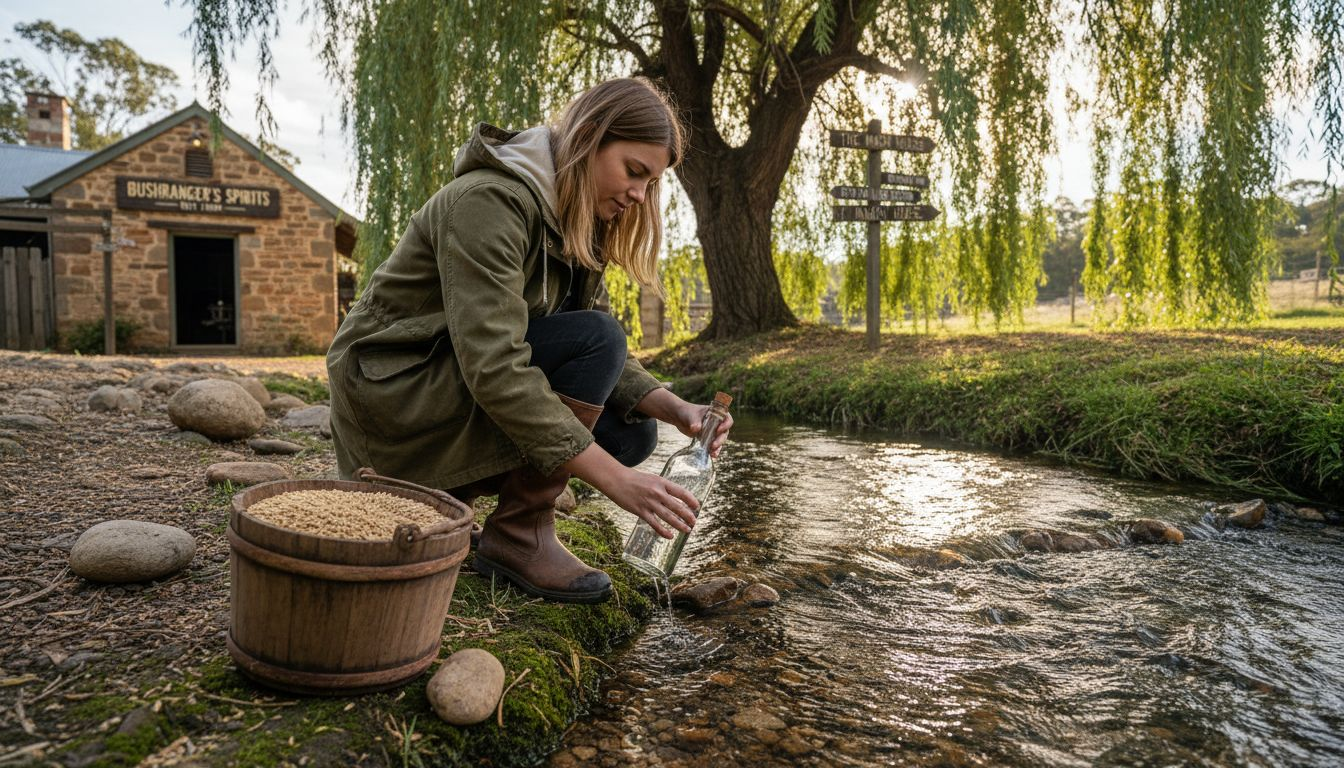
Water sources play an equally critical role in whisky production, with each region’s unique mineral composition dramatically influencing the spirit’s final character. Local watersheds carry distinctive mineral signatures that interact with grains during mashing and fermentation, creating nuanced flavour expressions impossible to replicate elsewhere. Analytical research by chromatography experts demonstrates that soil pH, mineral content, and environmental conditions can generate measurable differences in whisky’s chemical composition.
Climate emerges as another crucial terroir component, with temperature, humidity, and seasonal variations directly impacting grain development and spirit maturation. Cooler regions like Tasmania produce dramatically different grain characteristics compared to warmer mainland areas, resulting in whiskies with distinct aromatic and flavour profiles. The interaction between local environmental conditions and agricultural practices creates a unique chemical fingerprint that cannot be artificially replicated, making each regional whisky a true expression of its geographical origin.
Pro tip: Compare whiskies from different regions side by side, paying close attention to their water sources and local growing conditions to appreciate the subtle terroir influences.
Here’s a summary of how grain, water, and climate each affect whisky terroir:
| Factor | Influence on Whisky | Example Impact |
|---|---|---|
| Grain Variety | Alters starch, protein, flavour precursors | Distinct flavour compounds |
| Water Source | Mineral content shapes mouthfeel & taste | Unique sweetness or minerality |
| Local Climate | Impacts grain growth, ageing, aromatic profile | Lighter spirit in cool regions |
Barrel ageing versus terroir: separating impact
The complex interaction between terroir and barrel ageing represents a nuanced dance of flavour development that challenges simple categorisation. Whisky maturation science reveals that while initial terroir influences the spirit’s fundamental character, barrel ageing can substantially transform or even eclipse those original environmental characteristics. Oak barrels act as alchemical vessels, introducing complex chemical interactions that dramatically reshape the whisky’s sensory profile.
At the molecular level, barrel ageing introduces compounds that were not present in the original distillate, creating flavour dimensions that extend well beyond the grain’s initial terroir. The wood’s previous contents, charring level, and specific oak variety contribute vanillin, tannins, and unique lactone compounds that interact dynamically with the spirit. This process means that a whisky from a cool, maritime region can be profoundly altered by its time in a carefully selected barrel, potentially rendering its original geographical signatures almost unrecognisable.
Ultimately, the relationship between terroir and barrel ageing is best understood as a collaborative rather than competitive process. While initial environmental conditions establish the whisky’s foundational character, barrel ageing acts as a transformative second stage of flavour development. Some distilleries deliberately choose barrels that complement or amplify their spirit’s inherent terroir-driven characteristics, creating a sophisticated dialogue between place of origin and maturation technique that speaks to the whisky’s entire developmental journey.
Pro tip: When tasting whiskies, try to identify the underlying terroir characteristics before and after appreciating the barrel-induced flavour developments.
Evaluating terroir: scientific findings and industry debate
The discourse surrounding whisky terroir occupies a complex intellectual landscape, where scientific rigour meets artisanal tradition. Whisky terroir debates reveal a nuanced conversation that challenges simplistic environmental determinism. While some researchers argue for environmental influence, distillers emphasise the equally critical role of human craft, suggesting terroir represents a delicate interaction between natural conditions and skilled production techniques.
Scientific methodologies have increasingly sought to quantify terroir’s impact, employing sophisticated analytical techniques to trace flavour compounds back to their environmental origins. Advanced chromatography and sensory analysis now allow researchers to map subtle relationships between geographical conditions and spirit characteristics. However, these studies consistently demonstrate that terroir is not a singular, definitive factor but rather one component in a complex flavour development ecosystem that includes fermentation practices, distillation methods, and barrel ageing.
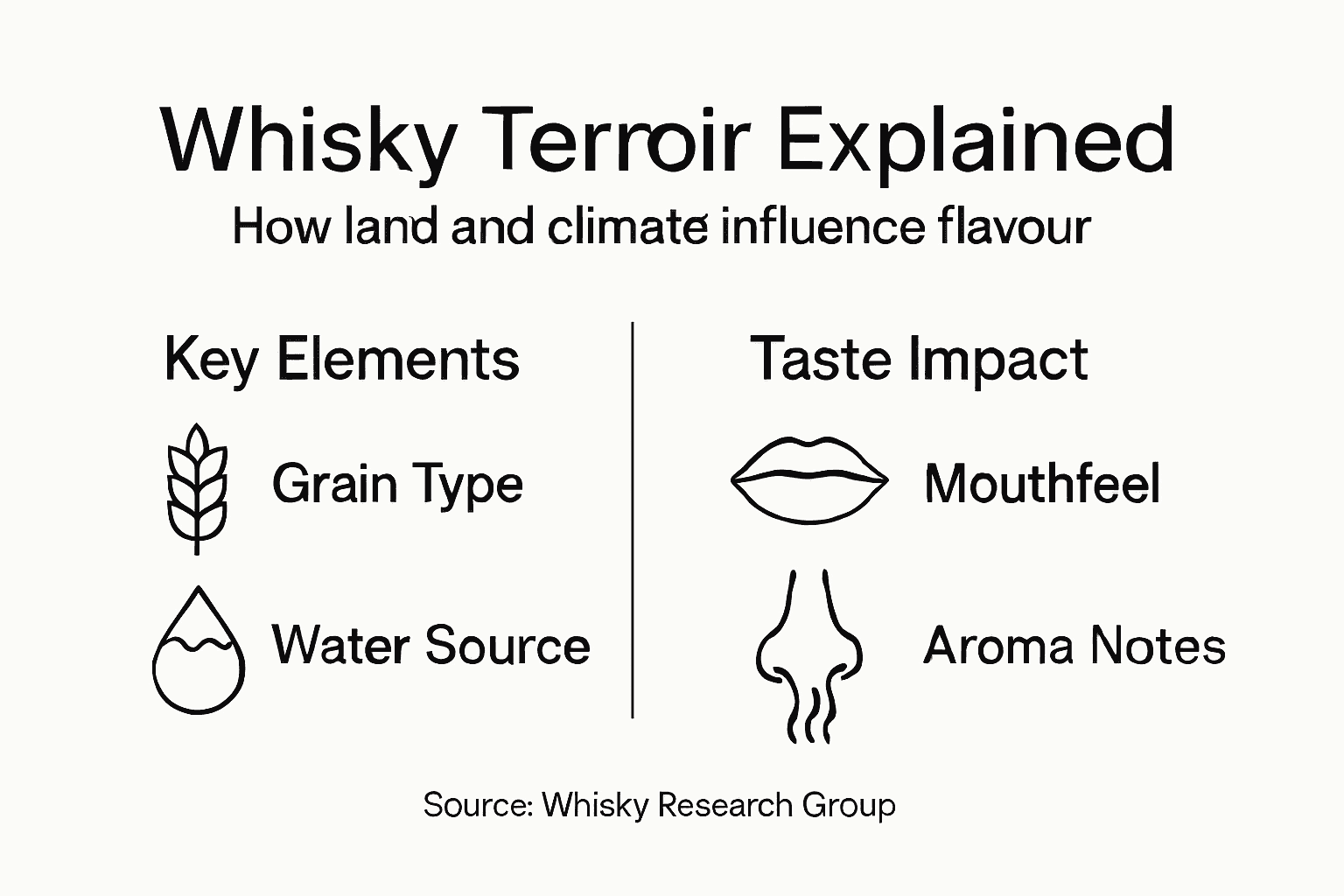
Industry experts remain divided, with some viewing terroir as a romantic narrative and others perceiving it as a measurable scientific phenomenon. This philosophical tension reflects the broader challenge of understanding how environmental conditions translate into sensory experiences. The most sophisticated perspectives acknowledge terroir as a multifaceted concept that encompasses not just physical environment, but also cultural practices, generational knowledge, and the intangible human elements that transform raw ingredients into exceptional spirits.
Pro tip: Attend whisky tastings that feature spirits from the same region but produced by different distilleries to develop a nuanced understanding of terroir’s subtle influences.
Discover How Terroir Shapes Your Perfect Whisky
Understanding whisky terroir uncovers the intimate connection between land, climate and flavour. If you want to experience the true expression of place from renowned regions such as Scotland or Japan then exploring our curated selection is your next step. Whether the peaty freshness of Scotch Whisky (all) - Glenglassaugh – Uisuki.com.au or the delicate balance found in whiskies like The Balvenie – Uisuki.com.au, each dram tells a story of its origin.

Don’t miss your chance to taste the subtle nuances that only true terroir can impart. Visit Uisuki.com.au today and explore the rich diversity shaped by land and craftsmanship. Elevate your whisky journey now with our expert guidance, exclusive bottles and special offers tailored for discerning enthusiasts like you.
Frequently Asked Questions
What is whisky terroir?
Whisky terroir refers to the unique environmental factors—including soil composition, microclimate, and geographical nuances—that shape the character and flavour profile of whisky.
How does grain variety influence whisky flavour?
Different grain varieties develop unique chemical compositions influenced by the local environment, resulting in distinct flavour compounds that contribute to the overall taste of the whisky.
What role does water source play in whisky production?
The mineral composition of local water sources significantly impacts the whisky’s final character, affecting its mouthfeel and taste by interacting with grains during mashing and fermentation.
How does barrel ageing affect the terroir characteristics of whisky?
Barrel ageing introduces new flavours to the whisky that can enhance or modify the original terroir characteristics. The type of wood and its previous contents contribute additional complexity, resulting in a collaborative rather than competitive relationship between terroir and barrel maturation.