

Most australian whisky collectors are discovering that innovation is rewriting tradition in exciting ways. In 2025, Australian and global distilleries are pushing boundaries, merging craft heritage with technology to satisfy a new breed of discerning drinkers. With premium bottle sales up nearly 25% worldwide, the competition for rare and distinctive expressions has never been fiercer. This article reveals how emerging trends and evolving consumer tastes help australian enthusiasts make smarter choices for investment and enjoyment.
Table of Contents
- Defining Modern Whisky Culture in 2025
- Regional Influences Shaping Whisky Trends
- Innovation in Flavours and Cask Finishes
- Collectors, Rarity, and Investment Appeal
- Why Whisky Resonates with Australians Today
Key Takeaways
| Point | Details |
|---|---|
| Modern whisky culture emphasises innovation and tradition | Whisky production in 2025 blends ancestral methods with cutting-edge techniques, creating a rich tapestry of flavours and experiences. |
| Regional identity shapes whisky production | Distilleries worldwide focus on local heritage and unique terroir, resulting in distinct flavour profiles and authentic production methods. |
| Technological advancements drive cask finishing innovation | Distilleries are using exotic wood types and unconventional cask finishes to produce multilayered flavour experiences, appealing to adventurous consumers. |
| Whisky collecting has evolved into a serious investment | Rarity and provenance are key drivers of whisky’s investment appeal, with collectors increasingly valuing limited editions and unique production stories. |
Defining Modern Whisky Culture in 2025
The whisky landscape in 2025 represents a sophisticated interplay between time-honoured tradition and cutting-edge innovation. As global consumers become increasingly discerning, whisky culture has transformed from simple consumption to a nuanced appreciation of craft, heritage, and technological advancement. Whisky production trends now blend ancestral methods with contemporary technologies, creating an unprecedented era of sensory exploration.
Modern whisky enthusiasts seek authenticity balanced with adventurous experiences. Distilleries are responding by developing experimental cask finishes and unique blending techniques that challenge traditional boundaries. This approach allows collectors and connoisseurs to explore diverse aromatic profiles while maintaining respect for established brewing techniques. Japanese whisky producers, for instance, have been particularly innovative in pushing these boundaries, demonstrating how regional traditions can coexist with forward-thinking production methods.
The cultural shift extends beyond production techniques into consumer engagement. Whisky appreciation has become a multisensory experience, with enthusiasts valuing not just the liquid itself but its provenance, craftsmanship, and storytelling. Digital platforms and immersive tasting experiences are complementing traditional consumption models, allowing individuals to connect with whisky’s rich global heritage in more personalised ways.
Pro tip: Expand your whisky knowledge by tracking experimental releases from boutique distilleries and attending virtual tasting events to understand emerging flavour trends.
Regional Influences Shaping Whisky Trends
In 2025, whisky production has become a profound reflection of regional identity, with distilleries worldwide emphasising local heritage and unique terroir. Global whisky market trends demonstrate how regional influences are fundamentally reshaping consumer preferences through distinctive flavour profiles and culturally authentic production methods. Each geographical region now presents its own narrative, transforming whisky from a mere beverage into a complex cultural expression.
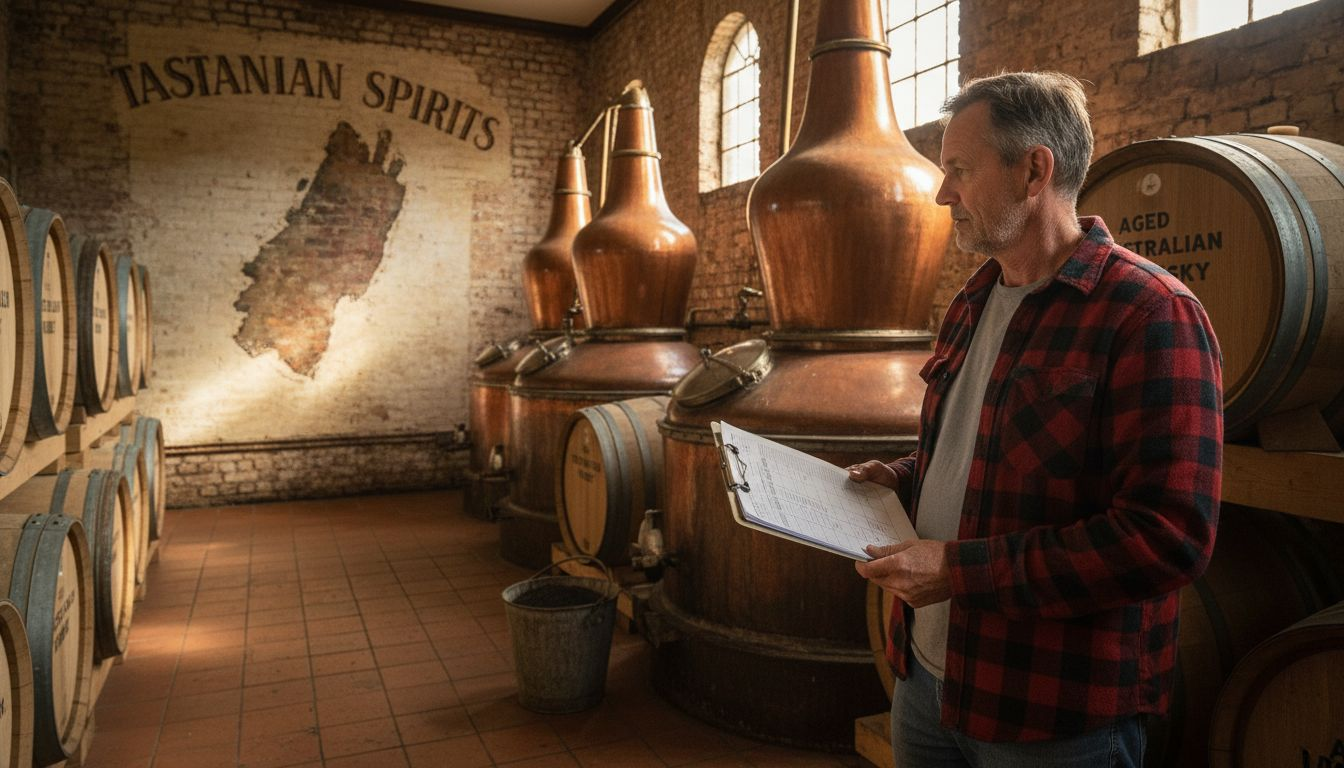
The rise of craft distilleries has been particularly instrumental in highlighting regional characteristics. Australian producers, for example, are leveraging unique local grains and distinctive climate conditions to create whiskies that speak directly to their geographic origins. Similarly, Scottish, Japanese, and American distilleries are developing increasingly sophisticated approaches that celebrate their specific environmental and cultural contexts, moving beyond traditional production techniques to create truly distinctive expressions.
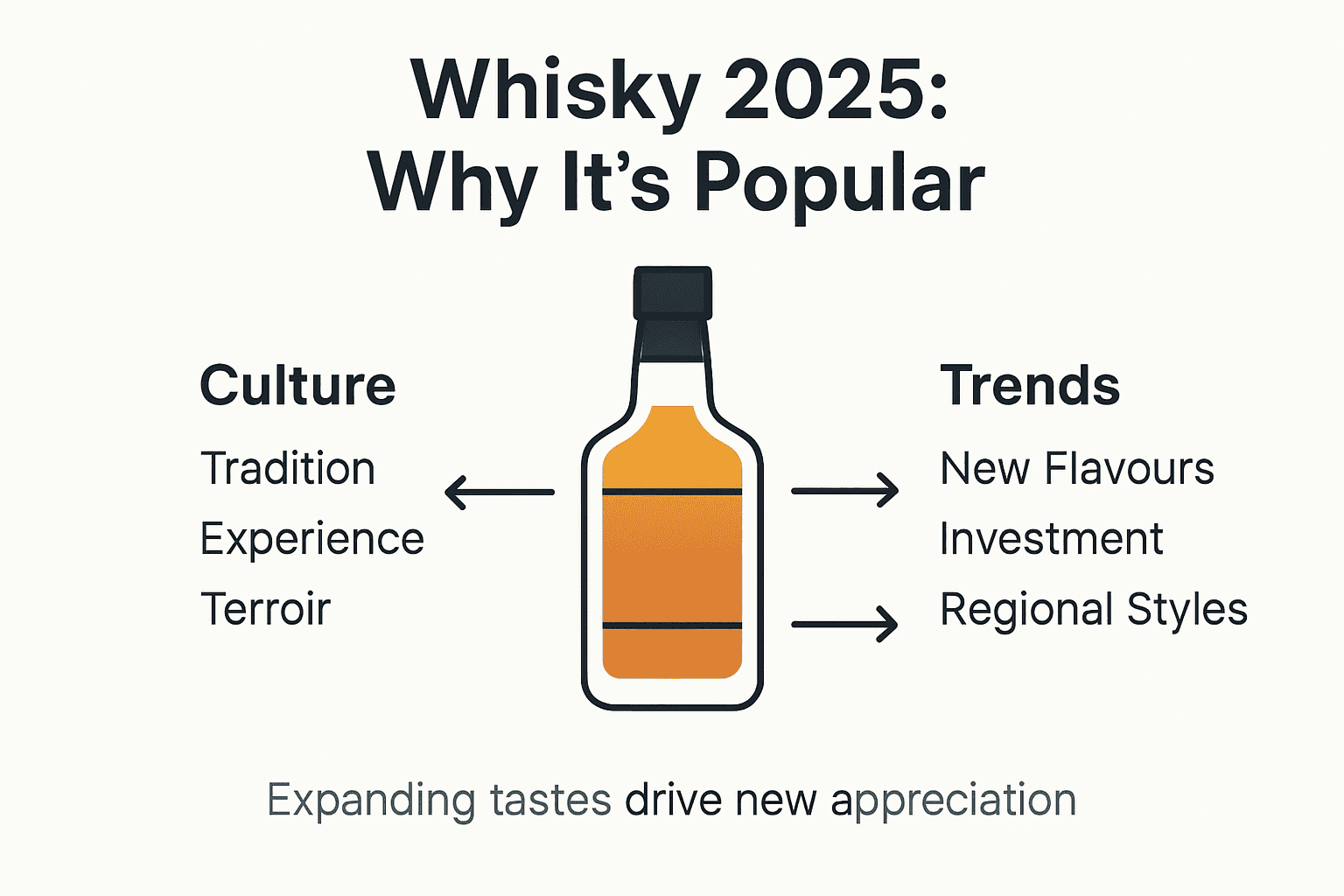
Consumer behaviour has also evolved, with emerging markets demonstrating a growing appreciation for terroir-driven products. The middle-class segments in regions like Asia and South America are now seeking whiskies that offer not just taste, but a genuine connection to their place of origin. This shift has encouraged distilleries to invest more deeply in transparent sourcing, storytelling, and production methods that highlight their unique regional identities. Whisky provenance has become as important as the liquid itself, with consumers valuing the narrative and heritage behind each bottle.
Here’s a comparison of how regional influences shape whisky production in 2025:
| Region | Key Production Traits | Signature Styles | Influence on Global Trends |
|---|---|---|---|
| Australia | Unique local grains, climate | Single malt, experimental | Fast maturation, bold new flavours |
| Scotland | Long ageing, peated malts | Scotch, blended malts | Heritage focus, iconic expressions |
| Japan | Precision blending, innovation | Delicate, complex blends | Pioneering cask experiments |
| USA | Corn and rye bases, new oak | Bourbon, rye, small batch | Influential craft movement |
| South America | Native grains, local terroir | Young craft whiskies | Emerging market excitement |
Pro tip: When exploring regional whiskies, pay attention to the specific local ingredients, water sources, and traditional techniques that make each expression unique.
Innovation in Flavours and Cask Finishes
The whisky landscape in 2025 is experiencing a remarkable transformation driven by adventurous consumer palates and groundbreaking production techniques. Flavour innovation is now fundamentally reshaping how distilleries approach taste and sensory experiences, with unprecedented experimentation in cask finishes and flavour profiles. Distilleries are no longer constrained by traditional methodologies, instead embracing a bold approach that challenges established whisky-making conventions.
Advanced cask finishing has emerged as a critical frontier of whisky innovation. Distilleries are exploring exotic wood types, previously used wine casks, and unconventional maturation techniques to create multilayered flavour experiences. Rum, sherry, and even tequila casks are being employed to impart unique characteristics, allowing whisky makers to craft spirits that tell complex sensory stories. This approach not only satisfies consumers’ growing desire for novel experiences but also demonstrates the incredible creative potential within contemporary whisky production.
The intersection of technology and craftsmanship is particularly evident in how modern distilleries are approaching cask finishing as an art form. Artificial intelligence and advanced analytics are now being used to predict and design flavour combinations, enabling more precise and experimental approach to whisky development. Sustainability considerations are also driving innovation, with distilleries exploring local and environmentally conscious sourcing strategies that complement their flavour development processes.
Pro tip: Expand your whisky appreciation by comparing different cask-finished expressions and noting the subtle flavour variations introduced by unique maturation techniques.
Collectors, Rarity, and Investment Appeal
The whisky collecting landscape in 2025 has evolved into a sophisticated ecosystem where investment potential and passion converge. The market for rare whisky bottles is experiencing unprecedented growth, with collectors viewing these spirits as genuine alternative investment assets, far beyond traditional collecting approaches. Ultra-rare releases from legendary distilleries like Macallan and Japanese producers are consistently breaking sales records, transforming whisky from a simple beverage into a serious financial instrument.
Structural scarcity has become the primary driver of whisky’s investment appeal. Collectors are increasingly focusing on limited edition releases, exclusive cask offerings, and bottles with remarkable provenance. The most sought-after investments are those with clear historical significance, unique production methods, or extraordinary aging processes. Regions like Scotland, Japan, and emerging whisky-producing nations are producing increasingly sophisticated releases that attract serious collectors who understand the nuanced value of these liquid assets.
Explore key factors that increase whisky’s investment appeal in 2025:
| Investment Factor | Description | Collector Appeal |
|---|---|---|
| Limited Editions | Small run, exclusive bottlings | High demand among serious investors |
| Provenance Tracking | Documented production history | Ensures authenticity, boosts value |
| Unique Production Method | Experimental casks or rare ageing | Attracts collectors seeking rarity |
| Regional Reputation | Prestige of origin (e.g., Scotland, Japan) | Global recognition, market premium |
The global whisky investment market has matured into a complex ecosystem influenced by international demand and strategic collecting strategies. Emerging markets in Asia and the Middle East are particularly driving growth, with collectors viewing rare whiskies as both cultural artifacts and potential financial instruments. This trend is supported by increasing transparency in provenance tracking, sophisticated authentication processes, and a growing global community of passionate whisky enthusiasts who appreciate the intricate stories behind each bottle.
Pro tip: Research the specific distillery, production year, and bottling details before investing, as these factors significantly influence a whisky’s long-term value and collectibility.
Why Whisky Resonates with Australians Today
Australian whisky culture has undergone a remarkable transformation, emerging as a global powerhouse of innovation and quality. The craft distillery movement has been instrumental in reshaping perceptions of Australian spirits, with local producers demonstrating an extraordinary ability to create world-class whiskies that rival traditional whisky-producing regions. Tasmanian distilleries like Sullivans Cove have played a pivotal role in establishing international credibility, showcasing the unique potential of Australian terroir and production techniques.
The resonance of whisky among Australians stems from a deep connection to local craftsmanship and a growing appreciation for premium, distinctive spirits. Whisky has become more than just a beverage – it’s a cultural expression that reflects the nation’s innovative spirit, blending traditional techniques with bold experimentation. The unique Australian climate contributes to accelerated maturation processes, allowing local distilleries to produce spirits with distinctive flavour profiles that set them apart on the global stage. Whisky festivals, tasting events, and a burgeoning whisky tourism sector have further deepened the national engagement with this sophisticated drink.
The demographic driving this whisky renaissance is characterised by a sophisticated palate, an appreciation for local production, and a desire for unique sensory experiences. Young professionals and established collectors alike are drawn to the storytelling aspect of Australian whisky, valuing the provenance, craftsmanship, and innovative approaches of local distilleries. The rise of single malt and experimental whisky styles has transformed the market, with consumers increasingly seeking out limited editions and regionally distinctive expressions that capture the essence of Australian terroir.
Pro tip: Attend local whisky festivals and distillery tours to develop a deeper understanding of Australian whisky’s unique production techniques and regional characteristics.
Discover the Whisky Trends of 2025 with Uisuki
The rise of experimental cask finishes and regional whisky expressions is reshaping how we appreciate this timeless spirit. If you are eager to explore unique flavours from Australia, Japan, Scotland and more, or want to find rare bottles that match cutting-edge trends, Uisuki.com.au offers exactly what you need. Our curated collection reflects the evolving whisky culture described in the article, helping you connect with authentic, innovative expressions and invest in coveted limited editions.

Explore our broad range starting with All – Uisuki.com.au, or dive into iconic Scotch releases like those from Glenglassaugh. For devoted Glenfiddich fans, our dedicated category has the latest bottlings and exclusive finds. Don’t miss out on securing your next treasured bottle or expanding your whisky knowledge today at Uisuki.com.au. Shop now to experience the future of whisky and elevate your collection with the spirits defining 2025.
Frequently Asked Questions
What are the main trends in whisky production in 2025?
In 2025, whisky production trends focus on blending traditional techniques with innovation, such as experimental cask finishes and unique blending methods. Consumers are increasingly interested in authentic experiences that highlight craftsmanship and storytelling.
How does whisky culture engage consumers today?
Modern whisky culture engages consumers through multisensory experiences, incorporating digital platforms and immersive tastings. Enthusiasts value the provenance and heritage behind each bottle, creating a deeper appreciation for the drink.
Why is terroir important in whisky production?
Terroir refers to the unique characteristics imparted by a specific geographic location. It shapes the flavour profiles and production methods of whisky, making it essential for consumers seeking authentic, place-driven expressions.
What factors contribute to whisky’s appeal as a collectible investment?
Whisky’s appeal as a collectible investment stems from its structural scarcity, such as limited edition releases and unique production methods. Provenance, authenticity, and historical significance also enhance its value in the eyes of collectors.