

More than half of whisky enthusiasts still believe that regional labels guarantee a predictable taste, but the reality is much more complex for any australian collector. Provenance in whisky stretches far beyond borders, blending geography, local climate, and methods to create truly unique spirits. If you want to see past the simple country names and really understand what shapes each bottle, uncovering these layers of provenance will change the way you experience every australian or international whisky.
Table of Contents
- Defining Whisky Provenance And Key Misconceptions
- Regional Origins And Their Unique Influences
- How Whisky Traceability Is Maintained
- Why Provenance Matters For Collectors And Buyers
- Risks Of Poor Documented Or Misrepresented Provenance
Key Takeaways
| Point | Details |
|---|---|
| Whisky Provenance is Multifaceted | The origin of a whisky encompasses more than its geographical label, involving individual distillery practices and environmental influences. |
| Unique Regional Characteristics | Each whisky-producing region imparts distinctive flavours and traits, making it essential to explore individual bottlings rather than generalising by region. |
| Importance of Traceability | Comprehensive documentation and traceability are crucial for ensuring the authenticity and integrity of a whisky’s production process. |
| Risks of Misrepresentation | Poor documentation or misrepresented provenance can lead to financial losses and erode trust in the whisky industry for collectors and enthusiasts. |
Defining Whisky Provenance And Key Misconceptions
Whisky provenance represents the intricate geographical and production narrative behind each distinctive spirit, encompassing far more than simply where a whisky originates. Understanding the nuanced origins of whisky reveals a complex tapestry of environmental, cultural, and craftsmanship elements that shape its ultimate character.
Contrary to widespread belief, provenance isn’t just about labelling a whisky by its country or region. Regional styles offer broad characteristics, but individual distilleries, specific production techniques, and microclimate conditions create profound variations. A Highland Scotch and an Islay Scotch, though both from Scotland, can present dramatically different flavour profiles due to unique local influences such as water source, peat composition, and traditional production methods.
Key misconceptions about whisky provenance often stem from oversimplified assumptions. Consumers frequently believe that all whiskies from a particular region will taste identical, which couldn’t be further from the truth. Each distillery possesses its own signature approach, influenced by generations of inherited knowledge, specific equipment, and local terroir. These subtle nuances mean that two whiskies produced mere kilometres apart can exhibit markedly different sensory experiences.
Pro Tip: When exploring whisky, approach each bottle as a unique expression rather than generalising by region. Taste with an open mind and appreciate the individual story each whisky tells through its distinctive flavour profile.
Regional Origins And Their Unique Influences
Scotch whisky regions represent intricate microcosms of flavour, each delivering distinctive sensory experiences that reflect their geographical heritage. Exploring the unique characteristics of Scottish whisky regions reveals a fascinating landscape of nuanced production techniques and environmental influences that shape each spirit’s remarkable profile.
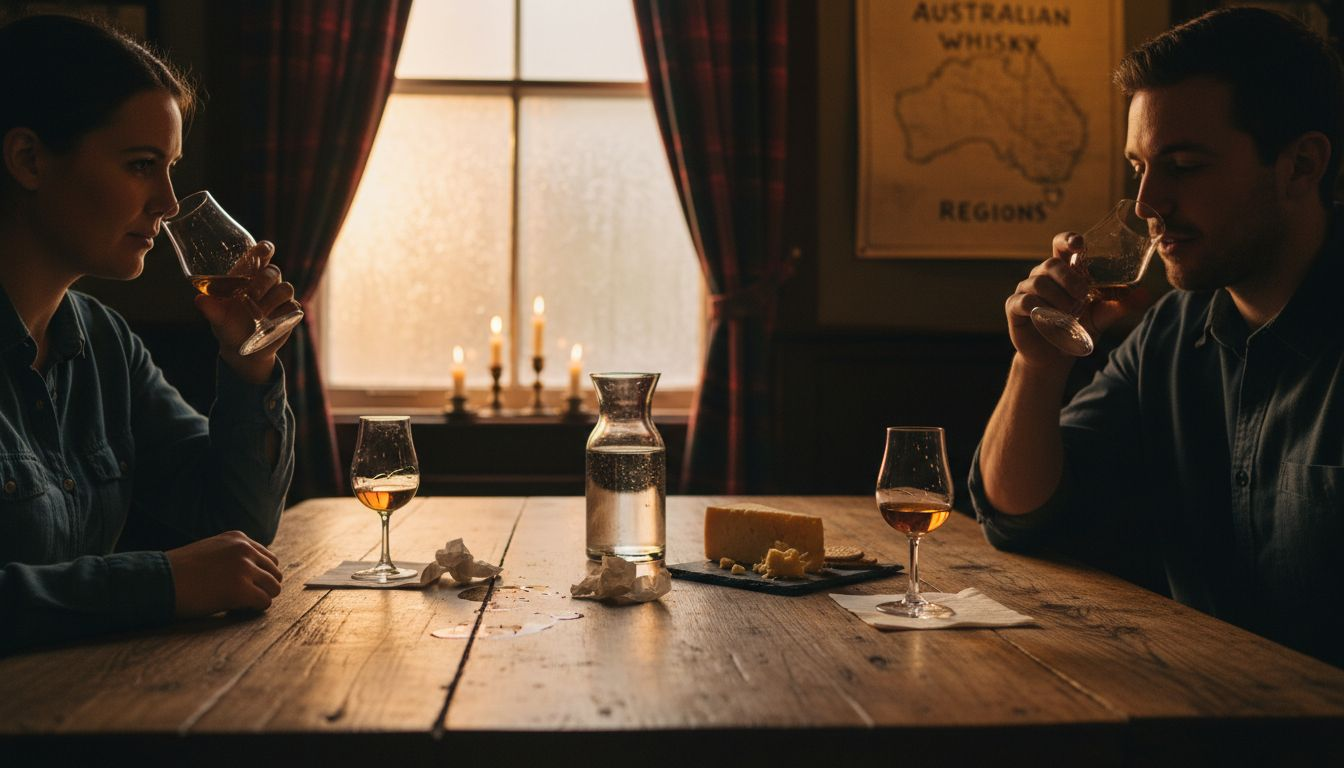
The Scottish whisky landscape comprises several renowned regions, each with its own hallmark characteristics. Islay whiskies, for instance, are celebrated for their intense maritime character and profound peat smoke profiles. In stark contrast, Speyside produces elegantly structured whiskies with pronounced fruity and honeyed notes, reflecting the verdant landscapes and pristine water sources of the region. Highland whiskies offer remarkable diversity, ranging from robust and complex expressions to more delicate, heathery interpretations that capture the rugged terrain’s essence.
Beyond Scotland, global whisky-producing regions demonstrate equally compelling variations. Japanese whiskies often exhibit precision and refinement, drawing inspiration from Scottish techniques while incorporating unique local ingredients and meticulous craftsmanship. American bourbon regions, predominantly Kentucky, produce rich, sweet spirits characterised by corn-based mash bills and new charred oak barrel maturation, creating fundamentally different flavour profiles compared to their Scottish counterparts.
Here is a comparative overview of key whisky-producing regions and their signature influences:
| Region | Primary Flavour Traits | Influencing Factors |
|---|---|---|
| Islay | Peaty, smoky, maritime notes | Peat soil, sea air, tradition |
| Speyside | Fruity, honeyed, elegant | Rich water, green landscapes |
| Highlands | Diverse: robust or delicate | Rugged terrain, microclimates |
| Japan | Delicate, balanced, precise | Local water, craftsmanship |
| Kentucky, USA | Sweet, rich, vanilla, caramel | Corn mash, new oak barrels |
Pro Tip: When exploring regional whiskies, conduct a comparative tasting across different areas to appreciate the subtle nuances that geographical origins impart to each distinctive spirit.
How Whisky Traceability Is Maintained
Whisky traceability represents a complex system of documentation and verification that ensures the integrity and authenticity of each spirit’s journey from grain to glass. Understanding the intricate mechanisms of whisky traceability reveals a meticulous process involving multiple layers of record-keeping and regulatory oversight.
Distilleries maintain comprehensive production logs that track every critical stage of whisky creation. These detailed records include specifics about raw material sourcing, including the exact farm and harvest date of grains, the water source used in mashing, precise fermentation conditions, distillation parameters, and barrel selection. Single cask whisky documentation provides an especially granular level of traceability, often including specific barrel numbers, exact distillation dates, and precise maturation conditions.
Regulatory bodies play a crucial role in maintaining whisky traceability, particularly for protected designations like Scotch whisky. Each bottle must comply with strict geographical indication requirements, which mandate that only whiskies produced in specific Scottish regions following traditional methods can bear certain prestigious labels. This regulatory framework ensures consumers receive an authentic product that genuinely represents its claimed origin, with government-mandated documentation tracking each stage of production and distribution.
Pro Tip: When purchasing premium whiskies, request detailed provenance information from the retailer, including production records, barrel numbers, and specific regional certifications to verify the spirit’s authentic heritage.
Why Provenance Matters For Collectors And Buyers
Whisky provenance transcends mere geographical information, representing a critical factor that dramatically influences a spirit’s value, authenticity, and collectible status. Understanding the profound significance of whisky provenance reveals how intricate production details can transform a simple bottle into a prized collector’s item with substantial investment potential.
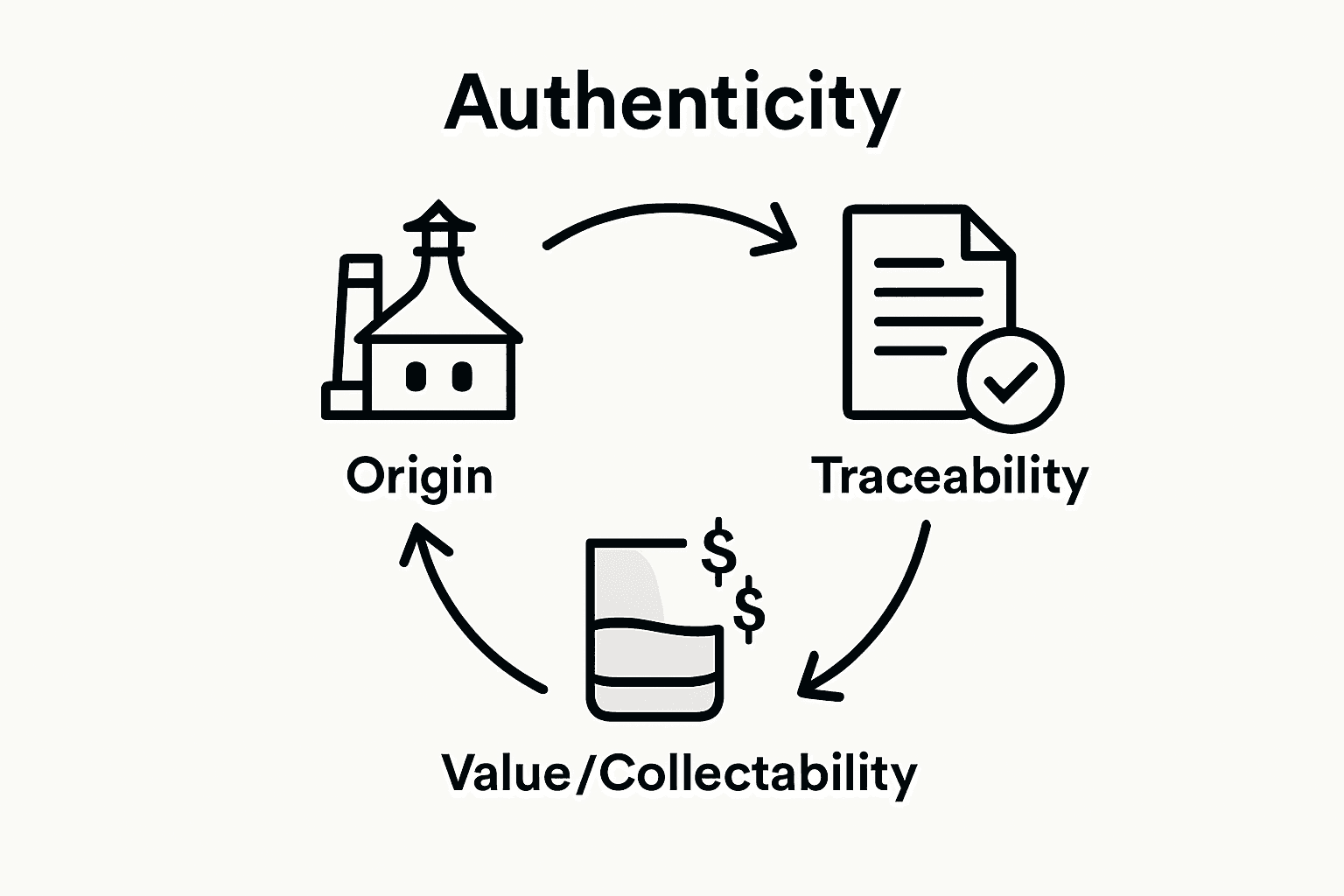
For serious collectors, provenance serves as a definitive authentication mechanism. Single cask whisky documentation provides meticulous records that verify a whisky’s lineage, offering insights into its exact production circumstances. Rare bottles with comprehensive provenance documentation often command significantly higher prices, as collectors value the transparency and historical narrative behind each unique spirit. This documentation might include specific details like the exact distillation date, barrel number, master distiller’s signature, and precise production techniques that distinguish one whisky from another.
Beyond monetary value, provenance offers collectors and enthusiasts a deeper connection to the whisky’s cultural and historical context. Each bottle tells a story of its origin, reflecting the environmental conditions, traditional craftsmanship, and generational expertise of its producing region. Collectors appreciate how these nuanced details reveal the human skill and natural elements that contribute to a whisky’s distinctive character, transforming the purchase from a mere transaction into an appreciation of cultural heritage.
Pro Tip: When building a whisky collection, prioritise bottles with comprehensive provenance documentation and seek out limited editions that offer transparent, detailed production histories to maximise both enjoyment and potential investment value.
Risks Of Poor Documented Or Misrepresented Provenance
Understanding the potential dangers of misrepresented whisky provenance reveals a complex landscape of potential fraud and consumer deception that can significantly undermine the integrity of the whisky market. Provenance misrepresentation represents a serious threat to collectors, investors, and enthusiasts, potentially resulting in substantial financial and experiential losses.
The most immediate risk involves financial deception. Counterfeit or deliberately misrepresented whiskies can command artificially inflated prices, tricking buyers into purchasing spirits that do not possess the claimed historical, regional, or production characteristics. Single cask whisky documentation becomes crucial in combating such fraudulent practices, as comprehensive records can definitively expose inconsistencies in a bottle’s claimed heritage.
Beyond monetary implications, misrepresented provenance undermines the rich cultural narrative that makes whisky collecting so compelling. When producers or sellers fabricate or obscure a spirit’s true origin, they strip away the authentic story, craftsmanship, and regional significance that give each whisky its unique character. This erosion of trust can damage the reputation of entire distilleries and regions, potentially impacting the broader whisky ecosystem and diminishing consumer confidence in premium spirits.
This summary outlines common risks and consequences associated with poor whisky provenance:
| Risk Type | Consequence | Impact on Buyer |
|---|---|---|
| Financial Loss | Overpriced or counterfeit purchases | Significant monetary loss |
| Loss of Trust | Damage to distillery reputations | Reduced confidence in market |
| Inauthentic Story | Missed cultural and historical insight | Diminished collecting appeal |
| Legal Issues | Breach of regional protection laws | Potential legal ramifications |
Pro Tip: Always request comprehensive documentation and verification when purchasing rare or expensive whiskies, and purchase only from reputable dealers who can provide transparent, detailed provenance information.
Discover Authentic Whisky Provenance With Confidence
Understanding the true provenance and traceability of whisky can be challenging with so many nuances influencing flavour and value. If you are seeking authentic bottles backed by detailed production stories and transparent heritage then explore our curated selection of premium Scotch whiskies including iconic names like Glendronach and refined classics from Glenfiddich. At Uisuki.com.au, we ensure every whisky listing highlights provenance details and regional influences so you can collect and enjoy with absolute confidence.

Unlock the full story behind your next dram now by visiting Uisuki.com.au. Shop rare bottles with impeccable provenance and traceability today for an unrivalled whisky experience that honours tradition and craftsmanship.
Frequently Asked Questions
What is whisky provenance?
Whisky provenance refers to the geographical and production narrative of each whisky, encompassing the environment, cultural significance, and craftsmanship that shape its unique character.
How does provenance impact the taste of whisky?
Provenance significantly influences whisky’s flavour by incorporating local environmental factors, such as water source, production techniques, and the distillery’s unique methods, resulting in distinctive profiles even among whiskies from the same region.
Why is whisky traceability important?
Whisky traceability ensures the integrity and authenticity of a spirit by documenting its journey from grain to glass, helping consumers verify the provenance and quality of the whisky they are purchasing.
What risks are associated with poorly documented whisky provenance?
Poorly documented provenance can lead to financial losses from counterfeit products, loss of trust in distilleries, and a diminished appreciation for whisky’s cultural and historical significance.