

Many whisky drinkers believe single malt means whisky from a single cask or barrel, but this common misconception misses the true definition entirely. Single malt whisky actually refers to whisky produced at one distillery using only malted barley and pot stills, regardless of how many casks are vatted together. For Australian enthusiasts and collectors seeking authentic knowledge about single malt whisky, understanding production standards, flavour nuances, and local sourcing options is essential. This comprehensive guide clarifies what defines single malt whisky, explores the production variables that create distinctive character, and reveals practical strategies for sourcing rare and collectible bottles across Australia.
Table of Contents
- Key takeaways
- Understanding single malt whisky: definition and production
- Nuances and flavour profiles in single malt whisky
- Sourcing single malt whisky in Australia: options and expert tips
- Understanding maturation and its crucial role in single malt character
- Discover rare single malt whiskies with Uisuki
- What are single malt whisky FAQ
Key Takeaways
| Point | Details |
|---|---|
| Definition and standards | Single malt must be produced at a single distillery using malted barley and copper pot stills, matured in oak casks in Scotland for at least three years, and bottled at 40 percent ABV. |
| Maturation impact | Oak casks interact with the spirit during maturation, extracting vanillin and tannins while colour develops and some liquid is lost to evaporation, the angel’s share. |
| Distillation and peat variation | Variations in still design and cut points, as well as peat levels, drive regional flavours and added complexity. |
| Australian sourcing options | Australian collectors can source provenance through official releases, limited editions, and locally produced single malts from Australian distilleries and specialty bottlers. |
Understanding single malt whisky: definition and production
The Scotch Whisky Regulations 2009 establish strict criteria that define authentic Scotch single malt whisky. The spirit must be produced at a single distillery using only malted barley, distilled in copper pot stills, matured in oak casks within Scotland for at least three years, and bottled at a minimum 40% alcohol by volume. These regulations ensure consistency and protect the integrity of the single malt category globally.
The production process involves five critical stages that transform barley into complex spirit. Malting activates enzymes in barley grains, mashing converts starches to fermentable sugars, fermentation lasting 48 to 96 hours produces alcohol, double distillation in copper pot stills refines the spirit, and maturation in oak casks develops the final flavour profile. Each stage introduces variables that distillers manipulate to create distinctive character.
Pro Tip: The fermentation duration significantly impacts flavour development. Longer fermentation periods of 72 to 96 hours produce fruitier, more complex esters compared to shorter 48 hour cycles.
Copper pot stills are mandatory for single malt production because copper removes sulphur compounds and catalyses chemical reactions that create desirable flavour molecules. Still shape, size, and angle influence the spirit’s character. Tall, narrow stills produce lighter spirits through increased reflux, while shorter, wider stills create heavier, oilier textures. Distillers carefully control cut points during distillation, selecting only the heart portion of the run for maturation.
Maturation requirements specify oak casks exclusively, though the regulations permit various oak types and previous cask contents. The three year minimum maturation period in Scotland ensures sufficient wood interaction, though premium single malts often age for decades. During maturation, the spirit extracts compounds from the wood including vanillin, tannins, and colour molecules while simultaneously losing volume through evaporation known as the angel’s share.
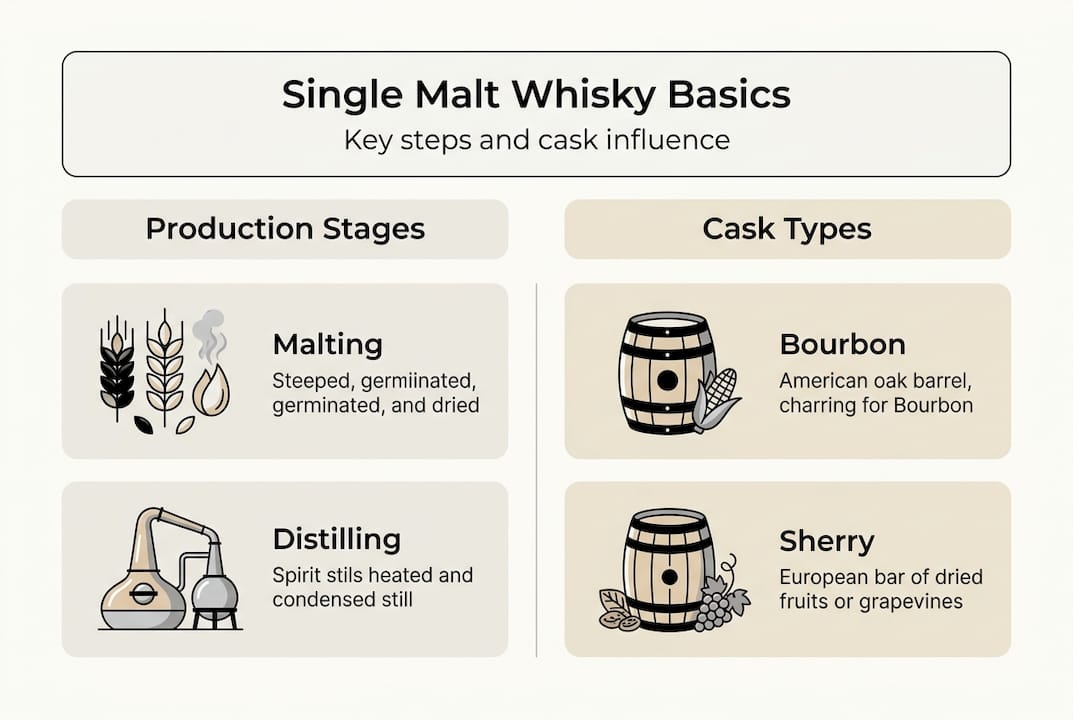
Understanding these production fundamentals helps collectors evaluate quality and authenticity when choosing single malt whisky. Distilleries that exceed minimum standards through extended fermentation, careful distillation cuts, and premium cask selection typically command higher prices and collector interest. Australian enthusiasts should verify these production details when assessing bottles for purchase or investment.
Nuances and flavour profiles in single malt whisky
Distillation methodology creates the foundation for flavour complexity in single malt whisky. While most Scotch distilleries employ double distillation, some use triple distillation to produce exceptionally smooth spirits with delicate character. The number of distillation cycles, still design, and spirit cut selections determine the concentration of congeners and flavour compounds that survive into the final product. Collectors seeking particular flavour profiles should research individual distillery practices.
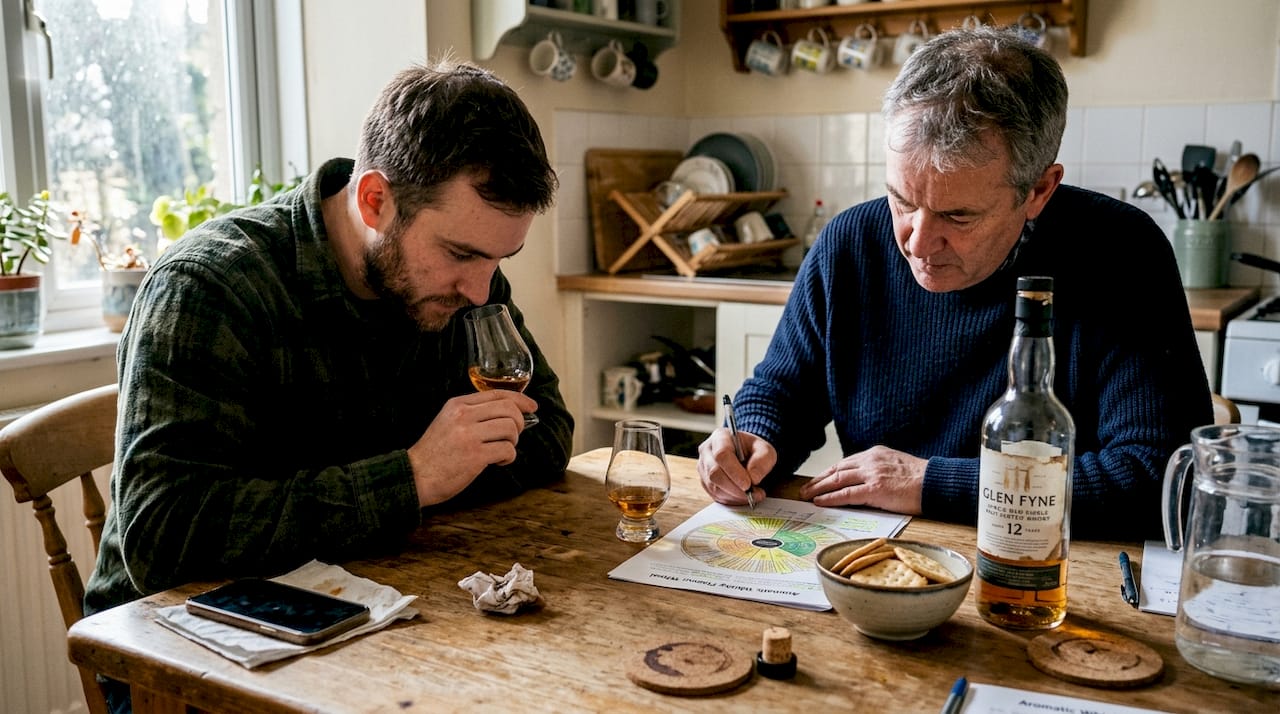
Peat smoke levels vary dramatically across Scottish regions and create one of the most recognisable flavour dimensions in single malt whisky. Islay distilleries often produce heavily peated expressions measuring 40 to 60 phenol parts per million, delivering intense medicinal and smoky notes. Speyside distilleries typically avoid peat entirely, focusing on fruity and floral characteristics from fermentation and cask maturation. Highland and Island distilleries occupy the middle ground with moderate peat levels between 10 to 30 PPM.
| Region | Typical peat level | Dominant flavours | Example distilleries |
|---|---|---|---|
| Islay | 40-60 PPM | Smoke, iodine, medicinal, maritime | Ardbeg, Laphroaig, Lagavulin |
| Speyside | 0-5 PPM | Fruit, honey, floral, vanilla | Glenfiddich, Macallan, Balvenie |
| Highland | 10-30 PPM | Heather, spice, balanced fruit and smoke | Oban, Dalmore, Glenmorangie |
| Islands | 15-35 PPM | Maritime, pepper, moderate smoke | Talisker, Highland Park, Jura |
Cask selection represents the most significant flavour variable in single malt production. Ex-bourbon barrels impart vanilla, caramel, and coconut notes while allowing the distillery character to shine through. Sherry casks contribute dried fruit, chocolate, and nutty complexity with darker colour. Australian distilleries increasingly experiment with local fortified wine casks including tawny and muscat, creating unique Southern Hemisphere expressions. The whisky finish technique involves transferring matured whisky to different cask types for final months or years, adding layered complexity.
Pro Tip: Single cask bottlings showcase individual barrel character without blending, offering collectors unique expressions that can never be exactly replicated. These limited releases typically command premium prices and appreciate in value.
Understanding double cask whisky reveals another production approach where spirit matures simultaneously in two cask types before vatting. This differs from cask finishing and creates integrated flavour profiles rather than layered characteristics. Collectors should distinguish between single cask, vatted single malt, cask finished, and double cask expressions when evaluating bottles.
- Single cask bottlings from one barrel only, typically cask strength
- Vatted single malts blending multiple casks from one distillery
- Cask finished whiskies transferred to secondary casks for final maturation
- Double cask expressions matured simultaneously in two cask types
Flavour profile knowledge empowers collectors to make informed purchasing decisions aligned with personal preferences. Australian enthusiasts should taste across regions and production styles to develop palate references before investing in rare or expensive bottles. Distillery visits and guided tastings accelerate this learning process significantly.
Sourcing single malt whisky in Australia: options and expert tips
Australian whisky enthusiasts access exclusive single malts through specialised whisky clubs offering members-only releases and allocation systems. These clubs partner with distilleries and independent bottlers to secure limited edition expressions unavailable through standard retail channels. Membership benefits typically include priority access to rare bottles, educational tastings, and expert guidance on building collections. The expert whisky shopping guide details strategies for maximising club memberships and securing allocated releases.
Tasmanian distilleries produce world-class single malt whisky that rivals Scottish expressions in quality and complexity. Lark Distillery pioneered the Australian single malt category and continues releasing innovative expressions including their Classic Cask matured in Australian fortified wine barrels. Direct purchases from distillery cellar doors provide access to exclusive releases, single cask selections, and barrel purchase programmes unavailable elsewhere. Collectors visiting Tasmania should allocate time for multiple distillery visits to compare production approaches and flavour profiles.
Specialist whisky retailers stock curated selections of rare, limited edition, and investment-grade single malts from global distilleries. These shops employ knowledgeable staff who guide collectors towards bottles matching specific criteria including region, age, cask type, and investment potential. Establishing relationships with specialist retailers provides advance notice of incoming rare releases and opportunities to reserve allocated bottles before public release. Understanding why to source whisky in Australia reveals advantages including favourable exchange rates, local distillery access, and growing secondary market opportunities.
- Verify bottle provenance through original packaging, serial numbers, and retailer reputation
- Research distillery production volumes to assess true scarcity and investment potential
- Compare prices across multiple sources including international retailers and auction houses
- Prioritise bottles with original packaging, boxes, and certificates for maximum resale value
- Consider storage conditions and insurance for high-value collections
Pro Tip: Tasmanian single malts aged over 10 years represent exceptional investment opportunities due to limited production volumes and increasing international recognition. Secure these bottles early before prices escalate.
Online platforms expand sourcing options beyond local retailers, providing access to international releases and auction opportunities. Australian collectors should understand import regulations, shipping costs, and authenticity verification when purchasing internationally. Reputable online retailers provide detailed bottle descriptions, high-resolution images, and authenticity guarantees that protect collectors from counterfeit products.
Building relationships with distillery brand ambassadors and attending whisky festivals creates networking opportunities that lead to exclusive purchasing options. Brand ambassadors often control small allocations of rare releases for loyal customers and collectors. Festival attendance provides direct access to distillers, opportunities to taste unreleased expressions, and advance notice of upcoming limited editions.
Understanding maturation and its crucial role in single malt character
Oak cask maturation contributes an estimated 60 to 70 percent of single malt whisky’s final flavour profile, making cask selection the most influential production decision after distillation. During maturation, the spirit extracts flavour compounds from the wood including vanillin, lactones, and tannins while simultaneously undergoing oxidation reactions that develop complexity. The wood’s previous contents, char level, and age significantly impact the extraction rate and flavour contribution.
Ex-bourbon barrels dominate single malt maturation because American regulations require new oak for bourbon production, creating abundant supplies of seasoned casks. These barrels contribute vanilla, caramel, and coconut notes while allowing the distillery’s spirit character to remain prominent. First-fill ex-bourbon casks provide stronger wood influence than refill casks that have matured multiple batches of whisky. Collectors should note fill number when evaluating bottles, as first-fill casks typically command premium prices.
| Cask type | Flavour contribution | Colour impact | Typical use |
|---|---|---|---|
| Ex-bourbon barrel | Vanilla, caramel, coconut, light oak | Pale gold to light amber | Primary maturation, 60-70% of production |
| Sherry butt | Dried fruit, chocolate, nuts, spice | Deep amber to mahogany | Full maturation or finishing, premium expressions |
| Port pipe | Red fruit, chocolate, sweetness | Ruby to deep red | Finishing, limited releases |
| Australian fortified | Tawny notes, muscatel, tropical fruit | Amber to reddish | Local distillery experimentation |
Sherry casks from Spanish bodegas produce rich, complex single malts with dried fruit, chocolate, and nutty characteristics. Oloroso and Pedro Ximénez sherry casks are most prized for whisky maturation, though limited supplies and high costs restrict their use to premium expressions. European oak sherry casks contribute more tannins and spice compared to American oak, creating drier, more structured whiskies. Collectors seeking traditional Speyside character should prioritise sherry cask matured expressions.
Australian distilleries innovate with local fortified wine casks including tawny, muscat, and tokay that create unique Southern Hemisphere flavour profiles. These casks contribute distinctive sweetness, tropical fruit notes, and rich colour unavailable from traditional European casks. Limited production volumes make Australian fortified wine cask single malts particularly collectible and potentially valuable investments.
- Single cask bottlings showcase individual barrel character without blending
- Vatted malts combine multiple casks to achieve consistent house style
- Cask strength bottlings preserve natural alcohol levels without dilution
- Cask finish duration typically ranges from 6 to 24 months
- Wood type, toast level, and previous contents all influence final flavour
Reading cask information on labels helps collectors understand production choices and predict flavour profiles. Labels typically specify cask type, fill number, maturation duration, and sometimes individual cask numbers for single barrel releases. The single cask whisky guide explains how to interpret this information and evaluate whether cask selection justifies premium pricing.
Cask influence extends beyond flavour to affect colour, mouthfeel, and even investment value. Heavily sherried whiskies develop deep amber to mahogany hues that signal rich flavours to consumers. Cask interaction creates glycerol and other compounds that enhance mouthfeel and perceived sweetness. Rare cask types and exceptional maturation periods significantly increase collector demand and secondary market values.
Discover rare single malt whiskies with Uisuki
Navigating Australia’s whisky market requires expertise, connections, and access to exclusive releases that serious collectors demand. Uisuki specialises in sourcing rare, limited edition, and investment-grade single malts from Scottish, Japanese, Australian, and American distilleries. The platform combines curated selections with expert guidance to help enthusiasts build collections aligned with personal preferences and investment goals.
Whether you’re seeking heavily peated Islay expressions, sherry cask Speyside classics, or innovative Tasmanian single malts, Uisuki’s selection includes bottles unavailable through standard retail channels. The platform’s educational resources including the choosing single malt whisky guide and Australian whisky sourcing insights empower collectors to make informed decisions. Secure shipping, provenance verification, and personalised recommendations ensure your collection grows with confidence and expertise.
What are single malt whisky FAQ
How does single malt differ from blended whisky?
Single malt whisky comes from one distillery using only malted barley and pot stills, while blended whisky combines malt and grain whiskies from multiple distilleries. Blends prioritise consistency and approachability, whereas single malts showcase individual distillery character and terroir. Collectors typically favour single malts for their distinctiveness and investment potential.
Why does peat level vary across single malts?
Peat levels reflect regional traditions, water sources, and distillery house styles rather than quality differences. Islay’s maritime environment and historical fuel scarcity led to heavily peated whiskies, while Speyside’s agricultural abundance favoured unpeated styles. Modern distilleries choose peat levels deliberately to create signature flavour profiles that appeal to different consumer preferences.
Can single malt whisky be matured outside Scotland?
Yes, single malt whisky production occurs globally including Australia, Japan, India, and the United States, each developing regional characteristics. Only whisky matured in Scotland for at least three years qualifies as Scotch single malt under protected regulations. Australian single malts matured in Tasmania’s climate develop faster due to temperature fluctuations and often incorporate unique local cask types.
What makes single cask single malts special?
Single cask bottlings capture individual barrel character without blending, creating unique expressions impossible to replicate exactly. Each cask develops distinct flavours based on its position in the warehouse, wood characteristics, and micro-climate exposure. Limited bottle counts from single casks, typically 200 to 400 bottles, make these releases highly collectible and potentially valuable investments.
Where can Australians buy exclusive single malts?
Australian collectors access exclusive single malts through whisky clubs, Tasmanian distillery cellar doors, specialist retailers, and curated online platforms. Whisky clubs offer members-only allocations of rare releases, while direct distillery purchases provide access to single cask selections and barrel programmes. Specialist retailers like Uisuki stock limited editions and provide expert guidance for building investment-grade collections.