

TL;DR:
- Rare whisky is best accessed through exclusive bars, boutique retailers, distillery cellars, and private collector networks. Building relationships, verifying provenance, and understanding each channel’s specific offers help collectors secure scarce bottles effectively.
The best places for rare whisky are specialised bars, luxury boutiques, distillery cellars, and private collections that offer access to bottles you simply cannot find through ordinary retail channels. Rare whisky, known in the trade as “allocated” or “limited release” spirit, sits at the intersection of provenance, scarcity, and secondary market demand. Collectors who know where to look, and how to behave when they get there, consistently secure bottles that others miss. This guide covers the key locations, what each offers, and how to approach them effectively.
What are the best places for rare whisky?
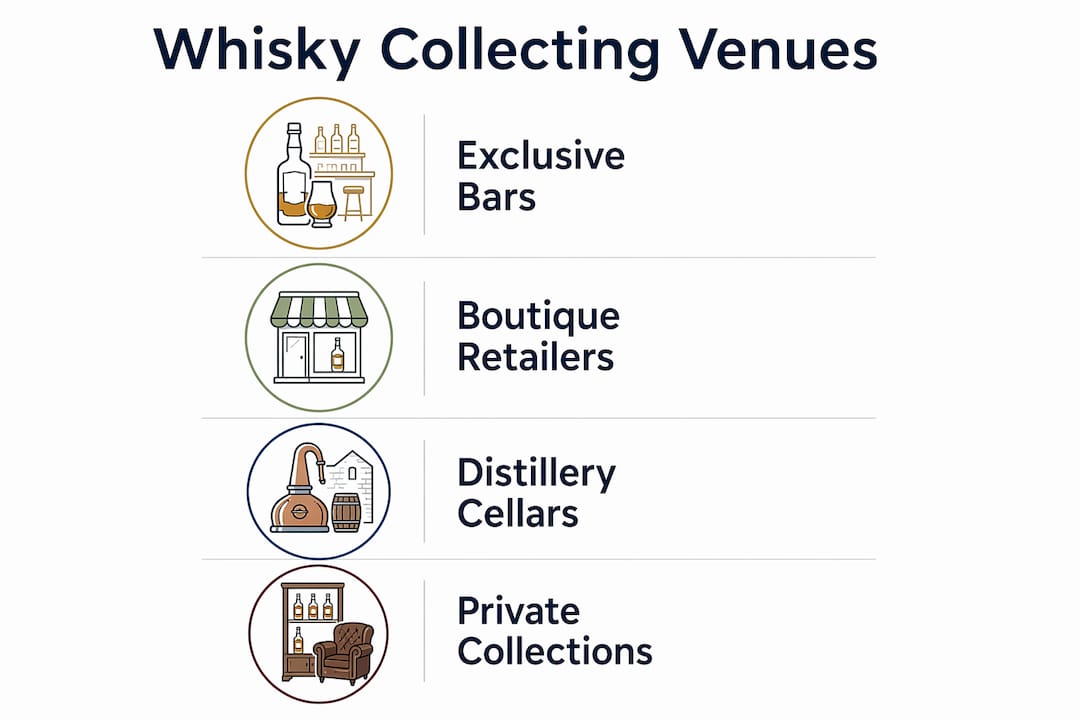
The best places for rare whisky fall into four distinct categories: exclusive whisky bars, luxury boutique retailers, distillery cellar doors, and private collector networks. Each channel offers a different kind of access, and the most serious collectors use all four. A whisky bar lets you taste before you commit. A boutique retailer gives you immediate access to bottles that never reach general shelves. A distillery cellar door offers geographic exclusives you cannot buy anywhere else. A private network opens doors to bottles that never appear publicly at all.
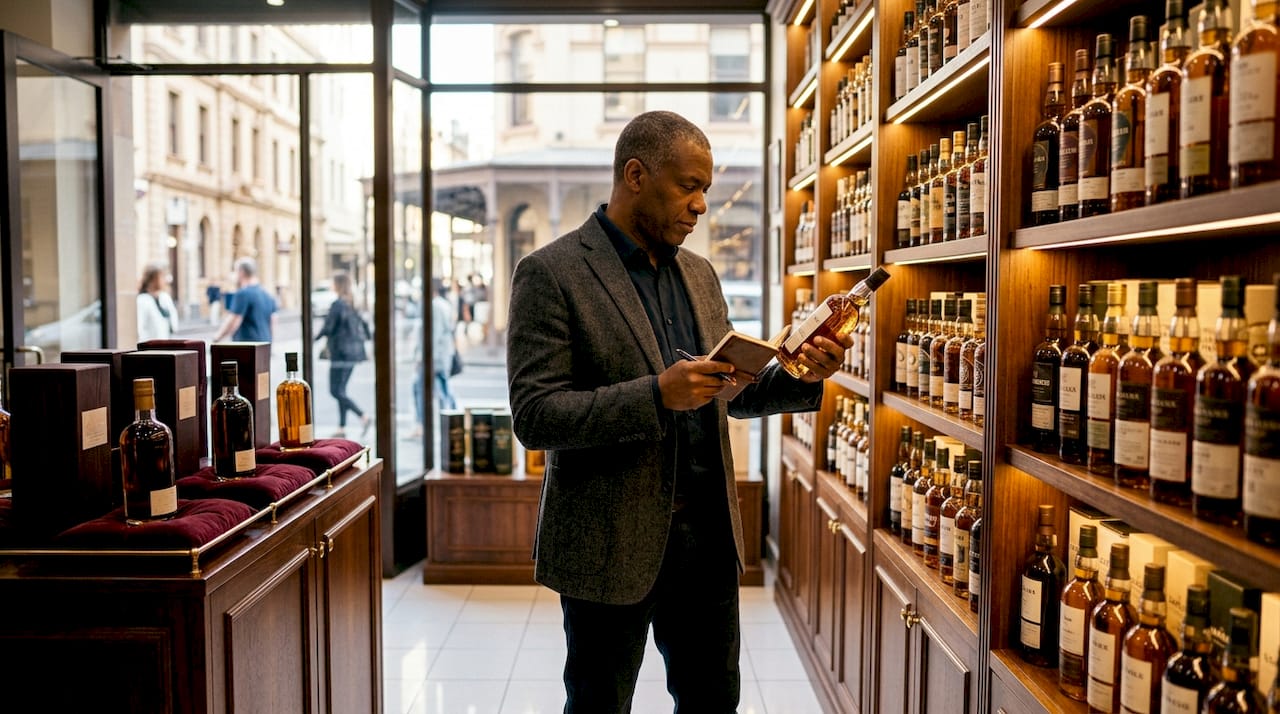
Rarity in whisky is defined by three factors: scarcity of production, brand reputation, and consistent secondary market demand. A bottle with all three commands serious attention. Diageo’s Luxury Group illustrated this perfectly in 2026 when it launched the Rare Series collection, which included a 55-year-old Glenury Royal limited to just 232 bottles. That kind of release does not appear in a bottle shop. It surfaces through the channels described in this guide.
What do exclusive whisky bars offer collectors?
The world’s most celebrated whisky bars are not just drinking venues. They are living catalogues of rare spirit, and they offer something no retailer can: the chance to taste a bottle before deciding whether to track one down for your collection.
The Devil’s Place bar in St. Moritz, Switzerland holds the Guinness World Record for the largest commercial whisky selection, with approximately 2,500 bottles sourced from 40 countries. Around 85% of the collection is single malt Scotch, and the bar purchases about 15 exclusive casks annually. That scale means collectors travelling through Switzerland can taste expressions that have never been commercially bottled for retail.
Luxury hotel bars offer a different kind of access. The Londoner hotel in London has built a collection that includes rare Japanese whiskies by the dram, including a Karuizawa 38 Year Old Pearl Geisha priced just under £2,000 for 50ml. Ghost distillery expressions from Port Ellen and Ladyburn also appear on the list. The collection ranges from affordable pours to ultra-rare servings priced above £1,700 per dram. For a collector, tasting a ghost distillery expression in a hotel bar is both an education and a benchmark for future purchases.
| Venue type | Location example | Collection scale | Rarity access |
|---|---|---|---|
| Record-holding bar | St. Moritz, Switzerland | ~2,500 bottles, 40 countries | 15 exclusive casks per year |
| Luxury hotel bar | London, United Kingdom | Ghost distilleries, Japanese rarities | Drams from £2,000 per 50ml |
| Specialised whisky lounge | Major capital cities globally | Curated single malts and allocated releases | By-the-glass access to limited editions |
| Private members bar | Various international locations | Invitation-only collections | Pre-release and collector-only pours |
Pro Tip: When visiting a top whisky bar, ask the bartender which bottles they purchased directly from a distillery rather than through a distributor. Those are the expressions most likely to be unavailable anywhere else.
How do luxury boutique retailers provide access to rare whiskies?
Boutique retailers occupy a different position in the rare whisky market compared to auction houses. Auctions offer price discovery and broad access, but they require patience, bidding discipline, and the acceptance that a bottle may arrive without full provenance documentation. A trusted boutique retailer offers the opposite: immediate availability, verified provenance, and a purchasing experience built around the collector rather than the crowd.
Private boutiques like Collezione in New York City curate ultra-rare whiskies that are simply unavailable anywhere else, offering a bespoke purchasing environment rather than the lowest price. Collectors who visit these spaces value the experience, the provenance documentation, and the direct relationship with a knowledgeable specialist. Price is secondary to certainty.
Building access to the best boutique retailers requires a specific approach. The key behaviours that open doors include:
- Visit regularly without an agenda. Retailers remember collectors who show genuine interest in the craft, not just those who arrive demanding a specific bottle.
- Ask questions about what is coming, not what is available now. This signals that you are building a long-term relationship, not making a one-off transaction.
- Buy across the range, not just the top shelf. Retailers allocate rare bottles to collectors who support their broader business.
- Be transparent about your collection goals. A retailer who understands what you are building can alert you to relevant arrivals before they hit the floor.
- Respect waitlists. Pushing for queue-jumping damages your standing permanently.
Pro Tip: Introduce yourself by name on your first visit and follow up with a brief note about a bottle you enjoyed. Boutique retailers operate on memory and relationship. A name they recognise gets a call when something exceptional arrives.
The relationship-building approach applies equally to online specialist retailers. Uisuki stocks rare and hard-to-find bottles from Scotland, Japan, Australia, and the USA, and accepts personalised sourcing requests for collectors seeking specific expressions. That kind of direct engagement with a retailer is exactly the behaviour that builds long-term access.
Why are distillery exclusives among the rarest whisky finds?
Distillery-exclusive releases are bottles that never enter broader distribution. They are produced in small quantities, sold only at the cellar door, and often tied to a single visit or membership. That geographic constraint is precisely what makes them valuable.
American craft distilleries have made this model their own. Single-barrel bottlings reserved for cellar-door visitors never reach retail shelves, creating a form of geographic rarity that mirrors limited-edition event merchandise. A collector who visits the distillery holds something that cannot be replicated by anyone who did not make the same trip.
Accessing distillery exclusives requires deliberate planning. The steps that work consistently are:
- Research the distillery’s release calendar before you travel. Many distilleries announce cellar-door exclusives through their mailing lists or social media channels weeks in advance.
- Join the distillery’s membership or friends programme. Members often receive priority access to single-cask releases before they are offered to walk-in visitors.
- Book a private tour or tasting experience. Distilleries frequently reserve their most exclusive stock for guests who have committed to a deeper engagement with the site.
- Ask specifically about cask ownership programmes. Several Scottish and Australian distilleries offer private cask purchases that give collectors a unique, named bottling unavailable to anyone else.
- Visit during bottling periods. Distillery staff can often advise on when new cellar-door exclusives will be available, and timing your visit accordingly gives you first access.
The Diageo Rare Series, including the 55-year-old Glenury Royal and the Blair Athol 1991 at approximately $900 per bottle, demonstrates that even large producers create genuinely scarce releases through controlled distribution. The lesson for collectors is that scarcity is manufactured as much as it is natural, and understanding the distribution logic of each producer helps you position yourself correctly.
How do collectors find, secure, and verify rare whiskies?
Sourcing rare whisky reliably requires a process, not just enthusiasm. The collectors who build the strongest holdings combine multiple channels, verify every bottle, and exercise patience that most buyers lack.
True rarity in whisky is defined by scarcity, brand reputation, and secondary market demand. Collectors who prioritise trusted merchants avoid the two most common mistakes: overpaying for bottles with inflated provenance claims, and purchasing compromised stock that has been stored poorly. Both errors are expensive and largely avoidable.
The practical steps that separate disciplined collectors from impulsive buyers include:
- Cross-reference prices across at least three channels before committing to a purchase. Auction results, boutique retail pricing, and online specialist pricing together give you a realistic market value.
- Request provenance documentation for any bottle above a threshold you set yourself. Original receipts, distillery certificates, or retailer records all add verifiable history to a bottle.
- Inspect storage conditions before buying from a private seller. Whisky stored in direct sunlight or at fluctuating temperatures loses both quality and value.
- Use the collector’s sourcing guide from Uisuki to understand which channels suit different types of rare whisky purchases.
- Build patience into your acquisition strategy. The bottles that appear suddenly and demand an immediate decision are rarely the ones worth rushing for.
Heritage storytelling matters as much as the liquid itself. Collectors value the narratives behind ultra-rare releases, such as those connected to the Macallan Romantica Collection, because provenance and story are inseparable from perceived value. A bottle with a documented history commands more at resale and delivers more satisfaction to the collector who holds it.
Pro Tip: Keep a simple acquisition log for every bottle you purchase. Record the source, price paid, storage location, and any provenance documents. This record becomes your most valuable asset when you eventually sell or trade.
Key takeaways
The most reliable path to rare whisky combines trusted relationships, verified provenance, and deliberate access across bars, boutiques, distilleries, and specialist online retailers.
| Point | Details |
|---|---|
| Four key channels | Exclusive bars, boutique retailers, distillery cellar doors, and private networks each offer distinct access. |
| Relationship building | Consistent, genuine engagement with retailers unlocks waitlists and pre-release allocations. |
| Distillery exclusives | Single-barrel and cellar-door releases never enter broader distribution, making site visits essential. |
| Provenance verification | Always request documentation for high-value bottles to avoid compromised or counterfeit stock. |
| Patience pays | Disciplined collectors who cross-reference prices and build long-term relationships consistently outperform impulsive buyers. |
The whisky collecting landscape has shifted more than most guides admit
The conversation around rare whisky has changed significantly in the past few years, and I think most buying guides are slow to reflect it. The collectors who are doing well right now are not the ones chasing auction records. They are the ones who have built genuine relationships with two or three trusted retailers and one or two distilleries, and who receive calls before anything goes public.
What strikes me most is how undervalued the experiential side of collecting has become. Tasting a Karuizawa expression by the dram at a London hotel bar, or standing in a Scottish distillery warehouse choosing your own cask, changes how you think about the bottles in your collection. The immersive connection to craftsmanship that serious collectors describe is not marketing language. It is a genuine shift in how you evaluate rarity and price.
My honest view is that provenance storytelling has become as important as the liquid itself. A bottle with a clear, documented history from distillery to your shelf is worth more than an equivalent bottle with a murky past, even if the whisky inside is identical. Collectors who understand this build holdings that appreciate in both financial and personal value. Those who focus only on price tend to accumulate bottles they cannot fully account for.
The practical advice I keep returning to is simple: visit more, ask better questions, and buy less but better. The right selection approach matters far more than volume.
— Brendan
Uisuki: curated rare whisky for serious collectors
Collectors who want access to rare and hard-to-find bottles without travelling to St. Moritz or New York will find Uisuki a practical and trusted option.
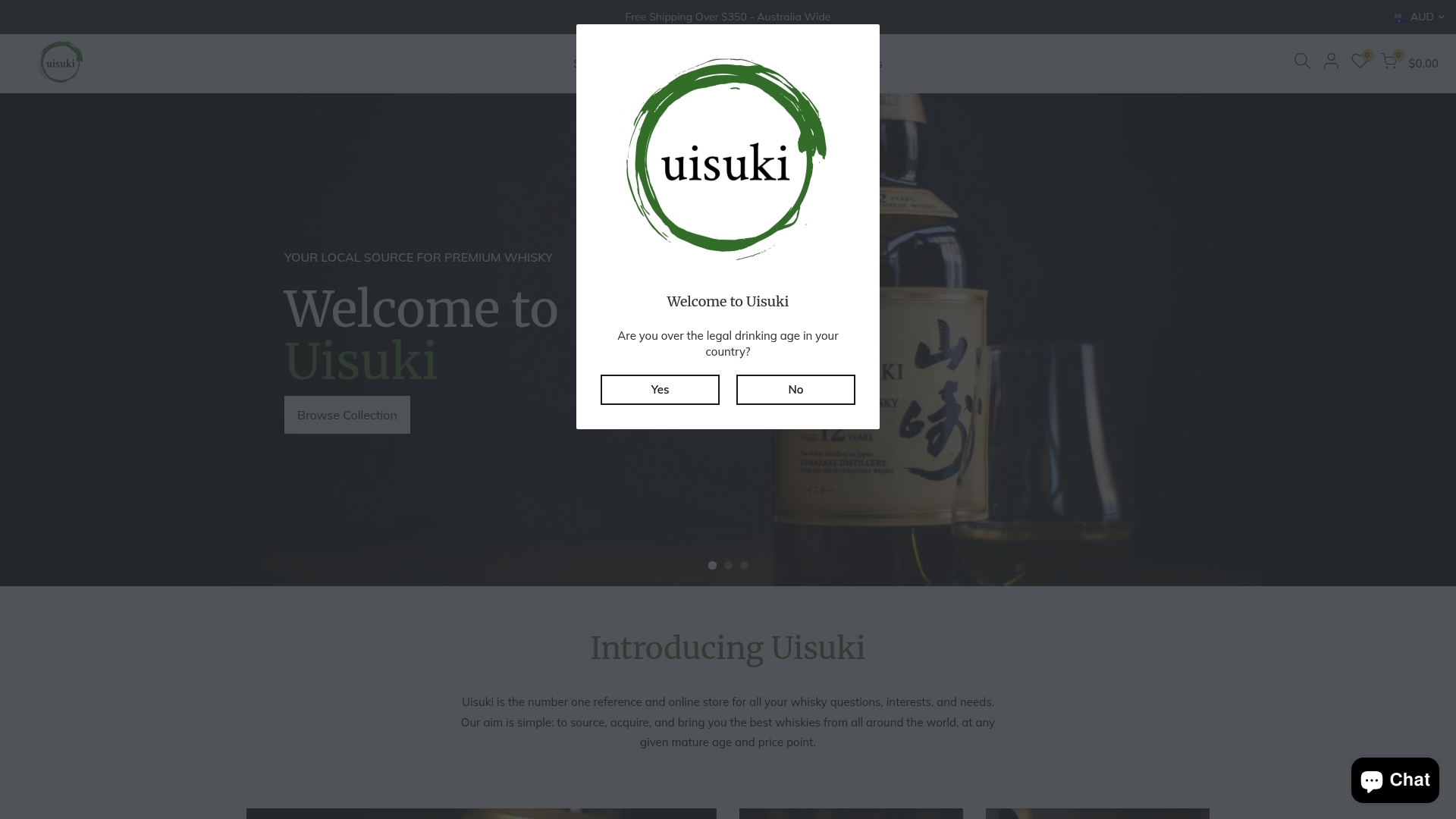
Uisuki curates a selection of premium whiskies from Scotland, Japan, Australia, and the USA, with a focus on new arrivals, allocated releases, and bottles that rarely appear in general retail. The platform accepts personalised sourcing requests, which means collectors can specify exactly what they are looking for rather than browsing and hoping. Every listing includes detailed provenance information, ABV, and pricing, so you know exactly what you are buying. For collectors building a serious holding, Uisuki’s rare whisky range is a reliable starting point that combines specialist knowledge with genuine access.
FAQ
What makes a whisky bar the best place for rare whisky?
The best whisky bars offer access to rare expressions by the dram, allowing collectors to taste before they source a bottle. Venues like The Devil’s Place in St. Moritz hold record-breaking collections of approximately 2,500 bottles that are simply unavailable in retail.
How do I find rare whisky at a distillery?
Join the distillery’s mailing list or membership programme and book a private tasting experience. Cellar-door exclusives are single-barrel releases reserved for on-site visitors and never enter broader distribution.
How do I verify a rare whisky bottle is genuine?
Request provenance documentation including original receipts, distillery certificates, or retailer records. Prioritising trusted merchants is the most reliable way to avoid counterfeit or compromised stock.
Are boutique retailers better than auctions for rare whisky?
Boutique retailers offer verified provenance and immediate availability, while auctions offer price discovery across a wider market. Collectors who value certainty and experience typically prefer boutique specialists for high-value purchases.
Where can I buy rare whisky online in Australia?
Uisuki stocks a curated range of rare and allocated whiskies from Scotland, Japan, Australia, and the USA, and accepts personalised sourcing requests for specific expressions.