

TL;DR:
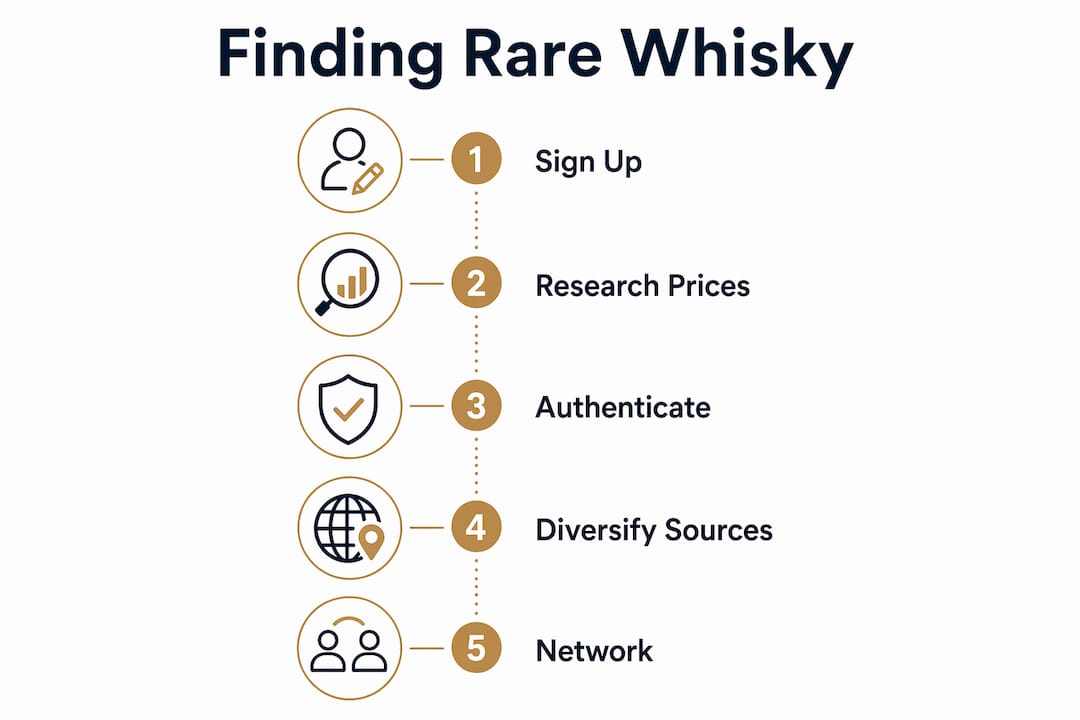
- Finding rare whisky requires diversifying sourcing channels, including distillery cellars, specialty stores, and online options. Building genuine relationships with retailers and researching prices through auction data prevent overpaying and help verify authenticity. Consistent engagement and market knowledge enable collectors to access limited releases and avoid counterfeit bottles effectively.
Rare whisky hunting is the practice of locating and acquiring bottles that are scarce, discontinued, or released in limited quantities. The most effective tips for finding rare whisky combine diversified sourcing, relationship building, and price research. Collectors who rely on a single channel, such as a local bottle shop, consistently miss out on the best finds. The collectors who succeed treat it like a discipline: they know where to look, who to talk to, and what a fair price looks like before they ever open their wallet.
What are the best places to find rare whisky?
The best places to buy rare whisky span both physical and online channels, and the most successful collectors use all of them. Limiting yourself to one source is the single biggest mistake in rare whisky hunting. Diversifying your sourcing channels, including craft distilleries and specialty retailers, is the most reliable way to uncover bottles that never reach mainstream shelves.
Here is where to focus your search:
- Craft distillery cellar doors. Many Australian distilleries release exclusive batches only at the cellar door. These bottles rarely appear online and sell out fast. Visiting in person puts you ahead of every online buyer.
- Specialty liquor stores. Independent bottle shops often secure store picks, which are single casks or limited batches selected exclusively for that retailer. These are not advertised widely and go to loyal regulars first.
- Online rare whisky retailers. Reputable online platforms maintain curated selections of hard-to-find bottles with worldwide shipping. Specialty online retailers stock bottles from Scotland, Japan, Australia, and the USA that most local shops cannot source.
- Whisky auctions. Auction platforms list bottles from private collections, including discontinued expressions and old vintages. Whisky auctions and events provide access to bottles that have not been available through retail for years.
- Collector clubs and whisky events. Tastings, festivals, and collector meet-ups are where bottles change hands quietly. These events also connect you with people who know about upcoming releases before they are announced publicly.
Pro Tip: Sign up to mailing lists for both distilleries and specialist retailers. Many limited releases are offered to subscribers first, and the public allocation sells out within hours.
How to research rare whisky prices before you buy
Price research is not optional when buying rare whisky. Auction sales data and market tracking sites provide the most reliable benchmarks for understanding what a bottle is genuinely worth. Without this knowledge, you are guessing, and secondary market sellers know it.
Follow these steps before committing to any purchase:
- Check recent auction results. Auction platforms publish completed sale prices. Search the specific expression and vintage you are considering. Look at the last three to five sales, not just the most recent one.
- Compare against MSRP. Know the manufacturer’s suggested retail price for the bottle. A secondary market price of two to three times MSRP is common for genuinely scarce releases. Prices ten times MSRP or higher warrant extra scrutiny.
- Use market tracking resources. Whisky valuation sites aggregate sale data across multiple auction houses. They show price trends over time, which tells you whether a bottle is appreciating or cooling off.
- Research recent sale prices before buying from private sellers. Researching recent sale prices is the single most effective defence against overpaying or dealing with fraudulent sellers.
“The collector who knows the market never pays the asking price blindly. Price data is not just about saving money. It is about knowing when a deal is real and when it is a trap.”
Inflated pricing on secondary markets is common after a bottle receives a high score from a respected publication or wins an award. Prices can spike within days. If you see a dramatic price jump with no clear reason, wait. Markets often correct within a few months.
How do you verify authenticity when buying rare whisky?
Counterfeit and tampered bottles exist in the rare whisky market. Careful examination of labels, seals, and liquid clarity is the baseline check every collector must perform before purchasing. Fakes are more common at the high end of the market, where the financial incentive is greatest.
Check these elements on every bottle:
- Labels and typography. Genuine bottles have crisp, consistent printing. Look for smudging, misaligned text, or fonts that do not match known examples of the same expression. Cross-reference with images from the distillery’s official website.
- Seals and tax strips. Original tax strips and wax seals should show no signs of tampering. A broken or re-glued seal is an immediate red flag. On older bottles, the seal should show age-appropriate wear, not fresh adhesive.
- Liquid clarity and fill level. Hold the bottle to the light. The whisky should be clear, with no cloudiness unless it is a chill-unfiltered expression. The fill level should sit within the shoulder of the bottle. A low fill on a supposedly sealed bottle suggests evaporation from improper storage or a refill.
- Provenance and seller history. Ask the seller directly where the bottle came from. A private collector with receipts, original packaging, and a clear ownership history is far lower risk than an anonymous listing with no background.
Pro Tip: For bottles above $500, consider using a rare whisky spotting guide or consulting a specialist before you buy. The cost of expert advice is trivial compared to the cost of a convincing fake.
What strategies build access to allocated and limited releases?
Access to allocated whisky, the bottles that distilleries release in tiny quantities to select retailers, almost always comes down to relationships. Building genuine relationships with local liquor store owners is the most direct path to getting offered bottles near retail price before they reach the open market.
These habits make a measurable difference:
- Be a consistent, loyal customer. Regularly visiting and supporting local stores increases your chances of being offered exclusive store picks and limited drops. Owners remember who buys regularly and who only shows up when something rare arrives.
- Show genuine interest, not just purchasing intent. Ask about what the store owner is excited about. Talk about expressions you have tried recently. Retailers share allocations with people they enjoy talking to, not just their biggest spenders.
- Attend tastings and collector meet-ups. These events are where you meet other collectors who tip each other off about upcoming releases, private sales, and bottles sitting in storage. The whisky community in Australia is smaller than you think.
- Join whisky clubs and get on mailing lists. Many distilleries and retailers offer first access to limited releases through their clubs or subscriber lists. This is one of the lowest-effort, highest-return habits a collector can build.
- Ask about personalised sourcing. Some specialist retailers will actively source specific bottles on your behalf. This works especially well for Japanese and Scottish expressions that are not regularly stocked in Australia.
The collectors who get the best bottles are not always the wealthiest or the most knowledgeable. They are the ones who show up consistently, treat retailers with respect, and make themselves easy to call when something special arrives.
Key takeaways
The most effective approach to finding rare whisky combines diversified sourcing, price research, authenticity checks, and consistent relationship building with retailers and fellow collectors.
| Point | Details |
|---|---|
| Diversify your sourcing | Use cellar doors, specialty stores, online retailers, and auctions rather than relying on one channel. |
| Research prices before buying | Check recent auction results and market tracking sites to confirm fair value and spot inflated pricing. |
| Verify every bottle | Inspect labels, seals, fill levels, and provenance before committing to any purchase. |
| Build retailer relationships | Loyal, regular customers get first access to allocated and limited-edition drops near retail price. |
| Join clubs and mailing lists | Subscriber access and collector clubs consistently deliver early notice of limited releases. |
Brendan’s take: what actually works in the field
The advice that gets repeated most often in whisky collecting circles is “know someone at a bottle shop.” That is true, but it misses the point. The relationship only works if it is genuine. I have seen collectors walk into a store, drop a lot of money, and still get nothing when the allocated bottles arrive. The owner gave them to the person who came in every fortnight, asked good questions, and bought a $60 bottle of something interesting they had never tried before.
The other thing I have learned is that craft distillery cellar doors are genuinely underrated. Industry collectors consistently point to cellar releases as offering better value and more unique experiences than widely publicised limited editions. The hype around a famous Scottish or Japanese release drives prices up fast. A small Australian distillery releasing a rum-finished single malt to cellar-door visitors only? That is where you find something worth talking about in ten years.
Price research changed how I buy completely. I used to trust my gut on whether a price felt right. Now I check auction data first, every time. The secondary market has sellers who are very good at making an inflated price feel reasonable. Knowing the last five sale prices for a bottle takes three minutes and has saved me from overpaying more times than I can count.
My honest recommendation: treat the rare whisky collector’s checklist as a non-negotiable part of your buying process. And if you are new to this, start with your local specialty store before chasing auction listings. The relationships you build there will open more doors than any online search.
— Brendan
Uisuki’s curated selection for serious collectors
Uisuki stocks a curated range of rare and limited-edition whiskies from Scotland, Japan, Australia, and the USA, with new arrivals added regularly. The team at Uisuki also handles personalised sourcing requests for collectors chasing specific expressions.
Whether you are after a rum-finished Australian single malt from Hobart Whisky or a limited edition world blend from Ichiro’s Malt and Grain, Uisuki’s catalogue covers the bottles serious collectors actually want. Competitive pricing, expert guidance, and shipping across Australia make Uisuki a practical first stop before you hit the auction circuit.
FAQ
What is the best way to find rare whisky in Australia?
The best approach combines visiting specialty liquor stores and craft distillery cellar doors, joining retailer mailing lists, and monitoring online auction platforms. Building a genuine relationship with a local specialist retailer gives you the most consistent access to allocated releases.
How do I know if a rare whisky bottle is authentic?
Check the label printing, seal integrity, fill level, and liquid clarity before buying. Ask the seller for provenance details, including receipts or original packaging, and cross-reference the bottle’s appearance with official distillery images.
Where can I track rare whisky prices?
Auction platforms publish completed sale prices, and dedicated whisky valuation sites aggregate data across multiple auction houses. Checking three to five recent sales for the specific expression gives you a reliable price benchmark.
Is buying rare whisky at auction a good strategy?
Auctions are one of the best channels for finding discontinued expressions and private collection bottles. The key is researching recent sale prices beforehand so you can set a firm maximum bid and avoid getting caught up in competitive bidding.
How do I get access to allocated whisky releases?
Becoming a loyal, regular customer at a specialty liquor store is the most reliable method. Store owners allocate scarce bottles to customers they know and trust, not to occasional buyers. Joining distillery clubs and subscriber lists also provides early access to limited releases.