

Most australian whisky collectors are surprised to discover how a single distillery’s range can reveal dramatic changes in flavour and character over time. Exploring vertical tastings is far more than sampling bottles—it offers a deep dive into the artistry behind each release from Scottish, Japanese, or American producers. Whether you are building a premium global collection or sharpening your palate, this guide shows you how systematic tasting uncovers the subtle stories hidden within every glass.
Table of Contents
- Defining Whisky Vertical Tasting and Its Purpose
- Types of Whisky Vertical Tastings Explained
- How Vertical Tastings Enhance Palate and Knowledge
- Planning a Successful Vertical Tasting Experience
- Common Mistakes and Best Practice Tips
Key Takeaways
| Point | Details |
|---|---|
| Understanding Vertical Tasting | Vertical whisky tastings systematically sample expressions from a single distillery to highlight production changes over time. |
| Types of Vertical Tastings | Common types include single barrel comparisons and milestone expressions, revealing distinct nuances throughout a distillery’s evolution. |
| Enhancing Palate Knowledge | These tastings educate enthusiasts on flavour profiles and production intricacies, transforming tasting into an active learning process. |
| Planning and Preparation | Successful tastings require careful selection, environment control, and structured documentation to fully appreciate the experience. |
Defining Whisky Vertical Tasting and Its Purpose
A vertical whisky tasting represents a sophisticated approach to understanding a distillery’s craftsmanship by systematically sampling multiple expressions from the same producer across different vintages or production batches. Exploring whisky variations allows enthusiasts to trace the subtle transformations that occur through time and production techniques.
This meticulous tasting method goes beyond traditional sampling by focusing on a single distillery’s range, enabling connoisseurs to detect nuanced changes in flavour profiles, ageing characteristics, and production methods. By comparing whiskies from different years, collectors can appreciate how environmental conditions, barrel selection, and distillation processes influence the final product’s complexity and character.
Vertical tastings typically involve selecting multiple expressions from the same producer, arranged chronologically or by specific production criteria. These might include comparing annual releases, different cask finishes, or expressions representing significant milestones in a distillery’s history. Such tastings provide a comprehensive narrative of a whisky’s evolution, revealing the intricate skills and traditions behind artisanal spirits production.
Pro tip: When conducting a vertical tasting, start with the youngest expression and progress to older releases to maintain palate sensitivity and appreciate the subtle progression of flavours.
Types of Whisky Vertical Tastings Explained
Whisky vertical tastings encompass several distinct approaches, each offering unique insights into a distillery’s production journey. Vertical tasting variations reveal intricate nuances across different production techniques and vintages, allowing enthusiasts to explore the rich complexity of whisky craftsmanship.
The most common types of vertical tastings include single barrel comparisons, where collectors examine expressions from the same production line across different years. This method provides a microscopic view of how subtle variations in aging, barrel selection, and environmental conditions impact a whisky’s character. Another sophisticated approach involves comparing annual releases from a specific distillery, tracing the evolution of their production methods and flavour profiles over time.
Some advanced vertical tastings focus on milestone expressions, such as comparing limited edition releases or commemorative bottlings that represent significant moments in a distillery’s history. These tastings might highlight special cask finishes, experimental production techniques, or expressions that showcase a master distiller’s innovative approach. Collectors and enthusiasts particularly appreciate these tastings for their ability to reveal the intricate storytelling behind each whisky’s creation.
Additionally, vertical tastings can explore different expressions within a single whisky range, such as comparing various age statements or cask types from the same producer. Types of whisky collections demonstrate the remarkable diversity possible within a single distillery’s portfolio, offering a comprehensive understanding of their craftsmanship and flavour development strategies.
Pro tip: Prepare a tasting journal to document subtle differences between expressions, noting specific flavour notes, aromas, and characteristics that distinguish each whisky in your vertical tasting experience.
Here’s a comparison of the main types of whisky vertical tastings and what unique insights each offers:
| Vertical Tasting Type | Key Focus | What You Learn |
|---|---|---|
| Single Barrel Comparisons | Different years, same barrel type | Subtle vintage influences |
| Annual Release Comparisons | Year-to-year evolution | Changes in production style |
| Milestone Expressions | Special or limited editions | Distillery innovations & history |
| Range Variety | Age statement or cask diversity | Portfolio depth and artistry |
How Vertical Tastings Enhance Palate and Knowledge
Vertical whisky tastings represent an extraordinary educational journey for enthusiasts, offering a profound mechanism to develop sensory perception and technical understanding. Whisky tasting nuances provide remarkable insights into the intricate world of spirit production, revealing how minute variations can dramatically transform a whisky’s character and complexity.
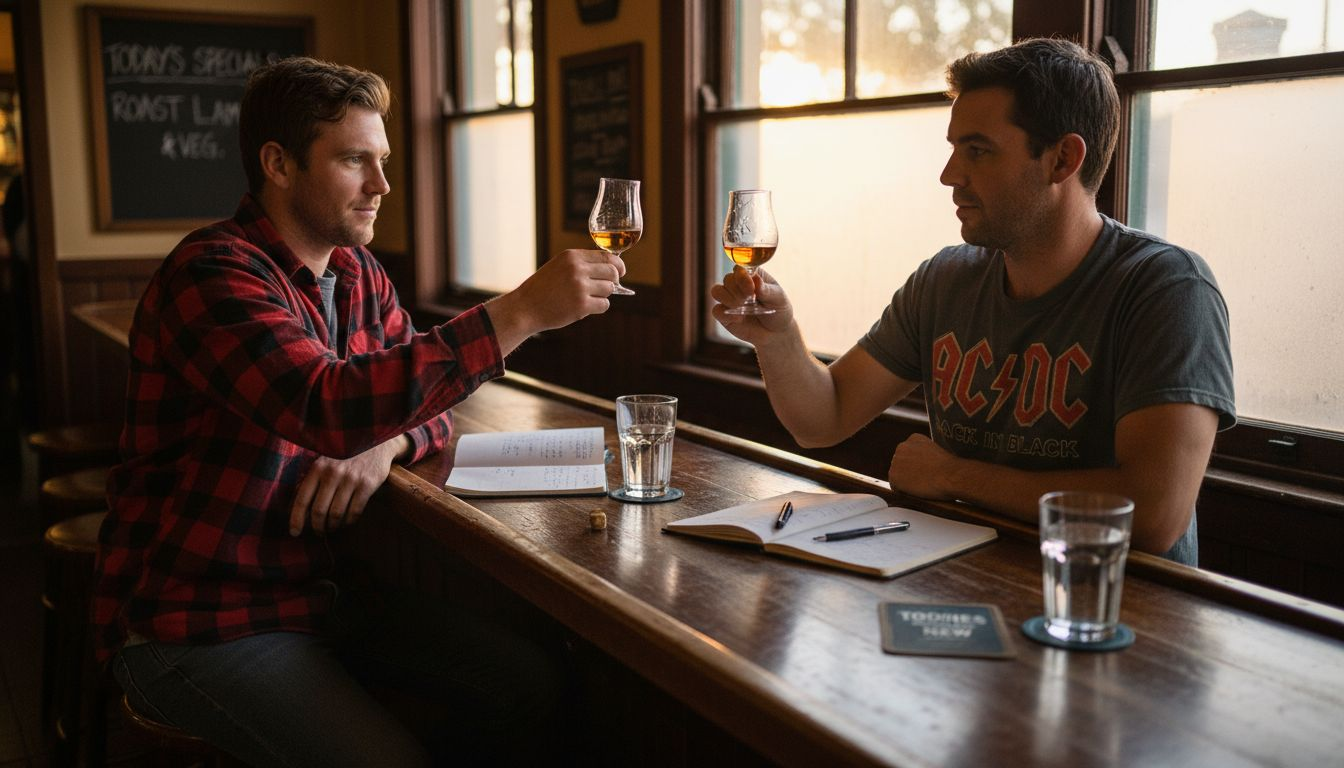
By systematically comparing expressions from the same distillery, tasters train their palate to detect extraordinarily subtle differences. These tastings illuminate the profound impact of environmental conditions, barrel selection, and aging processes on whisky development. Enthusiasts learn to discern intricate flavour profiles, identifying how factors like wood type, humidity, and storage conditions contribute to a spirit’s unique sensory experience.
The educational value of vertical tastings extends beyond mere flavour appreciation. Collectors and enthusiasts gain a comprehensive understanding of a distillery’s production philosophy, tracing the evolutionary journey of their craftsmanship. This approach transforms tasting from a passive consumption experience into an active learning process, where each sip becomes a narrative of technical skill, tradition, and innovation.
Moreover, vertical tastings cultivate a deeper respect for the artistry behind whisky production. By experiencing the progression of a single producer’s range, tasters develop a more nuanced understanding of how master distillers manipulate variables to create consistently exceptional spirits. How to compare whisky types becomes an intellectual pursuit, revealing the complex interplay between science, tradition, and creativity in whisky making.
Pro tip: Cleanse your palate between tastings with plain crackers and room temperature water to ensure each whisky expression receives a fair and unbiased evaluation.
Planning a Successful Vertical Tasting Experience
Planning a vertical whisky tasting requires meticulous preparation and a strategic approach to fully appreciate the nuanced expressions of a single distillery. Whisky types provide an essential foundation for understanding the complex landscape of spirits you’ll be exploring.
The first crucial step involves carefully selecting your whisky collection. Aim to curate a range of expressions from the same producer that showcase progressive variations. This might include different age statements, unique cask finishes, or releases spanning multiple years. Consider creating a chronological lineup that allows participants to trace the distillery’s evolution, starting with younger expressions and progressing to more mature releases. Key considerations include maintaining a consistent serving temperature, using appropriate glassware, and preparing neutral palate cleansers like plain crackers and room-temperature water.
Professional vertical tastings demand structured documentation and sensory analysis. Prepare tasting sheets that enable systematic recording of each whisky’s characteristics, including appearance, aroma, flavour profile, and finish. Encourage participants to compare notes, discussing subtle differences and shared observations. Create a conducive tasting environment with good lighting, minimal distractions, and appropriate glassware that concentrates the whisky’s aromatic compounds.
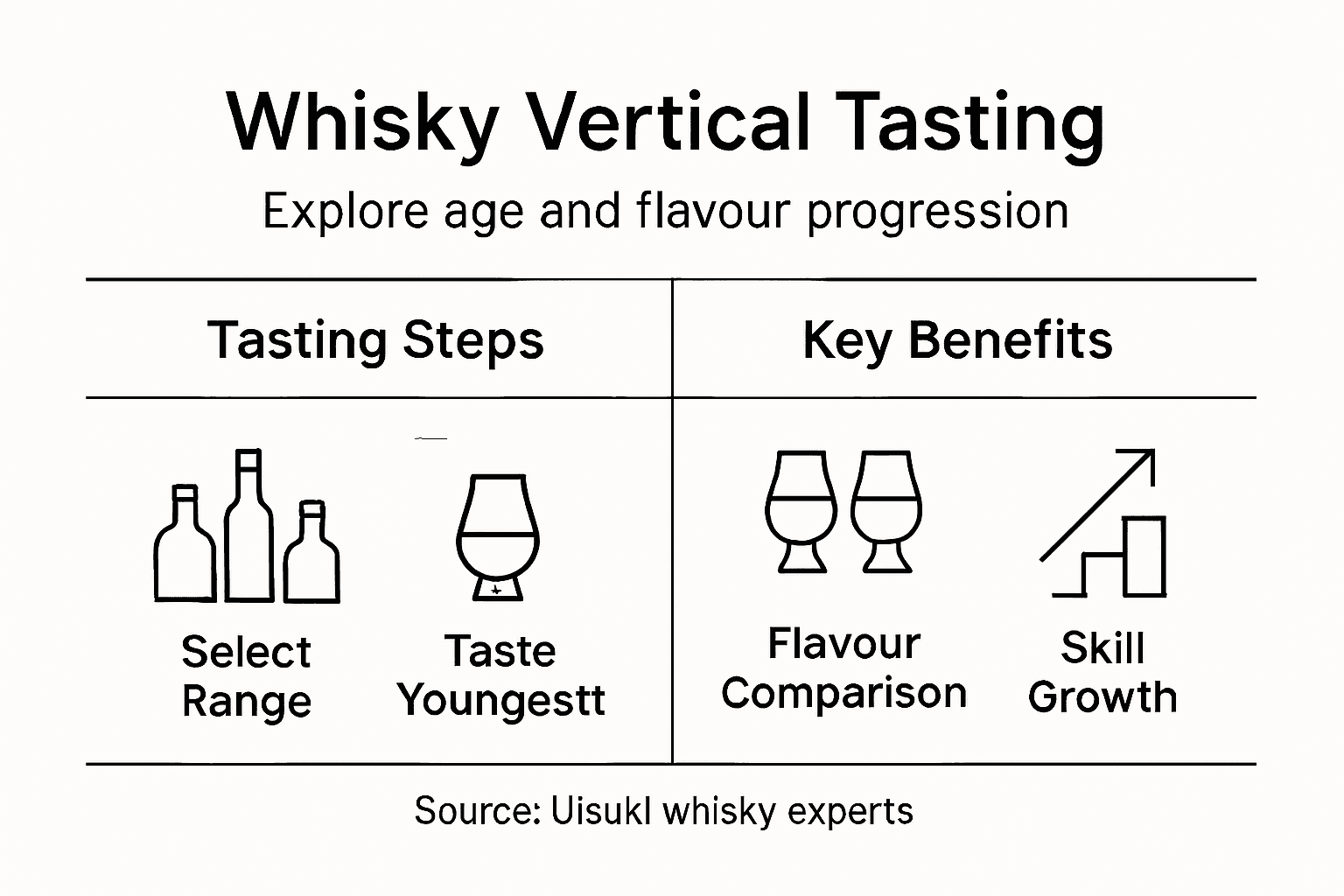
Successful vertical tastings also require careful pacing and thoughtful progression. Begin with lighter, more delicate expressions and gradually move towards more robust, complex whiskies. This approach prevents overwhelming the palate and allows for more nuanced appreciation. Consider limiting the number of whiskies to prevent sensory fatigue, typically recommending no more than six to eight expressions in a single session.
Pro tip: Arrange your whisky expressions from left to right in chronological order, with younger expressions on the left and progressively older releases moving towards the right, creating a visual narrative of the distillery’s evolution.
Consider these essential tips for planning a successful whisky vertical tasting:
| Preparation Step | Why It Matters | Practical Tip |
|---|---|---|
| Curate Distinct Expressions | Maximises contrast between samples | Vary age, casks, or finishes |
| Control Environment | Ensures fair and unbiased assessment | Use the same glasses & lighting |
| Pace the Session | Prevents palate fatigue | Limit to 6–8 whiskies |
| Document Observations | Captures nuanced sensory impressions | Use detailed tasting sheets |
Common Mistakes and Best Practice Tips
Vertical whisky tastings demand precision and thoughtful preparation to avoid common pitfalls that can diminish the experience. Vertical tasting challenges reveal the nuanced complexities that can make or break a comprehensive tasting session.
One fundamental mistake is selecting whiskies that are too similar, which neutralises the potential for meaningful comparison. Enthusiasts should prioritise expressions with distinct characteristics, focusing on single barrel releases or bottlings from different significant years. This approach ensures each whisky tells a unique story about the distillery’s evolution. Avoid the temptation to include too many expressions, as palate fatigue can quickly compromise your ability to detect subtle flavour variations. Professional tasters recommend limiting a vertical tasting to six to eight expressions to maintain sensory acuity.
Preparing the tasting environment requires meticulous attention to detail. Temperature control is critical – serving whiskies at consistent, slightly cool temperatures ensures optimal flavour presentation. Glassware selection matters substantially, with specialised nosing glasses recommended to concentrate aromatic compounds. Whisky tasting types demonstrate that proper equipment can dramatically enhance the sensory exploration.
Documentation represents another crucial element often overlooked by novice tasters. Systematic note-taking allows participants to track subtle flavour progressions, identifying nuanced changes across different expressions. Develop a consistent scoring system and create dedicated tasting sheets that encourage detailed sensory analysis, capturing appearance, aroma, flavour profile, and finish for each whisky.
Pro tip: Create a standardised tasting sheet with consistent evaluation criteria to ensure objective and comprehensive assessment across different whisky expressions.
Elevate Your Vertical Whisky Tasting Experience with Uisuki
Understanding the subtle evolution in a distillery’s craftsmanship through a vertical whisky tasting requires access to a diverse and thoughtfully curated selection. If you are eager to explore distinct expressions, from younger releases to milestone editions that reveal a producer’s unique journey, Uisuki is your ideal partner. Discover premium whiskies that perfectly suit vertical tastings, including a rich variety of World Whiskies and revered collections like The Balvenie, allowing you to experience nuanced flavour profiles across different vintages and cask finishes.
Start your whisky journey today by visiting Uisuki.com.au and take advantage of our expert guidance, rare bottle selections, and seamless shopping experience. Experience the true essence of vertical tastings and deepen your appreciation of whisky craftsmanship with every sip. Shop now and transform your next tasting into an unforgettable exploration.
Frequently Asked Questions
What is a vertical whisky tasting?
A vertical whisky tasting is a method of sampling multiple expressions from the same distillery across different years or production batches. This approach helps enthusiasts understand the craftsmanship and variations in flavour and character over time.
Why is vertical tasting important for whisky enthusiasts?
Vertical tasting is important because it allows enthusiasts to appreciate the subtle changes in whisky due to factors like environmental conditions and production techniques. It enhances their sensory perception and deepens their understanding of a distillery’s craftsmanship.
How should I prepare for a whisky vertical tasting?
When preparing for a vertical tasting, curate a selection of expressions that highlight varying ages or cask finishes. Ensure the tasting environment is controlled with consistent glassware, and pace the session to prevent palate fatigue.
What common mistakes should I avoid during a vertical tasting?
Common mistakes to avoid include selecting whiskies that are too similar, which limits meaningful comparisons, including too many expressions that cause palate fatigue, and neglecting proper documentation of tasting notes, which is essential for tracking subtle variations.