

Choosing your next collectable bottle can feel daunting when whiskies boast heritage and craftsmanship. For Australian whisky collectors, understanding bonded whisky is key to recognising genuine quality and tradition. Originating from the Bottled-in-Bond Act of 1897, bonded whisky follows some of the spirits world’s most rigorous legal standards, promising authenticity that goes far beyond clever marketing. Discover what separates bonded selections from standard labels and the truth behind common misconceptions.
Table of Contents
- Bonded Whisky Explained and Common Misconceptions
- How Bonded Whisky is Made and Labelled
- Key Legal Standards and International Differences
- Why Bonded Whisky Appeals to Collectors
- Comparing Bonded Whisky to Other Types
Key Takeaways
| Point | Details |
|---|---|
| Bonded Whisky Definition | Bonded whisky is a legally defined category, ensuring quality and consistency through strict production standards. |
| Historical Context | Originating from the Bottled-in-Bond Act of 1897, it protects consumers from adulteration in spirits. |
| Collector Appeal | The stringent requirements and limited production make bonded whisky highly desirable among collectors. |
| Production Differences | Bonded whisky differs from standard whisky by being produced at a single distillery in one season with specific ageing and proof standards. |
Bonded Whisky Explained and Common Misconceptions
Bonded whisky represents a unique and historically significant category of spirits with strict legal requirements. Originating from the Bottled-in-Bond Act of 1897, this designation emerged as one of the first consumer protection laws in the alcoholic beverage industry, designed to guarantee quality and authenticity for whisky enthusiasts.
The legal framework for bonded whisky involves several precise conditions that distinguish it from standard spirits:
- Must be produced by a single distillery
- Produced during one specific distillation season
- Aged for a minimum of four years in a bonded warehouse
- Bottled at exactly 100 proof (50% alcohol by volume)
- No additives permitted beyond water
Contrary to popular belief, bonded whisky is not simply a marketing term but a legally defined classification with robust standards. Many consumers mistakenly assume all bonded whiskies are automatically superior, when in reality, the designation primarily ensures consistency and adherence to traditional production methods.
The historical context is crucial for understanding bonded whisky. During the late 19th century, widespread adulteration of spirits was common, with producers frequently diluting or tampering with whisky. The Bottled-in-Bond Act was a direct response to protect consumers by mandating transparent, regulated production processes.
Pro tip: When selecting a bonded whisky, focus on the distillery’s reputation and the specific production details rather than assuming quality based solely on the bonded designation.
How Bonded Whisky is Made and Labelled
The production of bonded whisky follows an intricate and highly regulated process that ensures exceptional quality and consistency. Strict production guidelines govern every stage of whisky creation, from grain selection to final bottling, making it a unique category in the spirits world.
The production process involves several critical stages:
- Careful grain selection and mashing
- Precise fermentation with specific yeast strains
- Single distillation within one designated season
- Minimum four-year maturation in government-supervised warehouses
- Bottling at exactly 100 proof (50% alcohol by volume)
Labelling for bonded whisky is equally meticulous, with government-mandated documentation requirements ensuring transparency and consumer protection. Each bottle must clearly display essential information, including the distillery of origin, specific distillation season, and precise bottling details.
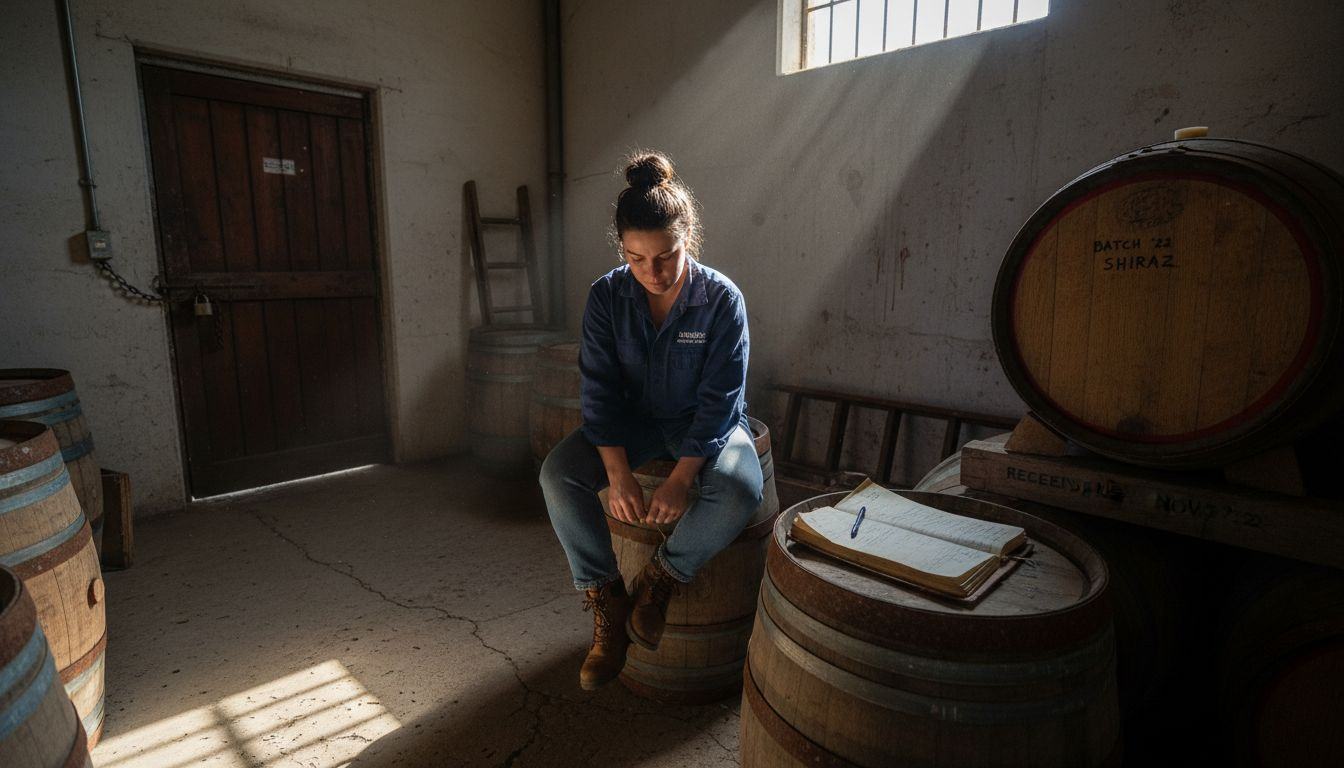
Historically, bonded warehouses represented a sophisticated system of spirit storage and taxation. Originally featuring physical locks with multiple key holders, these facilities have evolved to use advanced electronic monitoring systems. This transition reflects the ongoing commitment to maintaining the highest standards of whisky production and preservation.
Pro tip: When examining a bonded whisky label, look for the specific distillation season and proof statement to verify its authentic bonded status.
Use this quick reference when evaluating a bonded whisky label:
| Label Detail | What It Shows | Why It Matters |
|---|---|---|
| Distillery Name | Specific producer of the whisky | Confirms provenance |
| Distillation Season | Production period | Verifies legitimate bonding |
| Proof Statement | Alcohol by volume percentage | Ensures 100 proof compliance |
| Maturation Location | Bonded warehouse supervised | Indicates government oversight |
Key Legal Standards and International Differences
International whisky regulations demonstrate remarkable complexity, with each region maintaining unique legal frameworks that protect traditional production methods and ensure consumer quality.
Key differences in bonded whisky regulations include:
- Scotch Whisky: Must be produced and matured exclusively in Scotland
- American Bonded Whisky: Governed by the Bottled-in-Bond Act of 1897
- Canadian Whisky: Allows more flexible production techniques
- Japanese Whisky: Recently implemented stricter labelling standards
The British Standards Institution has developed a voluntary global guideline (BS 8636:2023) that aims to harmonise production practices across different jurisdictions. This standard focuses on maintaining authenticity and quality beyond minimum legal requirements, recognising the nuanced differences in international whisky production.
Geographical Indications (GIs) play a crucial role in protecting whisky’s cultural heritage. International trademark protections ensure that specific regional whiskies maintain their unique identity, preventing counterfeiting and preserving traditional production methods across global markets.
Here’s a summary of how bonded whisky production differs around the world:
| Country/Region | Legal Framework | Notable Traits | Collector Appeal |
|---|---|---|---|
| Scotland | Scotch Whisky Regulations | Origin and maturation in Scotland | Protected Geographical Indication enhances value |
| United States | Bottled-in-Bond Act of 1897 | Single distillery, gov oversight | Detailed documentation attracts collectors |
| Canada | Flexible regulations | Varied production techniques | Rare bonded releases are less common |
| Japan | New labelling standards (2020s) | Stricter authenticity controls | Increasing global interest in Japanese bonded |
Pro tip: Always check the specific legal requirements of the country of origin when purchasing bonded whisky to understand its authentic production standards.
Why Bonded Whisky Appeals to Collectors
Whisky collectors are drawn to bonded spirits for their exceptional provenance, guaranteed authenticity, and remarkable historical significance. The stringent production standards and government oversight make bonded whisky a compelling investment and collector’s item.
Key attributes that make bonded whisky attractive to collectors include:
- Guaranteed single-distillery production
- Precise documentation of distillation season
- Government-supervised maturation process
- Higher proof and concentrated flavour profile
- Limited production volumes
- Transparent production history
The rarity and craftsmanship behind bonded whisky elevate its desirability. Rare whisky auction markets have seen extraordinary sales, with collectors investing significant amounts to acquire unique bonded releases that represent both cultural heritage and potential financial appreciation.
Beyond monetary value, bonded whisky represents a tangible connection to historical production methods. Collectors are not just purchasing a bottle, but acquiring a meticulously crafted narrative of tradition, regulation, and exceptional quality that transcends ordinary spirits.
Pro tip: Research the specific distillery’s reputation and historical significance before investing in a bonded whisky collection.
Comparing Bonded Whisky to Other Types
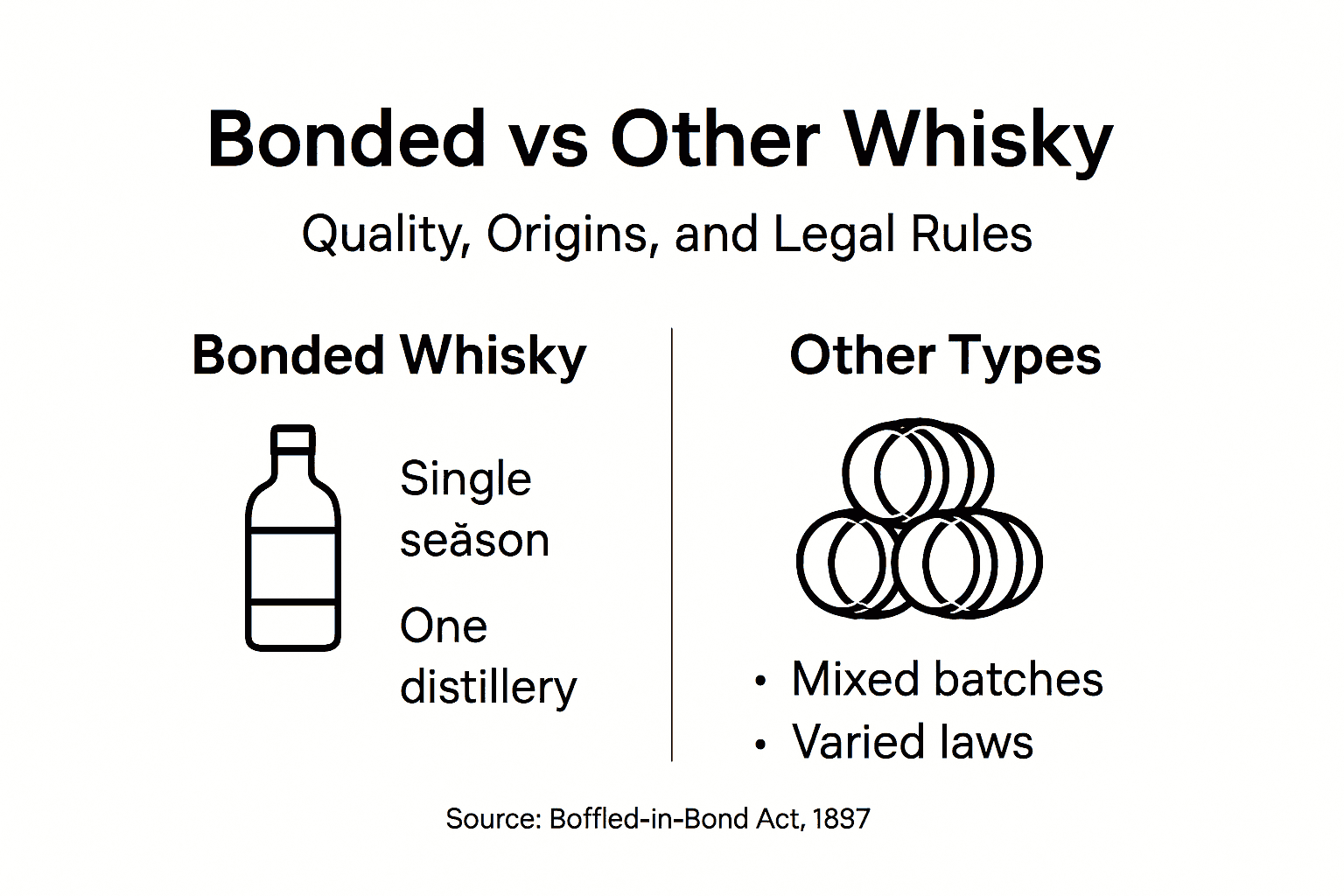
Bonded whisky distinguishes itself through stringent production standards that set it apart from conventional spirits. Unlike standard whiskies, which might blend spirits from multiple distilleries and seasons, bonded whisky maintains a singular, meticulously controlled production profile.
Key comparative characteristics include:
-
Production Origin
- Bonded Whisky: Single distillery, single season
- Regular Whisky: Multiple distilleries possible
-
Aging Requirements
- Bonded Whisky: Minimum 4 years mandatory
- Straight Whisky: Typically 2+ years
-
Proof Specification
- Bonded Whisky: Strictly 100 proof
- Regular Whisky: Variable proof levels
-
Government Oversight
- Bonded Whisky: Extensive federal monitoring
- Regular Whisky: Less rigorous regulation
The precise regulations surrounding bonded whisky create a more transparent and controlled product compared to standard offerings. These restrictions ensure a consistent flavour profile and guarantee the spirit’s authenticity, making it particularly appealing to discerning collectors and enthusiasts who value provenance and quality.
While straight whisky and other variants offer their own unique characteristics, bonded whisky represents the pinnacle of regulatory compliance and traditional production methods. Its commitment to transparency and quality makes it a benchmark for excellence in spirit production.
Pro tip: When comparing whisky types, focus on the specific production details rather than relying solely on marketing claims.
Discover Authentic Bonded Whisky at Uisuki
Understanding bonded whisky’s strict production standards and rich history can deepen your appreciation for these unique spirits. If you seek premium bottles that meet these exacting criteria and offer genuine provenance from trusted distilleries explore our carefully curated Older Bottling’s – Uisuki.com.au. These selections embody the tradition and quality guaranteed by bonded whisky regulations.

Elevate your collection today by choosing from our exceptional range at Uisuki.com.au. Benefit from expert guidance, detailed product insights, and seamless shopping experience all designed to help you secure authentic bonded whiskies and more. Don’t wait to own a piece of whisky heritage and flavour with confidence and convenience. Start browsing now or check out On Sale – Uisuki.com.au for exclusive offers.
Frequently Asked Questions
What is bonded whisky?
Bonded whisky is a category of spirits that must adhere to strict legal standards established by the Bottled-in-Bond Act of 1897, ensuring quality and authenticity. It is produced by a single distillery, aged for a minimum of four years in a bonded warehouse, and bottled at exactly 100 proof (50% alcohol by volume).
How does bonded whisky differ from regular whisky?
Bonded whisky differs from regular whisky in that it is produced at a single distillery and during a specific distillation season. It also has a minimum aging requirement of four years, is bottled at 100 proof, and has extensive government oversight, ensuring greater quality control and authenticity.
Why is the bonded designation important for whisky enthusiasts?
The bonded designation is important for whisky enthusiasts as it guarantees a level of quality and authenticity that is not always present in standard whiskies. It ensures that the whisky is made with specific production methods and is free from additives, providing a consistent and genuine drinking experience.
What should I look for on a bonded whisky label?
When examining a bonded whisky label, key details to look for include the distillery name, distillation season, proof statement (ensuring it is at 100 proof), and the maturation location, which indicates government oversight and authenticity.