

TL;DR:
- Finding scarce whisky involves targeting limited editions, single casks, or closed distilleries with high collector value. Building relationships with independent retailers and following distillery channels greatly increase the chances of acquiring these bottles. Patience and strategic channel use are key to successful whisky hunting in 2026.
Finding hard-to-get whisky is the practice of locating bottles with genuine scarcity markers: limited bottling runs, single cask designations, releases from closed distilleries, or historic vintages with strong collector demand. The industry term for this category is “allocated whisky,” meaning bottles distributed in quantities too small to meet retail demand. Collectors who understand both terms move faster and smarter than those who treat every rare bottle as a lucky find. This guide covers the scarcity mechanics, the tools, and the step-by-step strategies that actually work in 2026.
What makes a whisky genuinely hard to get?
Rarity in whisky is defined by bottle count, production method, and distillery status. Truly rare whiskies typically number fewer than 200 bottles, and often come from closed or “silent” distilleries, single cask designations, or historic vintages. That threshold matters because once a release drops below a few hundred bottles, secondary market demand outpaces supply almost immediately.
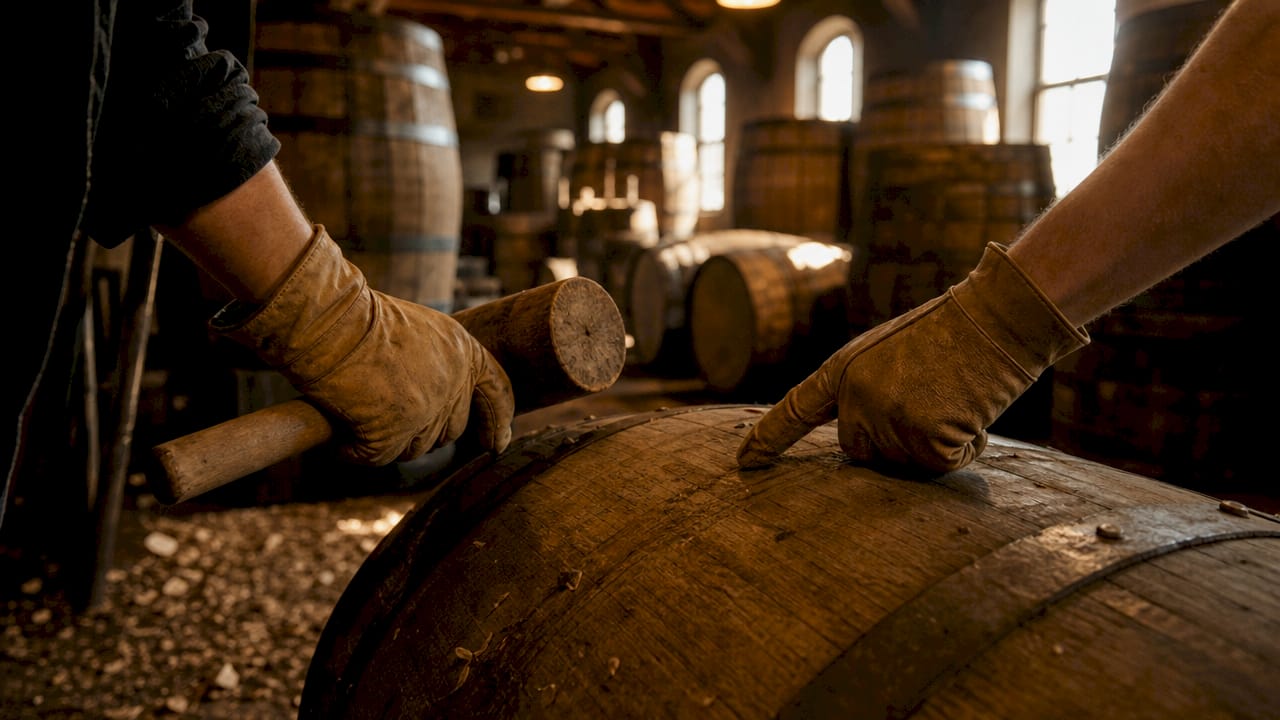
Single cask releases are the clearest example of genuine scarcity. One barrel yields roughly 200–300 bottles at most, and no two casks produce identical whisky. When a distillery bottles a single cask without dilution, that expression is gone forever once it sells. Silent distilleries add another layer: no new stock is being produced, so every bottle that surfaces is drawing from a finite and shrinking pool.
Allocated whisky has transformed the purchasing experience, requiring active hunting through lotteries and retailer relationships, because these bottles rarely appear on standard shelves. The shift from passive browsing to time-intensive hunting is now the norm, not the exception. Collectors who still expect to walk into a bottle shop and find a Yamazaki 18 or a Pappy Van Winkle on the shelf are working from an outdated playbook.
The rarest whiskies come from categories including single malts, limited editions, silent distilleries, and allocated releases. These categories shape both rarity and collector value globally. Knowing which category you are hunting in tells you which channels to prioritise.
What do you need before you start hunting?
Preparation separates collectors who find bottles from those who miss them repeatedly. The single most important asset is a genuine relationship with an independent liquor retailer. Building relationships with independent store owners is the foundation of successful whisky hunting. Beginners who walk in and immediately ask for the rarest bottle on the market almost always damage their chances before they begin.
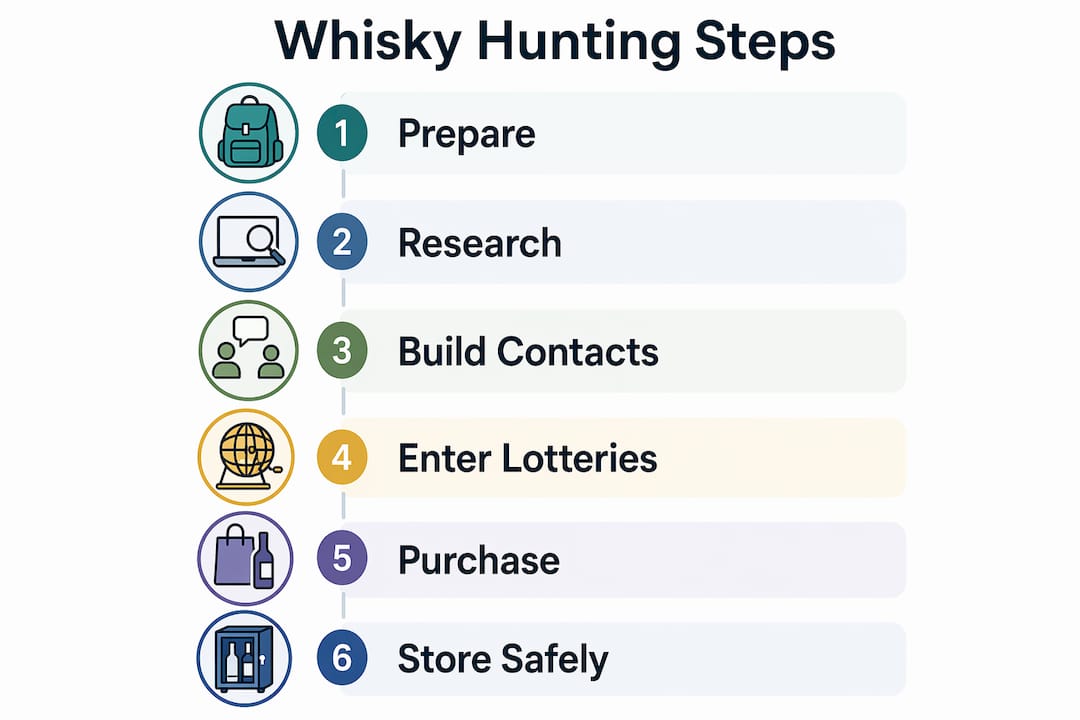
Retailers allocate their scarce stock to customers they trust. That trust is built through regular purchases of everyday bottles, honest conversations about your interests, and showing up consistently rather than only when a hyped release drops. Think of your local independent bottle shop as a community hub, not a vending machine.
Beyond the store relationship, collectors need a working knowledge of the following channels:
- Distillery newsletters and mailing lists. Many distilleries release limited bottles exclusively to subscribers before any retail allocation. Sign up early and stay subscribed.
- Whisky auction platforms. Legal secondary markets are emerging in some regions, creating regulated auction environments where rare bottles surface at market prices.
- Social media groups and forums. Dedicated whisky communities on Facebook, Reddit, and Discord share real-time tips on drops, lottery openings, and retail restocks.
- Whisky apps and price trackers. Apps that monitor secondary market prices help you spot fair value and avoid overpaying.
| Channel | Best for | Time investment |
|---|---|---|
| Independent bottle shop | Allocated releases, loyalty access | High (ongoing) |
| Distillery mailing list | Exclusive and cellar door bottles | Low (set and wait) |
| Whisky auction platforms | Secondary market and older vintages | Medium (active bidding) |
| Social media groups | Real-time drop alerts and tips | Medium (daily check-ins) |
| Distillery visits | Cellar door exclusives | High (travel required) |
Pro Tip: Sign up for every distillery newsletter you care about before you need a bottle. Waiting until a release is announced means you are already too late for most subscriber-only allocations.
How do you find rare whisky bottles step by step?
The most effective approach to finding rare whisky is to start with achievable targets, build your credibility, and work up to the bottles that genuinely test your network. Starting with limited but attainable releases provides practical experience and real success before you chase the true unicorns.
-
Identify your target category. Decide whether you are hunting Scottish single malts, Japanese limited editions, American craft releases, or Australian distillery exclusives. Each category has different channels and seasonal rhythms.
-
Visit your local independent bottle shop weekly. Consistent presence signals genuine interest. Ask staff what they are expecting, what sold out recently, and whether they run a customer waitlist. Most good retailers maintain one.
-
Enter every lottery you qualify for. Many distilleries and retailers now use ballot systems for high-demand releases. Enter them all. Your odds improve with volume, and the process costs nothing but a few minutes.
-
Visit distilleries directly. Visiting craft distilleries is a superior way to access unique single-barrel releases that are not nationally distributed. Australian distilleries like Lark, Starward, and Hobart Whisky regularly offer cellar door exclusives unavailable anywhere else. For international options, American craft producers often sell barrel picks exclusively on-site.
-
Join distillery membership clubs. Many Scottish and Japanese distilleries offer paid membership programmes that guarantee access to limited releases before general retail. The cost is usually offset by the first allocation you receive.
-
Monitor secondary markets with price awareness. Use auction platforms to track what bottles are actually selling for, not just listed at. This protects you from inflated retail markups and helps you recognise a fair price when you see one.
-
Ask your retailer about distillery exclusive whisky. Some of the most interesting bottles never enter standard distribution at all. Your retailer may be able to source them or point you toward the right channel.
Pro Tip: Keep a simple spreadsheet of every lottery you enter, every retailer relationship you are building, and every release calendar you are tracking. Whisky hunting is a long game, and organised collectors win more often than impulsive ones.
What are the common mistakes and how do you fix them?
Whisky hunting has a predictable set of pitfalls. Knowing them in advance saves you money, relationships, and frustration.
- Asking for unicorn bottles too early. Beginners often alienate store owners by immediately requesting exclusive bottles. Successful collectors cultivate ongoing rapport before making big asks. Start by buying what is available, not by demanding what is not.
- Paying inflated secondary prices without research. Secondary markets are useful for tracking value, not for paying whatever a listing asks. Cross-reference prices across multiple auction platforms before bidding or buying.
- Ignoring authenticity checks. Counterfeit bottles exist, particularly for high-value Japanese and Scottish expressions. Check fill levels, label printing quality, and capsule condition. Buy from reputable retailers or established auction houses with authentication processes.
- Chasing trends instead of building a collection. When a whisky category spikes in media coverage, prices follow within weeks. Collectors who chase trends pay peak prices. Those who build knowledge ahead of trends find bottles before the rush.
- Neglecting emerging categories. Limited American craft whisky and Japanese expressions are growing in collector interest and scarcity simultaneously. Getting into these categories early, before allocation systems tighten further, is the smarter move.
Maintaining respectful retailer relationships is not just good manners. It is a practical strategy. Retailers who like you will call you before a bottle hits the shelf. Those who find you difficult will not.
Which whisky categories offer the best rare bottle opportunities?
The categories most likely to yield genuinely scarce bottles follow a consistent pattern. Understanding them helps you focus your hunting energy where it counts.
Single malts from Scotland remain the benchmark for collector rarity. Age statement expressions from distilleries like Springbank, GlenDronach, and Glenfarclas command strong secondary demand because production volumes are small and global interest is high. Silent distillery bottlings, from producers that have permanently closed, represent a finite and shrinking category with no new supply ever entering the market.
Japanese whisky sits at the intersection of genuine scarcity and surging global demand. Fewer barrels yield less whisky over time, which increases scarcity for age statement bottlings across all major Japanese producers. The allocation systems at Japanese distilleries are among the most restrictive in the world.
Australian whisky is the category most accessible to local collectors. Distilleries like Lark, Archie Rose, and Hobart Whisky release small-batch and single cask expressions that sell out quickly but are available through direct channels before they reach secondary markets.
| Whisky origin | Rarity driver | Best access channel |
|---|---|---|
| Scotland (single malt) | Age statements, silent distilleries | Independent retailers, auctions |
| Japan | Allocation systems, export limits | Specialist online retailers |
| Australia | Small-batch, cellar door exclusives | Distillery direct, local independents |
| USA (craft) | Single barrel, cellar door only | Distillery visits, mailing lists |
For collectors wanting to buy rare whisky across multiple categories, building relationships with a specialist online retailer that covers all four origins is more efficient than managing four separate networks.
Key takeaways
Finding hard-to-get whisky requires understanding scarcity mechanics, building retailer relationships, and applying consistent hunting strategies across multiple channels.
| Point | Details |
|---|---|
| Scarcity markers matter | Bottles under 200 units, single cask, or silent distillery releases carry the highest collector value. |
| Retailer relationships are the foundation | Regular patronage and respect unlock access to allocated stock before it reaches the shelf. |
| Start with achievable targets | Begin with attainable limited releases to build experience before chasing the rarest bottles. |
| Use multiple channels | Combine distillery mailing lists, auctions, social media groups, and retailer visits for best results. |
| Know your category | Scottish single malts, Japanese expressions, Australian craft, and American cellar door releases each require different tactics. |
The patience game: what I have learned from years of whisky hunting
I made every beginner mistake in the book. I walked into a bottle shop and asked for a Karuizawa on my second visit. The owner was polite, but I could see the shutters come down. It took months of regular purchases and genuine conversation to rebuild that relationship. That lesson cost me more than a few missed bottles.
The collectors I respect most are not the ones with the most impressive shelves. They are the ones who know every staff member at their local independent by name, who enter every lottery without complaint when they miss out, and who genuinely enjoy the bottles they can find rather than fixating only on the ones they cannot. The hunt is part of the pleasure. If you treat it as pure acquisition, you will burn out and overpay.
The whisky hunting landscape has shifted considerably. Allocation systems are tighter, secondary prices are higher, and the community is larger than it was five years ago. That sounds discouraging, but it also means the community is richer. More people sharing tips, more retailers running waitlists, more distilleries offering direct access programmes. The tools are better now. Use them.
My honest advice: pick one category, build one strong retailer relationship, and enter every lottery available to you for twelve months. By the end of that year, you will have found bottles you did not expect to find, and you will understand the market well enough to hunt smarter.
— Brendan
Rare bottles worth adding to your collection
Uisuki stocks a curated range of limited and hard-to-find whiskies from Scotland, Japan, Australia, and the USA, with new arrivals added regularly for collectors who want specialist access without the legwork.
The Hobart Whisky Bourbon Matured Rum Finished Single Malt is a genuine Australian cellar door-style release, bottled at 56.4% ABV in a small batch that will not be repeated. For collectors with an eye on Japanese expressions, the Ichiro’s Malt and Grain Limited Edition World Blended Whisky at 48% ABV represents exactly the kind of allocated release that disappears fast. Uisuki also publishes expert guides on buying limited edition whisky to help collectors stay ahead of the next drop.
FAQ
What is allocated whisky?
Allocated whisky is a bottle distributed in quantities too small to meet retail demand, requiring active hunting through lotteries and retailer relationships rather than standard shelf purchases.
How do I start finding hard-to-get whisky as a beginner?
Start by building a relationship with an independent bottle shop through regular purchases, then enter distillery lotteries and sign up for mailing lists before chasing the rarest releases.
Are distillery visits worth it for rare bottles?
Visiting distilleries directly is one of the best ways to access single-barrel and cellar door exclusives that are never nationally distributed or available online.
How do I avoid buying counterfeit rare whisky?
Buy from reputable specialist retailers or established auction houses with authentication processes, and always check fill levels, label quality, and capsule condition before purchasing.
Which whisky categories are hardest to find in Australia?
Japanese age statement expressions and Scottish single malts from silent distilleries are the hardest to source locally, followed by limited Australian single cask releases that sell out at the cellar door.