

TL;DR:
- Whiskeys vary greatly based on regional tradition, grain, water, and aging methods, producing distinct styles. Understanding categories like bourbon, rye, Scotch, Irish, and Japanese helps identify personal preferences and suitable drinking occasions. Prioritizing genuine flavor and quality over hype ensures more satisfying whiskey experiences and smarter selections.
Most people can tell bourbon from Scotch by the label. Far fewer know why those two spirits taste nothing alike, or what makes a Japanese whisky worth three times the price of a blended Scotch. Whiskeys are one of the most varied spirit categories on the planet, shaped by grain, water, climate, and centuries of regional tradition. Whether you are buying your first bottle, building a home collection, or searching for a whiskey gift that will actually impress, this guide gives you the knowledge to drink well and choose wisely.
Table of Contents
- Key takeaways
- Whiskeys explained: the major categories
- How to taste whiskey properly
- The best whiskeys to try right now
- Choosing the right whiskey for you
- My honest take on drinking whiskey well
- Discover exceptional whiskeys at Uisuki
- FAQ
Key takeaways
| Point | Details |
|---|---|
| Legal rules shape flavour | Bourbon must use 51% corn aged in new charred oak, directly producing its signature vanilla and caramel profile. |
| Water improves high-proof pours | Adding 5 to 10ml of water to cask-strength whiskey softens heat without stripping aroma. |
| Match whiskey to occasion | Bourbon and rye suit cocktails; single malts and Japanese whiskeys reward neat sipping. |
| Gifting is easier with sets | Tasting gift sets let recipients explore multiple styles without committing to a full bottle. |
| Flavour beats hype | Quality and genuine flavour should guide every purchase, not scarcity or prestige labels. |
Whiskeys explained: the major categories
There is a persistent myth that whiskey is whiskey. It is not. Production and origin rules create flavour and category distinctions so pronounced that tasting a peated Islay Scotch next to a straight Kentucky bourbon feels like comparing two completely different spirits. Understanding the categories is not gatekeeping. It is the fastest way to find what you actually enjoy.
Here is how the core categories stack up:
| Category | Origin | Primary grain | Flavour profile | Ageing requirement |
|---|---|---|---|---|
| Bourbon | USA | 51%+ corn | Caramel, vanilla, baked fruit | New charred oak barrels |
| Rye | USA/Canada | 51%+ rye | Spicy, peppery, dry | New charred oak (US law) |
| Single malt Scotch | Scotland | Malted barley | Varies: fruity to smoky | Min. 3 years in oak |
| Irish whiskey | Ireland | Mixed grains | Smooth, light, approachable | Min. 3 years in wood |
| Japanese whisky | Japan | Malted barley | Refined, balanced, subtle | Varies by distillery |
The 51% grain rule is deceptively powerful. Switch the majority grain from corn to rye, and you shift the entire flavour direction from sweet and round to dry and peppery. New charred oak barrels give bourbon those unmistakable vanilla and caramel notes. Scotch typically ages in used barrels, which produces a subtler oak influence and lets the malt character speak.
Irish whiskey takes a different path again. Triple distillation yields a smoother, lighter spirit compared to double-distilled Scotch, making Irish releases a strong starting point for newcomers. Japanese whisky borrowed heavily from Scotch production traditions but adapted them to local water and climate, producing a style that is refined and balanced rather than bold.
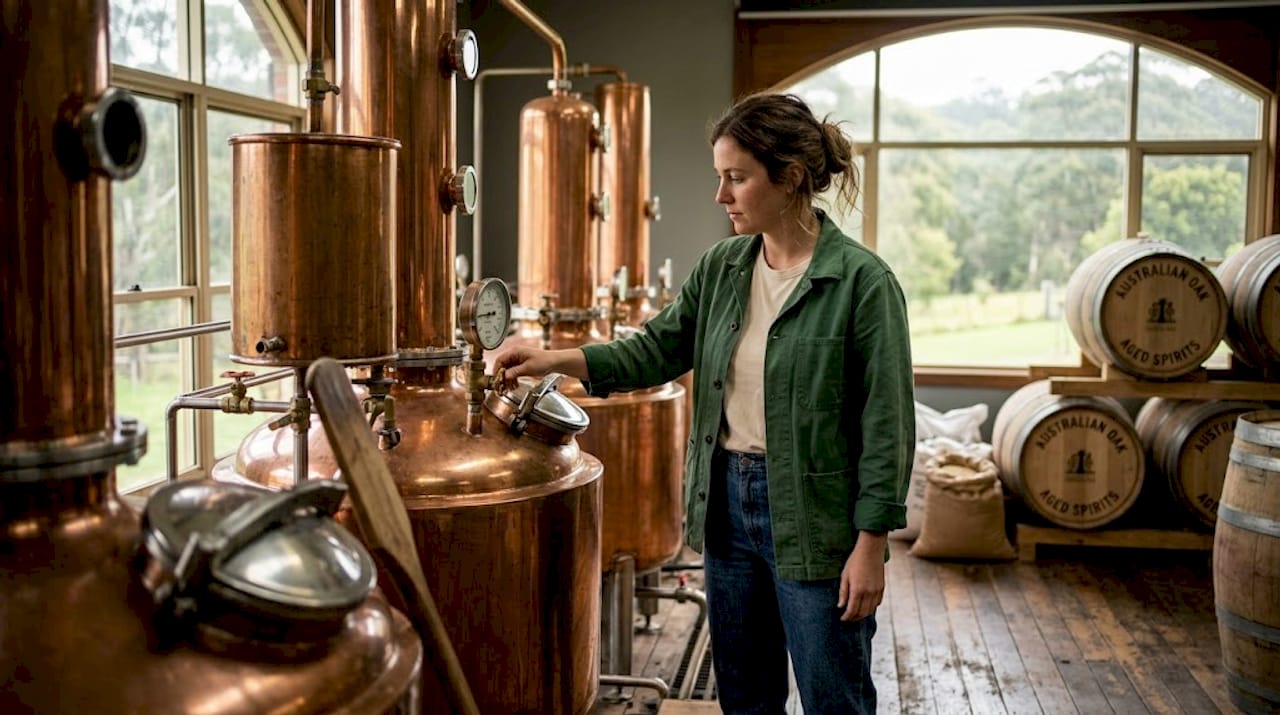
For those wanting to go deeper on the whisky variety differences, the distinctions between categories become more nuanced the more you explore them.
Pro Tip: If you are new to peated Scotch, start with a lightly peated Highland expression before jumping to Islay. The smoke on an Islay malt can be genuinely polarising for first-timers.
How to taste whiskey properly
Tasting whiskey well is a skill, and like any skill, it rewards a little deliberate practice. The good news is that you do not need a formal background in spirits to develop your palate. You just need to slow down and pay attention.
Follow this sequence for any new bottle:
- Nose it first. Swirl the glass gently and bring it to your nose without burying your face in it. Open-mouth breathing reduces the sting of ethanol and lets you pick up the actual aromas. Expect caramel and vanilla in bourbon, dried fruit and spice in aged Scotch, light floral notes in Irish.
- Take a small sip and let it sit. Hold the whiskey on your palate for a few seconds before swallowing. This is where mouthfeel comes through: oily, thin, velvety, or warming.
- Note the finish. The aftertaste, or finish, is often the most revealing part. A long, warming finish with evolving spice suggests quality ageing. A short, flat finish often means a younger or heavily filtered spirit.
- Add a few drops of water if needed. Adding 5 to 10ml of water to a 44ml pour of 46% ABV or higher whiskey softens the ethanol heat without stripping the aromatics. This technique is not a shortcut. It is science.
Glassware matters more than most people expect. A Glencairn glass concentrates aromas at the narrow rim, which makes nosing far more revealing than a flat-bottomed tumbler. Serving neat at room temperature without ice gives you the fullest picture of a whiskey’s character, though a large single cube of ice can open up certain sweeter bourbons nicely.
Common flavour notes to look for include caramel, vanilla, toasted oak, dried fruit, citrus peel, clove, pepper, peat smoke, and sea salt. The more whiskeys you try side by side, the faster these descriptors start to make sense rather than feeling like marketing copy.
Pro Tip: Drinking a small amount of room-temperature water between pours resets your palate far better than crackers or bread do. Keep a glass nearby whenever you are tasting multiple expressions.
The best whiskeys to try right now
Knowing what to actually buy is where the theory becomes practical. Here is a breakdown by budget and style, drawing on current critical picks and tasting evidence.
Budget-friendly options (under AU$70)
- Maker’s Mark Cask Strength: This bottle won Straight Bourbon of the Year at the 2026 London Spirits Competition, scoring 96/100. Tasting notes include baked apple and raisin on the nose, with toasted oak, vanilla caramel, and toasted nuts on the palate. At around AU$45, it overdelivers significantly.
- Jameson Black Barrel: A step up from standard Jameson, this Irish whiskey uses double-charred bourbon barrels to add depth. Approachable, smooth, and good value.
Mid-range picks (AU$70 to AU$150)
- Russell’s Reserve 10-Year-Old: Named best bourbon of 2026 by VinePair, this Wild Turkey expression delivers rich caramel, baking spice, and leather at a price that makes you wonder why you would spend more.
- Glendronach 12-Year-Old: Sherry-forward and generous, with dark fruit, chocolate, and warm spice. Excellent for anyone exploring non-peated Scotch.
Splurge-worthy bottles (AU$150+)
- The Glendronach ‘Ode to the Dark’: VinePair’s top single malt Scotch pick for 2026, this is a deeply concentrated, sherry-cask expression with notes of stewed plum, dark chocolate, and espresso.
- Kanosuke Hioki Pot Still: Named best Japanese whisky of 2026 by VinePair, this is a rare single-distillery pot still expression with a refined, fruit-driven profile.
For gifting, the most successful approach is a tasting set rather than a single premium bottle. Sets let the recipient explore styles without committing to 700ml of something unfamiliar. Whisky Advocate’s annual selections are also a reliable shortlist when you want external validation before spending up.
Choosing the right whiskey for you
Knowing the categories is one thing. Knowing which one suits your taste and your glass is another. Here is a practical framework for matching whiskey to purpose.
| If you prefer… | Go for… | Why it works |
|---|---|---|
| Sweet, approachable flavours | Bourbon or Irish | Corn and triple distillation produce soft, sweet profiles |
| Bold spice and complexity | Rye or peated Scotch | High rye content or peat smoke delivers intensity |
| Subtle, nuanced sipping | Japanese whisky | Refined balance suits contemplative drinking |
| Cocktail mixing | Bourbon or rye | Strong flavour holds up against mixers |
| Exploring regional character | Single malt Scotch | Each region (Speyside, Islay, Highland) tells a different story |
For cocktails, bourbon and rye are the workhorses. A Whiskey Sour, Old Fashioned, or Manhattan all depend on the whiskey’s backbone holding its character once mixed with citrus or vermouth. Rye adds a dry, spicy edge to a Manhattan that bourbon cannot replicate. Bourbon brings sweetness to a Sour that keeps it from becoming too sharp.
Single malts and Japanese whiskeys generally deserve a glass on their own. That is not snobbery. It is that the complexity and nuance those expressions carry is lost the moment you add cola or ginger beer. Save the good stuff for neat drinking and use a solid mid-range bottle for mixing.
Cask finishing adds another dimension worth understanding. A whiskey matured in ex-bourbon barrels and then finished in a sherry, rum, or port cask picks up additional layers of flavour in the final months of ageing. This technique is behind some of the most interesting releases from both established and craft whiskey distilleries worldwide.
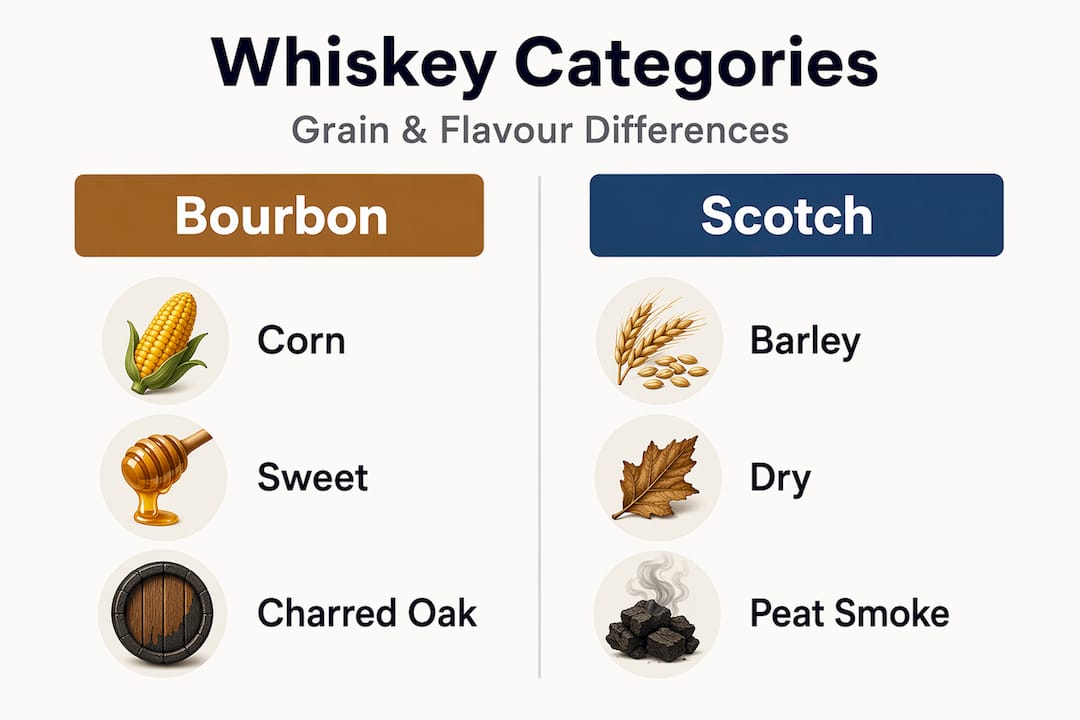
Pro Tip: Before buying a bottle purely on recommendation, ask yourself whether you prefer sweet or dry flavours in other contexts. That single preference will predict your whiskey palate more accurately than any tasting note.
My honest take on drinking whiskey well
I have tasted hundreds of whiskeys over the years, and the lesson that keeps coming back is this: the most memorable bottles are rarely the most expensive ones. The hype around rare releases and limited editions has created a secondary market where people spend more time hunting bottles than drinking them.
The best advice on whiskey selection I have come across consistently points to quality and flavour above all else. Scarcity is a marketing story. What is in your glass is what matters.
I think the most underrated development in whiskey right now is the quality coming out of craft distilleries. Australian distilleries in particular are producing expressions that hold their own against anything from Kentucky or Speyside. The combination of local barley, ex-wine barrels, and a warmer climate creates a faster, different kind of maturation that produces genuinely distinct flavour.
My practical advice for building a home collection: start with four bottles that represent different categories rather than four bottles from the same style. One bourbon, one rye, one Scotch (single malt), and one wildcard (Japanese, Australian, or Irish) will teach you more about your own palate in a month than reading about whiskey for a year.
Do not optimise for what other people think of your shelf. Drink what you actually enjoy.
— Brendan
Discover exceptional whiskeys at Uisuki
If you are ready to go beyond the familiar and explore something genuinely special, Uisuki stocks a curated selection of whiskeys that are hard to find anywhere else in Australia.

The Hobart Whisky Bourbon Matured Rum Finished Single Malt is a standout: a Tasmanian single malt that combines bourbon barrel maturation with a rum cask finish for a profile unlike anything from Scotland or Kentucky. For collectors, the Ichiro’s Malt and Grain Limited Edition is a world blended whisky from one of Japan’s most respected producers. For gifting, the Old Kempton Whisky Gift Set offers three 50ml Tasmanian expressions in a single package, which is the kind of gift that actually gets opened rather than shelved. Browse the full range at Uisuki.com.au and find your next favourite bottle.
FAQ
What is the difference between whisky and whiskey?
The spelling difference comes down to country of origin. Scotland, Japan, and Australia use “whisky” while Ireland and the United States typically use “whiskey.” Both spellings refer to the same category of distilled grain spirit.
How should I drink whiskey for the first time?
Start with a small pour at room temperature in a narrowed glass, nose it before tasting, and add a few drops of water if the alcohol heat is too sharp. Irish whiskey or a entry-level bourbon are the most approachable starting points.
What makes bourbon different from Scotch?
Bourbon is produced in the USA from a mash of at least 51% corn and aged in new charred oak barrels, giving it sweet vanilla and caramel flavours. Scotch is made in Scotland from malted barley and aged in used barrels, producing a more varied profile that ranges from fruity to heavily peated.
What are the best whiskeys to give as a gift?
Tasting sets, limited-edition releases, and bottles from lesser-known craft distilleries tend to make the most memorable gifts. A set covering multiple styles gives the recipient something to explore rather than a single bottle they may or may not enjoy.
Do expensive whiskeys always taste better?
Not reliably. Quality and flavour remain the most important measures regardless of price, and many mid-range bottles regularly outperform prestige labels in blind tastings. Price reflects scarcity and branding as much as it reflects what is actually in the bottle.