

TL;DR:
- Japanese whisky is renowned globally, with a variety of brands offering both approachable and rare expressions. Understanding blend types, authenticity standards, and flavor profiles helps buyers select quality bottles within their budget. Emerging distilleries like Chichibu demonstrate the innovative spirit driving the industry forward.
Japanese whisky has earned its place among the world’s most admired spirits, and choosing from the best Japanese whisky brands has never been more rewarding or more overwhelming. With dozens of distilleries releasing expressions ranging from approachable blends to rare single malts, the gap between a great purchase and a forgettable one comes down to knowing what you’re looking for. This guide cuts through the noise. You’ll find detailed brand profiles, a practical comparison table, and honest buying advice, whether you’re treating yourself or searching for a gift that will genuinely impress.
Table of Contents
- Key takeaways
- How to evaluate the best Japanese whisky brands
- Top Japanese whisky brands: profiles and standout expressions
- Comparison of flagship bottles across leading brands
- Choosing the right Japanese whisky for your occasion
- My honest take on the Japanese whisky market in 2026
- Explore authentic Japanese whisky at Uisuki
- FAQ
Key takeaways
| Point | Details |
|---|---|
| Know your blend type | Single malts, blended malts, and grain whiskies offer distinct flavour experiences worth understanding before you buy. |
| Verify authenticity | Look for the JSLMA logo on the label to confirm the whisky meets Japan’s official production standards. |
| Match flavour to occasion | Lighter blends like Toki suit cocktails and casual sipping, while aged expressions reward slow, attentive drinking. |
| Balance budget and quality | Excellent Japanese whiskies are available from around $60, so you don’t need to spend a fortune for genuine quality. |
| Emerging brands deserve attention | Distilleries like Chichibu are producing limited releases that rival established names at competitive prices. |
How to evaluate the best Japanese whisky brands
Before you spend your money, it helps to understand what separates a genuinely great bottle from one that just has a pretty label. These are the criteria that matter most.
Age statements. An age statement tells you the minimum number of years the whisky spent in cask. Older expressions generally carry more complexity, but they’re also scarcer and priced accordingly. Expressions aged 18 or 25 years have limited retail distribution and often command steep premiums in collector markets. No age statement (NAS) doesn’t mean low quality, but it does warrant more scrutiny.
Blend type. The four main categories are single malt (one distillery, malted barley), blended malt (multiple distilleries, malted barley), grain whisky (typically lighter, column still), and blended whisky (a combination of malt and grain). Each has a distinct character. Understanding these distinctions, which you can explore in more depth with this overview of Japanese whisky types, will sharpen your decision-making quickly.
Flavour profile. Japanese whiskies are broadly known for elegance, balance, and restraint, but the range within that is enormous. Some lean fruity and floral. Others are peaty and robust. A few carry the rare sandalwood and incense notes that come from ageing in mizunara oak, a Japanese cask type that imparts aromatic notes rare elsewhere and significantly influences pricing.
Authenticity. The Japan Spirits and Liqueurs Makers Association (JSLMA) introduced labelling standards that require Japanese whisky to be made, aged, and bottled in Japan. Some blends source whiskies from multiple distilleries or independent bottlers, so checking for the JSLMA logo matters, especially for collectors.
- Price range: Reliable quality starts from around $60. Premium aged expressions can run into the hundreds or thousands.
- Packaging: For gifting, presentation counts. Brands like Hibiki are known for bottles that double as display pieces.
- Distillery reputation: Heritage distilleries with decades of records offer confidence; emerging names require a bit more research.
Pro Tip: If you’re new to Japanese whisky, start with a blended expression before committing to a single malt. Blends tend to be more approachable and reveal how the distillery thinks about balance, which is really the heart of Japanese whisky philosophy.
Top Japanese whisky brands: profiles and standout expressions
The House of Suntory
Suntory is the name most people encounter first, and for good reason. Founded in 1899, it operates three distilleries that produce some of the most recognised whisky in the world.
Yamazaki is Japan’s oldest malt distillery. Yamazaki 12 Year Old is widely regarded as the benchmark single malt, offering ripe stone fruit, vanilla, and a gentle oakiness. It’s a bottle that rewards both newcomers and seasoned drinkers. If you can find it, the 18-Year-Old is extraordinary, layering dried fruit and spice across a long, warming finish.
Hibiki is Suntory’s flagship blended whisky, and it embodies the Japanese concept of wa, meaning harmony. The 24-facet bottle represents Japan’s 24 micro seasons. Hibiki 21 Year Old is considered the gold standard for blended Japanese whisky in 2026, combining dozens of malt and grain components across multiple cask types into something genuinely cohesive. It’s also one of the most gifting-appropriate bottles on this list.
Toki sits at the accessible end of the Suntory range. Toki is a blend from Yamazaki, Hakushu, and Chita, designed specifically for versatility in cocktails. The Japanese Highball made with Toki has become a fixture on bar menus across Australia. Light, crisp, and subtly sweet, it’s the best Japanese whisky for cocktails if you want something that genuinely works in a mixed drink without disappearing.
Hakushu is the mountain distillery. Its expressions carry a distinctly herbal, forest-fresh character that sets them apart from anything else in the Suntory lineup. Hakushu is consistently recommended for drinkers who want something lighter and more unusual.
Pro Tip: Hibiki’s bottle is so recognisable and visually striking that it’s become a go-to gift even for people who don’t drink whisky regularly. If you’re buying for someone and you’re not sure of their taste, Hibiki Harmony is a safe and genuinely excellent choice.
Nikka
Nikka was founded by Masataka Taketsuru, often called the father of Japanese whisky, after he studied distillation in Scotland. The brand operates two very different distilleries, and the contrast between them is part of what makes Nikka so interesting.
Yoichi, on Hokkaido’s northern coast, produces a peaty, robust style that’s the closest Japan gets to a Scotch-influenced single malt. It’s favoured by drinkers who want something with more weight and character. If you’ve heard people say they can’t get into Japanese whisky because it’s too delicate, Yoichi is usually what changes their mind.
Miyagikyo, by contrast, is a lowland-style distillery producing lighter, more fruity expressions. Together, the two distilleries give Nikka an enormous range to draw from for its blended expressions.
Nikka From The Barrel deserves special mention. At around $61 a bottle, it punches well above its price point, bottled at 51.4% ABV from a blend of over 100 malt and grain components. It’s one of the best affordable Japanese whisky options available right now.
Chichibu and the emerging distilleries
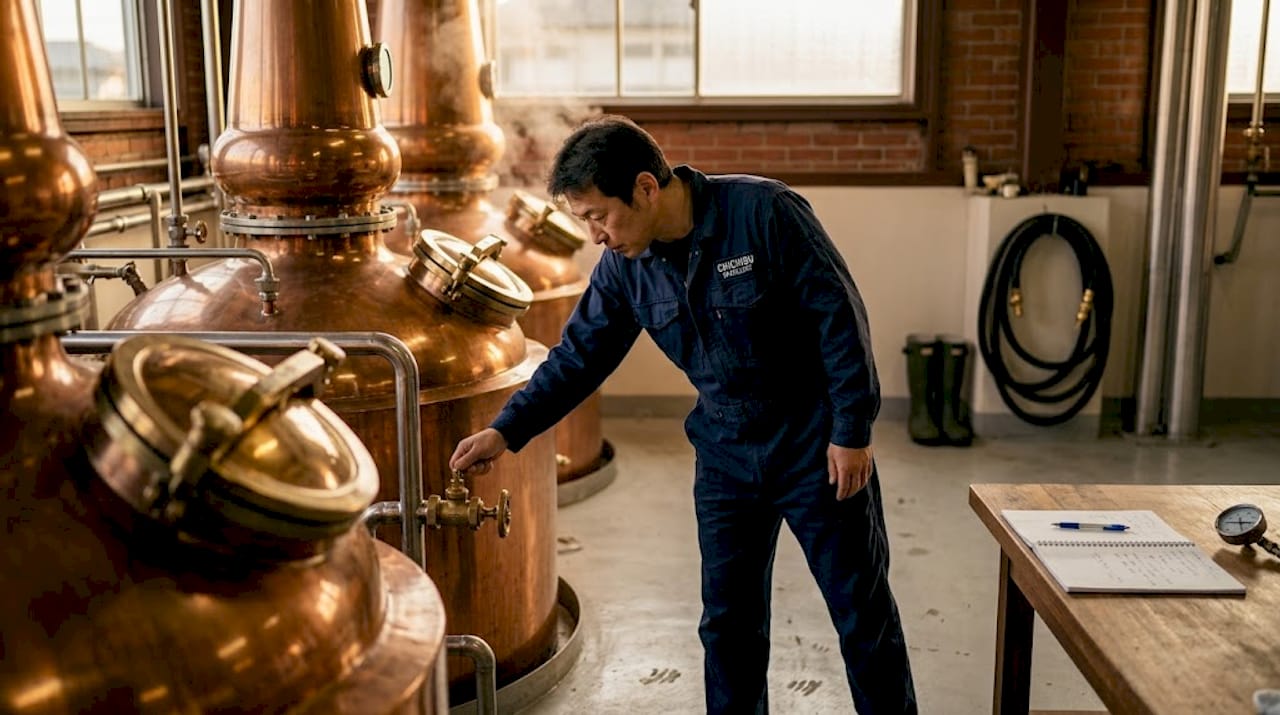
Chichibu is the name serious enthusiasts mention in the same breath as the established giants. Founded in 2008 by Ichiro Akuto, it’s a small distillery in Saitama Prefecture producing limited releases aged in mizunara hogsheads and new French oak. Stocks are small and demand is high, which means prices have risen sharply, but the quality is undeniable.
Mitake is another name worth watching. The Mitake No. 18 Single Cask won the highest gold award in recent competition, demonstrating that newer producers are capable of matching or exceeding established benchmarks. For a full rundown of bottles worth hunting, this guide to top whiskies for collectors is worth bookmarking.
Comparison of flagship bottles across leading brands
| Brand | Expression | Blend type | Flavour profile | Price range (AUD) | Best for |
|---|---|---|---|---|---|
| Suntory | Yamazaki 12 Year Old | Single malt | Stone fruit, vanilla, gentle oak | $150 to $200 | Sipping, gifting |
| Suntory | Hibiki 21 Year Old | Blended whisky | Honeyed, complex, sandalwood | $600 to $800+ | Special occasions |
| Suntory | Toki | Blended whisky | Light, crisp, citrus | $65 to $75 | Cocktails, entry-level |
| Nikka | From The Barrel | Blended whisky | Rich, spiced, full-bodied | $55 to $70 | Value, everyday sipping |
| Nikka | Yoichi Single Malt | Single malt | Peaty, smoky, robust | $120 to $160 | Scotch lovers |
| Chichibu | The Peated | Single malt | Smoke, orchard fruit, oak | $200 to $300 | Collectors, explorers |
| Mitake | No. 18 Single Cask | Single cask | Rich, complex, award-winning | $200 to $350 | Collectors |
This table reflects general retail pricing in Australia in 2026. Prices shift with availability, particularly for limited and aged releases.
Choosing the right Japanese whisky for your occasion
Understanding which bottle to reach for depends entirely on context. The best whisky often depends on occasion and taste, and the more you know about the recipient or setting, the better your choice will be.
For casual sipping or entertaining. Lighter blends like Toki or Nikka From The Barrel are ideal. They’re approachable enough for guests who don’t consider themselves whisky drinkers, and complex enough to satisfy those who do. Neither will break the budget.
For special celebrations. This is where you reach for age-stated single malts or prestige blends. Yamazaki 12 is a reliable choice at a moderate premium, while Hibiki 21 signals that you take the occasion seriously. These are also the expressions most likely to be remembered.
For gifting. A few principles worth keeping in mind:
- Choose a bottle with strong visual presence. Hibiki’s faceted glass and Yamazaki’s distinctive bottle shape carry their own message before the whisky is even tasted.
- Consider the recipient’s existing preferences. If they drink Scotch, lean toward Yoichi. If they like lighter spirits, Hakushu or Toki will resonate more.
- A gift-ready Japanese whisky between $60 and $120 hits the sweet spot where the bottle feels generous without being impractical. For more on this, the guide on gifting Japanese whisky covers the cultural dimension beautifully.
For collectors. Prioritise limited releases from Chichibu, Mitake, and aged Nikka expressions. Japanese whisky is as much about craftsmanship and cultural philosophy as it is about the spirit itself, and the best collector bottles carry that story in the bottle.
Pro Tip: If you’re hunting a limited release and can’t find it locally, specialist retailers who accept sourcing requests are worth contacting directly. They often have access to stock that never reaches general shelves.
My honest take on the Japanese whisky market in 2026
I’ve been tasting and writing about Japanese whisky for years, and my opinion on one thing hasn’t changed: the marketing in this category is among the most polished in the spirits world, and that polish can obscure what actually matters.
I’ve watched collectors pay enormous premiums for bottles based on reputation alone, only to find that a $65 Nikka From The Barrel outperforms them in blind tastings. That’s not a criticism of the premium brands. It’s a reminder that distillery reputation and transparency matter more than mythology.
What I find genuinely exciting right now is the emerging distillery space. Chichibu has shown that a relatively young operation can produce world-class whisky when the craft is taken seriously. Mitake’s award-winning single cask is another example. These aren’t fluke results. They reflect a generation of Japanese distillers who grew up with the classics and are now building something new alongside them.
My practical advice: don’t let scarcity drive your buying decisions. Some of the most sought-after bottles in the secondary market aren’t worth the premium when you factor in what else you could buy for that money. Spend time with the core range expressions before chasing limited editions. You’ll enjoy the journey a lot more.
— Brendan
Explore authentic Japanese whisky at Uisuki
Uisuki is an Australian platform built for people who take their whisky seriously. The Japanese whisky collection includes everything from entry-level blends to rare and hard-to-find expressions sourced specifically for enthusiasts and collectors. Every bottle is genuine, every listing includes detailed tasting notes and ABV information, and the team handles personalised sourcing requests for bottles that don’t appear on the shelves.
Whether you’re buying your first Japanese whisky, adding to a collection, or looking for a gift that will genuinely land, browse the full range at Uisuki. Free shipping thresholds, multiple payment options, and expert recommendations are all part of the experience.
FAQ
What is the best Japanese whisky brand for beginners?
Suntory’s Toki is the most accessible starting point, offering a light, crisp flavour profile that works well neat or in a Highball cocktail. Nikka From The Barrel is another strong entry option with more body and complexity for around the same price.
How do I know if a Japanese whisky is authentic?
Look for the JSLMA logo on the label, which confirms the whisky was produced, aged, and bottled in Japan according to official standards. Some blends source components from multiple distilleries, so label scrutiny matters for collectors.
What are the best affordable Japanese whisky options?
Nikka From The Barrel at around $61 and Suntory Toki at approximately $65 to $75 offer genuine quality without the premium price of aged or limited expressions.
Which Japanese whisky is best for cocktails?
Toki is specifically designed for mixing and is the preferred base for a Japanese Highball. Its light character and citrus notes hold up well in cocktails without overpowering other ingredients.
Are emerging Japanese whisky brands worth buying?
Yes. Distilleries like Chichibu and Mitake are producing expressions that compete directly with established names at competitions, with Mitake’s No. 18 Single Cask winning a highest gold award in recent judging.