

Over 30 percent of collectors consider whisky not just a drink but a living link to history and culture. Around the world, collecting rare bottles has become a respected tradition, tying people to centuries-old practices and regional stories. For australian enthusiasts, this passion blends the excitement of discovery with deep respect for craftsmanship. Here, you will find out how collecting whisky connects generations, celebrates cultural origins, and turns each carefully chosen bottle into a piece of heritage worth preserving.
Table of Contents
- Defining Whisky Collecting And Its Cultural Roots
- Major Whisky Types And Collectible Variations
- What Makes A Whisky Collectible Or Valuable
- Financial, Social, And Personal Benefits Of Collecting
- Risks, Challenges, And Avoiding Common Pitfalls
Key Takeaways
| Point | Details |
|---|---|
| Cultural Significance | Whisky collecting is a sophisticated practice that connects enthusiasts with historical traditions and craftsmanship. |
| Collectible Variations | Major whisky types, including single malts and limited editions, are prioritised for their historical significance and uniqueness. |
| Investment Potential | Collectible whiskies can appreciate significantly in value, making informed acquisition and preservation critical. |
| Risks and Challenges | Collectors must navigate preservation issues and market volatility while ensuring authenticity to maintain collection value. |
Defining Whisky Collecting and Its Cultural Roots
Whisky collecting represents far more than mere accumulation of bottles - it’s a sophisticated cultural practice rooted in historical traditions and passionate appreciation. Whisky collecting transforms an alcoholic beverage into a living narrative, connecting enthusiasts with generations of craftsmanship and regional heritage. Beyond simple consumption, collectors view each bottle as a tangible piece of cultural expression, carefully curating selections that reflect nuanced stories of distillation techniques, geographical origins, and historical significance.
The cultural significance of whisky collecting extends well beyond personal inventory. Cultural heritage research reveals how whisky serves as a profound connector between tradition and contemporary appreciation, particularly in regions like Scotland where distillation represents centuries of artisanal expertise. Collectors aren’t just purchasing liquid - they’re preserving living histories, documenting regional variations, and maintaining connections to intricate production methodologies that have evolved over generations.
Authentic whisky collecting requires deep understanding of multiple dimensions. Serious collectors investigate provenance, understand distillery histories, track limited releases, and appreciate the subtle variations between different production years and regions. Whether focusing on Scottish single malts, Japanese craft expressions, or emerging Australian distilleries, each collection tells a unique story. Passionate collectors often develop comprehensive knowledge about production techniques, ageing processes, and the specific environmental conditions that contribute to a whisky’s distinctive character. This meticulous approach transforms collecting from a hobby into an intellectual pursuit, blending historical research, sensory expertise, and cultural appreciation.
Ultimately, whisky collecting represents a sophisticated intersection of passion, history, and cultural preservation. By carefully selecting and maintaining rare bottles, collectors become custodians of liquid heritage, ensuring that remarkable distillation stories continue to be shared and celebrated across generations.
Major Whisky Types and Collectible Variations
Whisky collecting encompasses a rich and diverse world of collectible variations, each representing unique characteristics that make them prized by enthusiasts. From single malts to rare blends, the landscape of collectable whiskies is as complex as it is fascinating. Historical whisky collecting research reveals that collectors prioritise bottles not just for their liquid contents, but for their historical significance, production techniques, and cultural provenance.
The major whisky types that capture collectors’ imaginations include several distinctive categories. Single malt Scotch whiskies remain the cornerstone of most serious collections, with Scottish distilleries like Macallan, Glenfiddich, and Lagavulin producing bottles that can appreciate significantly in value. Japanese whiskies have emerged as another critical collecting category, with limited releases from Yamazaki and Hibiki becoming increasingly sought after. Australian craft distilleries are also gaining recognition, offering unique expressions that represent emerging regional traditions.
Collectible variations extend beyond simple geographic origins. Rare bottlings often gain value through specific characteristics such as limited production runs, unique cask finishes, commemorative releases, and bottles from discontinued distilleries. Collectors meticulously track vintage releases, paying close attention to factors like age statements, production methods, and the specific environmental conditions that influence a whisky’s character. Some collectors focus on specific regions or distilleries, while others seek out bottles that represent pivotal moments in whisky production history.
Beyond individual bottles, serious collectors understand that whisky collecting represents a sophisticated cultural practice that connects enthusiasts with global traditions. The most valuable collections are not merely about accumulation, but about understanding the intricate narratives behind each bottle. From rare Scottish single malts aged in sherry casks to innovative Japanese expressions and emerging Australian craft whiskies, each bottle tells a unique story of craftsmanship, tradition, and regional identity.
What Makes a Whisky Collectible or Valuable
Collectible whiskies represent far more than simple liquid assets - they are intricate investments combining historical significance, craftsmanship, and rarity. Comprehensive collecting research reveals that whisky valuation encompasses multiple complex factors that extend well beyond mere age or brand reputation. Serious collectors understand that true value emerges from a nuanced combination of provenance, production uniqueness, and cultural significance.
Several critical elements determine a whisky’s collectibility and potential investment value. Rarity stands as the primary driver, with limited edition releases, discontinued distillery bottles, and unique cask finishes commanding premium prices. Collectors meticulously track production numbers, seeking bottles from closed distilleries or special commemorative releases that represent finite, unrepeatable moments in whisky production history. Factors like original packaging condition, seal integrity, and provable authenticity dramatically influence a bottle’s market value and desirability among serious enthusiasts.
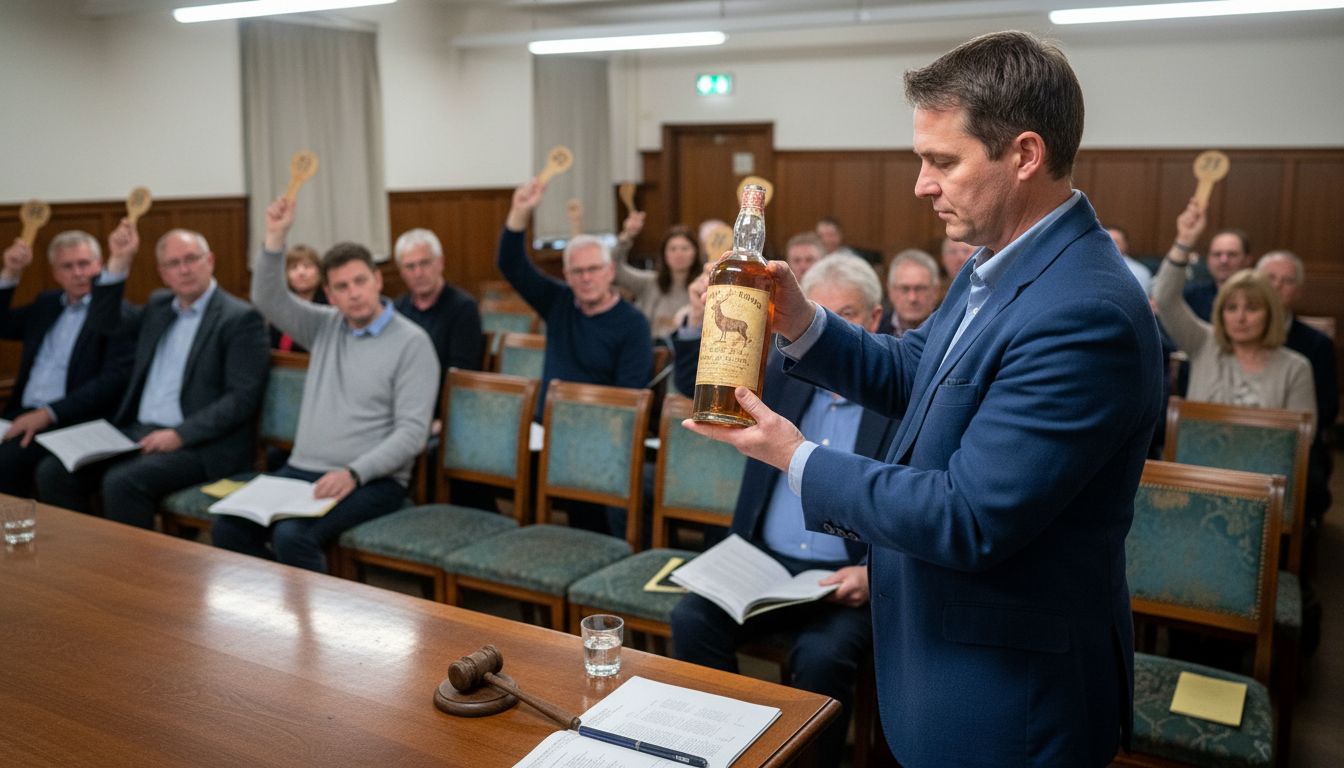
The reputation of the distillery plays a significant role in determining collectible status. Prestigious whisky societies recognize that certain producers consistently create bottles with exceptional potential for appreciation. Scottish distilleries like Macallan, Dalmore, and Glenfiddich have established remarkable track records for producing collectible releases. Emerging regions like Japanese and Australian craft distilleries are increasingly generating bottles that capture collectors’ imaginations, introducing innovative production techniques and unique flavour profiles that challenge traditional whisky expectations.
Beyond monetary value, collectible whiskies represent sophisticated cultural artifacts that tell complex stories of regional traditions, master craftsmanship, and evolving production techniques. The most prized bottles are not merely investments, but narrative vessels capturing specific moments in distilling history. Serious collectors approach their collections as carefully curated museums, where each bottle represents a unique expression of cultural heritage, technological innovation, and sensory artistry.
Financial, Social, and Personal Benefits of Collecting
Whisky collecting transcends simple hobby status, offering a multifaceted experience that combines financial potential, social connection, and profound personal satisfaction. Economic research on collecting practices reveals that strategic whisky investments can yield remarkable returns, with some rare bottles appreciating exponentially over time. Sophisticated collectors understand that their passion represents more than mere acquisition - it’s a nuanced blend of financial strategy, cultural appreciation, and personal fulfilment.
From a financial perspective, whisky collecting offers unique investment opportunities that distinguish it from traditional asset classes. Rare and limited edition bottles can appreciate significantly, with some vintage releases increasing in value by hundreds of percentage points over decades. Serious collectors develop intricate knowledge of market trends, tracking distillery reputations, production runs, and global demand. The most successful collectors approach their collections as dynamic investment portfolios, carefully curating selections that balance potential monetary appreciation with personal passion and historical significance.
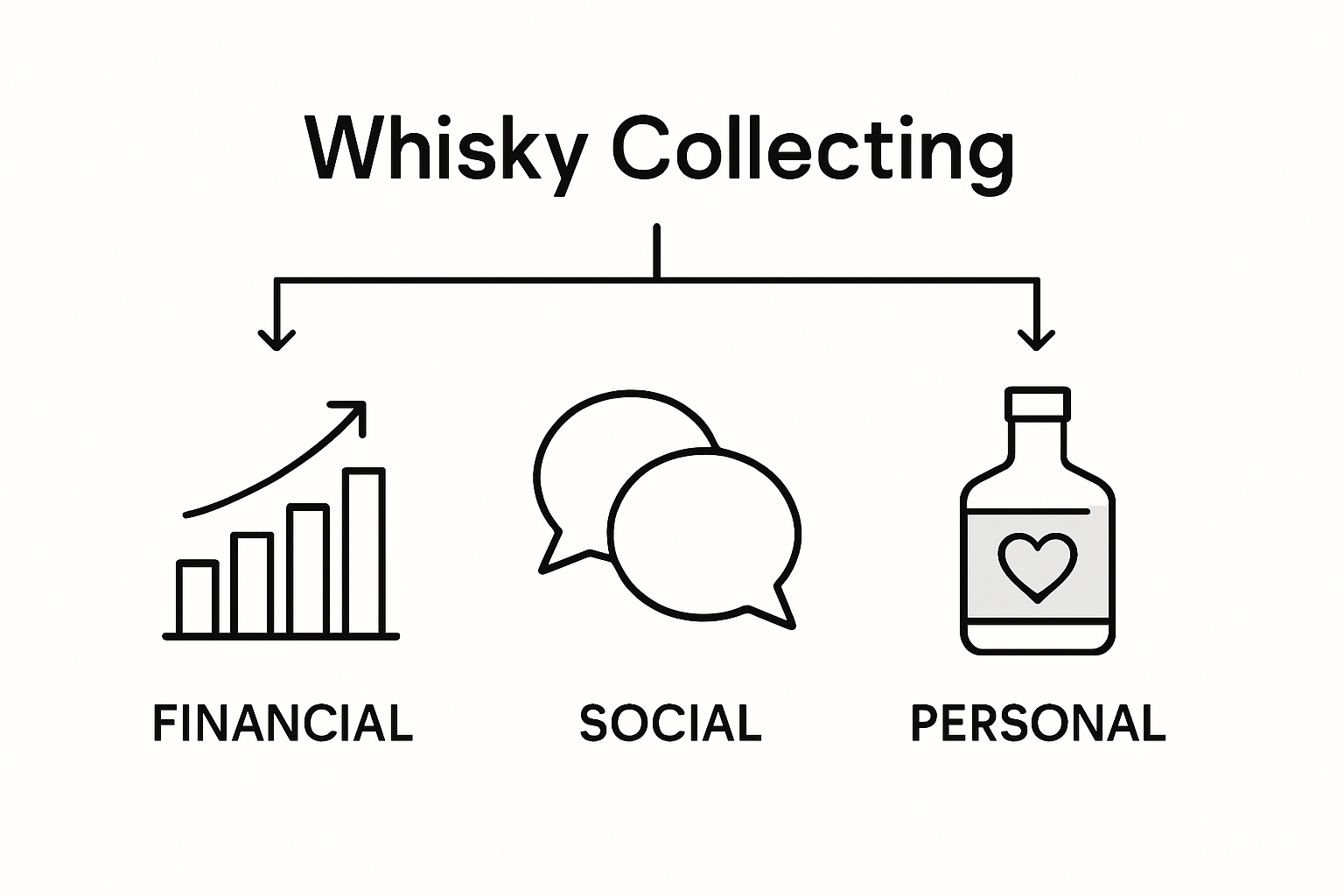
Beyond monetary value, whisky collecting creates profound social connections and personal enrichment. Enthusiasts build global networks, attending exclusive tastings, participating in collector forums, and sharing intricate knowledge about distillation techniques and regional traditions. These communities offer more than social interaction - they represent intellectual ecosystems where passionate individuals exchange expertise, discover rare bottles, and develop deep relationships founded on shared appreciation. The personal satisfaction derived from building a meaningful collection extends far beyond financial metrics, representing a form of cultural scholarship and sensory exploration.
Ultimately, whisky collecting embodies a sophisticated intersection of investment, cultural preservation, and personal passion. Collectors are not merely accumulators of bottles, but custodians of liquid history who understand that each carefully selected bottle represents a unique narrative of craftsmanship, regional identity, and human creativity. The most rewarding collections tell stories that transcend monetary value, capturing moments of extraordinary skill, innovation, and cultural expression.
Risks, Challenges, and Avoiding Common Pitfalls
Whisky collecting, while rewarding, presents a complex landscape of potential risks that require strategic navigation and deep understanding. Collector expertise demands more than passionate acquisition - it requires comprehensive knowledge of preservation, authentication, and market dynamics. Comprehensive conservation research highlights critical challenges that can dramatically impact a collection’s long-term value and integrity.
Preservation represents the most fundamental challenge for serious collectors. Environmental factors like temperature fluctuations, direct sunlight exposure, and humidity can irreversibly damage rare bottles. Collectors must invest in professional storage solutions, maintaining consistent temperatures between 15-20 degrees Celsius and avoiding areas with significant light or temperature variations. Proper positioning is crucial - bottles should be stored horizontally to keep corks moist and prevent oxidation, with minimal movement to maintain seal integrity. Authenticity verification becomes equally critical, as the whisky market experiences increasing instances of sophisticated counterfeiting.
Financial risks represent another significant consideration for whisky collectors. Market volatility can swiftly transform seemingly valuable collections into depreciated assets. Successful collectors develop nuanced strategies, diversifying their collections across different distilleries, regions, and production eras. They remain cautious about speculative purchasing, prioritising bottles with demonstrable provenance and verifiable historical significance. Careful documentation, including original packaging, certificates of authenticity, and detailed purchase records, becomes essential for protecting investment potential.
Ultimately, navigating the whisky collecting landscape requires a delicate balance of passion, expertise, and strategic thinking. The most sophisticated collectors approach their collections as living investments, continuously educating themselves about market trends, preservation techniques, and emerging distillery innovations. By maintaining a disciplined approach to acquisition, storage, and documentation, enthusiasts can transform potential risks into opportunities for building remarkable, value-generating collections that celebrate the rich cultural heritage of whisky production.
Elevate Your Whisky Collection with Uisuki
Understanding the true value of whisky collecting means appreciating the rich stories behind every bottle and the intricate art of curation. Whether you are navigating challenges like provenance verification or seeking rare limited editions, building a meaningful collection requires access to exceptional whiskies and expert guidance. At Uisuki, we specialise in connecting passionate collectors with prized selections from renowned distilleries around the world.
Start your journey by exploring our exclusive range of World Whiskies – Uisuki.com.au featuring rare and sought-after bottles from Scotland, Japan, Australia, and beyond.

Discover the perfect additions to your collection with confidence. Visit Uisuki now to access detailed product descriptions, expert recommendations, and secure shipping options. For single malt enthusiasts, our curated Glenfiddich – Uisuki.com.au collection offers iconic choices that combine heritage and rarity. Take the next step today and become a custodian of liquid history with Uisuki’s premium whisky selection.
Frequently Asked Questions
What is whisky collecting?
Whisky collecting is the practice of acquiring and preserving bottles of whisky as a form of cultural expression and investment. It encompasses an appreciation for the craftsmanship behind production and the historical significance of each bottle.
What factors determine a whisky’s collectibility and value?
A whisky’s collectibility and potential value are influenced by rarity, provenance, distillery reputation, and unique characteristics like limited edition releases or specific production techniques.
How can collectors preserve their whisky bottles properly?
Collectors should store whisky bottles in a controlled environment, maintaining consistent temperatures and avoiding exposure to direct sunlight and humidity. Bottles should be kept upright to prevent cork degradation.
Are there financial benefits to whisky collecting?
Yes, whisky collecting can offer financial benefits as rare bottles may appreciate significantly over time. Strategic collectors often treat their collections as investment portfolios, balancing potential monetary returns with personal passion.