

Most whisky fans are surprised to learn that over 60 percent of australian whisky drinkers still believe price always equals quality. This old belief overlooks how rich history, production skill, and local trends shape the world of whisky. From bottle prices to rare collector editions, understanding the real influences behind whisky value helps australian enthusiasts enjoy every drop with confidence and deeper appreciation.
Table of Contents
- Defining Whisky And Common Price Myths
- Major Whisky Types And Regional Differences
- The Age, Maturation, And Cask Impact
- Rarity, Collectability And Limited Editions
- Market Trends, Taxes, And Retail Markups
Key Takeaways
| Point | Details |
|---|---|
| Whisky Quality vs. Price | Higher prices do not always indicate better quality; age does not necessarily equate to superior taste. |
| Regional Variations | Different whisky types and regional preferences influence flavour and production methods significantly. |
| Impact of Maturation | The cask type and environmental factors play a crucial role in a whisky’s character and value appreciation. |
| Collectability Factors | Rare whiskies can serve as investments, with value influenced by production volume, packaging, and distillery reputation. |
Defining Whisky and Common Price Myths
Whisky isn’t just another alcoholic beverage; it’s a complex spirit with rich cultural heritage and nuanced production techniques. At its core, whisky represents a carefully crafted alcoholic drink distilled from fermented grain mash, typically involving barley, corn, rye, or wheat. The distillation process and ageing determine its distinctive flavour profile, making each bottle a unique expression of craftsmanship.
Contrary to popular belief, higher price doesn’t always guarantee superior quality. According to thewhiskyedition, many consumers mistakenly assume older whiskies are inherently better. In reality, distilleries often reserve their most exceptional casks for younger bottlings, while older releases might originate from less favourable casks. This challenges the widespread myth that age automatically equates to exceptional taste.
Pricing in the whisky world involves multiple complex factors beyond simple age. globalwhiskyprice reveals that whisky prices are influenced by diverse elements such as:
- Rarity: Limited production runs dramatically increase value
- Brand Reputation: Prestigious distilleries command higher prices
- Regional Taxation: Local government policies impact final pricing
- Supply Chain Costs: Production, transportation, and marketing expenses
Understanding these nuanced price factors helps whisky enthusiasts make more informed purchasing decisions, moving beyond simplistic age-based assumptions. The true value of a whisky lies in its craftsmanship, flavour complexity, and unique production story - not just its number of years in a barrel.
Major Whisky Types and Regional Differences
Whisky represents a diverse spirit with remarkable regional variations, each offering unique characteristics that reflect local traditions and production techniques. The primary whisky types include Scotch, Bourbon, Irish, Japanese, and Canadian whiskies, each distinguished by specific legal requirements and cultural brewing practices.
Regional preferences play a significant role in whisky production and consumption. According to ijarsct, consumer tastes can dramatically influence local whisky markets, with specific regions developing distinctive palate preferences. For instance, Scottish distilleries traditionally produce complex, peated whiskies with robust flavours, while Japanese producers focus on delicate, refined taste profiles.
Taxation and regulatory environments substantially impact whisky markets across different regions. en highlights how local government policies create significant variations in whisky pricing and availability. These factors contribute to unique regional market dynamics:
- Scotch Whisky: Strictly regulated, must be produced in Scotland
- Bourbon: Legally required to be produced in the United States
- Irish Whiskey: Typically triple-distilled for smoother character
- Japanese Whisky: Known for precision and elegant production methods
Understanding these regional nuances helps whisky enthusiasts appreciate the complex global landscape of this beloved spirit. To explore more about different whisky types, check out our guide on essential whisky types, which provides deeper insights into the world’s most celebrated whiskies.
The Age, Maturation, and Cask Impact
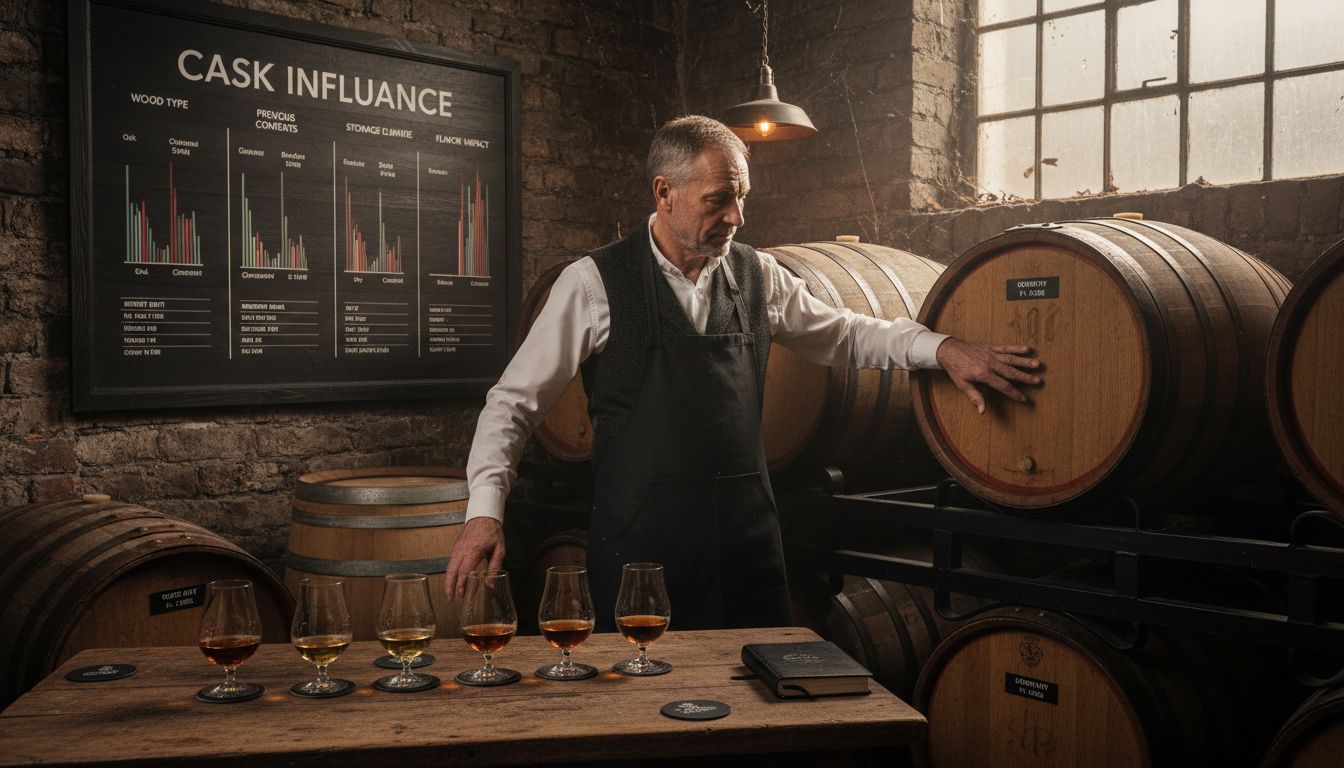
Whisky maturation represents a complex alchemical process where time, wood, and environmental conditions interact to transform raw spirit into a refined beverage. The wooden cask becomes more than a storage vessel - it’s an active participant in flavour development, imparting nuanced characteristics that define a whisky’s ultimate quality and character.
Research from ideas reveals a sophisticated relationship between age and pricing, demonstrating a non-linear pricing model for whiskies. Older whiskies don’t simply increase in value linearly; instead, they can command exponentially higher prices based on sophisticated maturation processes and perceived quality. The cask itself plays a critical role, with different wood types and previous contents dramatically influencing the final flavour profile.
Cask selection and maturation represent a delicate art form in whisky production. According to cn, cask aging contributes significantly to whisky value appreciation. Key factors influencing maturation include:
- Wood Type: Oak remains the primary wood, with variations like sherry, bourbon, or wine casks
- Cask History: Previous contents can impart unique flavour notes
- Storage Environment: Temperature and humidity impact maturation speed
- Microclimate: Warehouse location affects whisky development
For whisky enthusiasts seeking deeper insights into the intricate world of whisky aging, our guide on why whisky is aged provides a comprehensive exploration of this fascinating process. Understanding these nuanced maturation dynamics helps appreciate why some whiskies command premium prices while others remain more modestly valued.
Rarity, Collectability and Limited Editions
Whisky collecting represents a sophisticated pursuit that transcends simple beverage appreciation, transforming rare bottles into tangible investments and cultural artefacts. The world of collectible whiskies is driven by complex dynamics of scarcity, historical significance, and cultural cachet that elevate certain releases far beyond their liquid contents.
According to scotlandwhisky, the investment potential of rare whiskies hinges on multiple critical factors. Distillery reputation stands paramount, with collectors seeking releases from renowned producers that have cultivated exceptional brand narratives. The condition of packaging becomes equally crucial, as pristine original containers can dramatically enhance a whisky’s collector value.
Key characteristics that define a whisky’s collectability include:
- Production Volume: Extremely limited release numbers
- Packaging Integrity: Original, unblemished packaging
- Historical Significance: Special commemorative editions
- Distillery Reputation: Releases from prestigious or cult producers
- Unique Maturation: Unusual cask finishes or experimental processes
While some collectors view rare whiskies purely as financial investments, true enthusiasts understand that these bottles represent liquid history. Each limited edition tells a story of craftsmanship, tradition, and momentary artistic expression in the world of spirits.
Market Trends, Taxes, and Retail Markups
The whisky market represents a complex ecosystem where pricing is influenced by intricate interactions between production costs, governmental regulations, and consumer demand. Retail pricing extends far beyond simple production expenses, encompassing multiple layers of economic considerations that ultimately determine a bottle’s final cost to consumers.
Legislative frameworks can dramatically impact whisky pricing and availability. en highlights how targeted alcohol policies, such as minimum pricing regulations, can create significant market shifts. These interventions aim to address broader social objectives while simultaneously reshaping economic landscapes for spirit producers and retailers.
Key factors influencing whisky market dynamics include:
- Taxation Levels: Government excise duties and alcohol-specific taxes
- Import/Export Regulations: Customs charges and international trade policies
- Retail Markup Percentages: Profit margins added by distributors and shops
- Production Complexity: Cost of ingredients, processing, and ageing
- Market Demand: Consumer preferences and purchasing trends
Understanding these interconnected elements helps whisky enthusiasts appreciate the complex journey from distillery to retail shelf. Pricing isn’t just about the liquid in the bottle - it’s a nuanced reflection of cultural, economic, and regulatory landscapes that shape the global spirits marketplace.
Discover Whisky Pricing Like a Pro and Find Your Perfect Bottle Today
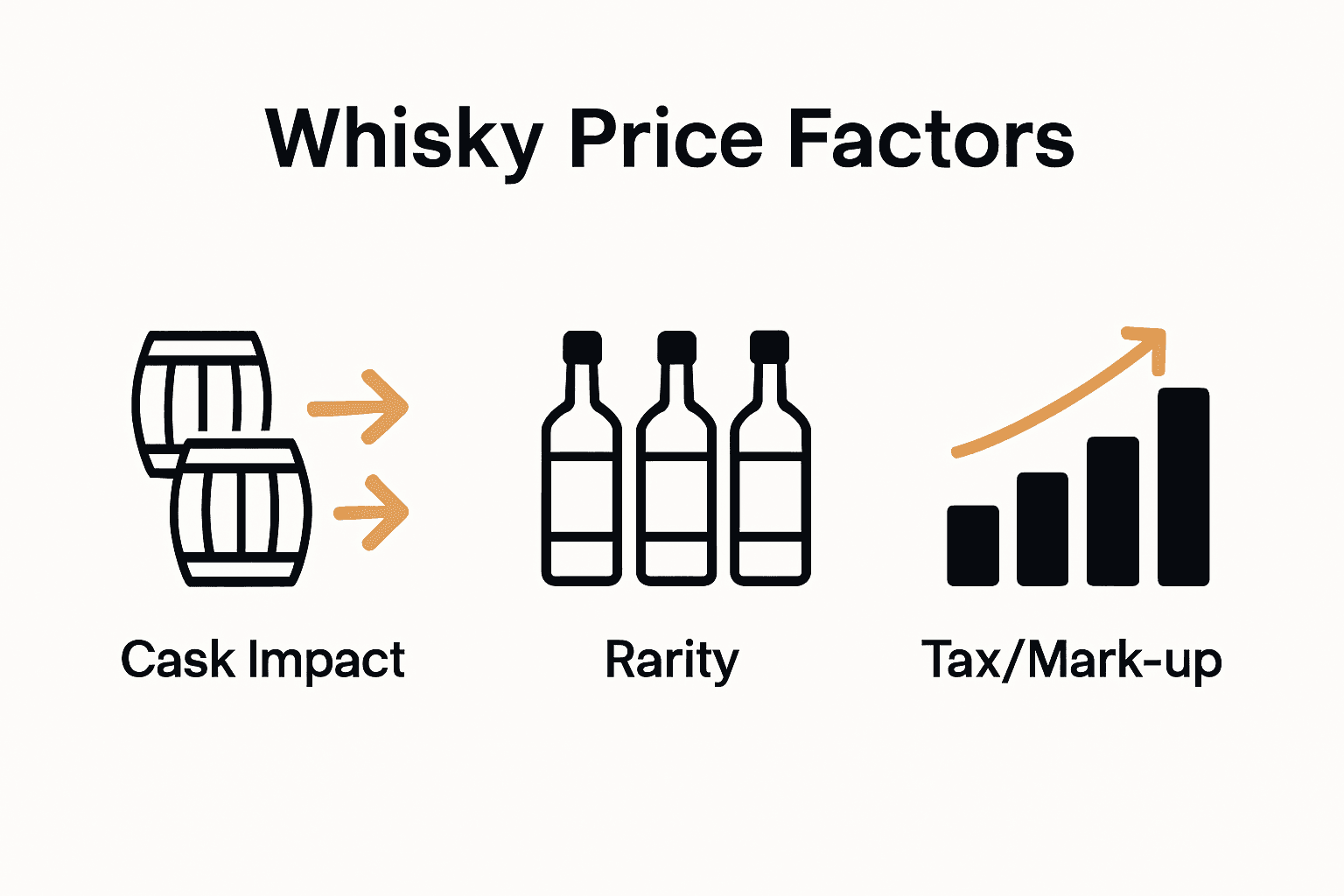
Navigating whisky prices can feel overwhelming with so many factors like rarity, age, cask impact and taxation influencing cost. If you want to truly understand the value behind each bottle and find whiskies that suit your taste and budget, start by exploring our curated collection of Older Bottling’s – Uisuki.com.au. These selections demonstrate the complexity behind maturation and rarity that the article highlights, helping you appreciate what makes a whisky special beyond just its price tag.

Ready to put your whisky knowledge into action and secure rare or premium bottles with detailed descriptions and expert guidance? Visit Uisuki.com.au today to explore our handpicked range including the iconic Glenfiddich – Uisuki.com.au and the distinctive flavours of Scotch Whisky (all) - Glenglassaugh – Uisuki.com.au. Take advantage of our seamless international shipping and secure payment options. Don’t miss out on finding your next prized whisky while stocks last.
Frequently Asked Questions
How does age affect whisky pricing?
Age can influence whisky pricing, but it doesn’t guarantee better quality. Older whiskies can be more expensive, but their value depends on the quality of the cask they were aged in, not just their age.
What factors determine the price of whisky aside from age?
Whisky prices are influenced by rarity, brand reputation, production costs, regional taxation, and supply chain expenses. Each of these elements contributes to the final retail price.
Why do some whiskies become collectible?
Whiskies become collectible due to factors such as limited production runs, pristine packaging, historical significance, and the reputation of the distillery. Collectors seek out unique bottles that tell a story and hold cultural value.
How do casks impact whisky flavour and value?
The type of wood, previous contents, and storage conditions of the casks significantly influence a whisky’s flavour profile and maturation process. Special cask types can enhance the complexity and value of the final product.