

Over 90 percent of the flavour in whisky comes from the careful interplay between malt and production technique, yet few australian whisky fans realise how much influence malt truly holds. The choice of malted grain sets the stage for every bottle, determining not only the base character but also how nuanced or bold the final spirit will taste. Understanding malt’s role unveils why certain regions and distilleries, including those in australia, achieve such remarkable variety in their whiskies.
Table of Contents
- Defining Malt and Its Importance in Whisky
- Types of Malt Used in Whisky Production
- How Malting Influences Whisky Flavour Profile
- Production Stages Affecting Malt Influence
- Comparing Malt-Driven Flavours Across Regions
Key Takeaways
| Point | Details |
|---|---|
| Importance of Malt | Malt is a crucial ingredient that transforms grains into whisky through germination and enzymatic processes. Its role is fundamental, as it provides the fermentable sugars necessary for alcohol production. |
| Varieties of Malt | Different types of malted barley, such as base and speciality malts, greatly influence the flavour profiles of whiskies, each contributing unique characteristics. |
| Malting Process Impact | The malting process, including temperature and duration of kilning, significantly affects the whisky’s flavour, with variations resulting in distinct sensory experiences. |
| Regional Differences | Whisky flavour diversity is shaped by regional malting techniques, with local traditions and environmental factors creating unique flavour signatures. |
Defining Malt and Its Importance in Whisky
Malt represents the foundational ingredient that transforms simple grains into the complex, flavourful spirit we know as whisky. At its core, malt is a cereal grain that has undergone a precise biological transformation through germination. Malting processes involve soaking grains in water to trigger sprouting, then carefully interrupting this growth by drying the grains with hot air.
The magic of malt lies in its enzymatic potential. When barley is allowed to germinate, it develops critical enzymes that break down complex starches into fermentable sugars. These sugars become the fundamental building blocks for whisky production, enabling the fermentation process that ultimately creates alcohol. Without malt, whisky would simply not exist - it is the biochemical catalyst that transforms humble grains into a rich, nuanced spirit.
In whisky production, malted barley plays a particularly significant role. Distillers carefully select specific types of barley and manage the malting process to influence the final flavour profile. The length of germination, drying temperature, and even the type of fuel used can impart subtle characteristics that distinguish one whisky from another. By understanding how single malts are crafted, enthusiasts can appreciate the intricate science and artistry behind every dram.
Types of Malt Used in Whisky Production
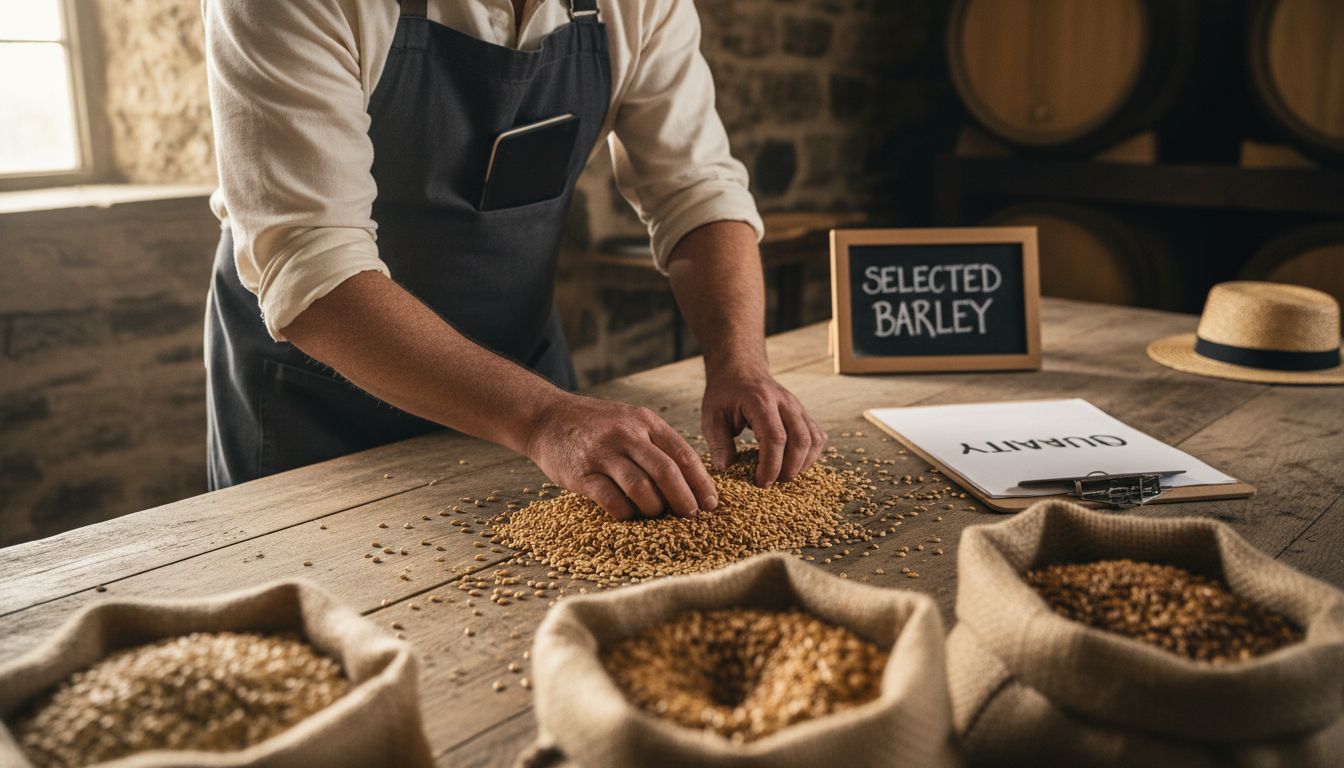
Barley remains the most prevalent grain used in whisky production, with different whisky types exploring unique malting variations. While various cereals can be malted, barley offers the most consistent and flavourful results for distillers worldwide.
Whisky production typically relies on several distinct types of malted barley, each contributing unique characteristics to the final spirit. Base malts form the primary foundation, providing the essential fermentable sugars and foundational flavour profile. Pale malt represents the most common base malt, characterised by its light colour and mild flavour, which allows other nuanced elements to shine through.
Beyond pale malt, speciality malts introduce remarkable depth and complexity. Peated malt stands out as a distinctive variety, where malted barley is dried over peat fires, imparting an intense, smoky character beloved in Scottish whiskies. Crystal malts bring caramel and toffee notes, while roasted malts contribute deeper, more robust flavour profiles reminiscent of chocolate and coffee. These speciality malts enable distillers to craft whiskies with extraordinary sensory experiences, transforming simple grains into liquid artistry.
How Malting Influences Whisky Flavour Profile
The malting process is a critical alchemical transformation that fundamentally shapes whisky’s sensory experience. Historical whisky styles reveal how temperature and processing techniques dramatically influence the final spirit’s character. When malted grains are exposed to varying heat levels, complex chemical reactions occur that create nuanced flavour compounds.
Temperature plays a pivotal role in flavour development. Kilning temperatures range from subtle to intense, with light kilning at 65-70°C producing delicate aromas, while higher temperatures between 75-230°C trigger profound Maillard and caramelisation reactions. These chemical transformations generate remarkable depth, introducing notes of caramel, coffee, chocolate, and toasted grains that distinguish different whisky styles.
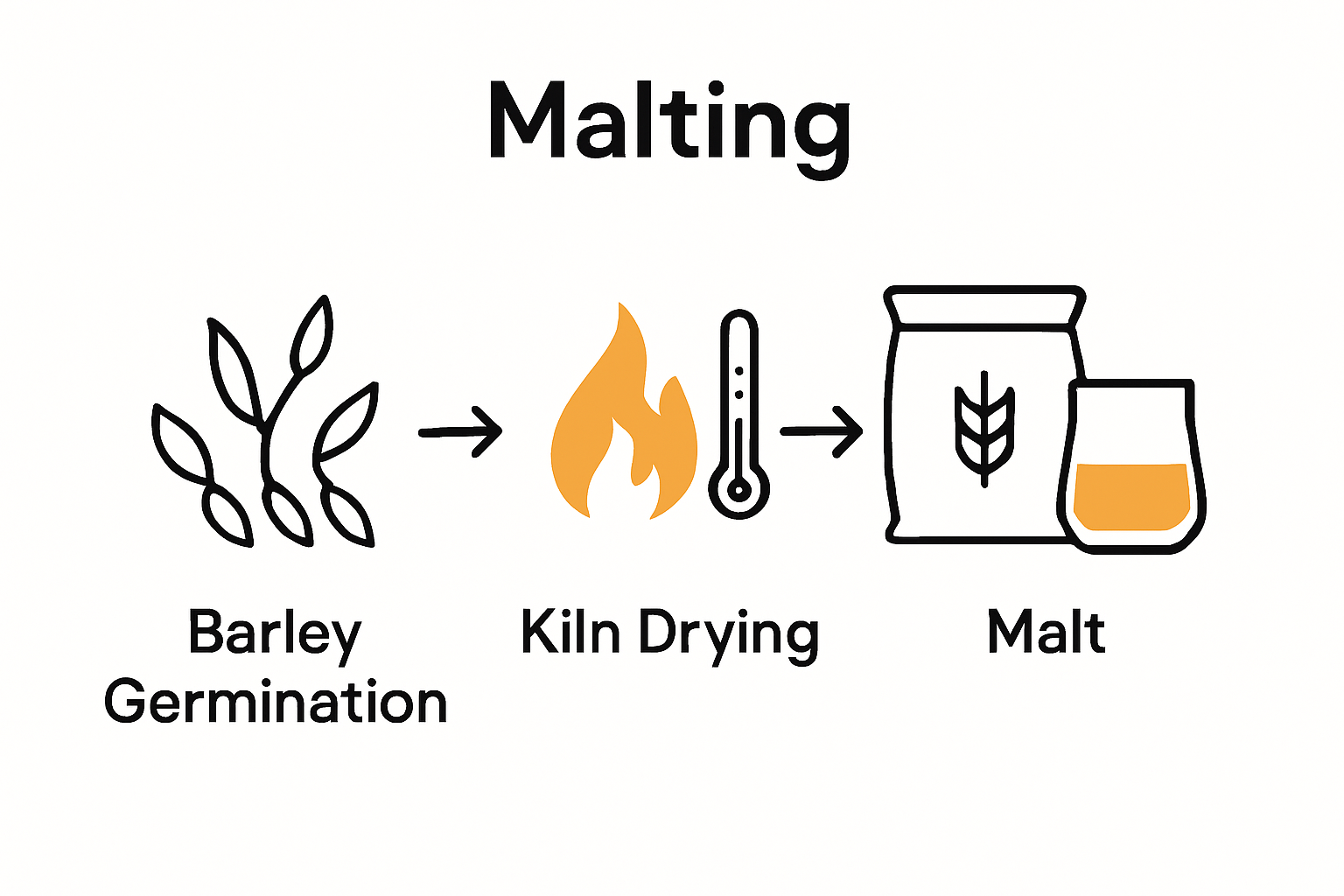
The duration and intensity of heat application determine the malt’s flavour contribution. Lightly kilned malts offer gentle, understated characteristics, allowing the whisky’s underlying grain and barrel influences to shine. Conversely, specialty malts processed at higher temperatures create bold, robust flavour profiles with pronounced aromatic complexity. This intricate process transforms simple grains into a sophisticated sensory experience, demonstrating how precise malting techniques are the true artistry behind exceptional whisky.
Production Stages Affecting Malt Influence
The journey of malt from grain to whisky involves a meticulously choreographed series of production stages, each critically influencing the final spirit’s character. Traditional malt houses have evolved from rustic buildings to sophisticated production facilities, but the core principles of malting remain unchanged - transforming raw grains into flavour-rich precursors of whisky.
The initial stages of production begin with steeping, where grains are submerged in water to trigger germination. This process awakens dormant enzymes that will later convert starches into fermentable sugars. As the grains sprout, they develop critical compounds that become the liquid wort, a sugary solution containing maltose, maltotriose, and essential amino acids that provide fundamental building blocks for fermentation.
Subsequent stages of kilning and roasting represent the most nuanced phases of malt production. The duration, temperature, and technique of drying dramatically alter the malt’s flavour profile. Light kilning produces subtle, delicate characteristics, while more intense roasting generates complex caramel, coffee, and toasted grain notes. Distillers carefully manipulate these variables, treating malt production as both a scientific process and an art form, ensuring each batch of whisky carries a unique sensory signature.
Comparing Malt-Driven Flavours Across Regions
Whisky’s regional diversity is profoundly expressed through distinctive malting techniques that create unique flavour signatures. Single malt whisky traditions showcase how individual distilleries develop characteristic profiles by manipulating malting processes, reflecting both local ingredients and cultural brewing heritage.
Irish whiskey stands out with its distinctive approach to malt preparation. Single pot still whiskeys incorporate a remarkable blend of malted and unmalted barley, generating a distinctive ‘spicier bristle’ and remarkably thick texture that differentiates them from traditional malt whiskies. This nuanced technique introduces complex flavour dimensions that set Irish spirits apart from their international counterparts.
Scottish and Japanese distilleries further demonstrate regional variation through specialized malting techniques. Scottish producers are renowned for peated malts that impart intense smoky characteristics, while Japanese distilleries often focus on precision and subtle flavour refinement. Each region’s unique environmental conditions, from water composition to local grain varieties, contribute to creating malt profiles that are not just beverages, but liquid representations of cultural terroir and generations of distilling expertise.
Unlock the Secrets of Malt Flavour with Premium Whiskies from Uisuki
Understanding the vital role malt plays in shaping whisky’s flavour unlocks a deeper appreciation for every dram you enjoy. If you are captivated by the nuances of peated malts, kilning temperatures, and regional malting styles revealed in the “Role of Malt in Whisky Flavour” guide then exploring expertly selected whiskies allows you to experience these intricate flavours first-hand. Whether your passion lies in smoky Scotch or refined Japanese single malts mastering malt complexity is just a step away.

Discover a curated range at Scotch Whisky (all) – Uisuki.com.au where traditional malting artistry meets outstanding craftsmanship. Expand your collection with world-renowned expressions at World Whiskies – Uisuki.com.au or explore signature malts from The Balvenie – Uisuki.com.au. Visit https://uisuki.com.au now to find rare bottles that showcase malting mastery and secure your next whisky adventure. Experience complexity, depth and heritage delivered straight to your door with free shipping thresholds and expert service waiting to support your journey.
Frequently Asked Questions
What is malt and why is it important in whisky production?
Malt is a cereal grain, primarily barley, that undergoes germination and drying, transforming simple grains into fermentable sugars critical for whisky production. It acts as the catalyst for fermentation, ultimately creating alcohol.
How does the malting process affect the flavour of whisky?
The malting process influences whisky flavour by controlling the temperatures and duration during kilning. Higher temperatures can create bold flavours like coffee or chocolate, while lower temperatures yield subtler, delicate notes, all contributing to the whisky’s final profile.
What are the different types of malt used in whisky?
The main types of malt used in whisky include base malts like pale malt, which serve as the foundation, and speciality malts such as peated malt, crystal malt, and roasted malts, each adding unique characteristics and complexity to the whisky.
How do regional differences impact malt-driven flavours in whisky?
Regional differences in malt preparation lead to unique flavour profiles. For example, some distilleries use peated malts for a smoky character, while others may focus on precision and subtlety, influenced by local ingredients and traditions.