

This page organises malt whiskies from around the world by type and producing region, with an A–Z index for quick lookups. It is built for research and collecting, not for ranking one bottle above another.
- Jump to definitions if you need to confirm what “single malt” or “blended malt” actually means
- Jump to the region-by-region section for flavour signatures from Scotland, Japan, Ireland, the USA, Australia, India and Canada
- Jump to the A–Z appendix if you already know a distillery name and want to cross-reference it
TL;DR:
- Most regions outside Scotland produce faster-maturing malts, often tasting older than their age due to warmer climates accelerating flavor development.
- The type of whisky (single malt, blended malt, or single cask) reveals production details, but does not necessarily indicate quality or flavor profile.
- Region significantly influences flavor, with Speyside offering fruity and sherry notes, Islay providing smoky peat, and Japan favoring balanced blending.
- An A–Z distillery index verifies current operation status, spelling, and ownership, which are crucial for assessing rarity and resale value.
- Curated sources list detailed tasting notes and provenance, with options to request rare or discontinued bottles directly for serious collectors.
Table of Contents
- How this list of malt whiskeys is organised
- What “malt,” “single malt” and “single cask” actually mean
- Malt whisky by region: what to expect and what to collect
- Getting the most out of an A–Z distillery index
- Where to find curated single malt and blended malt selections
- An honest note on building a malt whisky collection
- Sourcing the bottles you’ve found on this list
- Key Takeaways
- Sources
How this list of malt whiskeys is organised
Every entry here qualifies under one of three categories: single malt, blended malt, or single cask. A whisky earns a spot only if it is made from malted barley at an identifiable distillery, with production details that can be verified against a label or a distillery record.
Type-first grouping helps when you are comparing styles. Region-first grouping helps when you are chasing a flavour profile or building a shelf around a particular climate or tradition. Both matter, so this list leans on both.
- Start with type if you already know whether you want single malt, blended malt, or a single cask bottling.
- Switch to region if you are chasing a flavour signature, such as Islay peat or Speyside sherry sweetness.
- Use the A–Z appendix once you have a specific distillery or brand name to check.
Reading the bottle itself tells you more than most shelf talkers. ABV (alcohol by volume) tells you strength, an age statement tells you the youngest whisky in the blend, “single cask” tells you it came from one barrel rather than a vatting of many, and a cask finish note tells you what the spirit sat in last.
Pro Tip: Photograph the back label before you open a rare bottle. Age statements, cask numbers and bottling dates fade from memory fast, and that detail matters if you ever resell or insure the bottle.
What “malt,” “single malt” and “single cask” actually mean
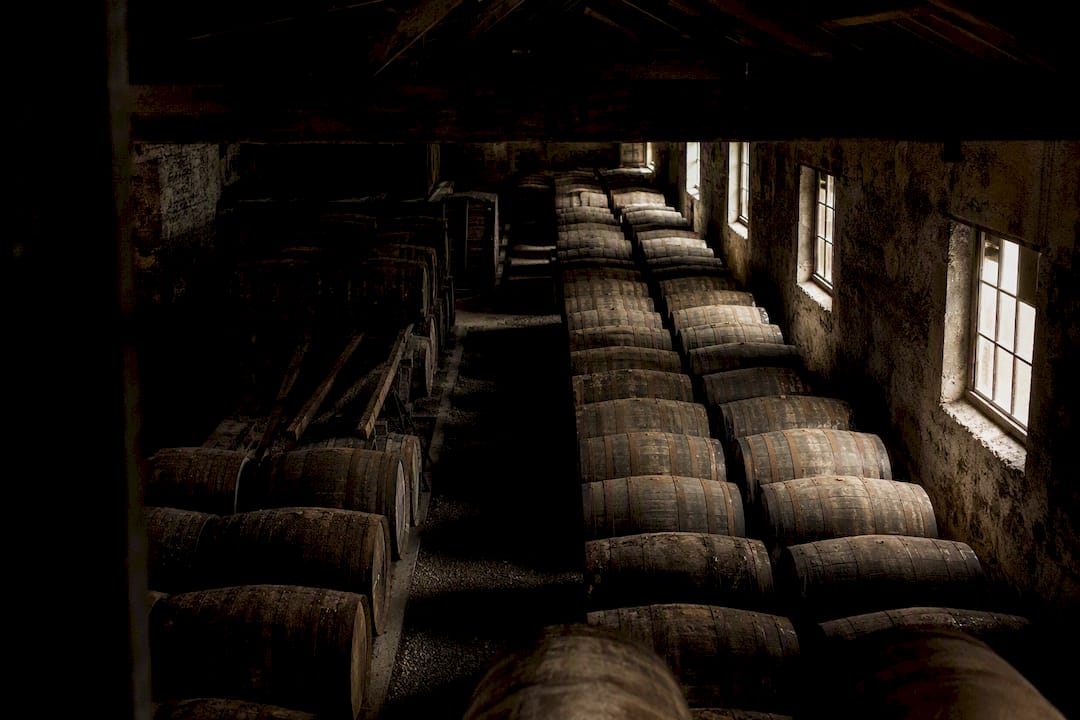
Malt whisky is made from a fermented mash of malted barley, distilled in a pot still rather than the continuous column stills used for grain whisky. That single ingredient rule is what separates malt from grain or blended Scotch, which can include other cereals.
Three terms get confused constantly:
- Single malt means the whisky came from one distillery, not that it came from one cask or one year of production. A bottle can still blend dozens of casks and still be “single.”
- Blended malt means single malts from two or more distilleries have been combined, with no grain whisky in the mix.
- Single cask means the whisky was bottled from one specific barrel, often unfiltered and at a higher strength, which is why single cask releases vary noticeably bottle to bottle.
Scotch and Irish regulations both set a minimum maturation period, commonly three years in oak, before a spirit can legally call itself whisky. The United States has no equivalent age floor for its emerging single malt category, which is one reason young American malts can taste markedly different from a Speyside of the same age. As TastingTable explains, “single” always refers to the distillery of origin, never to a count of casks or years, and mixing that up is the single most common mistake new collectors make when reading a label.
Malt whisky by region: what to expect and what to collect
Scotland still anchors most collections, and its five recognised regions produce genuinely different spirits from the same base ingredients.
- Speyside distilleries lean fruity and often sherry-influenced, with a lighter touch on peat.
- Highlands whiskies range widely, from heathery and light to full-bodied and spicy, since the region covers the most geographic ground.
- Islay is the peat stronghold, producing smoky, maritime malts that either convert drinkers for life or put them off peat entirely.
- Campbeltown once had dozens of distilleries and now has a handful, known for a briny, slightly oily character.
- Lowlands malts trend gentle and grassy, often triple-distilled for extra smoothness.
Japan built its reputation on precision blending and meticulous cask management, favouring balance over the boldness that defines Islay. Ireland’s tradition centres on smoother, often triple-distilled spirits, though its single malt category has grown substantially in the past decade as distilleries move away from blend-only production.
The United States has a genuine single malt movement now, with distillers experimenting with cask types that Scotch producers rarely touch, including ex-bourbon and virgin oak combinations. Australia, India and Canada represent the newest chapters. Warmer climates in India and parts of the US and Australia accelerate maturation and concentrate flavour faster than Scotland’s cooler cellars, so a five-year-old Indian malt can taste closer to a much older Scotch. That climate effect is part of why the 2026 World Whiskies Awards recognised standout single malts from India, Canada and the US alongside the traditional Scotch and Japanese winners.
A whisky labelled “cask strength” has had no water added after maturation, so its ABV can sit well above the standard 40 to 46 percent range you see on most shelf bottles. That single label cue tells a collector more about intensity and rarity than almost anything else on the bottle.
For a deeper look at how these regional styles diverge, see this rundown of top whisky regions worth exploring.
Getting the most out of an A–Z distillery index
An alphabetical index earns its place once you already know a name and just need to confirm details fast. It is the fastest way to check whether a distillery is still operating, whether an expression has been discontinued, or how a name is actually spelled.
- Use the A–Z to verify spelling and current production status before you buy, since “closed distillery” bottles carry very different value.
- Cross-reference each A–Z entry against the region and type lists here to understand where it fits stylistically.
- Track provenance notes such as distillery closure dates or ownership changes, since these often affect rarity and resale value more than age alone.
Scotchmaltwhisky is a useful working model for this format, and broader brand indexes like Wikipedia’s list of whisky brands fill in gaps when you are chasing an obscure name.
Where to find curated single malt and blended malt selections
Com curates categories built around exactly this type-and-region logic, so browsing feels like an extension of the lists above rather than a separate exercise.
- Product pages list ABV, tasting notes, and provenance details for each bottle, which matters far more for collecting decisions than star ratings alone.
- Educational articles cover the distinctions in more depth, including this piece on blended versus single malt Scotch and this guide to single malt characteristics and regulations.
- Customer reviews on individual listings give a second data point beyond critic scores.
- Browse by category first if you already know whether you want single malt, blended malt, or single cask.
- Read the product-level tasting notes and provenance details before adding a rare bottle to a collection.
- Submit a sourcing request if the bottle you have identified from this list isn’t currently listed, since Com fields custom requests for hard-to-find expressions.
An honest note on building a malt whisky collection
Taste should outrank hype every time you choose a bottle, and provenance should outrank both when you’re paying a premium for something rare. A cask strength Islay that thrills you is worth more to your shelf than a “top rated” bottle you don’t actually enjoy drinking.
Store bottles upright, away from light and heat, and keep whatever paperwork or receipts came with a rare purchase. Provenance documentation is often the difference between a bottle holding its value and one that doesn’t.
— Brendan
Sourcing the bottles you’ve found on this list
Once you know the type, region, and even the specific distillery you’re after, the next step is finding a bottle you can trust. Com’s curated categories mirror the same type-and-region structure used throughout this page, so a search for a Speyside single malt or an Islay single cask leads straight to verified listings with ABV, tasting notes and provenance already documented.
Rare and discontinued expressions don’t always sit on a shelf waiting to be found, which is why Com takes sourcing requests directly from collectors chasing something specific. Shipping runs locally and internationally, and every listing carries customer reviews alongside the technical detail serious collectors actually want. If you’ve spotted a distillery or style on this page that you’d like in your own collection, browse the single malt category or submit a sourcing request to start tracking it down.
Key Takeaways
Malt whisky quality depends on distillery craft and cask management, not on the single-versus-blended label, and region shapes flavour more reliably than age or price.
| Point | Details |
|---|---|
| Type defines the legal category | Single malt means one distillery; blended malt means multiple single malts combined; single cask means one barrel only. |
| Region predicts flavour better than price | Speyside, Islay, Japan and the emerging US and Indian scenes each produce distinct, identifiable profiles. |
| Climate changes maturation speed | Warmer climates in India, parts of the US and Australia concentrate flavour faster than Scotland’s cooler cellars. |
| A–Z indexes suit lookups, not discovery | Use an alphabetical index once you have a name; use region and type groupings to explore new styles. |
| Com supports research and sourcing | Curated categories list ABV, tasting notes and provenance, with sourcing requests available for rare or discontinued bottles. |
Sources
- Malt whisky — Wikipedia
- Best single malts in the world — The Whiskey Wash
- Malt vs single malt whiskey — TastingTable
- Scotchmaltwhisky