

Highland Scotch is Scotch whisky produced inside the legally protected Highland locality under the Scotch Whisky Regulations 2009, and it covers a wider flavour range than any other Scottish region. You will find everything from delicate, citrus-led malts in the south to rich, sherried expressions in the east and briny, lightly peated drams along the coast. If you are buying in Australia and want a starting point, Glenmorangie 10 Year Old is the easiest entry, while GlenDronach 12 Year Old is the go-to for sherry depth.
Pro Tip: When a bottle says “Highland Single Malt,” that tells you where it was distilled, not what it will taste like. Always check the distillery name and cask type on the label before buying.
Table of Contents
- What the Highland region covers and why the label matters
- How sub-regions help you predict Highland flavour
- How cask choice shapes Highland Scotch flavours
- How Highland Scotch differs from Speyside, Islay and the Lowlands
- Notable Highland single malts available in Australia
- Buying Highland Scotch in Australia: what to expect
- Why Highland styles became so diverse: a brief history
- How to taste and serve Highland Scotch
- Key takeaways
- The Highlands reward the curious buyer
- Find Highland Scotch at Uisuki
- Useful sources and further reading
What the Highland region covers and why the label matters
The Highland locality is one of five protected Scottish regions established under the Scotch Whisky Regulations 2009. The boundary runs roughly from Dundee in the east to Greenock in the west, taking in everything north of that line on the Scottish mainland. Crucially, several islands around Scotland are also included in the Highland designation, with the notable exception of Islay, which has its own protected status. Some north-east lowland areas sit inside the boundary too, which occasionally surprises buyers expecting a clean geographic split.
The practical effect for anyone shopping for Highland Scotch: the regional label guarantees place of distillation, not a consistent house style. A bottle from Oban on the west coast and one from Glen Garioch in Aberdeenshire are both legally Highland, yet they taste nothing alike. Always check the distillery name alongside the regional label.
- The Highland locality is defined by UK statute, not by industry convention.
- Islands (excluding Islay) fall within the Highland designation.
- Speyside sits geographically inside the Highlands but is its own separate protected region.
- The label “Highland Single Malt” confirms single-distillery production within the locality.
How sub-regions help you predict Highland flavour
Practitioners divide the Highlands into four informal sub-regions to make flavour predictions more useful. These groupings are not legally defined, but every serious retailer and enthusiast guide uses them because they work.
Northern Highlands tend toward complexity and spice, often with a dry, heathery finish. Clynelish (Brora) and Balblair are the anchors here. Clynelish in particular produces a waxy, coastal character that sits apart from most other Highland styles.
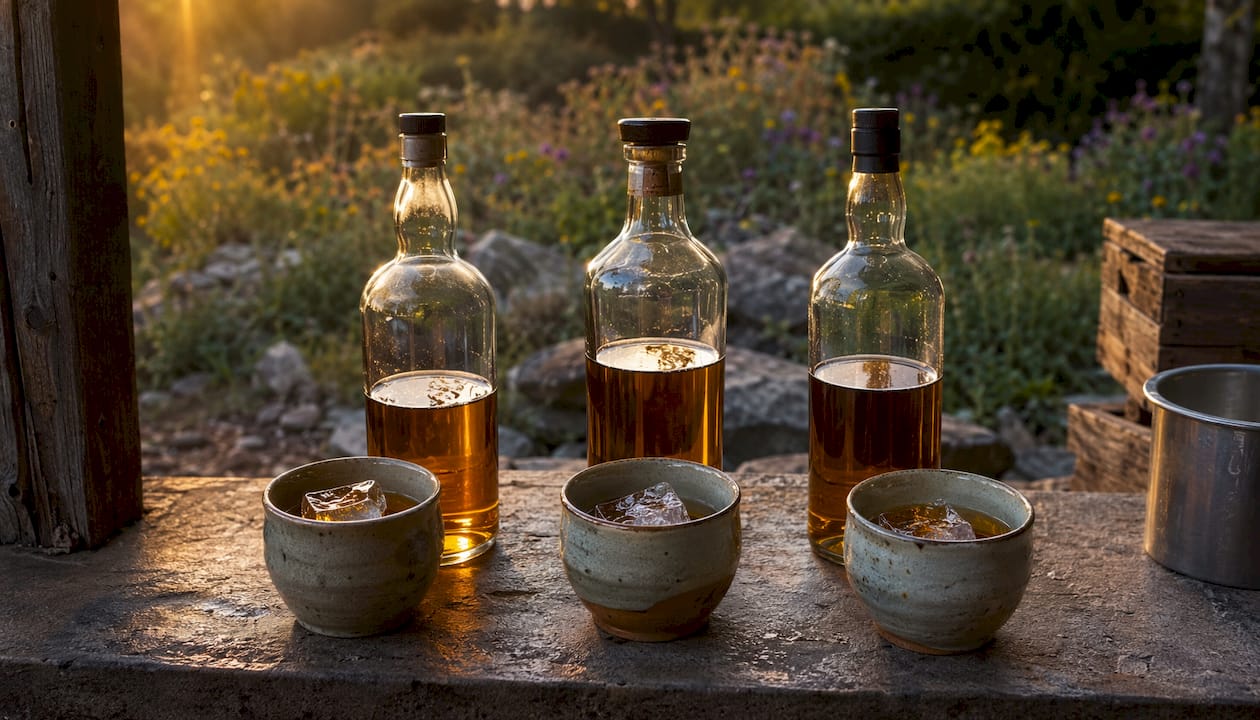
Southern Highlands lean lighter and fruitier, with a gentler mouthfeel. Deanston and Edradour sit in this zone. Edradour is one of Scotland’s smallest distilleries and produces a rich, creamy malt that punches well above its modest output.
Eastern Highlands tend to be fuller-bodied and drier, with a malty backbone. Glen Garioch (pronounced “Glen Geery”) is the classic eastern example, producing earthy, spiced malts that have become more expressive since the distillery reintroduced a degree of peat.
Coastal and Western Highlands bring brine, sea air and sometimes light smoke. Oban is the most recognisable name here, and its aged expressions are some of the best introductions to the coastal Highland style anywhere in the world.
Pro Tip: If you are new to Highland Scotch, start with one distillery from each sub-region before buying a mixed case. The contrast between a Clynelish and a Deanston alone will tell you more about the region than any tasting note.
How cask choice shapes Highland Scotch flavours
The broad flavour spectrum in Highland whisky runs from light and citrusy through honey and heather to rich sherry and coastal peat. Cask type is the single biggest variable that determines where on that spectrum a given bottle lands.
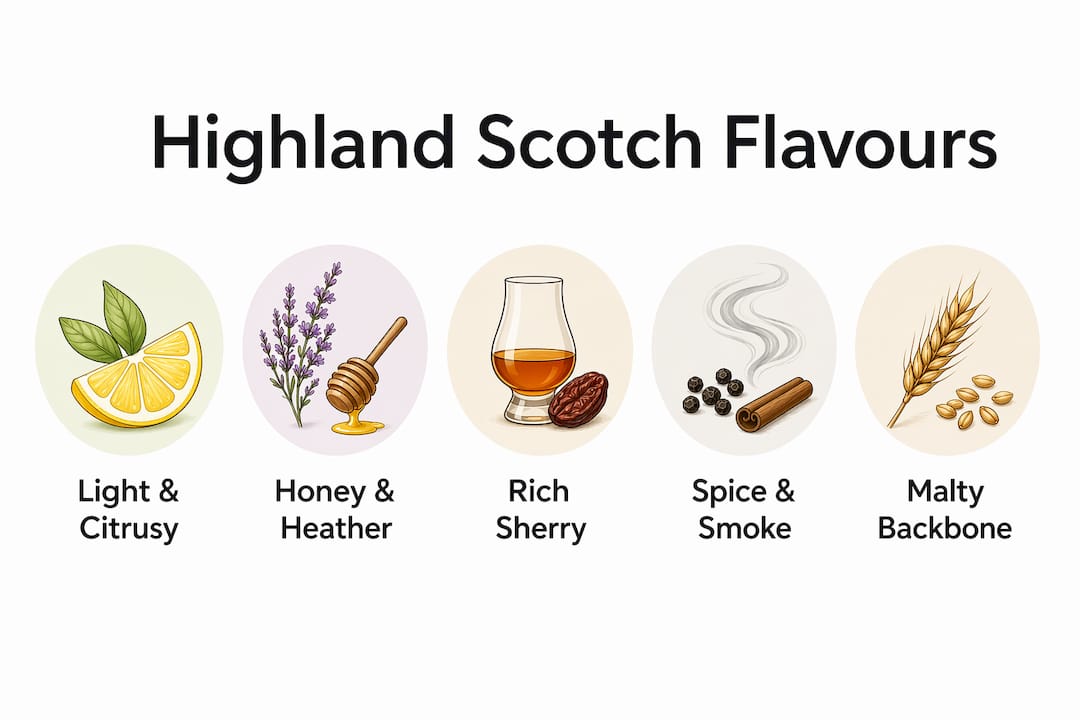
Ex-bourbon barrels, the most common vessel in the Highlands, contribute vanilla, coconut and fresh citrus. Glenmorangie built its reputation almost entirely on first-fill ex-bourbon wood, and the result is a pale, floral malt with a clean, sweet finish. Ex-sherry casks shift the profile dramatically toward dried fruit, Christmas cake and warming spice. GlenDronach and Dalmore both lean heavily on sherry wood, and both produce some of the darkest, most richly flavoured Highland malts available.
Wine and port cask finishes add red fruit, tannin and a silkier texture. Balblair uses a combination of ex-bourbon and ex-sherry with occasional wine-cask finishes, which gives its vintage-dated releases a layered complexity that rewards slow sipping. Virgin oak is rare in the Highlands but adds intense vanilla and baking spice when used.
| Cask type | Typical flavour contribution | Highland example |
|---|---|---|
| Ex-bourbon | Vanilla, citrus, coconut | Glenmorangie Original 10 Year Old |
| Ex-sherry (Oloroso) | Dried fruit, spice, chocolate | GlenDronach 12 Year Old |
| Ex-sherry (Pedro Ximénez) | Raisin, treacle, dark fruit | Dalmore King Alexander III |
| Port pipe | Red berry, tannin, silk | Balblair 15 Year Old |
| Wine cask finish | Stone fruit, floral, tannin | Tomatin Cù Bòcan |
Typical ABV for standard Highland expressions runs from around 40% to mid-40s. Cask-strength releases, which skip dilution before bottling, often have significantly higher ABV, delivering a noticeably richer mouthfeel and more intense aroma.
How Highland Scotch differs from Speyside, Islay and the Lowlands
The regional comparison is worth understanding before you spend money on a bottle you might not enjoy.
- Speyside sits inside the Highland boundary geographically but is its own protected region. Speyside malts tend to be fruit-forward and honey-rich, with a refined sweetness. Think Glenfiddich or Macallan. The Highlands are broader and include coastal and peated styles that Speyside rarely produces.
- Islay is the peat benchmark. Heavily smoked malts with iodine, seaweed and bonfire notes define the island. Some Highland coastal expressions show light smoke, but nothing in the Highlands approaches Islay’s intensity.
- Lowlands produce the mildest Scotch, typically triple-distilled and light-bodied, with grassy and floral notes. The Highlands are generally fuller, richer and more varied.
The diversity of Highland Scotch comes directly from geography and history. The region covers hundreds of kilometres of varied terrain, from sea-level coastal sites to high inland glens, and that physical spread produces genuinely different raw materials and production conditions at each distillery. When in doubt about a purchase, check the distillery’s location and its stated cask programme rather than relying on the regional label alone. A flavour-first guide to Scotch can help you map style to region before you commit.
Notable Highland single malts available in Australia
These are the Highland single malts most worth knowing, with brief tasting notes and a rough Australian price guide. Availability is drawn from specialist retailer stock.
| Distillery | Style | ABV (typical) | Aus. price band | Best for |
|---|---|---|---|---|
| Glenmorangie | Floral, citrus, vanilla | Typical ABV around 40% | Entry price range | Beginners |
| Oban | Coastal, brine, dried fruit | Typical ABV around 43% | Mid price range | Coastal lovers |
| Dalmore | Rich sherry, orange, chocolate | Typical ABV around low 40s | Mid to premium price range | Gifting |
| GlenDronach | Deep sherry, dried fruit, spice | Typical ABV around mid-40s | Mid price range | Sherry fans |
| Tomatin | Light, fruity, accessible | Typical ABV around low 40s | Entry to mid price range | Everyday drinking |
| Balblair | Honey, citrus, light oak | Typical ABV around mid-40s | Mid price range | Collectors |
| Loch Lomond | Multi-style, versatile | Typical ABV around low to mid 40s | Entry to mid price range | Explorers |
| Edradour | Creamy, sherry, spice | Typical ABV around low 40s | Mid price range | Small-batch fans |
| Clynelish | Waxy, coastal, spice | Typical ABV around mid 40s | Mid price range | Connoisseurs |
| Glen Garioch | Earthy, malty, spice | Typical ABV in the low to mid 40s | Mid price range | Malt-forward fans |
| Deanston | Honey, cereal, light fruit | Typical ABV around low 40s | Entry to mid price range | Bourbon-cask fans |
Glenmorangie is the most widely stocked Highland malt in Australia and the safest starting point for anyone new to the region. The Original 10 Year Old, matured entirely in ex-bourbon wood, is clean, sweet and approachable.
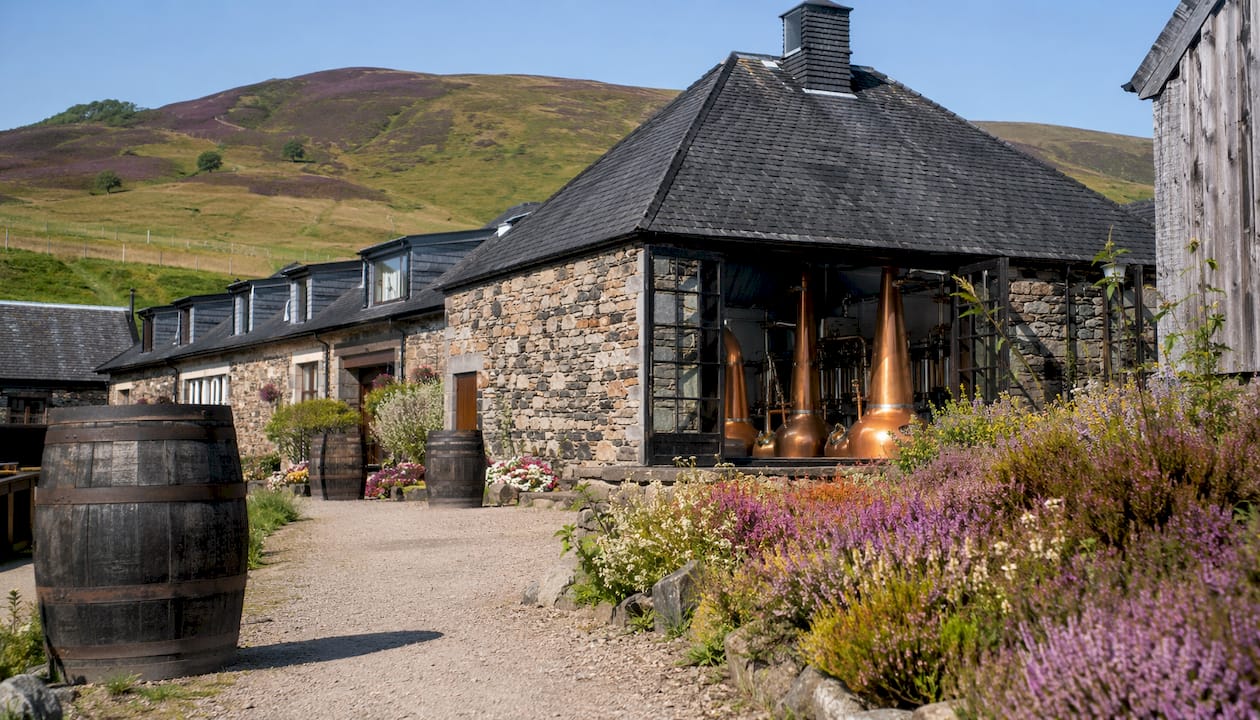
Oban 14 Year Old is one of those bottles that genuinely over-delivers for the price. The coastal character, a mix of dried fruit, brine and a faint smoke, is unlike anything from Speyside or the Lowlands.
Dalmore leans into luxury presentation and rich sherry-wood maturation. The 12 Year Old is the accessible entry, but the King Alexander III, finished across six cask types, is the one collectors chase.
GlenDronach 12 Year Old is matured entirely in Pedro Ximénez and Oloroso sherry casks. It is one of the most consistently sherried malts in Scotland at its price point, and the traditionally peated GlenDronach expression adds a smoky dimension that surprises most people who think of the brand as purely sherry-forward.
Tomatin produces a lighter, more approachable style than most of its Highland neighbours. The distillery historically supplied the blended whisky market at scale before refocusing on single malts, and that heritage shows in its clean, easy-drinking character.
Balblair releases vintage-dated expressions rather than standard age statements, which makes each bottling slightly different. The 15 Year Old is the most widely available in Australia and shows the distillery’s signature honey and citrus balance.
Loch Lomond earned multiple golds at the 2026 World Whiskies Awards, a reflection of its unusual ability to produce several distinct distillate styles on a single site using different still configurations.
Edradour is one of Scotland’s smallest distilleries, and its tiny output means bottles sell quickly. The Caledonia 12 Year Old, finished in Oloroso sherry casks, is the one to seek out.
Clynelish 14 Year Old is a cult favourite among blenders and enthusiasts alike. Its waxy, almost coastal texture is distinctive, and bottles disappear fast from specialist retailers.
Glen Garioch (pronounced “Glen Geery”) is underappreciated outside enthusiast circles. The 12 Year Old is earthy and spiced, and the distillery’s older expressions are worth seeking out at auction.
Deanston uses water from the River Teith and organic barley, and its Virgin Oak expression is one of the most interesting cask experiments in the Southern Highlands.
For collectors, limited releases from Dalmore, GlenDronach and Balblair regularly appear at Australian whisky auctions. Single-cask bottlings from independent bottlers such as Gordon & MacPhail also surface for Highland expressions and can represent excellent value compared to official distillery releases.
Buying Highland Scotch in Australia: what to expect
Australian buyers have solid access to most mainstream Highland expressions through specialist online retailers, independent bottle shops and the major liquor chains. Pricing reflects import duties and excise, so expect to pay a premium over UK retail.
| Price band | What you get | Typical examples |
|---|---|---|
| Entry ($70–$90) | Standard 10–12 year old, bourbon-cask focus | Glenmorangie Original, Tomatin 12, Deanston 12 |
| Mid ($90–$160) | Older expressions, sherry finishes, limited releases | Oban 14, GlenDronach 12, Clynelish 14, Balblair 15 |
| Premium ($160+) | Aged 18+, rare casks, collector releases | Dalmore 18, GlenDronach 18 |
Where to buy:
- Specialist online retailers (such as Uisuki) carry the widest range of Highland single malts and can source limited releases on request.
- Independent bottle shops in capital cities stock a reasonable mid-range selection, though rare expressions sell quickly.
- Australian whisky auctions (Whisky Auctioneer ships to Australia) are the best source for older and discontinued expressions.
- Whisky bars in Sydney, Melbourne and Brisbane often carry open bottles for tasting before you commit to a purchase.
Pro Tip: Before buying online, check the label details: confirm “Single Malt Scotch Whisky,” the distillery name, the Highland locality, ABV (minimum 40%), and whether the age statement reflects the youngest whisky in the bottle. A no-age-statement bottle is not inferior, but you should know what you are buying.
Provenance matters. Reputable retailers will list the distillery, bottler, cask type and ABV on the product page. If any of those details are missing, ask before purchasing.
Why Highland styles became so diverse: a brief history
The diversity of Highland Scotch is not accidental. It is the direct product of geography, taxation and centuries of adaptation.
In the 18th century, taxation and remote terrain pushed Highland distilling underground. Illicit stills proliferated across remote glens precisely because the terrain made enforcement difficult. Each community developed its own methods using local water, local barley and whatever vessels were available, which embedded regional variation into the culture long before legal distilling took hold.
The Excise Act of 1823 brought most Highland distillers into the legal framework by making licensed production economically viable. What followed was a period of consolidation and expansion, with many distilleries scaling up to supply the growing blended Scotch market in the late 19th and early 20th centuries. Tomatin is a clear example: the distillery expanded to become one of Scotland’s largest producers before later reducing its still count to refocus on quality single malt production.
Key moments in Highland whisky history:
- 1823: Excise Act legalises small-scale distilling and triggers a wave of new Highland distilleries.
- Late 1800s: Blended Scotch boom drives Highland distilleries to scale up production.
- 20th century: Two World Wars and the Great Depression force closures and mothballings across the region.
- 1980s–present: Single malt revival sees mothballed distilleries reopen and new ones established, each developing distinct house styles.
How to taste and serve Highland Scotch
Getting the most from a Highland dram takes about three minutes and a clean glass.
- Choose the right glass. A tulip-shaped nosing glass (Glencairn or similar) concentrates the aromas. A wide tumbler is fine for casual drinking but loses the subtler notes.
- Nose before you sip. Hold the glass at chin height and breathe gently. For lighter Highland malts, look for citrus blossom, vanilla and heather. For sherried expressions, expect dried fruit, cinnamon and dark chocolate. Coastal styles will show sea spray and sometimes a faint smokiness.
- Take a small first sip neat. Let it coat the palate before you swallow. Note the texture: waxy (Clynelish), silky (Balblair), or drying (Glen Garioch).
- Add a few drops of water. A small addition of still water at room temperature opens up the mid-palate on cask-strength and high-ABV expressions. It is not dilution; it is chemistry. Ethanol molecules release aromatic compounds when the surface tension drops.
- Assess the finish. Highland malts tend toward medium-to-long finishes. A sherried malt will leave spice and dried fruit; a coastal malt will leave brine and a faint warmth.
Pairing suggestions:
- Light, citrusy Highland malts (Glenmorangie, Tomatin): pair with mild cheeses, smoked salmon or dark chocolate.
- Sherried expressions (GlenDronach, Dalmore): pair with aged cheddar, Christmas cake or a square of 70% dark chocolate.
- Coastal styles (Oban, Clynelish): pair with oysters, smoked meats or a simple oatcake.
Serve Highland Scotch at room temperature. Chilling suppresses aroma and flattens the palate experience.
Key takeaways
The Highland region produces the broadest flavour range in Scotch whisky, and understanding its sub-regions and cask types is the fastest way to find the right bottle for your palate and budget.
| Point | Details |
|---|---|
| Legal definition matters | “Highland” is a protected locality under the Scotch Whisky Regulations 2009, not a style guarantee. |
| Sub-regions predict flavour | Northern = spice/complexity; Southern = light/fruity; Eastern = full/dry; Coastal = brine/light smoke. |
| Cask type drives character | Ex-bourbon gives citrus and vanilla; ex-sherry gives dried fruit and spice; port adds red fruit and silk. |
| Australian price bands | Entry ($70–$90), mid ($100–$170), premium ($170+) — most mainstream expressions are well stocked. |
| Uisuki for sourcing | Uisuki stocks a curated range of Highland single malts and can source limited releases for Australian collectors. |
The Highlands reward the curious buyer
Most whisky writing treats the Highlands as a single flavour category, which does the region a disservice. The honest truth is that “Highland Scotch” is closer to a geographic container than a style descriptor. A bottle of Glenmorangie and a bottle of Clynelish share a regional label and almost nothing else in the glass.
That breadth is actually the region’s greatest asset for enthusiasts. You can spend years working through Highland expressions and keep finding something genuinely new. The sub-region framework helps, but the real education comes from buying a bottle from each corner of the map and tasting them side by side. The difference between a waxy Northern Highland and a creamy Southern expression is more instructive than any tasting note.
The other thing worth saying: award recognition is a useful signal but not the whole story. Loch Lomond’s strong performance at the 2026 World Whiskies Awards reflects genuine quality across multiple distillate styles, but some of the most interesting Highland malts, Glen Garioch and Edradour among them, fly under the radar precisely because they are small and hard to find. Those are often the bottles worth chasing.
Find Highland Scotch at Uisuki
Uisuki is an Australian specialist whisky retailer with a curated selection of Highland single malts, from entry-level expressions to rare and limited releases. Every product listing includes ABV, cask type, tasting notes and pricing, so you know exactly what you are buying before checkout.
The site ships across Australia with free shipping thresholds, and the team handles personalised sourcing requests for collectors chasing specific distilleries, vintages or independent bottlings. If a Highland expression is not currently in stock, Uisuki can often source it. Browse the current Highland Scotch selection at Uisuki or get in touch directly to discuss a sourcing request for a limited release.
Disclosure: Uisuki retails whisky and may have a commercial interest in the products mentioned in this article.
Useful sources and further reading
The claims in this article draw on primary legislation, award coverage and specialist region guides. The following are the core references for anyone who wants to verify the legal and stylistic detail.
- Scotch Whisky Regulations 2009 — the primary UK legislation defining Highland as a protected locality and establishing the legal framework for all Scotch whisky regional labelling.
- Highland single malts — Wikipedia — a useful overview of the region’s scale, distillery list and the inclusion of islands within the Highland designation.
- World Whiskies Awards 2026 — The Whiskey Wash — covers award results including Loch Lomond’s multiple gold distinctions and other Highland standouts.
- SMWS — Beyond Boundaries — historical perspective on how taxation and geography shaped Highland distilling practices and regional diversity.
- Wineware — Scottish Whisky Regions Guide — practical sub-region framework used by retailers and enthusiasts to predict Highland flavour profiles.
This article is general information for enthusiasts and does not constitute professional advice. Verify current product availability, pricing and import regulations with your retailer or the relevant authority for your situation.