

TL;DR:
- Australian climate challenges require stable temperature and humidity control for whisky preservation.
- Proper handling and original packaging significantly influence a bottle’s long-term collector value.
- High-value collections benefit from professional bonded storage with precise conditions and security.
Australia is one of the world’s great whisky markets, but it’s also one of the most demanding environments for bottle storage. Summer temperatures that crack 40°C, coastal humidity, and UV-heavy sunlight create a uniquely hostile backdrop for collectors trying to maintain stable temperature between 15 and 20°C to prevent evaporation and flavour degradation. Whether you’re holding a rare Japanese single malt or a limited Australian release, the difference between a pristine bottle and a compromised one often comes down to handling, packaging, and understanding your local climate. This guide walks you through exactly what to do.
Table of Contents
- Choose the right storage conditions
- Handle bottles and packaging with care
- Combat Australia’s climate challenges
- Professional storage and security for high-value collections
- A collector’s take: Where most bottle care tips go astray
- Discover exceptional whiskies and collector solutions
- Frequently asked questions
Key Takeaways
| Point | Details |
|---|---|
| Temperature matters | Keep bottles at 15-20°C to preserve flavour and prevent seal problems. |
| Packaging boosts value | Original boxes and labels help collectors fetch higher prices at auction. |
| Climate control is essential | Australian humidity and heat require solutions like wine fridges and dehumidifiers. |
| Minimise handling | Limit direct contact to avoid label wear and maintain premium condition. |
| Professional storage pays off | For rare bottles, bonded storage ensures safe conditions and supports future resale. |
Choose the right storage conditions
With an understanding of why storage matters, let’s look at how to create the ideal environment for your bottles.
Temperature is the single biggest variable in whisky storage. According to the essentials of whisky storage, keeping your bottles between 15 and 20°C prevents the cork and liquid from expanding and contracting with seasonal shifts. In Australian homes without climate control, this range can be nearly impossible to maintain during summer. A dedicated wine fridge, set slightly cooler than usual, is one of the most reliable solutions available to local collectors.
Humidity is the second major threat, and it cuts both ways. Too much moisture and your labels will peel, your packaging will warp, and mould can form inside cardboard boxes. Too little, and corks dry out, crack, and allow air into the bottle. In coastal cities like Sydney, Brisbane, and Darwin, high humidity in coastal and hot areas requires active management with dehumidifiers or climate control to keep conditions stable year-round.
Location matters more than most collectors realise. Bottles stored near windows lose colour and aromatic complexity faster than those kept in dark spaces. Avoid placing bottles on top of fridges, near ovens, or in garages that bake in summer heat. Vibration is a subtler threat. Bottles stored near washing machines, subwoofers, or busy foot traffic experience micro-agitation that disrupts the liquid over time.
Our whisky storage guide goes deeper on location-based strategies for Australian homes. For those just starting their collections, our collecting tips for 2025 covers the fundamentals before spending on premium bottles.
Here’s a quick storage checklist to keep conditions right:
- Temperature: 15 to 20°C, stable year-round
- Humidity: 60 to 70% relative humidity
- Light: No direct sunlight or fluorescent exposure
- Vibration: Away from appliances and heavy foot traffic
- Position: Upright storage for sealed bottles to protect the cork
- Ventilation: Adequate airflow to prevent musty buildup
Pro Tip: If you’re not ready to invest in a wine fridge, the interior of a wardrobe in an air-conditioned room is often the best free solution available. Check that your bottles are authentic before committing them to long-term storage.
Handle bottles and packaging with care
Once your bottles are safely stored, good handling practices become essential for protecting collector value.
Every time you pick up a bottle, you introduce risk. Fingerprints on labels, accidental knocks, and grease from your hands all degrade the presentation quality that collectors and auction houses use to assess value. Handle bottles by the body, not the neck, and always use two hands when moving anything over 700ml.
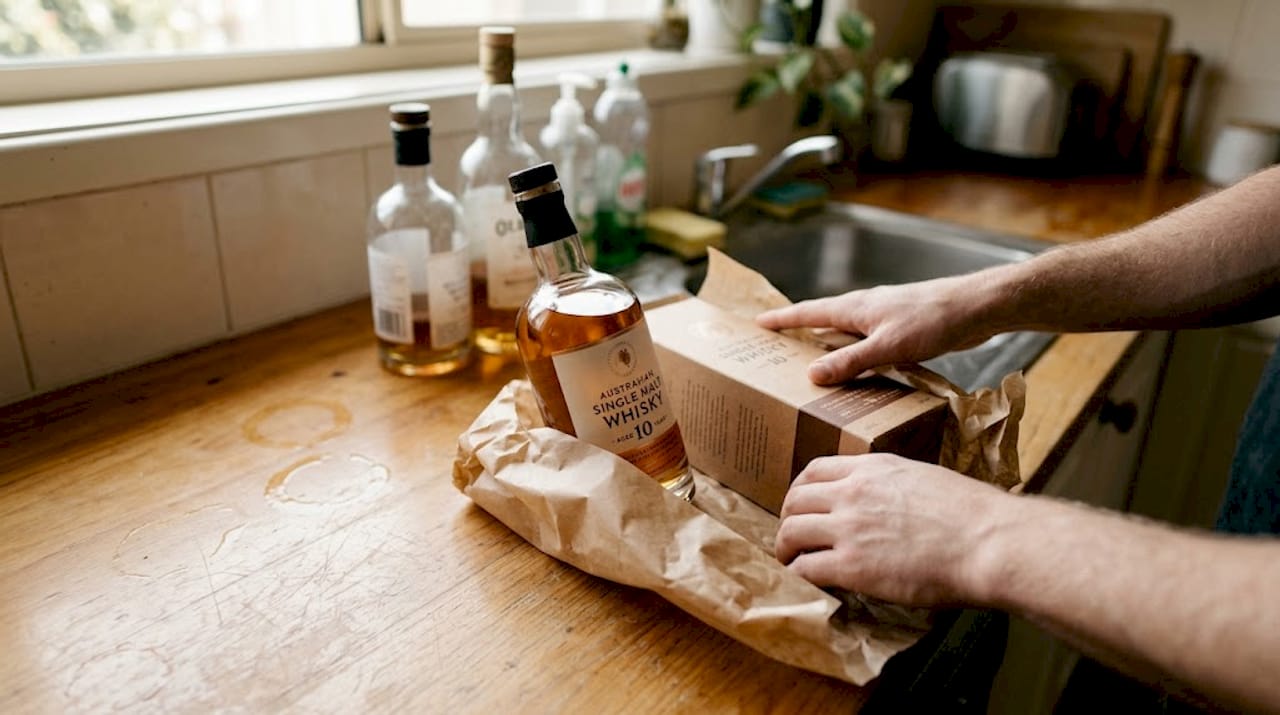
Label condition is a surprisingly large factor in resale price. Faded, torn, or stained labels can reduce a bottle’s auction value significantly, even if the liquid inside is pristine. Original packaging like boxes and tubes adds measurable collector value, so avoid overhandling labels or removing bottles from their outer cases unless necessary. Once a label is water-damaged or foxed, there’s no reversing it.
Here’s a practical sequence for handling bottles correctly:
- Wash and dry your hands before touching any label
- Lift by the base and body, never by the cap or neck
- Avoid placing bottles directly on wet or rough surfaces
- Store in original boxes or acid-free tissue when not on display
- Keep a photo record of each bottle’s condition when acquired
- Use cotton gloves when handling very rare or aged bottles
“Packaging integrity is one of the first things assessed at auction. A bottle in its original presentation box, with an intact label and full fill level, can command prices substantially above the same expression sold loose.” This is the reality that separates informed collectors from those who learn it the hard way.
Bottle movement is worth minimising altogether. Even well-intentioned rearranging of your collection adds cumulative wear to labels and risks accidental damage. Our article on whisky value drivers explains how condition grades directly influence secondary market pricing. If you’re serious about building a collection with resale potential, these collecting tips for enthusiasts are worth reading before your next purchase.
Combat Australia’s climate challenges
Handling care helps preserve your bottles, but Australia’s climate requires extra attention to protect them long-term.
For collectors in coastal or tropical regions, humidity is a year-round battle. Brisbane, Cairns, and Perth each present different but equally serious storage challenges. The practical approach is layered: start with location, then consider equipment. Wine fridges set to 15 to 18°C offer the most precise control for serious collectors who own multiple high-value bottles.
| Climate solution | Cost | Humidity control | Temperature precision | Best suited for |
|---|---|---|---|---|
| Wine fridge | Medium to high | Moderate | Excellent | 10 or more bottles |
| Dehumidifier | Low to medium | Excellent | None | Humidity-prone rooms |
| Ducted air conditioning | High | Good | Good | Whole-room collections |
| Dark cupboard (passive) | None | None | Poor | Short-term or budget |
Monitoring your storage environment is just as important as setting it up. A cheap digital hygrometer (a device that measures humidity) placed near your bottles gives you real data instead of assumptions. Check it weekly during summer, when conditions shift most dramatically.
Actionable tips for Australian climates:
- Use silica gel packets inside storage boxes to absorb excess moisture
- Check seal integrity on wine fridges every six months
- Keep bottles away from exterior walls, which conduct outdoor heat
- In hot and dry inland regions, add a small humidity tray to prevent cork desiccation
If you’re planning purchases around Australia’s gift-giving seasons, our whisky gifting guide addresses how to present and store bottles safely after they arrive. And if you’re ordering from interstate, our whisky shipping guide explains how to minimise transit risk before the bottle even reaches your collection. Before your next purchase, check our expert shopping guide for advice on choosing bottles with long-term storage value in mind.
Professional storage and security for high-value collections
For those managing premium or rare bottles, professional storage offers assurance and value protection beyond personal care.
There’s a threshold at which home storage, however well-executed, introduces more risk than it mitigates. For bottles valued above several thousand dollars, professional bonded storage provides traceability, insurance, and optimal conditions that are vital for resale and auction readiness. If your collection represents significant financial value, the cost of professional storage is often far smaller than the difference in auction outcomes between a verified and unverified bottle.
Here’s a comparison of home versus professional storage across the key factors collectors care about:
| Factor | Home storage | Professional bonded storage |
|---|---|---|
| Temperature control | Variable | Precise and monitored |
| Insurance coverage | Generally none | Usually included |
| Traceability documentation | Self-managed | Professionally certified |
| Security | Standard home security | Specialist vault security |
| Auction readiness | Dependent on collector | Typically accepted directly |
| Cost | Upfront equipment only | Ongoing fee per bottle |
Who genuinely needs professional storage? If you own bottles that are rare enough to appear in specialist auction catalogues, if you’re holding whisky as a long-term investment, or if your personal storage environment cannot be adequately controlled, it’s worth considering. The peace of mind alone is significant.
When evaluating a bonded storage provider, ask specifically about their temperature and humidity logs, their insurance terms, and their chain-of-custody documentation. Vague answers are a warning sign.
Pro Tip: Some professional storage facilities will also photograph and catalogue your collection on intake, creating a baseline condition record that proves invaluable at the point of sale. For collectors building a premium whisky collection, this documentation can make the difference between a good sale and an exceptional one.
A collector’s take: Where most bottle care tips go astray
Beyond checklists and technical tips, perspective from seasoned collectors uncovers what truly safeguards your whisky’s value.
Most bottle care advice reads like a home maintenance manual. Check the temperature. Buy a wine fridge. Keep it dark. That’s all useful, but it misses the single most common reason collections lose value: inconsistency over time.
We’ve seen collectors invest in beautiful wine fridges, only to leave the door open for extended periods while rearranging bottles. We’ve seen perfect storage environments ruined by a single water leak from a pipe. The real discipline is in the review. Checking your storage conditions monthly, inspecting seal integrity twice a year, and revisiting your setup every time the season changes is what separates collectors who build lasting value from those who discover problems too late.
There’s also a myth that perfect storage is achievable in an Australian home. For most collectors, it isn’t. Your goal isn’t perfection. It’s managed risk. Understanding why whisky value fluctuates helps you make smarter decisions about which bottles warrant professional care and which are fine at home. And if you’re building a premium collection with long-term goals, the framework matters more than any single piece of equipment.
Discover exceptional whiskies and collector solutions
To make bottle care easier and your passion more rewarding, curated resources and trusted suppliers can offer the expertise you need.
At Uisuki, we work directly with collectors across Australia to source rare and hard-to-find expressions, offer guidance on storage, and help you build a collection that holds its value over time.

Whether you’re adding to an established collection or just beginning, our range includes outstanding expressions like the Ardnamurchan Macleans Nose Scotch alongside a growing catalogue of Japanese, Australian, and American releases. Explore Uisuki’s full catalogue for curated recommendations, expert advice, and bottles worth protecting with everything you’ve learned here.
Frequently asked questions
What is the best temperature for storing whisky?
The ideal storage temperature is between 15 and 20°C to prevent evaporation and flavour degradation. Consistency matters as much as the range itself.
How does humidity affect my whisky bottles?
High humidity in coastal or hot areas can damage labels and compromise the seal, while a dehumidifier or wine fridge helps keep conditions stable. Both extremes, too wet or too dry, are problematic for corks and packaging alike.
Does keeping original packaging really boost collector value?
Yes, bottles with original packaging intact command higher prices at auction and are assessed more favourably by specialist buyers. Boxes, tubes, and documentation all contribute to the final valuation.
When should I consider professional bonded storage?
Professional storage is ideal for high-value bottles that need insurance and traceability, particularly if you’re planning resale or consigning to auction. It becomes cost-effective once the collection’s value exceeds what home security and equipment can realistically protect.
Can sunlight or vibration ruin whisky?
Direct sunlight accelerates flavour and colour degradation while repeated vibrations disturb the liquid and risk packaging wear over time. Both are avoidable with careful placement in a dark, still environment.