

Kentucky bourbon holds a special allure for Australian whisky collectors, but separating myth from reality can prove challenging. For those eager to understand what truly defines bourbon, it’s essential to look beyond romantic tales and marketing legends. This guide reveals the actual legal standards, uncovers common misconceptions, and highlights the production methods and regional styles at the heart of authentic Kentucky bourbon. Expand your appreciation for American whisky by learning what really sets Kentucky expressions apart.
Table of Contents
- Defining Kentucky Bourbon and Common Myths
- Types of Bourbon and Regional Variations
- Production Methods and Legal Standards
- Tasting Notes, Collecting, and Australian Insights
- Mistakes to Avoid When Buying Bourbon
Key Takeaways
| Point | Details |
|---|---|
| Bourbon Production Locations | Bourbon can legally be made anywhere in the USA, not just Kentucky, although Kentucky remains prominent. |
| Understanding Myths | Many myths about bourbon rely on misconceptions about geography; actual production methods and materials are more important. |
| Legal Standards Matter | Authentic bourbon must meet strict legal requirements, including being at least 51% corn and aged in new charred barrels, ensuring quality and transparency. |
| Collector Strategies | Australian collectors should taste widely, verify labels, and focus on personal preferences to avoid costly mistakes when building a collection. |
Defining Kentucky Bourbon and Common Myths
Kentucky bourbon carries legendary status amongst whisky collectors, yet misconceptions cloud its true identity. Understanding what actually defines bourbon versus popular mythology helps you appreciate why Australian enthusiasts value authentic Kentucky expressions so highly.
What Actually Makes Bourbon “Bourbon”?
Bourbon isn’t exclusively a Kentucky product, despite what many believe. Bourbon can legally be made anywhere in the United States, not just Kentucky. This surprises most newcomers, who assume the name locks production to a specific region.
The legal definition centres on four core requirements:
- Produced in the USA from a mash bill containing at least 51% corn
- Aged in new, charred American oak barrels
- Entered into barrels at no more than 125 proof
- Bottled at minimum 80 proof
Notice geography isn’t mentioned. Kentucky dominates production, but the law allows distilleries in Tennessee, Indiana, or anywhere else in America to produce legitimate bourbon.
Common Myths Worth Dispelling
The mystique surrounding bourbon invites creative storytelling. Kentucky bourbon’s origins emerged alongside pioneer settlement, with distillation evolving from small-scale operations to commercial steam processes by the Civil War. Yet many myths persist about its creation.
Mythology often credits specific inventors, when reality shows bourbon developed gradually through American frontier culture. Another persistent myth claims Kentucky’s water quality alone creates superior bourbon—in truth, modern production decisions rely far more on raw material access and consumer preferences than environmental factors.
Australian collectors should question claims that location alone determines character. Geography matters less than distillery practices, grain selection, and barrel management.
Understanding bourbon’s actual legal definition separates marketing hype from genuine craft.
Why These Distinctions Matter
When evaluating Kentucky bourbon for your collection, knowing these facts prevents overpaying for mythology. You’ll recognise that exceptional bourbon exists beyond Kentucky’s borders, though Kentucky remains the traditional heart of production.
This knowledge shapes how you approach tasting notes and vintage selections. A bourbon’s character stems from intentional craft decisions, not mystical geographic forces.
Pro tip: When shopping, verify whether a bourbon meets the four legal requirements rather than accepting marketing claims about tradition or origin stories. Check the label for production location and barrel information to evaluate authenticity.
Types of Bourbon and Regional Variations
Whilst Kentucky remains bourbon’s traditional heartland, the spirit is no longer confined to a single region. Understanding the different styles and regional expressions helps Australian collectors appreciate the diversity within American whisky culture and make more informed purchasing decisions.
Beyond Kentucky: Bourbon’s Geographic Expansion
Bourbon production is expanding nationwide, with distillers adopting Kentucky-inspired methods whilst incorporating local raw materials and cultural influences. Bourbon production expanding beyond Kentucky has created distinct regional characteristics in flavour and production style.
This growth reflects consumer demand for place-based products with unique identities. Each region brings its own interpretation to bourbon’s core legal requirements, resulting in genuine stylistic variation.
Regional Bourbon Styles
Different American regions produce bourbon with distinct character profiles:
- Kentucky bourbon: High-rye bourbons emphasising spice and elegance; wheated bourbons offering softer, sweeter profiles
- Tennessee bourbon: Often filtered through sugar maple charcoal, creating smoother, more delicate expressions
- Indiana bourbon: Sourced bourbon traditions with varying mash bills and ageing approaches
- Craft distillery bourbon: Smaller-scale producers experimenting with unconventional grain ratios and shorter maturation periods
Each style reflects local grain availability, water characteristics, and distillery philosophy rather than mystical geography alone.
Here’s a comparison of regional bourbon styles for collectors:
| Region | Common Taste Profile | Distinctive Production Feature | Collector Consideration |
|---|---|---|---|
| Kentucky | Spicy, elegant or sweet | High-rye or wheated mash bills | Traditional appeal, wide variety |
| Tennessee | Smoother, subtle | Maple charcoal filtration | Unique filtration, gentle finish |
| Indiana | Varied, bold or light | Diverse mash bills, sourced approaches | Innovative, niche producers |
| Craft Distilleries | Unconventional, experimental | Unusual grains, short ageing | Limited runs, creative releases |
What Creates Regional Differences
The mash bill composition varies significantly between regions. Some producers favour high-rye bills for spicy complexity, whilst others emphasise corn sweetness or use wheated mash bills for smoothness.
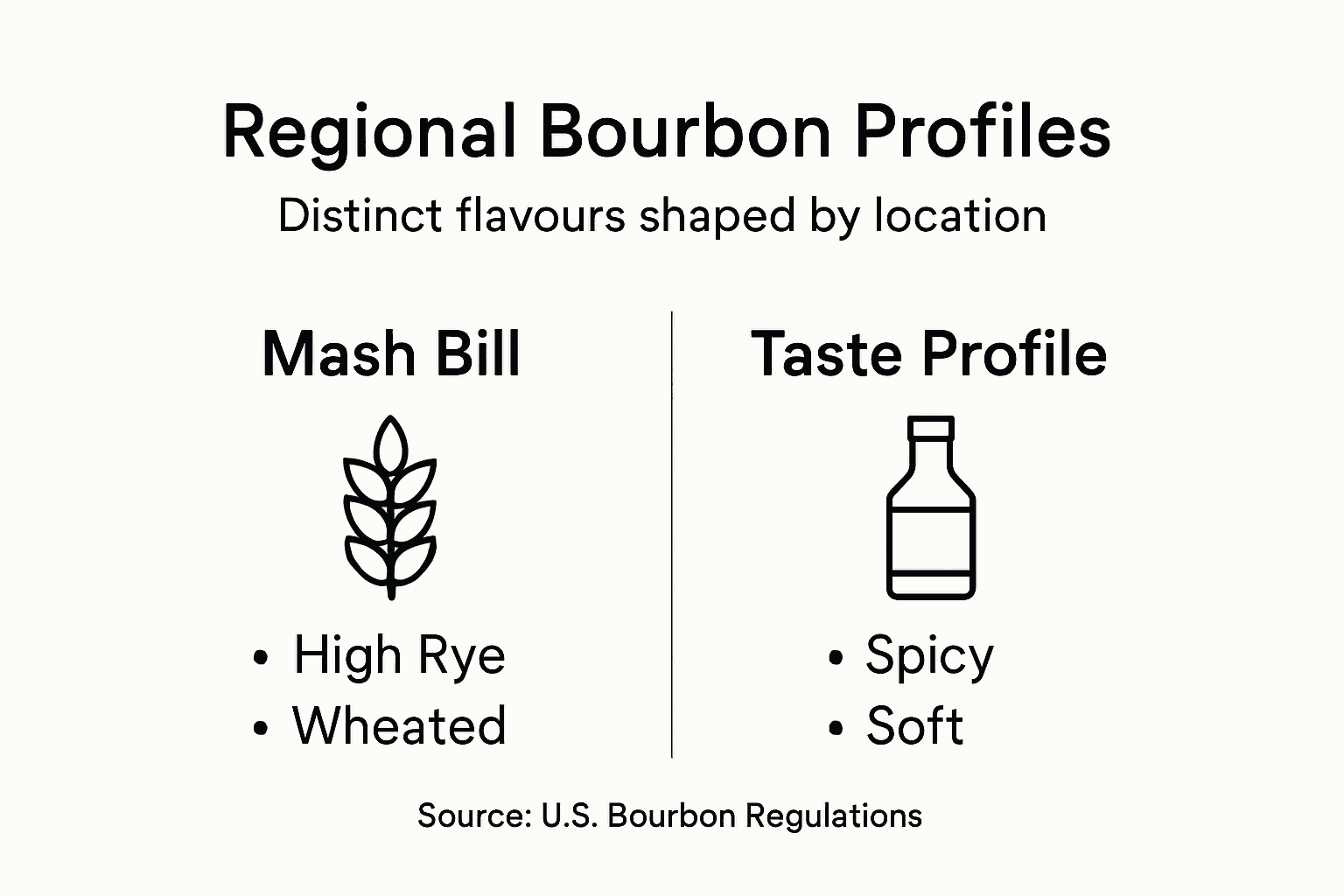
Barrel management differs too. Climate variations affect how spirits age—hotter regions accelerate maturation, whilst cooler areas slow the process. Cooler climates typically produce lighter, more delicate bourbons; warmer climates yield bolder, richer expressions.
Producer philosophy matters most. One Kentucky distillery might age aggressively for intense flavour; another in the same state pursues restraint and balance.
Regional bourbon variations stem from intentional craft decisions, not geographic destiny.
Why This Matters for Collectors
Recognising these regional styles prevents you from chasing mythologised “Kentucky superiority.” Exceptional bourbon exists throughout America, each with legitimate regional identity.
When comparing bourbons, taste across regions. You’ll discover that Indiana craft expressions might rival established Kentucky brands, or Tennessee’s charcoal filtration might appeal more than traditional Kentucky methods. Your palate determines value, not regional marketing claims.
Pro tip: Sample bourbons from at least three different regions—Kentucky, Tennessee, and a craft distillery elsewhere—to identify which regional style preferences match your own tastes before committing to larger collection purchases.
Production Methods and Legal Standards
Bourbon’s distinctive character isn’t accidental—it results from strict legal requirements and deliberate production choices. Understanding these standards helps you recognise authentic bourbon and appreciate why certain bottlings command premium prices amongst Australian collectors.
The Legal Framework
Bourbon must meet five non-negotiable legal requirements. Bourbon must be produced in the United States from a fermented mash containing at least 51% corn, distilled no higher than 160 proof, and aged in new charred oak barrels.
The spirit enters barrels at maximum 125 proof and must be bottled at minimum 80 proof. Critically, no flavour additives or colouring are permitted—what you taste comes entirely from grain, water, yeast, and wood interaction.
From Grain to Glass: Production Steps
Bourbon production follows a consistent sequence:
- Cook the mash bill (grain mixture) to break down starches and prepare for fermentation
- Allow fermentation to proceed for approximately 96 hours, converting sugars into alcohol
- Distil twice: first distillation reaches about 160 proof, second produces the desired spirit character
- Age in new charred oak barrels, where legal and chemical transformations occur
- Dilute to bottling proof, typically 80 to 120 proof
Each step influences final flavour. Temperature control during fermentation affects yeast performance. Distillation speed determines congener concentration. Barrel char level shapes vanilla, caramel, and spice notes.
Why These Standards Matter
The 51% corn requirement creates bourbon’s foundation sweetness. New charred barrels (not used barrels like Scotch whisky uses) impart bold oak influence and deep colour rapidly. The proof restrictions prevent over-concentration or under-flavour spirits from reaching market.
No additives rule ensures transparency. When you taste bourbon’s sweetness or colour, it comes from legitimate production, not laboratory enhancement. This distinguishes bourbon from lesser spirits that mask inferior production through artificial means.
Legal standards exist because authentic bourbon requires time, proper materials, and honest craftsmanship.
Labelling Requirements
Authentic bourbon labels must display brand name, class and type designation, alcohol content by volume, and age statement if the whisky is under four years old. These requirements protect consumers from misleading claims whilst ensuring traceability.
Use this table to spot typical bourbon label terms and their significance:
| Label Term | Meaning for Collectors | Indicative Characteristic | Typical Value Impact |
|---|---|---|---|
| Straight Bourbon | Aged minimum two years, no additives | Greater authenticity, clear age minimum | Often higher credibility |
| Bottled in Bond | Aged at least four years, 100 proof | Stricter standards, robust flavour | Collectible, well-regarded |
| Small Batch | Blend of select barrels | Potential for unique flavour profiles | May command premium pricing |
| Single Barrel | From one individual barrel | Distinctive, batch-to-batch variation | Potential rarity, uniqueness |
When examining labels, verify age statements and proof. Younger bourbons (2-3 years) often show different character than eight-year-old expressions, even from the same distillery. Higher proof typically indicates fuller flavour and less dilution.
Pro tip: Compare labels from several bourbons to identify which proof and age combinations appeal most to your palate, then use this knowledge to predict character before purchasing premium expressions.
Tasting Notes, Collecting, and Australian Insights
Bourbon tasting transforms from intimidating ritual into genuine pleasure when you understand the sensory framework. For Australian collectors, developing tasting skills and building a thoughtful collection opens doors to investment, enjoyment, and community connection.
The Art of Bourbon Tasting
Bourbon tasting involves observing colour, aroma, flavour, and finish through structured sensory experience. Expert tasters use tulip-shaped glasses to concentrate aromas, take small sips, and cleanse palates between samples.
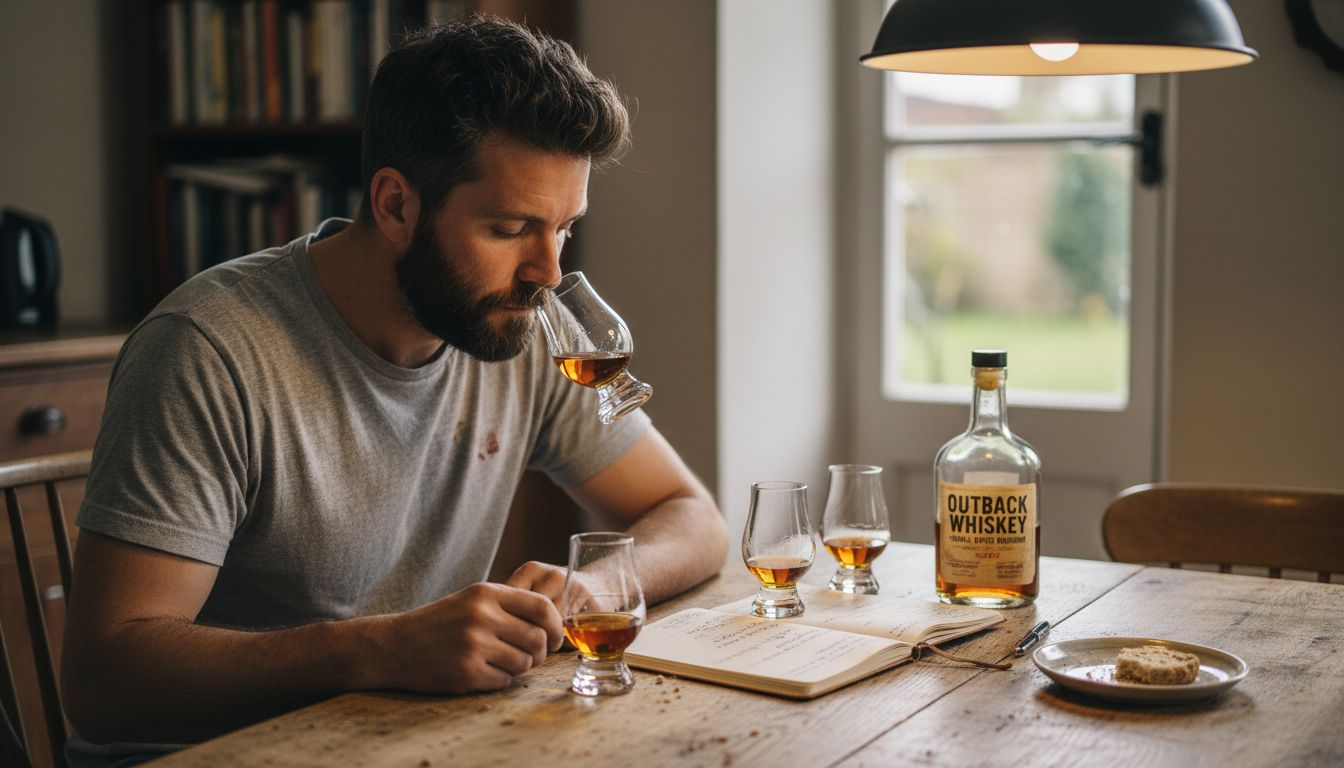
Tasting remains entirely personal and subjective. Your perception of vanilla, caramel, spice, or leather notes matters more than matching expert descriptions. Trust your own palate—there are no wrong answers, only your honest observations.
Developing Your Tasting Technique
Start with these foundational steps:
- Observe colour in natural light—assess clarity and hue intensity
- Nose the bourbon gently, breathing normally to avoid overwhelming your senses
- Add a few drops of water to release additional volatile compounds
- Sip slowly, letting bourbon coat your palate before swallowing
- Note the finish—how flavours evolve and fade over time
Repeat this process across multiple bourbons to identify patterns in your preferences. Over time, you’ll recognise which production styles, proof levels, and ageing periods appeal most to your palate.
Building a Meaningful Collection
Successful bourbon collecting balances several factors. Appreciation for craftsmanship means understanding production methods. Age statements indicate maturation levels and complexity potential. Rarity drives scarcity value, though rare doesn’t necessarily mean superior.
Provenance—a bottle’s documented history and authenticity—increasingly matters to serious collectors. Whisky tasting notes matter because they guide purchasing decisions for collectors seeking specific flavour profiles and quality indicators.
Australian Collecting Perspective
Australian whisky enthusiasts occupy a unique position. You’ve developed sophisticated palates through exploring Scottish, Japanese, and local expressions. This foundation means you can evaluate bourbon critically rather than accepting American marketing narratives.
Australia’s climate means storage matters intensely. Temperature fluctuations in some regions accelerate bourbon’s maturation in ways different from Kentucky cellars. Consider climate-controlled storage for premium acquisitions to preserve value and prevent premature oxidation.
The Australian market increasingly values Kentucky bourbon. Limited supply and growing local enthusiasm create genuine collecting opportunities. Building collections now positions you ahead of wider market adoption.
Bourbon collecting succeeds when craft appreciation drives purchases, not speculation alone.
Starting Your Collection
Begin by tasting widely before committing significant funds. Sample different proof levels, age statements, and production styles from various distilleries. This experimentation identifies your genuine preferences rather than following collector trends.
Document your tasting notes—flavours, intensity, finish length, and overall impressions. Over months, patterns emerge revealing which bourbons genuinely resonate with your palate. These insights guide future acquisitions.
Pro tip: Join local whisky appreciation groups or online communities focused on bourbon; experienced Australian collectors offer invaluable guidance on storage, sourcing international releases, and navigating the local market without overpaying.
Mistakes to Avoid When Buying Bourbon
Bourbon purchasing decisions reveal themselves as costly errors months or years later, when a bottle sits unopened or tastes disappointing. Learning common pitfalls before spending significant money protects your collection and ensures genuine enjoyment.
The Price and Hype Trap
Many collectors assume expensive bourbon tastes superior. This assumption wastes money on premium releases without understanding your actual preferences. Avoid buying bourbon solely based on price or hype without prior tasting or research into whether a bottle suits your palate.
Limited edition releases attract attention, but scarcity doesn’t guarantee quality or value. Marketing budgets create perception of desirability independent of actual flavour. Australian collectors especially should resist overseas hype before sampling comparable local alternatives.
Ignoring Label Information
Reading bourbon labels carefully reveals crucial terms like “straight bourbon” and “bottled in bond” which indicate age requirements and quality standards you need to understand.
The mash bill composition predicts flavour profiles. High-rye bourbons deliver spice; wheated bourbons offer softness; high-corn expressions emphasise sweetness. Knowing what you prefer before purchasing prevents accumulating bottles that don’t match your taste.
Age statements matter genuinely. A four-year-old bourbon tastes markedly different from an eight-year expression, even from the same distillery. Younger doesn’t mean inferior—it means different. Match age to your preferences, not collector trends.
Common Purchasing Mistakes
These errors plague bourbon buyers:
- Buying without tasting first, then discovering the flavour doesn’t appeal
- Overpaying for limited editions without understanding what makes them special
- Selecting based on bottle design or label aesthetics rather than contents
- Following internet recommendations without considering your own palate
- Purchasing multiple bottles from untested distilleries simultaneously
- Ignoring storage conditions when shipping to Australia’s variable climate
Each mistake costs money and shelf space.
Building Knowledge Before Purchasing
Start by identifying your genuine taste preferences. Sample bourbons at bars, whisky clubs, or tasting events before committing collection funds. Understanding whether you prefer high-proof intensity or lower-proof elegance, bold spice or subtle sweetness, guides future acquisitions.
Learn bourbon categories and what differentiates them. Consult knowledgeable sellers who understand your preferences rather than pushing inventory. Building relationships with trustworthy suppliers prevents costly mistakes.
Smart bourbon buying starts with tasting, not spending.
Practical Evaluation Strategy
Begin with accessible, reasonably priced bottles from established distilleries. These foundation purchases build confidence and reveal your authentic preferences. Once you understand your palate, premium and limited releases become genuine investments rather than expensive gambles.
Document what you taste and enjoy. Over months, patterns emerge. This knowledge transforms future purchases from guesswork into informed decisions aligned with your collection vision.
Pro tip: Before purchasing any bourbon over AUD$150, taste it first at a whisky bar or attend a tasting event featuring that expression; this single habit prevents expensive mistakes and ensures every bottle in your collection genuinely satisfies your palate.
Discover Authentic Kentucky Bourbon with Confidence
Navigating the world of Kentucky bourbon can be challenging when myths and marketing hype cloud your judgement. If you want to avoid costly mistakes and truly appreciate the craft behind each bottle, start by exploring our meticulously curated American Whiskey – Uisuki.com.au collection. Here you will find premium bourbons that meet the strict legal definitions and reflect genuine regional styles, helping you build a collection based on flavour and authenticity rather than hype.
Take advantage of expert guidance and detailed product information at Uisuki.com.au to confidently identify bourbons that match your taste preferences. Act now to access rare and hard-to-find Kentucky bottlings and broaden your whisky journey beyond common myths. Begin your authentic bourbon experience today by browsing our selection, reading insightful tasting notes, and joining a community that values craft and quality above all else.
Frequently Asked Questions
What defines a bourbon, and what are its legal requirements?
Bourbon is defined by four core legal requirements: it must be produced in the USA from a mash bill containing at least 51% corn, aged in new charred American oak barrels, entered into barrels at no more than 125 proof, and bottled at minimum 80 proof.
How do regional variations influence the taste and profile of bourbon?
Regional variations in bourbon arise from differences in mash bill composition, climate, and distillery practices. Each region can produce distinct flavour profiles based on local grain availability and barrel management techniques.
What are the common myths about Kentucky bourbon?
Common myths include the belief that bourbon can only be made in Kentucky and that it is solely the quality of Kentucky’s water that makes bourbon superior. In reality, bourbon can be made anywhere in the United States and various other factors influence its character more significantly than geography alone.
How can I develop my bourbon tasting skills effectively?
To develop your bourbon tasting skills, begin by observing the colour, aroma, flavour, and finish. Take small sips and note your impressions while cleansing your palate between samples. Repeating this across different bourbons helps identify your preferences.
Recommended
- What Is American Bourbon? Complete Guide and Insights – Uisuki.com.au
- Four Roses Small Batch Kentucky Bourbon Whiskey 45% ABV 700ml – Uisuki.com.au
- Bomberger’s Declaration 2024 Kentucky Straight Bourbon Whiskey 54.0% A – Uisuki.com.au
- King Kamehameha Aged 6 Years Kentucky Straight Bourbon Vintage (Boxed) – Uisuki.com.au