

A good quality whisky delivers balance, complexity, a satisfying finish, and genuine value for what you pay. For Australian buyers right now, a handful of bottles stand out across every budget:
Under A$80 (entry level)
- Ned (Australian blended malt) — approachable, fruit-forward, easy to find at Dan Murphy’s
- Buffalo Trace (Kentucky bourbon) — vanilla-rich, widely stocked, excellent value
- Maker’s Mark (Kentucky bourbon) — soft wheat-based mash, beginner-friendly
A$80–A$160 (mid-range)
- Glenfiddich 12 (Speyside single malt) — pear, light oak, the world’s most recognised single malt
- Glenmorangie Original 10 (Highland single malt) — floral, citrus, silky texture
- Starward Nova (Australian single malt) — red wine cask, distinctly local character
A$160 and above (premium)
- GlenDronach 12 (Highland single malt) — rich sherry cask, dried fruit, chocolate
- Laphroaig 10 (Islay single malt) — medicinal peat, seaweed, bold and polarising
The sections below explain exactly what makes these bottles stand out, how to taste them properly, and where to buy them in Australia.
Key takeaways
Good quality whisky comes down to balance, complexity, finish, and value — and the mid-range A$80–A$160 band is where Australian buyers consistently find the best of all four.
| Point | Details |
|---|---|
| Quality has five markers | Balance, complexity, finish length, typicity, and value all define a good bottle. |
| Mid-range delivers best value | The A$80–A$160 band offers the most reliable quality-to-price ratio for Australian buyers. |
| Style shapes expectations | Match the whisky’s region and style to your taste before judging quality. |
| Taste deliberately | Use the nose-palate-finish sequence and add water to reveal complexity in any bottle. |
| Uisuki for Australian buyers | Uisuki.com.au stocks curated picks across all price bands with national shipping and sourcing requests. |
Table of Contents
- What makes a good quality whisky?
- How does region and style change what “good” looks like?
- How do you buy good whisky in Australia?
- Recommended good quality whiskies available in Australia
- How do you taste whisky to judge quality at home?
- Why trust these picks?
- Where to buy these bottles in Australia
- Sources
What makes a good quality whisky?
Quality in whisky is not a matter of price alone. The bottles that consistently earn high marks share five measurable traits, and once you know them, you can apply them to any bottle you pick up.
Balance is the foundation. No single element — alcohol heat, sweetness, oak tannin, or smoke — should dominate to the point of drowning the others. A well-balanced whisky feels integrated; the parts support each other rather than compete.
Complexity means there is something to discover beyond the first impression. A flat whisky gives you one note and stops. A complex one opens up: the nose shifts as it warms in the glass, the palate reveals layers, and the finish introduces something the nose never hinted at. This is the quality that keeps experienced drinkers returning to the same bottle.
Finish length and quality matter more than most beginners expect. A long, clean finish — where pleasant flavours linger and evolve for 30 seconds or more — is a reliable signal of well-made spirit and quality cask influence. A short, harsh, or bitter finish often points to immature spirit or poor wood management.
Typicity is the industry term for whether a whisky tastes true to its category. A Speyside Scotch should show fruit and floral notes; a Kentucky bourbon should deliver vanilla and caramel from new charred oak. When a bottle tastes generic or muddled, it has lost typicity, and that is usually a sign of corner-cutting in production or blending.
Value and accessibility round out the picture. Whisky Advocate’s Top 20 panel explicitly weights tasting quality alongside price, retail availability, and an intangible “wow factor” when selecting its annual picks. That framework is a useful shorthand: a bottle that scores brilliantly in a tasting room but costs A$400 and requires a ballot entry is not “good quality” in any practical sense for most drinkers.
Labelling terms worth knowing
A few terms on the label directly affect what you are buying:
- Single malt: made from malted barley at a single distillery. Not automatically better than blended, but the production constraints tend to produce more distinctive character.
- Blended: a mix of malt and grain whiskies, often from multiple distilleries. Consistency is the goal; the best blends are genuinely complex.
- Age statement: the number on the label is the youngest whisky in the bottle. A 12-year statement is a quality floor, not a ceiling.
- NAS (no age statement): not inherently inferior. Many NAS expressions use older stock; others use younger spirit with heavy finishing to compensate. Read the tasting notes, not the absence of a number.
- Bottled-in-bond: a US legal standard requiring 100 proof (50% ABV), single distillery, single season, and at least four years in a federally bonded warehouse. It is a genuine quality guarantee.
Pro Tip: A whisky’s colour tells you something about cask influence, but it is not the whole story. Pale gold often means ex-bourbon barrels or short maturation; deep amber or mahogany usually signals sherry or port cask influence, or extended ageing. Check whether the label says “no added colouring” — if it does, the colour is a genuine quality signal.
How does region and style change what “good” looks like?
Quality is not universal across styles. A peated Islay Scotch and a Tennessee bourbon are both excellent whiskies, but they are excellent in completely different ways. Matching your expectations to the style is half the battle.
Scotch splits into several distinct regional characters. Speyside (Glenfiddich, Glenmorangie) tends toward fruit, honey, and floral notes with light oak. Highland expressions are broader: some are rich and sherried (GlenDronach), others are coastal and briny. Islay (Laphroaig) is the peat heartland — medicinal, smoky, seaweed-laced, and genuinely divisive. Quality markers for Scotch include cask transparency, distillery character coming through despite wood influence, and a finish that evolves rather than just fades. For a deeper look at how Scotch brands differ by flavour, the Uisuki flavour-first Scotch guide is worth bookmarking.

That legal requirement is what drives the signature vanilla, caramel, and toasted oak profile. High-quality bourbon shows those notes without tipping into cloying sweetness, and the best expressions add spice, dried fruit, or leather as they develop. Buffalo Trace and Maker’s Mark are the textbook entry points; both are widely available in Australia and genuinely deliver on the style’s promise.
Japanese whisky built its reputation on precision and cask harmony. Distilleries like Suntory’s Yamazaki use a range of cask types including rare Mizunara oak, which imparts a distinctive sandalwood and incense character found nowhere else. The quality marker here is integration: every element feels considered and deliberate, with nothing out of place.
Australian whisky is the most exciting category for local buyers right now. Starward in Melbourne pioneered the red wine cask approach, using Australian Apera (fortified wine) barrels to create a fruit-forward, distinctly Southern Hemisphere character. Ned takes a more accessible blended approach. Australian single malts under A$90 have attracted serious attention from international critics, and the category is growing fast.
Rye whisky (predominantly US and Canadian) leads with spice: black pepper, caraway, dried herbs, and a drier palate than bourbon. It is the natural choice for cocktails, but the best rye expressions — particularly high-rye mash bills at cask strength — are outstanding sippers.
Blended whisky gets unfairly dismissed. The consistency that blending achieves is a genuine craft skill, and the best blends deliver complexity that rivals single malts at a fraction of the price.
| Style | Flavour profile | Best for | Price band (AUD) | AU availability |
|---|---|---|---|---|
| Speyside Scotch | Fruit, floral, light oak | Beginners, sipping | A$80–A$160 | Widely available |
| Islay Scotch | Peated, medicinal, smoky | Enthusiasts, sipping | A$80–A$160 | Good availability |
| Bourbon | Vanilla, caramel, oak | Mixing, beginners | A$80–A$160 | Widely available |
| Japanese | Delicate, balanced, complex | Sipping, gifting | A$100–A$400+ | Moderate |
| Australian | Fruit-forward, wine cask | Sipping, gifting, local pride | A$60–A$200 | Widely available |
| Rye | Spicy, peppery, dry | Mixing, enthusiasts | A$60–A$180 | Good availability |
| Blended Scotch | Consistent, approachable | Mixing, everyday | A$80–A$160 | Widely available |
For a side-by-side breakdown of how bourbon, rye, and Scotch differ in production and flavour, the Uisuki bourbon vs rye vs Scotch guide covers the key distinctions clearly.
How do you buy good whisky in Australia?
Australian whisky retail has matured considerably. You have more options than ever, and knowing where to look saves both money and frustration.
Where to check stock:
- Dan Murphy’s and BWS stock the core ranges of most major brands. Prices are competitive on entry-level bottles, but premium and limited releases are patchy.
- Independent bottle shops (Nicks Wine Merchants in Melbourne, Whisky & Alement, The Oak Barrel in Sydney) carry a far wider selection and staff who actually know the category.
- Specialist online retailers like Uisuki ship nationally and carry rare and allocated bottles that never reach the supermarket chains.
- For restock alerts on limited releases, sign up to retailer newsletters and follow distillery social accounts — allocated bottles (Laphroaig 10 Cask Strength, GlenDronach 18) sell out within hours of landing.
Price bands in AUD and what to expect:
- Under A$80: entry-level core range expressions. Expect clean, approachable spirit with moderate complexity. Ideal for mixing or everyday drinking.
- A$80–A$160: mid-range, where the best value lives. Age statements, quality cask influence, and genuine complexity become the norm. Most of the bottles in this article sit here.
- A$160–A$300: premium expressions with extended maturation, sherry or port cask finishing, or limited production. Sipping territory.
- Above A$300: collector and allocated releases. Quality is usually exceptional, but scarcity drives price as much as liquid quality does.
Avoiding overpayment:
Secondary market prices for allocated releases (think Pappy Van Winkle or Yamazaki 18) can run three to five times the recommended retail price. Unless you are collecting, the liquid in the bottle rarely justifies that premium. There are outstanding whiskies at every price point below A$200 that outperform allocated bottles on pure drinking pleasure.
Those three data points tell you most of what you need to know before you buy.
Recommended good quality whiskies available in Australia
These picks span every budget and style. Each one is available through Australian retailers, and each illustrates a different dimension of what quality looks like in practice.
Entry level: under A$80
Ned is the most accessible Australian whisky on the market. Made from malted barley and matured in a mix of French and American oak, it delivers soft stone fruit and vanilla without any rough edges. For someone new to whisky, it is a genuinely kind introduction to the category.
Buffalo Trace punches well above its price. The mash bill is proprietary, but the result is textbook bourbon: clean vanilla on the nose, caramel and a touch of rye spice on the palate, and a finish that lingers longer than the price suggests it should. It is the bottle most whisky educators reach for when they want a reliable, crowd-pleasing example of the style.
Maker’s Mark uses a wheat-forward mash bill instead of rye, which softens the spice and makes it one of the most approachable bourbons available. The red wax seal is everywhere in Australia, and the price is consistently fair.
Mid-range: A$80–A$160
Glenfiddich 12 is the world’s best-selling single malt for a reason. The house style is clean and fruit-forward — fresh pear, a whisper of oak, and a light sweetness that never becomes cloying. It is the bottle to hand someone who says they “don’t like whisky.” The Uisuki whisky flavour guide uses expressions like this as a reference point for teaching fruit-forward tasting notes.
Glenmorangie Original 10 is matured exclusively in ex-bourbon barrels from the Ozark Mountains, which gives it an unusually floral and citrus-driven character for a Highland malt. The texture is silky, the finish is clean, and it is one of the most food-friendly whiskies at this price point. Pour it alongside a cheese board and it earns its keep immediately.
Starward Nova is the bottle that converts sceptics. Matured in Australian Apera (fortified wine) casks, it carries red berry, vanilla, and a wine-like richness that feels genuinely different from anything produced in Scotland or Kentucky. For a gift to someone curious about Australian whisky, this is the obvious choice.
Premium: A$160 and above
| Bottle | Style | Flavour profile | Best for | AU availability |
|---|---|---|---|---|
| GlenDronach 12 | Highland single malt | Dried fruit, chocolate, sherry | Sipping, gifting | Good availability |
| Laphroaig 10 | Islay single malt | Peat, medicinal, seaweed | Enthusiasts, sipping | Good availability |
GlenDronach 12 is matured in a combination of Pedro Ximénez and Oloroso sherry casks, and the result is one of the most generous whiskies at its price point. Dried fig, dark chocolate, Christmas cake spice, and a long, warming finish. For gifting, it presents beautifully and appeals to anyone who enjoys rich, full-bodied red wines.
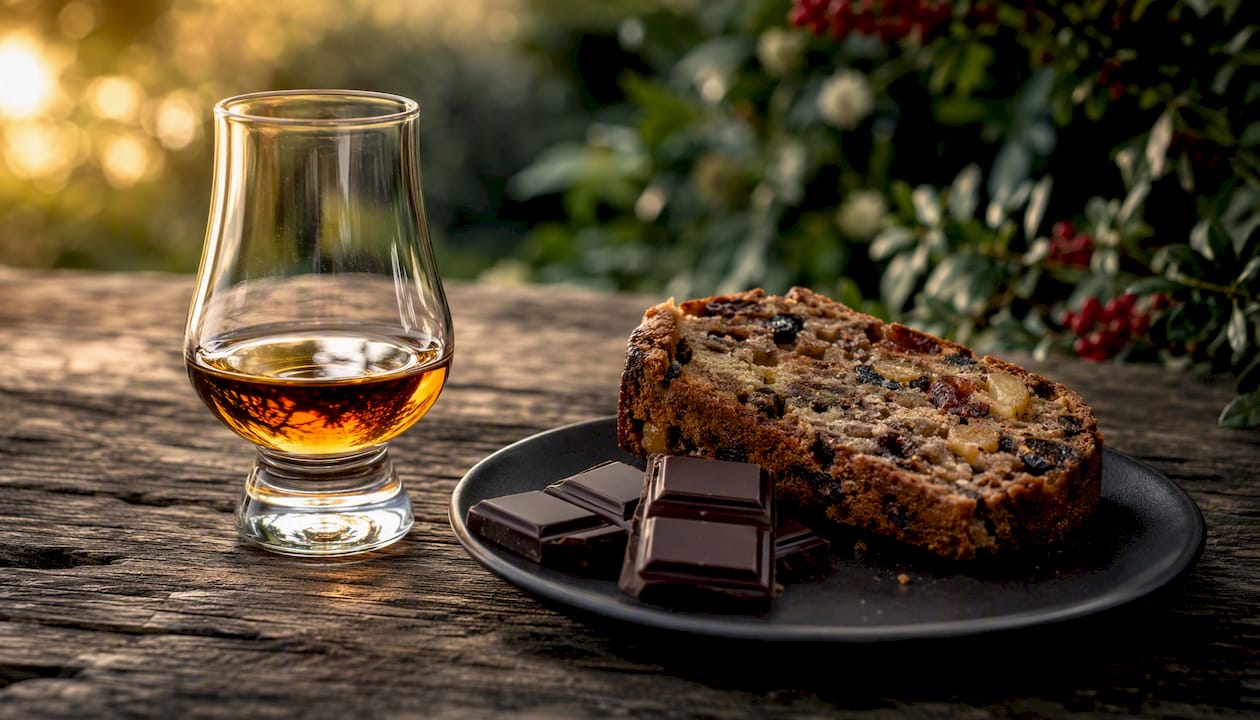
Laphroaig 10 is not for everyone, and that is precisely the point. The phenolic peat smoke, iodine, and seaweed character is the most distinctive flavour profile in Scotch whisky. Either it clicks immediately or it does not. For the drinker who already knows they love peated whisky, this is the benchmark expression of the Islay style, and it is available at most good bottle shops across Australia.
Chill-filtration removes some of the fatty acids and esters that carry flavour, so a non-chill-filtered expression at the same age and cask type will generally taste richer and more textured. Look for “non-chill filtered” or “NCF” on the label.*
Memorable bottles priced under US$180 from Bourbon Culture’s 2025 roundup averaged around US$91, reinforcing that the mid-range is where the best value-to-quality ratio consistently lives, regardless of market.
How do you taste whisky to judge quality at home?
You do not need a formal tasting course to tell a good whisky from a mediocre one. A consistent tasting sequence makes the difference.
- Pour and rest. Pour roughly 30ml into a tulip-shaped glass (a Glencairn is ideal) and let it sit for two minutes. This allows the alcohol to settle and the aromas to open.
- Appearance. Hold the glass to light. Note the colour (pale gold, amber, deep mahogany) and the “legs” — the streaks that run down the glass after swirling. Thick, slow legs suggest higher sugar content or ABV.
- Nose (first pass). Hold the glass a few centimetres from your nose, mouth slightly open. Do not plunge your nose in — the alcohol will overwhelm everything. Note the first impression: fruit, grain, wood, smoke, floral?
- Nose (second pass). Bring the glass closer. Now look for secondary notes: vanilla, dried fruit, spice, leather, citrus peel. This is where complexity reveals itself.
- Palate. Take a small sip and let it sit on your tongue for five seconds before swallowing. Note sweetness, spice, texture (oily, thin, creamy), and any tannin or bitterness.
- Finish. After swallowing, note how long the flavour persists and whether it changes. A quality finish evolves — it does not just fade to nothing or turn bitter.
- Water test. Add a few drops of still water and repeat steps 3–6. Water opens up many whiskies, particularly cask-strength expressions, and often reveals complexity that was hidden behind alcohol heat.
Common off-notes and what they mean:
- Sulphur or struck match: often from worm-tub condensers or poorly managed casks. Not always a fault, but worth noting.
- Acetone or nail polish: ethyl acetate from fermentation issues. A sign of production shortcuts.
- Cardboard or wet paper: oxidation from a bottle that has been open too long or stored poorly.
Pro Tip: Build a DIY aroma kit using kitchen items — a vanilla pod, dried cherries, a cinnamon stick, a square of dark chocolate, and a handful of walnuts. Smell each one, then smell your whisky. Matching real aromas to what is in the glass builds reliable sensory recall far faster than any tasting note you read in a book.
Why trust these picks?
The recommendations in this article were selected against three criteria: tasting quality (balance, complexity, finish, typicity), Australian retail availability, and value at the stated price point. Where tasting notes are given, they reflect the consensus of published tasting panels and distillery-verified flavour descriptors, not a single opinion.
Whisky Advocate’s annual Top 20 panel uses the same three-part framework — tasting quality, accessibility, and “wow factor” — and that alignment is deliberate. A bottle that scores brilliantly in isolation but is impossible to find or priced beyond reason does not belong on a practical buying list.
For gifting specifically, the approach mirrors the methodology used by BBC Good Food’s whisky gift testing: broad appeal, presentation quality, and value are weighted alongside liquid quality, because a gift that the recipient cannot appreciate or afford to replace defeats the purpose.
The Council of Whiskey Masters’ flavour wheel underpins the tasting vocabulary used throughout this article. Flavours in whisky are continuous and overlapping, and using a structured wheel helps move beyond vague descriptors toward specific, repeatable tasting notes that actually help you choose the next bottle.
Brendan contributes editorial direction and sourcing for Uisuki’s whisky content. Uisuki.com.au operates as a specialist Australian whisky retailer with a curated catalogue spanning Scotland, the US, Japan, and Australia, and a focus on bottles that are genuinely worth drinking at every price point.
A note on collecting and gifting whisky in Australia
The question I get asked most often is not “what is the best whisky?” but “what should I buy for someone who doesn’t really drink whisky?” My answer is almost always Starward Nova or Glenmorangie Original 10. Both are approachable enough that a non-whisky-drinker will find something to enjoy, but interesting enough that an enthusiast will not be bored.
For my own regular rotation, I keep a mid-range Speyside (usually Glenfiddich 12 or something similar) for weeknight pours, a sherried Highland like GlenDronach for weekends, and one peated bottle for when the mood calls for it. The mistake most people make when building a home collection is buying too many bottles in the same style. Variety across regions and cask types gives you a genuinely useful range for different occasions and different guests.
On price versus pleasure: the jump from A$60 to A$120 delivers a noticeable quality improvement. The jump from A$200 to A$400 is far less reliable. Spend the bulk of your budget in the A$80–A$160 band and you will rarely be disappointed.
Where to buy these bottles in Australia
Every bottle recommended in this article is available through Uisuki, Australia’s specialist online whisky retailer. The catalogue spans Scotch, bourbon, Japanese, and Australian expressions across every price band covered here, with detailed tasting notes, ABV, and cask information on every product page so you can buy with confidence.
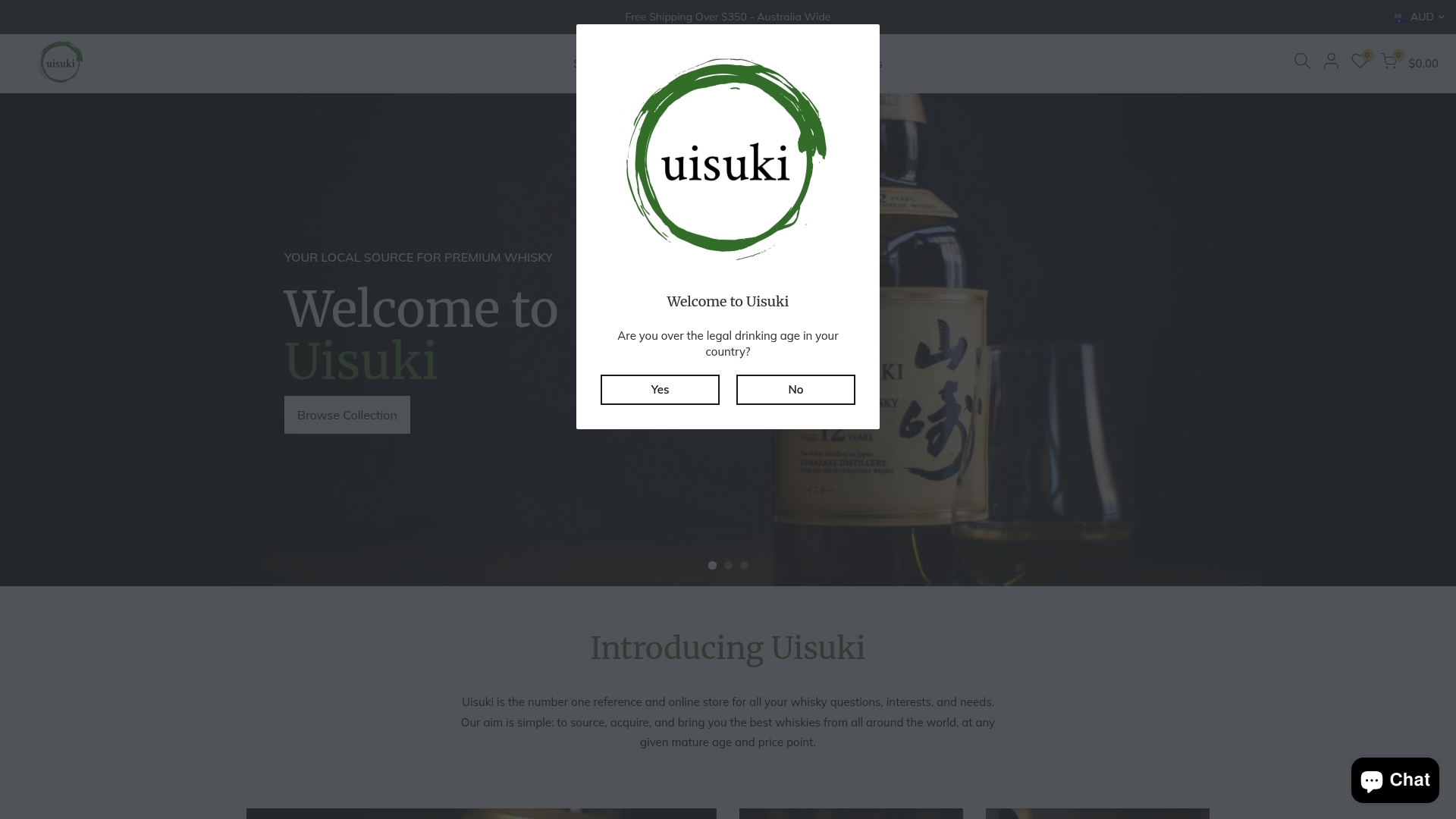
Use the site’s filters to search by region, flavour profile, price range, or ABV. If you are looking for a limited release or an allocated bottle that is not currently in stock, Uisuki accepts personalised sourcing requests and sends restock alerts to subscribers. Shipping is available nationally across Australia, with free shipping thresholds that make stocking up on mid-range bottles genuinely cost-effective. Browse the full range and find your next bottle at Uisuki.
Sources
- Top 20 Whiskies of the Year 2025 | Whisky Advocate
- Bourbon Tasting Wheel — The Council of Whiskey Masters: Scotch and Bourbon Certification & Education Program, Home of the Whiskey Sommelier
- Best whisky to buy as a gift in 2026, tested and reviewed