

The best route to a great whisky gift comes down to one choice: a reliable crowd-pleaser, an aspirational limited-edition, or a beginner-friendly single malt. For a colleague, go crowd-pleaser in an affordable range. For a milestone, stretch to a limited-edition release. For someone new to whisky, pick an approachable single malt with a gentle finish. The full picking framework and specific bottles follow below.
TL;DR:
- Choosing a whisky gift should prioritize matching the recipient’s taste profile and occasion over simply opting for the most expensive or rare bottle.
- For milestone birthdays, age statements like 12 or 18 years are effective, especially if presented in numbered boxes, but availability can vary with age.
- Limited-edition or single-cask releases offer a unique and memorable gift, but they often sell out quickly and require early registration with retailers.
- When gifting to a beginner, selecting a younger, approachable single malt with vanilla and honey notes around 40% ABV helps foster appreciation without overwhelming them.
- Presentation matters; pairing a bottle with a quality glass or tasting card enhances perceived value, while elaborate packaging suits milestone or corporate gifts.
Table of Contents
- Best whisky gifts by occasion and recipient type
- How do you choose the right whisky gift?
- Presentation and packaging that make a bottle feel special
- Brendan’s take: sourcing bottles that actually land well as gifts
- Spotting a counterfeit bottle before you buy
- What does a good whisky gift cost?
- How far ahead should you buy a whisky gift?
- Matching the gift to their experience and taste
- Curated picks beat rarity for its own sake
- How Uisuki makes whisky gifting easier
- Sources
Best whisky gifts by occasion and recipient type
Matching the bottle to the person matters more than matching it to the price tag. A $90 bottle chosen with real thought beats a $300 bottle grabbed off a shelf ten minutes before a work function. Curated gift guides consistently find that mixing crowd-pleasers with the occasional limited-edition bottle produces the strongest results for most buyers, rather than defaulting to whatever looks rarest.
Here is how to think about seven common gifting scenarios.
1. Milestone birthday (30th, 40th, 50th, 60th)
Age-statement whiskies do double duty here: a 12 or 18-year-old bottle mirrors the milestone itself, which is an easy story to tell when you hand it over. Look for a bottle with a numbered presentation box for a 40th or 50th. Availability is generally solid through specialist retailers, though the older the age statement, the more worth checking stock before you commit.
2. Anniversary or landmark gift
This is where a limited-edition or single-cask release earns its price. A single-cask bottling with a hand-written label and a specific cask number gives the gift a one-off feeling that a standard range bottle cannot match. Expect ABV anywhere from mid-40s to cask strength, and tasting notes that lean rich: dark chocolate, stewed plums, leather. These releases are often allocated, meaning limited stock ships to a handful of retailers and sells out fast. If your first choice is gone, a substitution in the same flavour family, another single-cask from the same distillery region, keeps the gesture intact without the scramble.
3. Corporate or client gift
Brand recognition does a lot of heavy lifting in a corporate context, since the recipient may not be a dedicated whisky drinker. Retailers and curated shops note that packaging and name recognition strongly influence how a gift is received in business settings, more so than obscure or novelty picks. A well-known blended or single malt around 40 to 43% ABV, in a branded gift box, is the safer play. Save the unusual, cult-favourite bottle for someone you know will appreciate the story behind it.
4. Beginner or newcomer to whisky
Skip anything cask strength or heavily peated as a first bottle. A younger single malt (10 to 12 years) with vanilla, honey, and light oak notes, sitting around 40% ABV, gives a new drinker something approachable to sip neat or with a splash of water. Pair it with a simple tasting note card so they know what to look for. This is also where a beginner-friendly gift guide can help you avoid the common mistake of buying what you like rather than what suits them.
5. Peat and smoke lover
For someone who already drinks Islay-style whisky, a heavily peated single malt around 46% ABV with notes of smoked bacon, iodine, and sea salt is the obvious lane. These bottles are widely available compared to allocated releases, so you have more room to spend on age or a special finish (sherry cask, port cask) rather than hunting for rarity.
6. Cocktail enthusiast
Not every whisky drinker sips neat. A rye-forward bourbon around 45 to 50% ABV, with spice, caramel, and a firm backbone, holds up in an Old Fashioned or Manhattan far better than a delicate single malt does. If the recipient mixes drinks more than they sip, this category outperforms anything aged or allocated.
7. Collector or limited-edition seeker
This is the group willing to wait, pay more, and chase allocation. Distillery-exclusive bottlings, single-cask releases, and anniversary editions with numbered bottles or wax-dipped seals sit in this tier. Uisuki’s rare and limited-release picks get tracked specifically because collectors need to move fast once a release drops.
One more option worth knowing about: subscription or tasting-club gifts. Curated tasting clubs work well for someone who already owns plenty of bottles and would rather taste something new each month than add another bottle to a shelf that is already full.
A quick reference for how these categories typically stack up:
Bottle guides and long-time buyers tend to agree on one thing: chasing rarity for its own sake backfires. As gift-focused reviewers point out, experienced drinkers usually prefer a familiar, high-quality core expression over an obscure novelty bottle picked purely because it is hard to find.
How do you choose the right whisky gift?
Work through three steps in order, and you will land on a sensible bottle in under ten minutes.
Step 1: Set a budget and pick a class. Decide upfront whether you are buying entry-level ($60 to $120), premium ($120 to $300), or allocated/collector ($300 and up). This single decision rules out roughly two thirds of the options you would otherwise be scrolling through.
Step 2: Match the flavour profile to the person, not to what you like. If they usually drink something sweet and mixed, sherried or bourbon-leaning bottles land better than a peated dram. If they already drink peated whisky regularly, a mild single malt reads as a downgrade rather than a gift.
Step 3: Weigh age statement, ABV, and provenance. Age statements matter to collectors and milestone gifts but far less to everyday drinkers. Provenance, meaning original packaging, batch codes, and retailer receipts, matters most for collector and limited-edition bottles, less so for a bottle that will be opened within the month.
If you are still unsure, ask the recipient (or whoever knows them best) three direct questions:
- Do they drink it neat, on ice, or in cocktails?
- Have they mentioned a favourite region, distillery, or style before?
- Is this bottle meant to be opened soon or kept as a display piece?
And watch for three red flags before you buy:
- A bottle marketed almost entirely on rarity with no detail on flavour or region.
- A “limited edition” with no batch number, cask type, or distillery information listed.
- A price that seems too low for the stated age or cask strength, often a sign of a resale listing rather than a retailer.
Pro Tip: If two bottles seem equally good on paper, pick the one with more specific tasting notes on the label or listing. Vague descriptions (“smooth, complex”) usually mean vague thinking went into the bottling itself.
Presentation and packaging that make a bottle feel special
A $150 bottle in a numbered wooden box reads as a bigger gift than a $200 bottle in a plain paper bag. Packaging is not decoration, it is part of the gift.
- Boxed or limited packaging suits milestone birthdays, anniversaries, and corporate gifts where the recipient will notice presentation on opening. Simple gift wrapping is fine for a casual gift between friends who will crack the bottle open that weekend anyway.
- Add one complementary extra, not five. A single quality glass, a printed tasting note card, or a small single-serve dram of a second expression adds impact without cluttering the gift. Well-chosen accessories lift a gift’s perceived value, but many enthusiasts still care most about the bottle itself.
- Skip the decanter for anything you want kept as a collector’s item. Decanting strips out batch numbers, distillation dates, and original packaging, all of which matter to a serious collector. A decanter works as a display piece for a bottle meant to be drunk, not stored.
- Book shipping earlier than you think you need to. International and interstate alcohol shipping can involve age verification on delivery, and destinations carry their own legal drinking age rules, so confirm the recipient meets local requirements before you send anything across a border.
Brendan’s take: sourcing bottles that actually land well as gifts
Brendan has spent years buying, selling, and sourcing whisky for Uisuki, which means watching which gift bottles get returned or regifted, and which ones get a genuine reaction on opening. The pattern is consistent: bottles chosen for the recipient’s taste beat bottles chosen for their price tag or rarity, almost every time.
The best whisky gift I have seen given wasn’t the rarest bottle in the room. It was a $110 sherried single malt bought for someone who had mentioned, months earlier, that they loved dried fruit and dark chocolate. Rarity impresses for about thirty seconds. A bottle that matches someone’s actual taste gets opened, talked about, and remembered.
Uisuki carries whisky from Scotland, Japan, Australia, and the United States, with full ABV, region, and packaging detail listed on every bottle so gift buyers are not guessing. For allocated or limited releases specifically, the practical move is to register interest with a retailer before the release date rather than searching after the fact. Uisuki also takes personalised sourcing requests for buyers chasing a specific distillery, cask type, or region that is not sitting in standard stock.
— Brendan
Spotting a counterfeit bottle before you buy
Counterfeit whisky is a real problem in the premium and collector tier, and gift buyers are a common target because they are often buying outside their usual expertise. A few checks catch most fakes before money changes hands.
Check the fill level and seal first. Genuine bottles have a consistent fill line and an intact factory seal with no signs of re-gluing or a mismatched cap. Look closely at the label print quality: official releases use sharp, even printing, while counterfeits often show slightly blurred text, inconsistent fonts, or colours that look faded or too bright compared to reference images from the distillery’s own site.
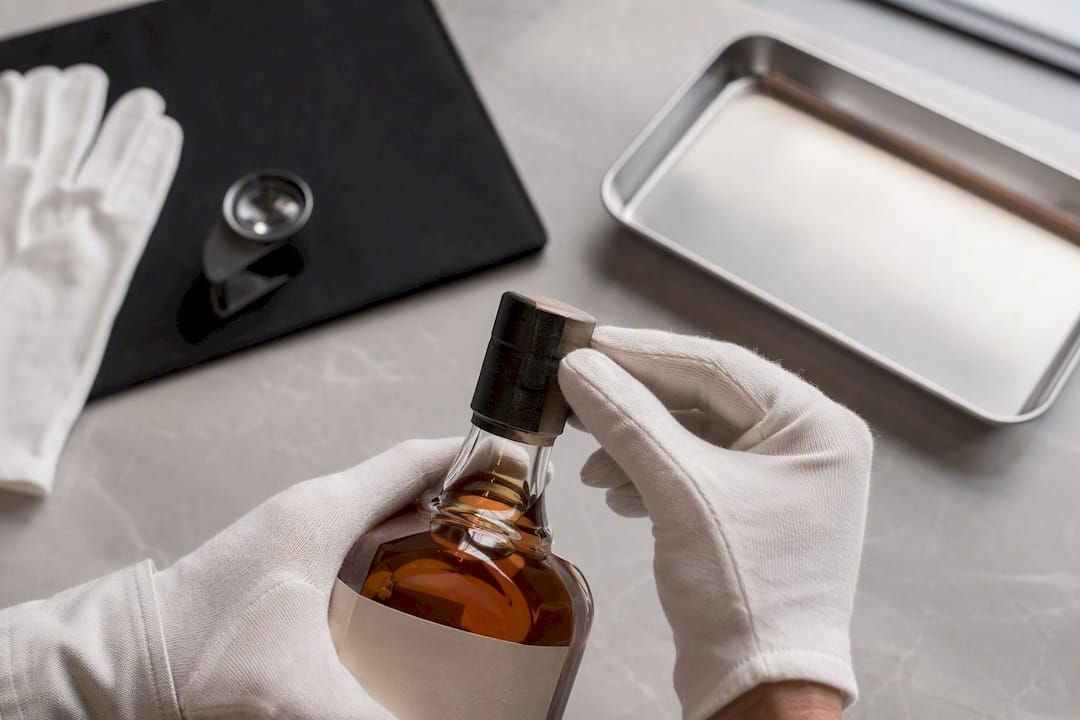
Cross-check the batch number or cask number against the distillery’s official records where they are published, especially for single-cask and limited releases where every bottle should have a traceable identifier. If a “rare” bottle has no batch number at all, treat that as a warning sign rather than a quirk.
Buy from retailers who can show clear provenance, meaning they can tell you where the bottle came from and how it reached their shelf. A price well below the going rate for a specific limited release is the single biggest red flag; genuine allocated stock rarely gets discounted that heavily, because demand for it already outstrips supply.
What does a good whisky gift cost?
Whisky gifting splits fairly cleanly into three price tiers, and knowing which one you are shopping in narrows the search fast.
Entry tier ($60 to $120) covers most crowd-pleasing single malts and quality blends, generally available bottles suited to corporate gifts, casual birthdays, and beginners. This tier delivers the best value per dollar because you are paying for the whisky, not for scarcity.
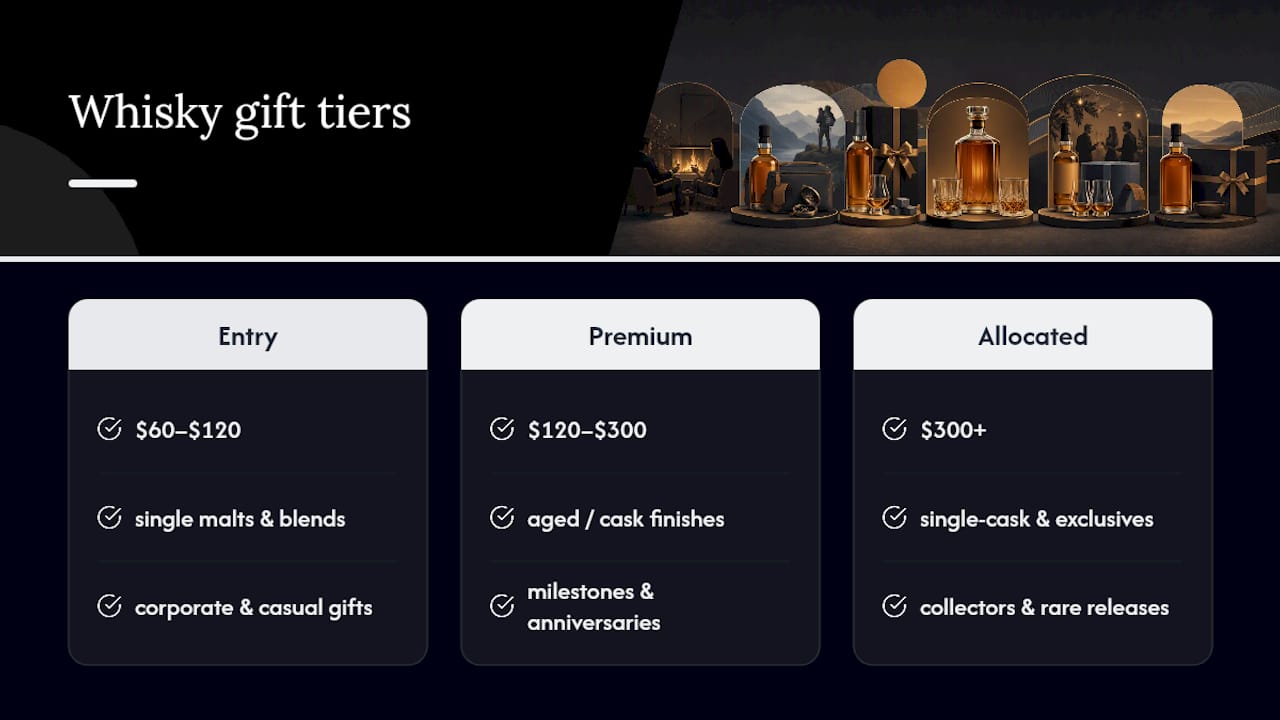
Premium tier ($120 to $300) covers older age statements, sherry or port cask finishes, and small-batch releases. This is the sweet spot for milestone birthdays and anniversaries, where the gift needs to feel considered without tipping into collector territory.
Allocated and collector tier ($300 and up) covers single-cask bottlings, distillery exclusives, and cask-strength limited editions. Prices here scale with rarity and cask strength more than with age alone, and a bottle can run well into four figures depending on the distillery and release.
A general rule that holds up across most gifting occasions: spend on flavour and provenance before you spend on rarity. A $150 bottle with a genuinely good story, region, cask type, why it suits the recipient, outperforms a $400 bottle bought purely because it was hard to find.
How far ahead should you buy a whisky gift?
Timing depends entirely on which tier you are buying in. Entry and premium tier bottles are typically in stock and ready to ship, so buying a week out from the occasion is usually fine, with standard delivery windows of a few business days for most metro and regional Australian addresses.
Allocated and limited-edition releases run on a different clock entirely. These often go up for pre-order weeks or months before the actual release date, and stock can sell out within hours once it lands. If you have a specific limited-edition bottle in mind for a milestone birthday or anniversary, registering interest with a retailer as soon as the release is announced is the only reliable way to secure it.
International shipping adds its own timeline. Cross-border alcohol shipments can involve customs processing and destination-specific age verification on delivery, so build in extra buffer days beyond the usual delivery estimate, particularly around peak gifting periods like Christmas, when carrier volumes slow everything down. If the date is fixed and non-negotiable, a wedding, retirement, milestone birthday, buy at least two to three weeks ahead for premium bottles and as early as possible for anything allocated.
Matching the gift to their experience and taste
The single biggest gifting mistake is buying for your own palate instead of theirs. A peated Islay dram is a spectacular gift for someone who already loves smoke and iodine, and a genuinely rough introduction for someone who has never tried whisky before.
Steer clear of cask strength bottles as a first gift, the intensity can put someone off the category entirely before they have found what they actually like.
For someone with a few years of whisky drinking behind them, a step up in complexity works well: sherry or port cask finishes, somewhat higher ABV, or a specific regional style they have mentioned enjoying. This is where asking about their usual drink (neat, on ice, in a cocktail) pays off, because it tells you whether flavour intensity or mixability matters more to them.
For an experienced collector, the flavour profile matters less than provenance, cask details, and whether the release is genuinely hard to find. This is the one group where a limited or allocated bottle may be worth the hunt, and where a substitution in the same flavour family is a reasonable fallback if their first-choice release is sold out.
Curated picks beat rarity for its own sake
Most whisky gift advice online treats rarity as the whole story. It isn’t. The bottles that actually get remembered are the ones matched to how someone drinks, not how hard the bottle was to find.
Where conventional advice falls short is in treating every recipient like a collector. Most people receiving a whisky gift are not chasing allocation lists, they want something good that fits how they actually drink. Prioritise flavour match and provenance first, spend on rarity only when you know the recipient will genuinely value it, and use packaging to lift a well-chosen mid-tier bottle rather than to disguise a rushed one.
How Uisuki makes whisky gifting easier
Uisuki curates whisky from Scotland, Japan, Australia, and the United States specifically so gift buyers are not left guessing at ABV, region, or cask detail on a listing. Every bottle on the site carries full product detail, and the team handles personalised sourcing requests when a specific distillery or limited release isn’t sitting in standard stock.
Buyers chasing an allocated or limited-edition bottle for a milestone gift can register interest ahead of a release rather than scrambling once it drops, and international and local shipping is set up to get a gift-ready bottle to the recipient’s door without the buyer having to chase couriers themselves. If you already know the flavour profile you are after, sweet and sherried, smoky and peated, rich and cask-strength, browsing by gift sets and curated picks narrows the search fast. For anyone still deciding between a crowd-pleaser and a limited release, Uisuki’s shop is the practical next step, with detailed listings that make the choice a lot less like guesswork.